The Munitionettes – The Canary Girls of the Great War
Women’s History Month guest post from Sandra Gold-Wood.
It is 108 years since the First World War ended and 79 since the end of the Second World. Each November we stand to remember the men who gave their youth, their health and their lives. During those two minutes silence we may think of relatives who served in the armed forces and may even shed a tear. However, I do not believe that many people think of those who carried out the vital task of providing munitions for Britains armed forces.
In the First World War young single women from the age of 16 were pressed through lack of employment to sign up for munitions work. The newspapers advertised the work as being healthy and conditions in the new factories ideal. Close to a million young women were sent to the half-built factories to carry out this dangerous work in appalling and unsanitary conditions. Health and safety at this time was not a consideration and workers had very little in the way of protection from the volatile explosives they work with. Causalities were common place as were acts of bravery.
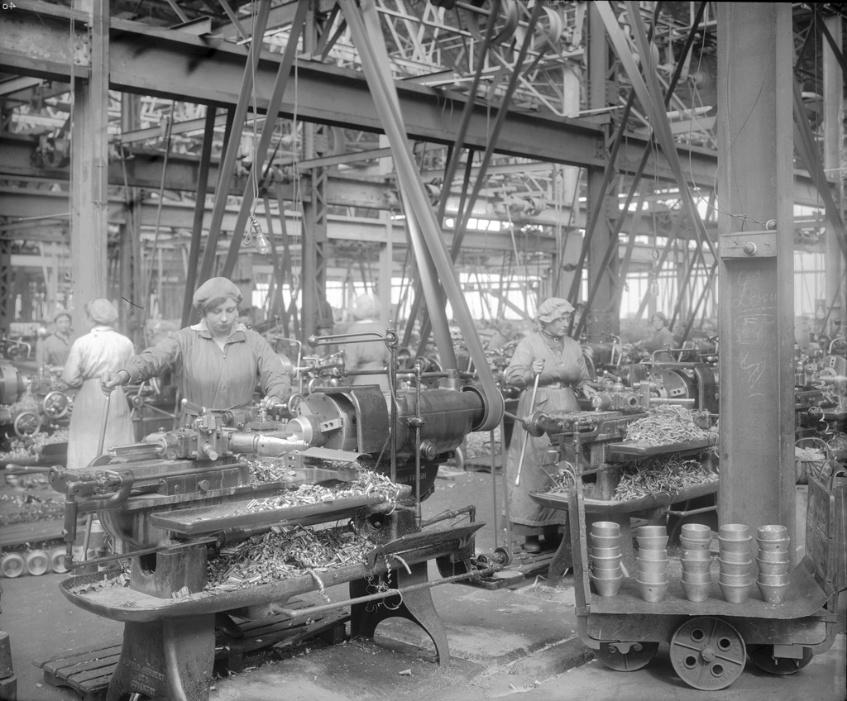
My book ‘Munitionettes’ is an account of the young women who carried out this work throughout WW1. It looks at their lives, social attitudes, suspicions and prejudice of the time.
The young women workers at first called munitionettes soon became known as ‘Canary Girls’. The name came about because girls skin would turn yellow. Picric Acid an early ingredient of explosives caused the melanin in the skin to react and turn yellow. The staining was the least of these girls worries as their work could lead to far more serious health conditions such as toxic liver poisoning. Other debilitating illnesses, that affected workers were breathing difficulties, digestive disorders, addiction, headaches, rotting gums, fainting fits, anaemia and jaundice.
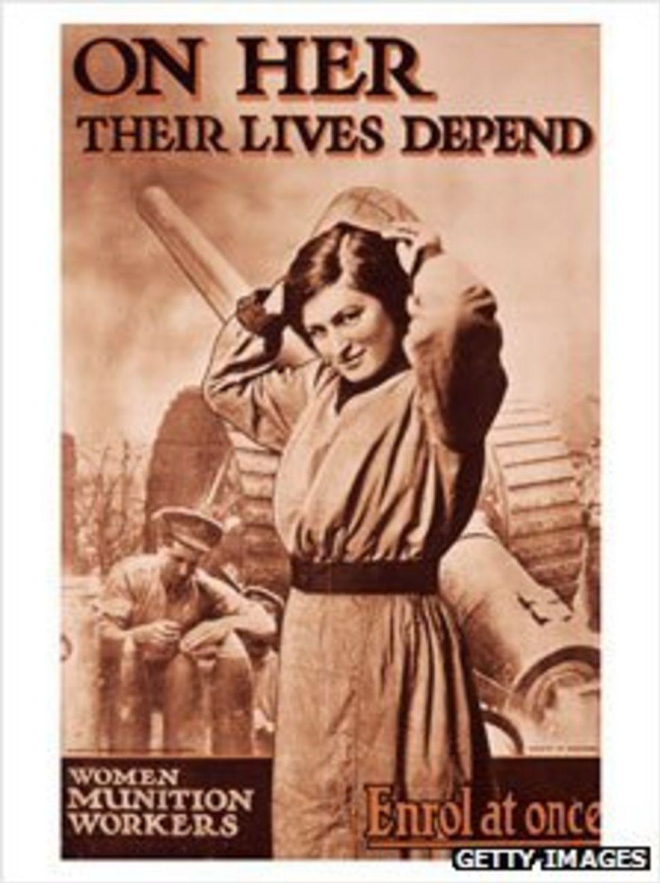
Later this year my second book ‘Canary Girls’ which looks at the interwar years, the building of munitions factories and the women who worked in the Second World War and the changes war brought to women’s lives. In WW2 150,000,000 women worked in munitions and yet there is still no national memorial to these forgotten heroines.
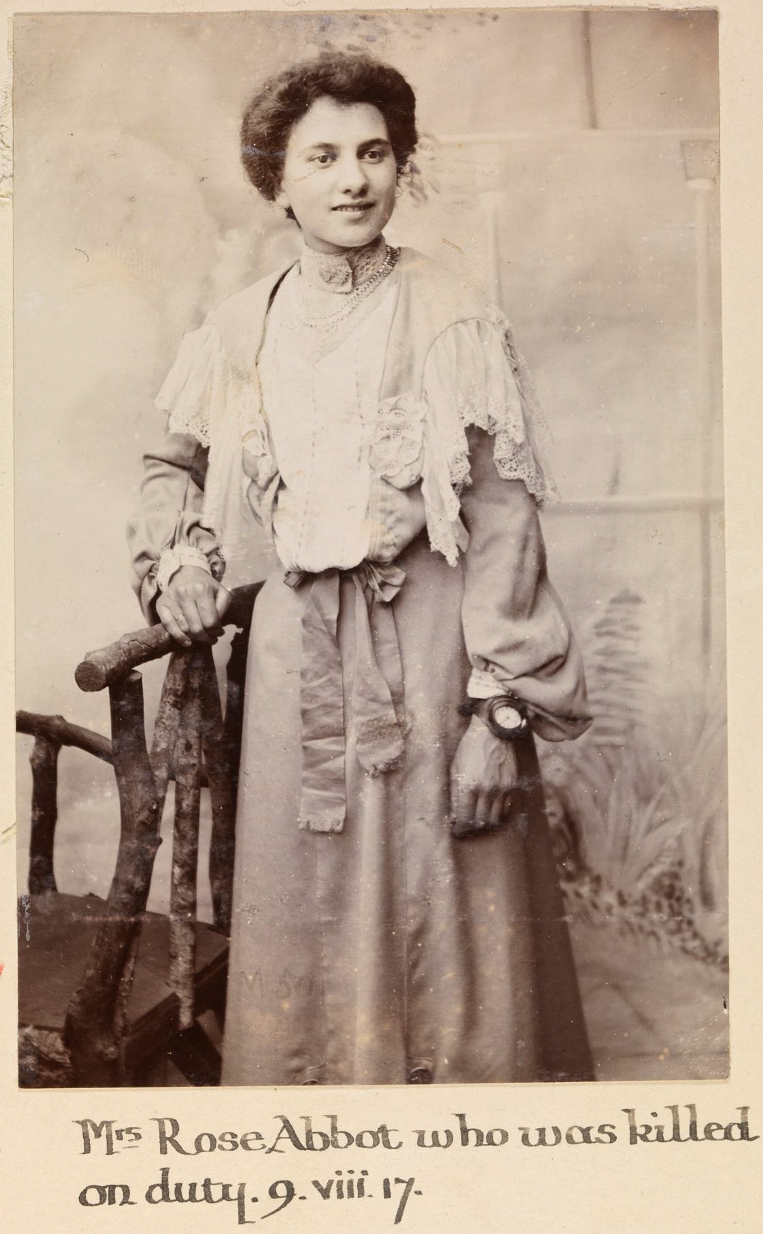
The Royal British Legion have a program called, ‘Teaching Remembrance’. They go into schools and even have a musical show which is performed for the children. Trips to the NMA are encouraged so that the children can learn about the history of conflict. Of the 420 memorials in the NMA there is nothing to honour the women, girls, boys and men who risked their lives each day making munitions.
In 2013 this issue was brought before the House by a cross- party committee. It was agreed that there should be a memorial in the NMA but nothing has materialised yet.
The Canary Girls Memorial Project is working to achieve equality of esteem for the munition workers of both World Wars with a fitting memorial in the National Memorial Arboretum [NMA].
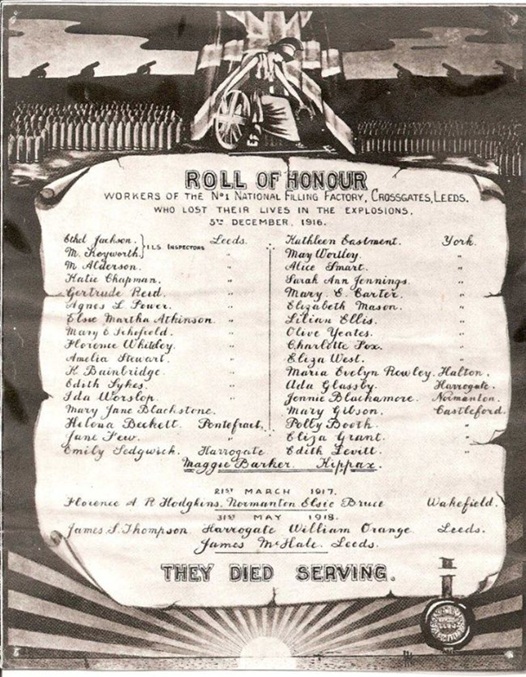
Five things you didn’t know about munition workers.
1 In WW1 the majority of munition workers were teenage girls.
2 There were more than 200 government factories making munitions in WW1 plus many hundreds more private factories.
3 The Women Police Service [WPS] came into being at this time to ensure that the young women workers behaved in a respectable and morally acceptable way.
4. Babies born to munitionettes were as yellow as their mothers.
5. Rules in the factories were very strict and workers female or male were subject to fines and imprisonment with hard labour if they broke them.

Order your copy here.