Elizabeth Jones at 100: Crime and Gender in Wartime London
Following a crime spree amid the dark, bomb-damaged streets of wartime London, an 18-year-old woman stood trial for murder in 1945. The man accused alongside her admitted to firing the fatal shot, yet he received comparatively less scrutiny. She, by contrast, faced what has often been described as a ‘trial by press’, shaped by gendered public attitudes about her sexual history and morality. A century after her birth, the case of Elizabeth Maud Jones and the Cleft Chin Murder offers an opportunity to reflect on how gender, morality and criminality intersected in wartime Britain, and on the extent to which some of these themes continue to resonate today.
Elizabeth Jones, known as Betty, grew up in poverty and instability in South Wales, with periods in care following a failed family emigration to Canada. As a child, she reported being sexually assaulted on two occasions. One case reached court when she was 13 but was withdrawn when she was too frightened to testify. A subsequent police report described her as ‘a strong-willed type of young woman of very loose morals.’ As a teenager, she ran away, began drinking, spent time in an Approved School, and married at 16. After her 29-year-old husband assaulted her on their wedding day, she fled to London seeking independence and opportunity, dreaming of becoming a dancer. She scraped a living in wartime Soho, working in cafés and cabarets, and was drawn into a world of striptease dancing and black market “spivs” who sold rationed or stolen goods.
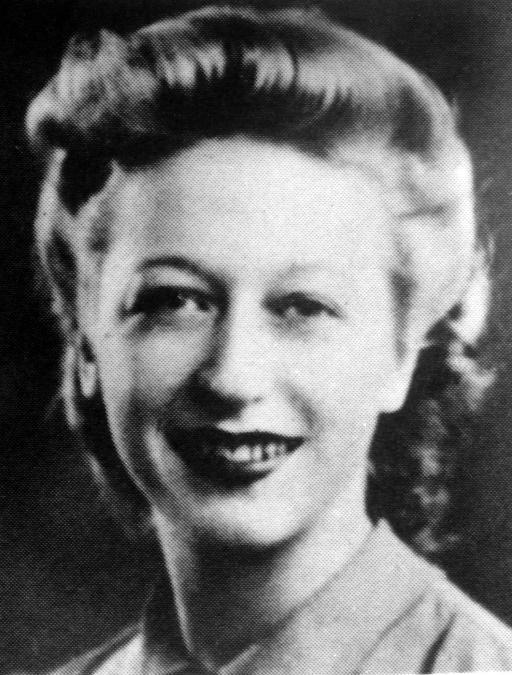
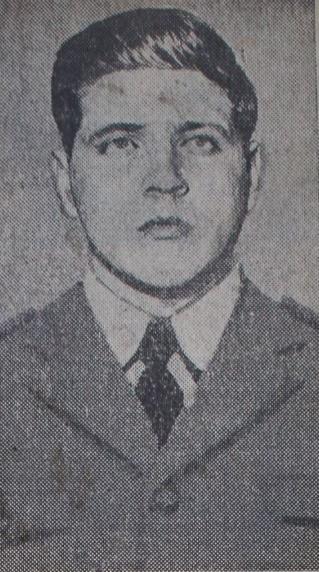
When she met American soldier Karl Gustav Hulten in October 1944, both were concealing their identities: Jones using her stage name Georgina Grayson, and Hulten posing as a Second Lieutenant while in reality an AWOL Private. Their brief association escalated into a series of crimes, culminating in the attempted murder of Violet Hodge and the fatal shooting of taxi driver George Edward Heath. Hulten admitted to firing the gun. Yet much contemporary reporting cast Jones as the driving force. One newspaper described her as ‘downright wicked’, while others labelled her as the instigator. Public attention focused less on what she had done and more on what she was seen to represent: a young woman who had stepped outside accepted social boundaries. She had left her husband, worked as a striptease dancer, and was alleged to keep a ‘black book’ filled with the details of servicemen. Rumours that she was a ‘good time girl’, a term used for women who engaged in casual or transactional relationships with soldiers, persisted despite limited evidence.
Wartime Britain depended on women’s labour as never before, yet their growing independence prompted renewed scrutiny of behaviour. A 1943 report on STIs, then called venereal disease, warned that the ‘most dangerous sources of infection’ were ‘good time girls’ who congregated around servicemen. It was widely known that visiting American soldiers sought encounters with these women, to the point that condoms, or ‘pros’ (short for prophylactics), became standard Army issue. Public information posters warned of the dangers, with one showing a smiling young woman alongside the words, ‘She may look clean – but pick-ups, “Good Time Girls” and prostitutes spread syphilis and gonorrhea. You can’t beat the Axis if you get VD.’ Such campaigns reflected the anxieties of the time, portraying ‘good time girls’ as a threat to public health and even the war effort, while it remained socially acceptable for soldiers to use their services.
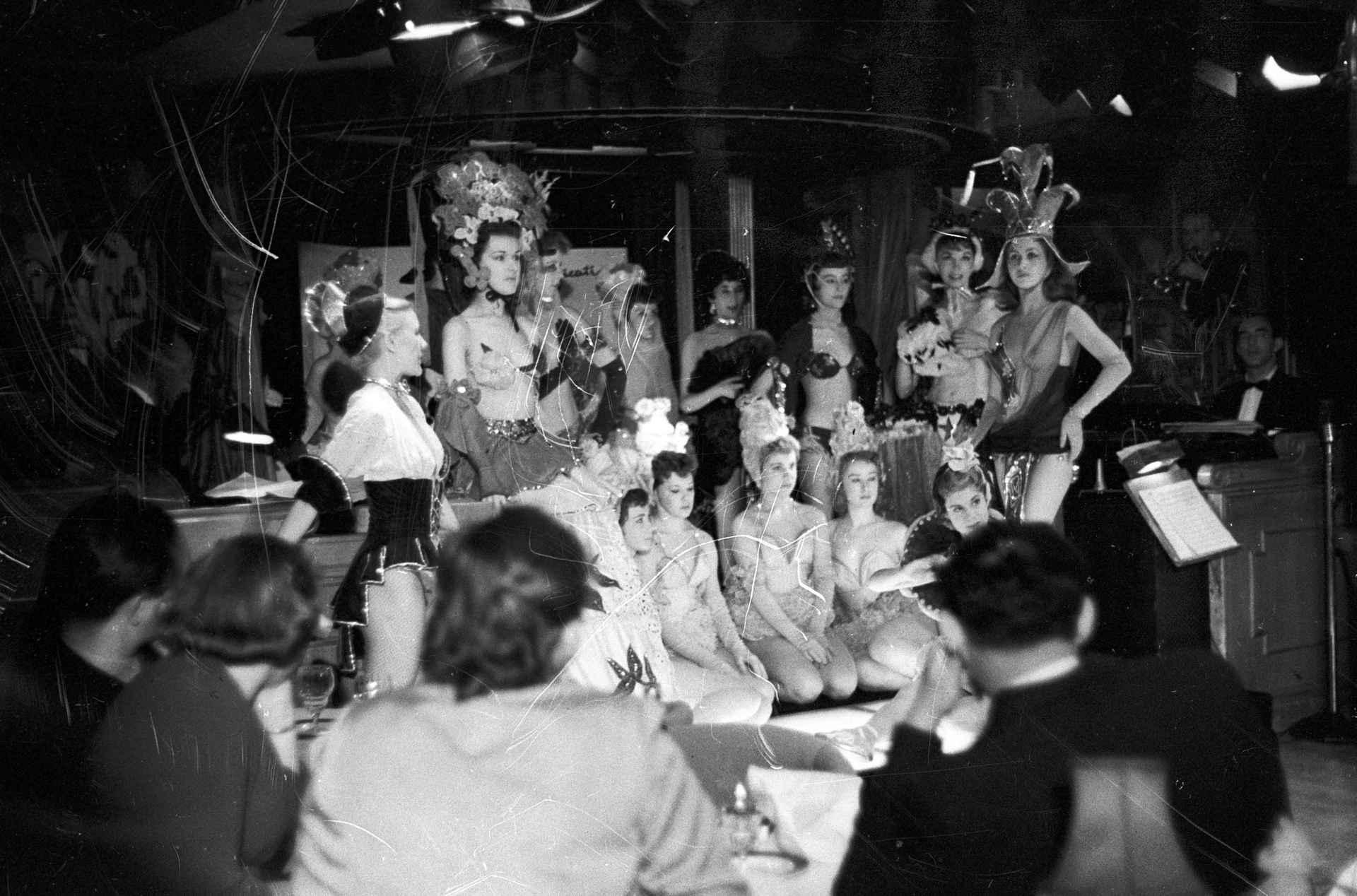
Jones herself worked briefly as a striptease dancer at the Panama Club in Knightsbridge. In her words, she had ‘a child’s body…and the wolves came. Mostly servicemen, for London swarmed with them.’ Yet there was comparatively little public censure of the servicemen watching these shows, only of the women who performed in them.
In this context, Jones was vulnerable in the courtroom. The sexual assault allegation she had made as a child was used to undermine her credibility. She was asked how many men she had lived with and whether a rash on her stomach might be a symptom of an STI, as though she were on trial for promiscuity rather than murder.
Hulten’s background, by contrast, was not subjected to the same dissection, despite his history of desertion and petty crime, and the fact he had a wife and child in Boston while simultaneously seeing two women in England, one of whom was just 16. Although he admitted to pulling the trigger, public and press narratives suggested that Jones was the corrupting influence, the manipulator, the woman who had led him astray.
Both were sentenced to death. 23-year-old Karl Hulten was executed on 8 March 1945, while Betty Jones, aged 18, was reprieved with hours to spare, on the grounds of her age. Public reaction revealed the strength of feeling against her. In her hometown of Neath and beyond, ‘Hang Jones’ was scrawled on walls, and some argued she should be made an example of. One view expressed at the time was that ‘if she could be this bad at 18, then she must be very bad indeed.’
After her release from prison in 1954, Jones lived a largely private life, far removed from the image constructed around her. Recent research, including conversations with her surviving daughter, has begun to shed light on those later years.
Portrayals of Jones in film have continued to echo the earlier narrative. The 1948 film Good Time Girl, loosely based on the case, was criticised as ‘sordid’ while its producer Sydney Box defended it as a cautionary tale intended to make girls ‘think twice’ about leaving home and for parents to ‘take better and more enlightened care of their daughters’, keeping the focus firmly on the perceived decline of girls’ morals. Later portrayals, such as the 1990 film Chicago Joe and the Showgirl, have maintained this dynamic, casting Kiefer Sutherland as a quiet, passive Karl Hulten, with Emily Lloyd as a brash, domineering Elizabeth Jones.
What makes Jones’s case particularly thought-provoking is how it intersected with anxieties about gender roles and social change. She was judged not only for a crime, but as a symbol of moral decline. Her past trauma, her relationships, and elements of her personal life were treated as evidence of character, and by extension, of guilt.
A century after her birth, Jones’s story continues to invite reflection on how personal history, perceived morality, and assumptions about behaviour still shape public and media responses to those involved in crime. Modern research suggests that women who deviate from traditional sexual norms continue to be judged more harshly than men in similar situations. In cases of sexual violence, assumptions about a woman’s behaviour or sexual history can influence how much blame she is assigned. Men, too, face gendered stereotyping, particularly when female perpetrators target male victims, which is often met with scepticism, ridicule or disbelief, although the social and legal consequences differ.
Eizabeth Jones’s story highlights how ideas about gender, sexuality and morality could shape the way criminal cases were understood in wartime Britain. While society has changed profoundly since 1945, modern research suggests that assumptions about behaviour and credibility can still influence public perceptions of those involved in crime. A century after her birth, her case therefore remains relevant not only as a remarkable episode in wartime history, but also as a reminder of the ways in which social attitudes can shape the stories we tell about crime and those caught up in it.
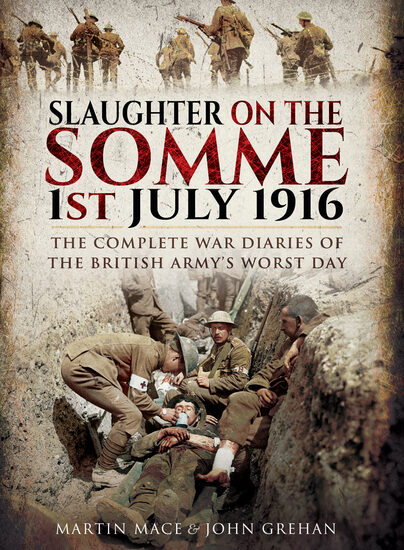
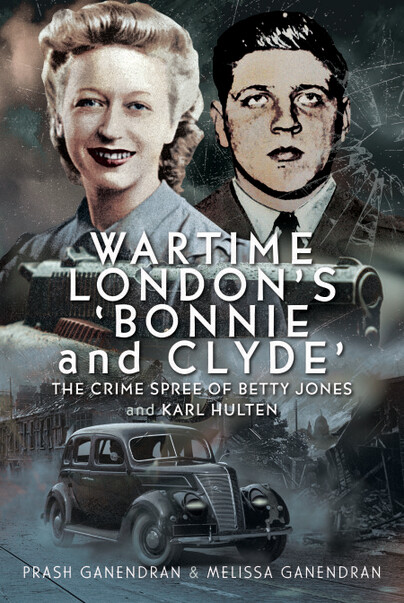
Many of the details explored here emerged from the research we undertook for our recent book, Wartime London’s ‘Bonnie and Clyde’: The Crime Spree of Betty Jones and Karl Hulten, in which we reconstructed Jones’s early life, traced her descendants, uncovered what became of her after prison, and re-examined one of Britain’s most notorious wartime cases in the light of new evidence.
Melissa and Prash Ganendran
https://prashganendran.com/karl-hulten-elizabeth-jones-research/
Order your copy here.