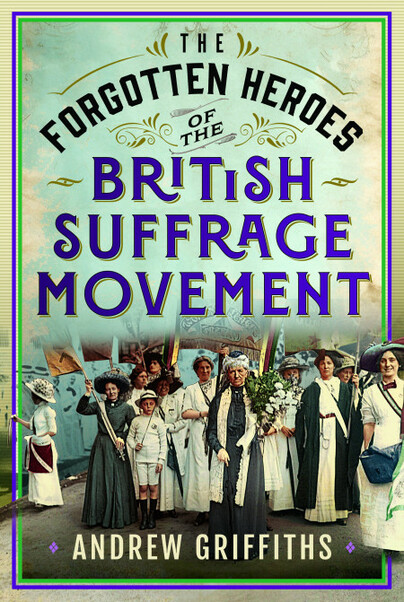
Forgotten Heroes – The Story of the Unsung Suffrage Campaigners of Great Britain
Author guest post from Andrew Griffiths.
On 30 May 1929, the first election was held in which women were able to vote on the same terms as men. The subject of female enfranchisement had been broached by pioneering women since at least 1792, when Mary Wollstonecraft (mother of Mary Shelley) wrote ‘A Vindication of the Rights of Woman’, and by the time the goal was achieved, suffrage groups had been fighting for decades, starting with the founding of the Kensington Society in 1865.
Suffrage in the Nineteenth Century
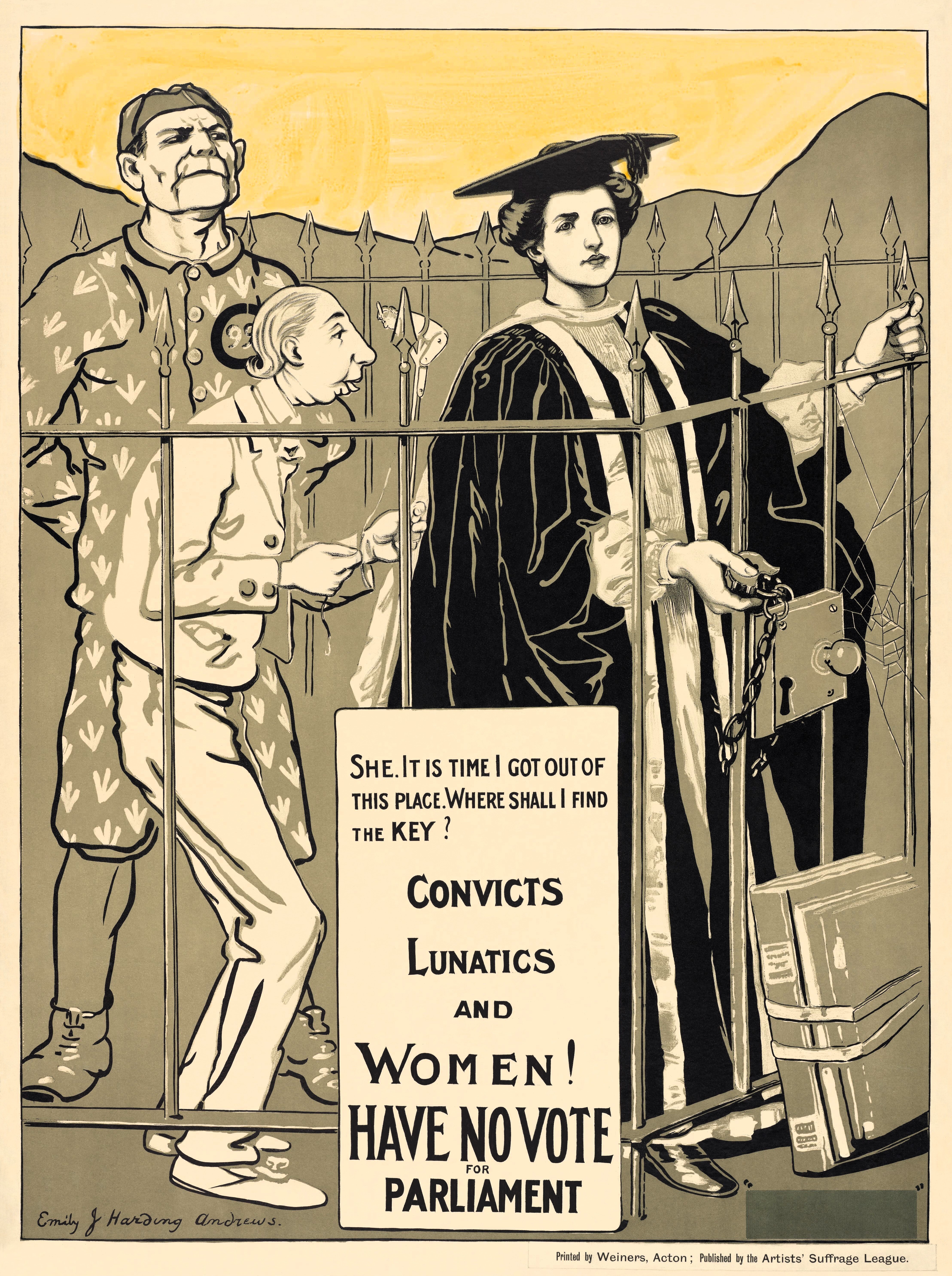
The Forgotten Heroes of the British Suffrage Movement begins by examining some of the movement’s early leaders. Throughout the nineteenth century, campaigners were working towards improving the lives of women and through the likes of Barbara Bodichon and Lydia Becker, it was realised that winning voting rights on the same terms as men was vital to achieve feminist objectives such as more rights within a marriage, better access to education and, fair treatment and equal pay within the workplace.
The National Society for Women’s Suffrage was founded in 1867 and was the predecessor to many suffrage organisations that would emerge in the following decades, which would seek to unite the women of the movement. Members would become known as ‘suffragists’, and they would lobby Parliament, hold meetings, distribute literature to the general public and draw up petitions, all actions that would have been considered radical at the time when carried out by women.
When the National Union of Women’s Suffrage Societies (NUWSS) was formed in 1897 by Millicent Garrett Fawcett, the growing movement became much more coherent. However, this was not destined to last long, as just six years later, the Women’s Social and Political Union (WSPU) was created by Emmeline Pankhurst, who believed progress was too slow and that more militant measures would be needed for women to gain the vote. As the movement grew, more groups formed, but most were, at least to some extent, allied with the NUWSS, the WSPU, or both.
The Rise of Militant Suffrage
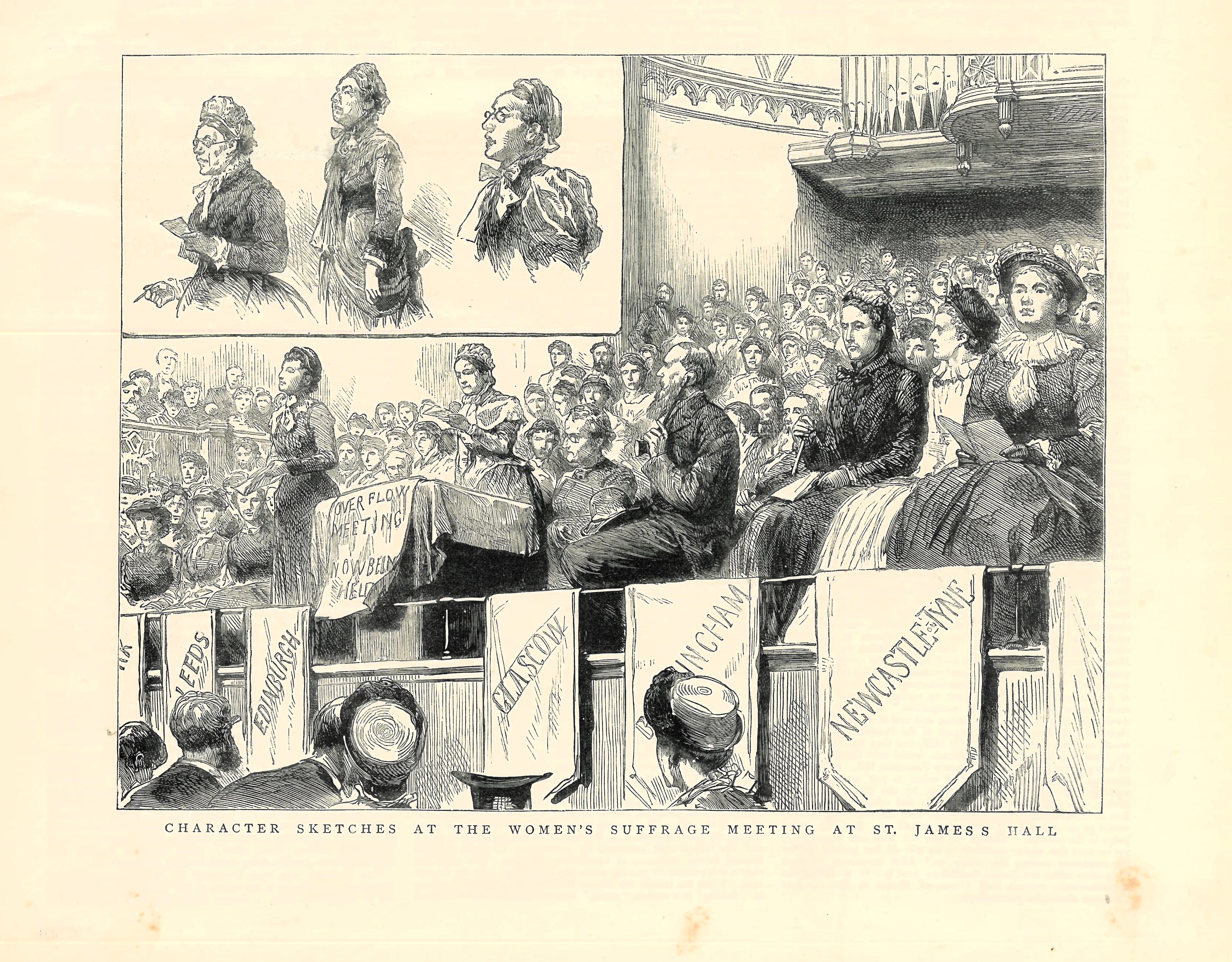
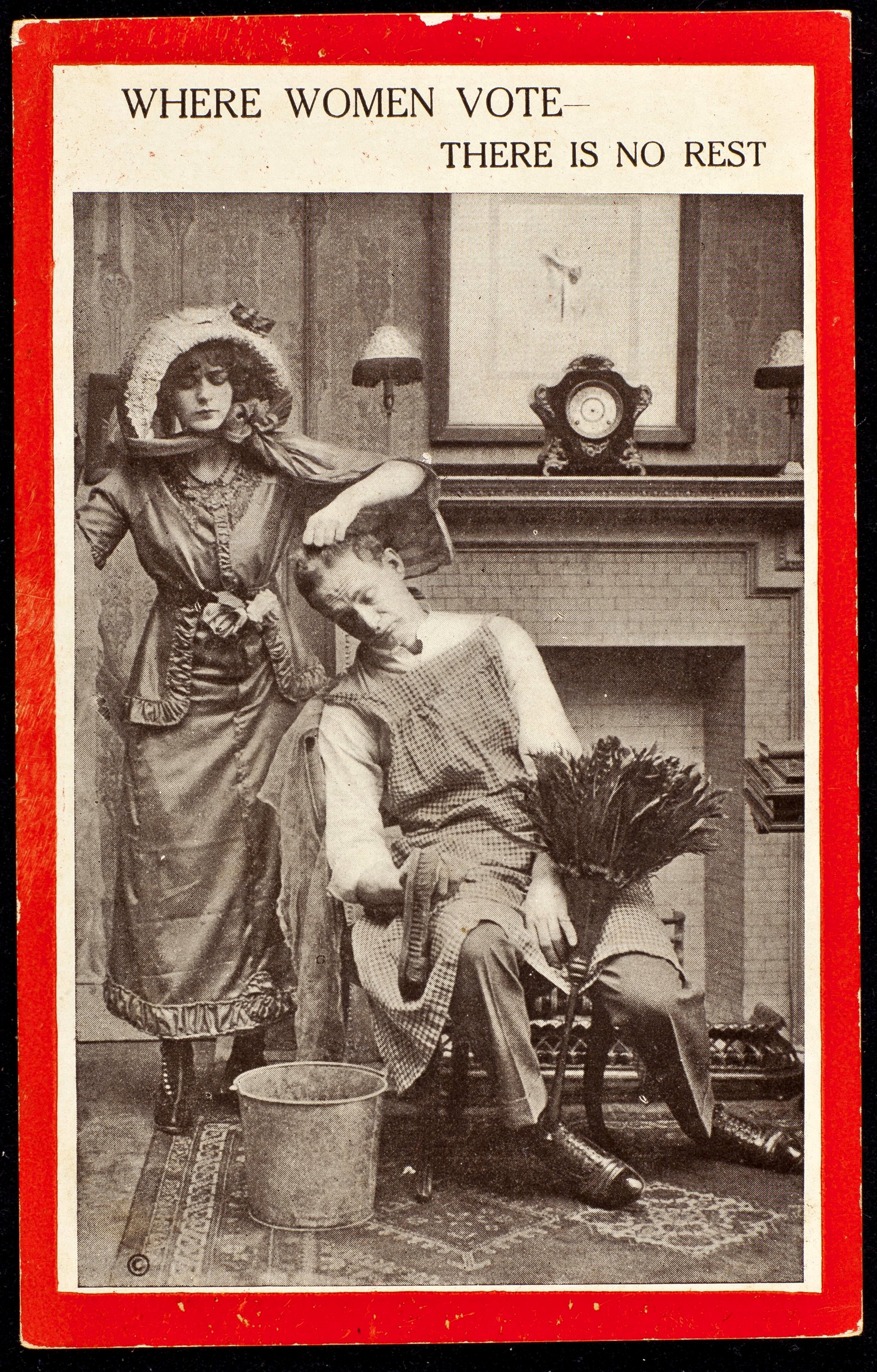
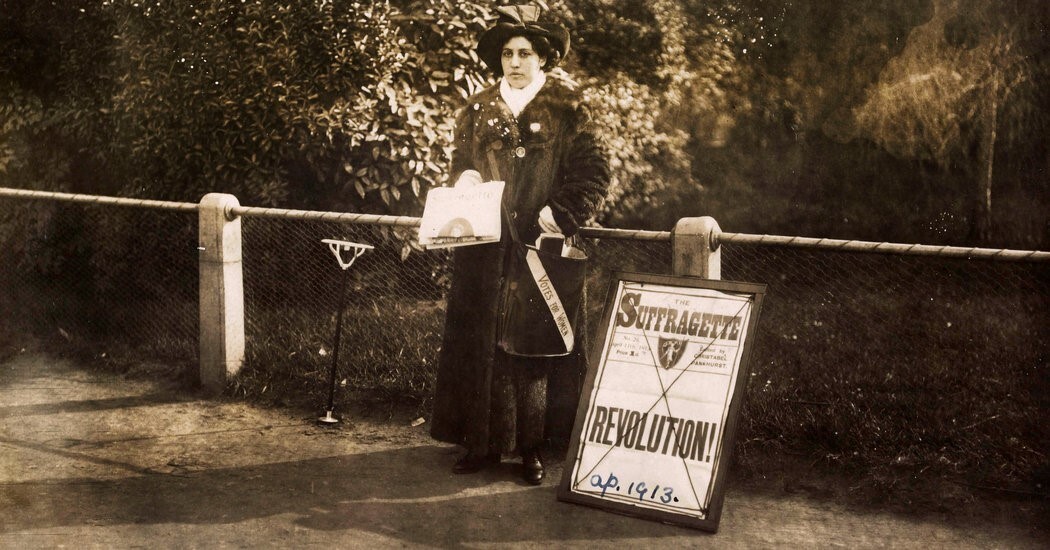
The WSPU would march on the Houses of Parliament in their thousands, interrupt political meetings and accost MPs in public. Propaganda became key to winning the hearts and minds of the populace, and they would use every possible means to get their point across, including postcards, posters, plays, and articles. When Annie Kenney and Christabel Pankhurst became the first suffrage campaigners to be arrested in 1905, it gained worldwide notoriety for their members (who would become known as ‘suffragettes’). Emboldened, from this point forward they would frequently break the law and challenge authorities to push their message.
To counter the various suffrage groups, anti-suffrage societies were also formed, comprising both men and women. They objected to female enfranchisement on a number of grounds, including the belief that it would destroy the family and traditional home life. Others were worried that the extra votes would go to political parties that they were not affiliated with and others still believed women did not have the mental and emotional capability to be involved in making such big decisions, as, they stated, proven by some of the more outlandish actions of the suffragettes.
Social Class Within the Suffrage Movement
In the early days, the movement was mostly a middle-class one, but over time, it became clear that the support of working-class women was required, as they were so numerous throughout Britain. Annie Kenney and Minnie Baldock were instrumental in this, as they would frequently talk to working women and they opened a groundbreaking chapter of the WSPU in the poverty-stricken Canning Town area in London.
Upper-class women were also targeted by suffrage propaganda. Women like Lady Constance Lytton and Princess Sophia Duleep Singh would become vital to the cause, as they had more money to donate and often more free time to devote to campaigning, since they did not need to work and often had staff to handle their duties as wives and mothers. This led to the unusual scenario of women from the lower orders having authority over middle- and upper-class women but also led to an almost classless sisterhood as they campaigned, protested, fought and served prison time together.
Hunger Strikes and Force Feeding
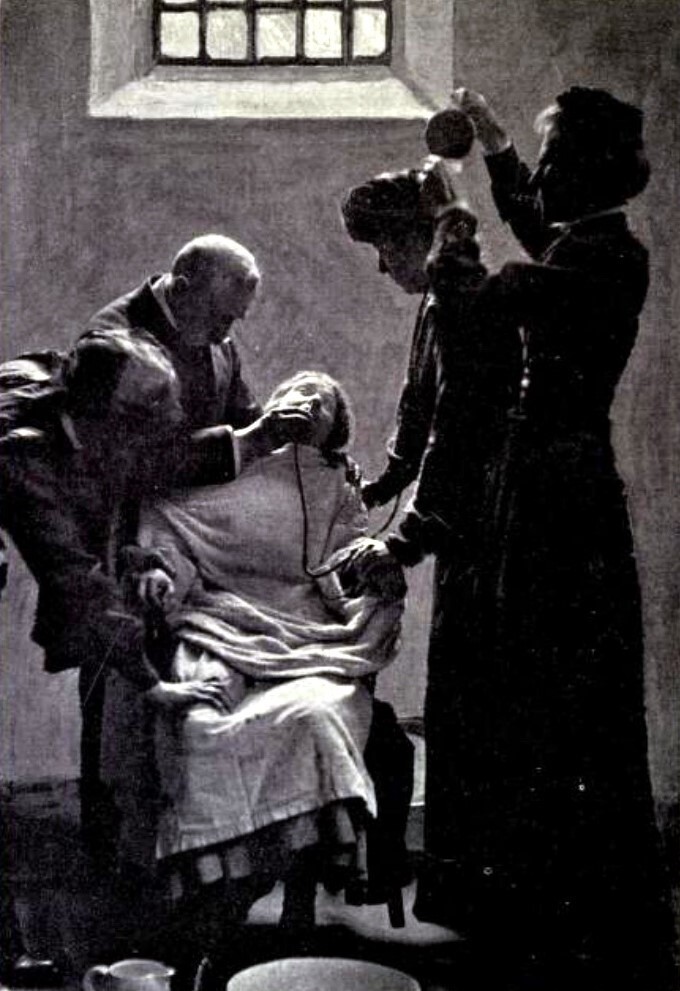
As authorities refused to treat the suffragettes as political prisoners, they began going on hunger strike, a form of protest first implemented by artist, author and illustrator Marion Wallace-Dunlop. However, they soon found themselves victims of a barbaric practice when, in 1909, Evaline Hilda Burkitt became the first suffragette to be force-fed. Not only did this fail to achieve its intended goal of ending hunger strikes, but it also gained support for the WSPU from some members of the press and the public who had previously denounced them.
As a result, the government introduced the ‘Cat and Mouse Act’, which allowed the women to be released once their weight dropped so they could recover. This was designed to discourage them as they would be rearrested to serve the rest of their sentence. Sometimes, an individual would be released and rearrested several times before serving the full term of their conviction, but far from deterring them, many evaded rearrest or committed another militant act before the authorities caught up with them again.
The Reign of Terror
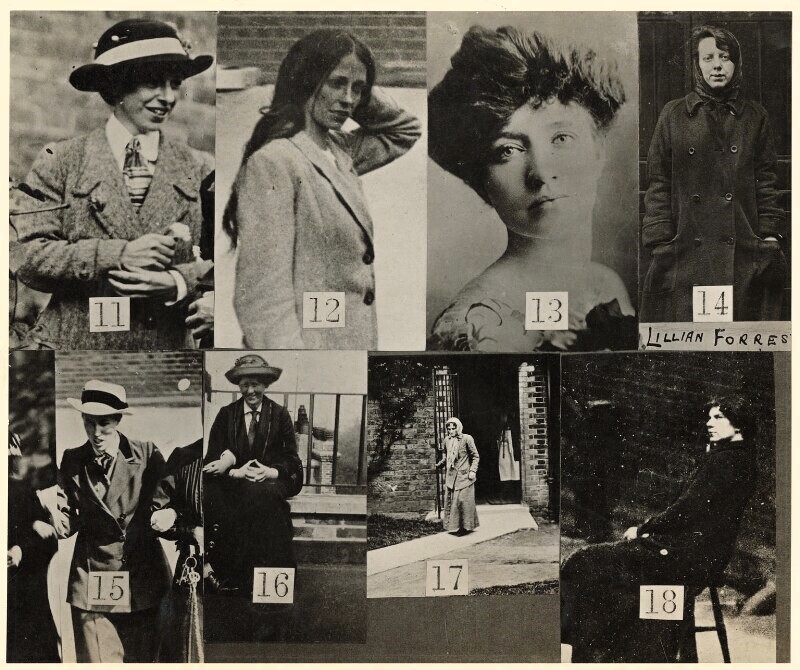
From 1911, the WSPU embarked on what they themselves, the police and the press dubbed a ‘reign of terror’; some commentators then and now even refer to their actions as terrorism. They committed acts of vandalism, sometimes in coordinated attacks that included dozens of women, and they also set up a special branch of the organisation called the ‘Young Hot Bloods’, who committed arson and bombing attacks across the country.
Although they were always careful to ensure that nobody got hurt, as the militancy intensified, many people who had formerly sympathised with or supported them turned against them. Some key members left the WSPU, and others who spoke out against it were ousted, most notably Emmeline Pethick-Lawrence, a longtime financier and leader of suffragette activity.
Winning the Vote for Women
When the First World War broke out, the leadership of the WSPU and the NUWSS announced a truce and began using their organisational skills to support the war effort. While they toured the country giving speeches, the rank and file helped in any way they could such as becoming nurses, administrators, factory workers or entertaining the troops.
When the war was over, the Representation of the People Act (1918) allowed some women to vote, leading to the disbanding of many suffrage organisations. Many of the thousands of women who had fought for women’s right to vote left the struggle at this point, but for others, this was not enough, and they continued to fight.
Victory was finally accomplished with the Equal Franchise Act (1928), and the likes of Emmeline Pankhurst and Millicent Garrett Fawcett rightly get much of the credit for this achievement. However, The Forgotten Heroes of the British Suffrage Movement seeks to remember and celebrate the thousands of other women (and men) who contributed to the cause. They represented the full spectrum of British society and came from all walks of life. Generations of people who fought and suffered, gave up their time, money, freedom and sometimes even their lives so that women could obtain the vote on the same terms as men.
For a vote, unlike a sword, is a weapon which is as potent in the hands of a woman as in that of a man.
~ Lydia Becker ~
You can order your copy of ‘Forgotten Heroes’ here, or read more about the suffrage movement and much more on my website.