From Border Reivers to Bonnie and Clyde
Author guest post from Jon Tait.
One of the most notorious killers in United States history was born in Ellis County, Texas – but he may have been made in a lonely valley on the Anglo-Scottish border.
The scant remains of Barrow pele tower lie near a bend on the scenic river Coquet as it winds its way up past the tiny hamlet of Alwinton and quietly on between the steeply sloped green hills towards Scotland.
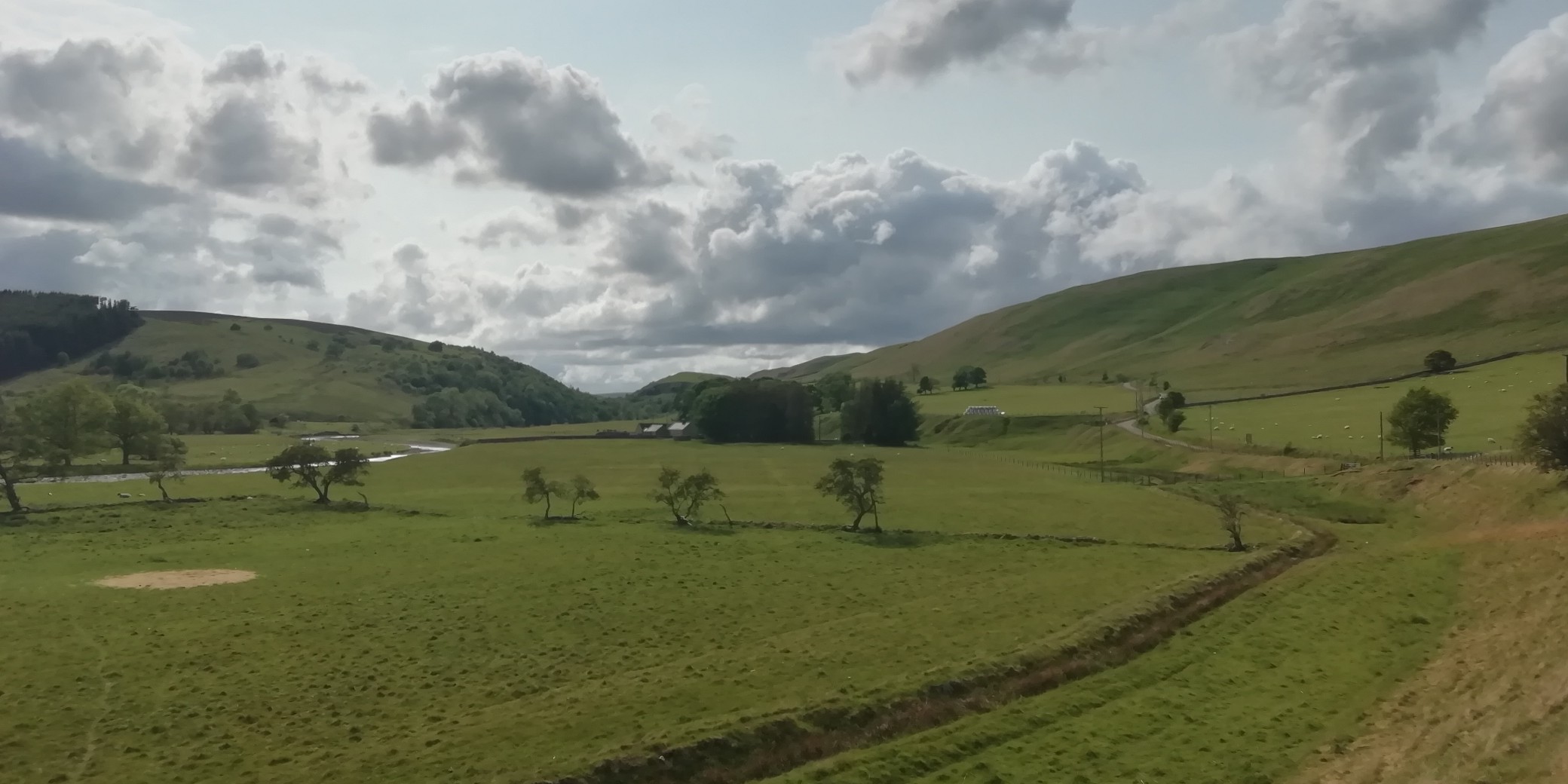
It is sheep country. Hardy, black-faced Cheviot sheep that dot the hillsides. The theft of livestock fuelled the local economy here during the turbulent period of warfare and conflict that raged between in England and Scotland from a couple of hundred years from the thirteenth century.
These were the riding times, when local families would get together to saddle up and burn out their neighbours across the border, or in a valley next door, no difference. What mattered was the surname, the kinship ties and the friendships forged against feuds, protection rackets, robbery and extreme personal violence.
The Laird of Barrow resided at Barrow pele and as well as suffering frequent incursions from Scottish riders, was happy to lead raids of his own in the opposite direction.
The last Laird, John Barrow, was hanged at Jedburgh in 1605 during the pacification of the border ordered by King James VI/I as he encouraged a clampdown on the worst of the border reiver families.
Perhaps the 1920s depression-era bank robber and outlaw Clyde Chestnut Barrow was a distant relation, dispersed to the West.
A list of 54 rebel prisoners to be transported on the ship the Godspeed to Virginia from Great Britain in 1716 included David Graham, William Johnson, John Shaftoe, James Rutherford, James Dixon, William Simpson, Rowland Robson and George Hodgson – all people bearing surnames of the border reivers.
Barrow’s equally notorious partner Bonnie Parker may have also had an ancestry from the borderlands, with many Parkers long living in Cumberland throughout the reiving period.
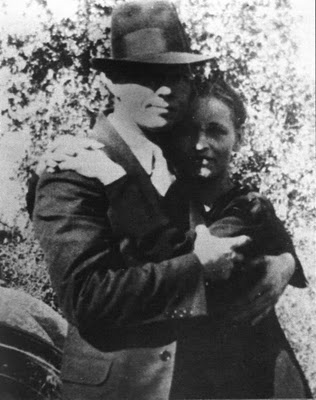
The Barrow and Parker surnames rarely feature on lists of reiver surnames, though they were there and were involved, albeit in a smaller capacity than the more notorious Armstrongs, Elliots, Scotts, Charltons and Robson, for example.
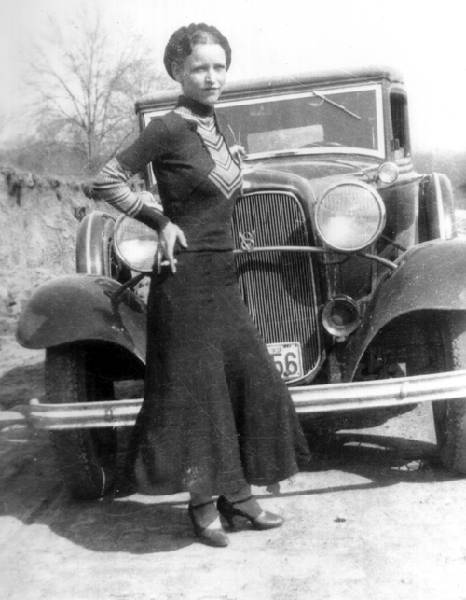
It’s a tantalising possibility that Bonnie and Clyde’s gun-fuelled robberies were a continuation of a lawless tradition running right back to the old country.
Former Westies gang member Mickey Featherstone may have had Northumbrian ancestry, and his associate Billy Beattie, Scottish.
Howie Winter of Boston’s Winter Hill Gang may also have had distant roots in the area going back to the Winters that ran with the criminal gypsy Faw gang in the 1700s, with some of them being transported to America around that time. William Winter’s body was hung in chains on the moor above Elsdon after hanging in Newcastle for the murder of Margaret Crozier of the Raw in 1791.
Several mobsters of Scottish descent are said to have formed the oldest crime syndicate in Canada, including the noted bootlegger Ben Kerr in the 1920s, while the bank-robbing Johnston brothers were major players in Montreal’s West End Gang.
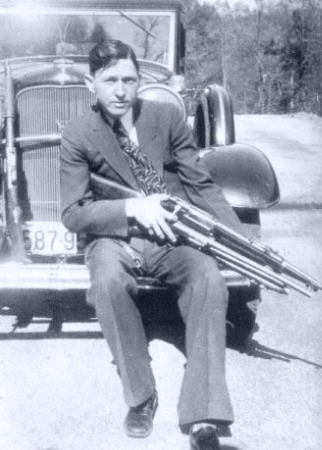
Many of the borderers that left the area, however, appear to have ended up in the rural American South and Appalachian Mountains.
The rebel Confederate ‘Bushwhacker’ gangs that stole cattle and horses and robbed trains and banks while brandishing six-shooters during, and in the aftermath, of the American Civil War were led by men such as William ‘Bloody Bill’ Anderson, Bill Reed and George M. Todd, who could all be possibly traced back to border reiver families.
With men riding in their gangs such as John Graham, S. Graham and Frank Graym; the Halls John, Joseph, two Roberts and Thomas, and John, Nathan and William B. Kerr, it is not impossible that at least some of the wild men were from families that had left for the New World.
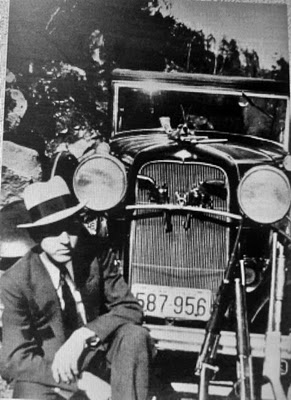
Other raiders with them also bore Border names, such as Thomas Bell, W.C. Bell, two men named Richard Burns, and Thomas and William Carr. James, John T. and Thomas Little; Ambrose and Thomas F. Maxwell; Hiram, Levi and Martin Potts; John Pringle; James Reed; Allen, Fernando and Sidney Scott; William P. Tate; Bob, James, Oliver and Oscar Thompson; Corteze Thomson; Robert and Thomas Todd; Frank, A.M., Henry and Milton Turner; John Watson and Joseph and George W. Young.
But surely the most infamous and romantic descendants of the border reiving gangs were riddled with bullets when their car was ambushed on a road in Louisiana in 1923.
Bonnie and Clyde might just encapsulate the wild reiver spirit more than anyone.
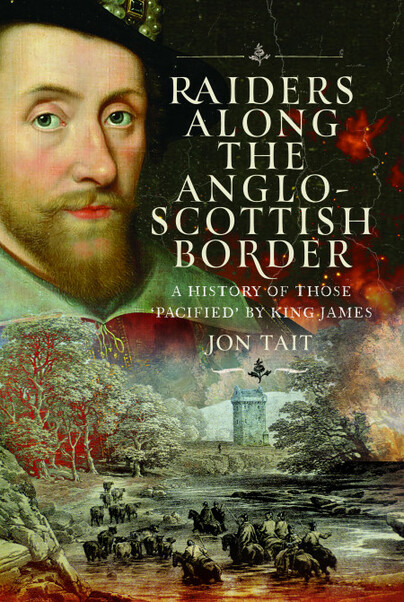
Jon Tait’s new book on the border reivers ‘Raiders along the Anglo-Scottish Border – A history of those pacified by King James’ is due out now.