5 Ways Alma Mahler pushed Boundaries as an Avantgardist
They called her a muse, but she was far more than that. Alma Mahler was one of the most influential cultural figures of her time. A composer, networker, and avant-garde force, she challenged the limits placed on women and reshaped the artistic world around her.
Women’s History Month guest post from Judith Grohmann.
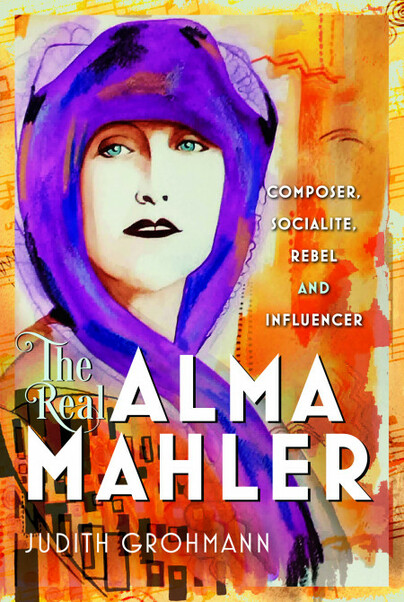
Alma Mahler-Werfel has often been reduced to a beautiful young woman who captivated the men around her, whether at her father Emil Jakob Schindler’s table or in the vibrant cultural circles of early twentieth-century Europe.
But this image does not do her justice.
The truth is that the Austrian Alma Mahler was far more than a charming presence. She was a composer, socialite, muse, rebel, and cultural influencer, but she was also a woman who continuously pushed boundaries in a world that tried to confine her. Her life and work reveal a figure who not only participated in the avant-garde, but actively helped to shape it.
Let me explain the five ways in which Alma Mahler redefined what it meant to be a woman in the modern age.
A Creative Woman Becoming a Composer in a Male-Dominated World
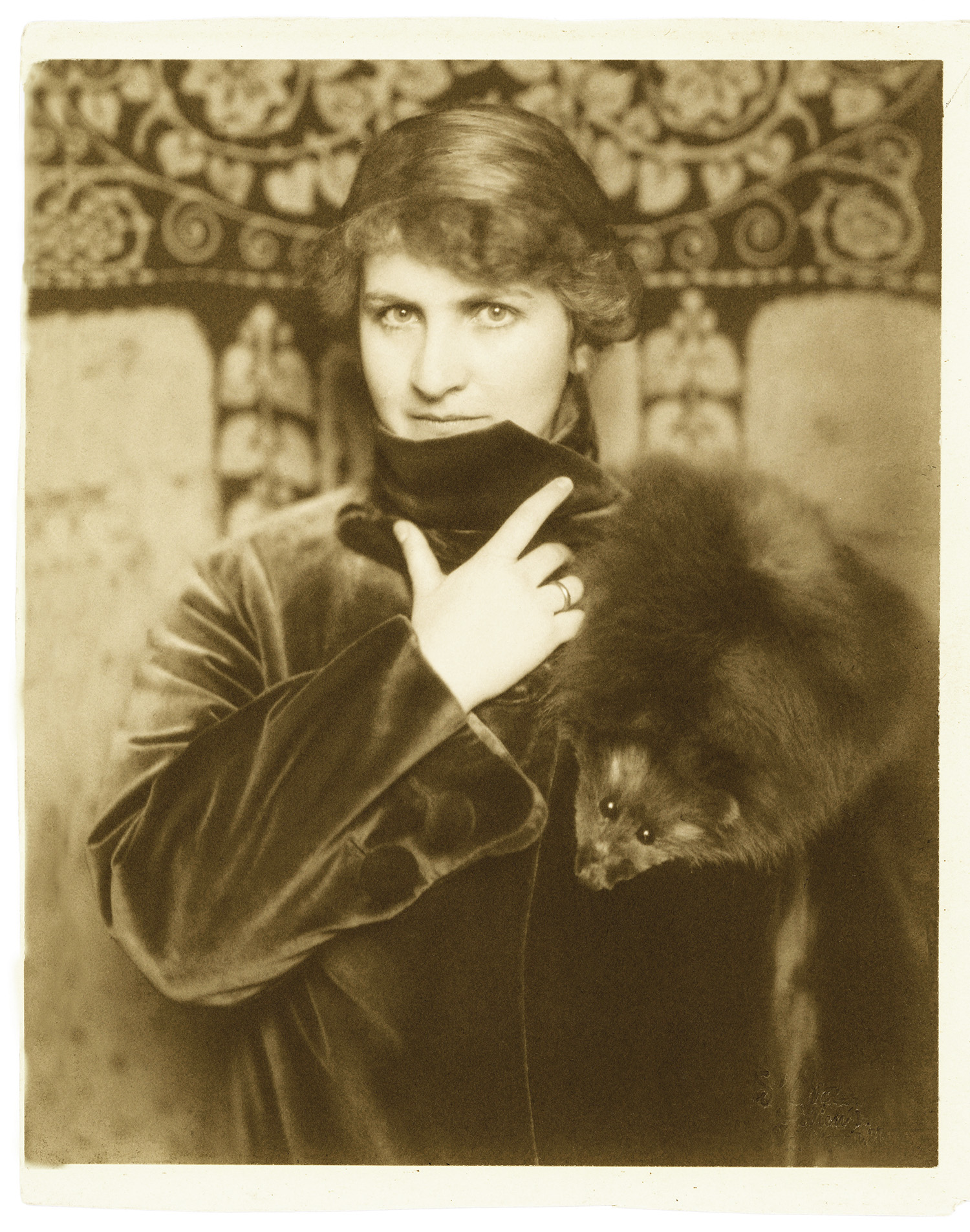
At the turn of the twentieth century, composition was mainly a male domain. Women were encouraged to perform music, but not to create it. Alma Mahler defied this expectation from an early age.
She studied composition seriously and produced a body of songs that demonstrated both emotional depth and technical skill. However her ambitions were curtailed when she married Gustav Mahler, who initially discouraged her from composing, insisting that there could be »only one composer in the household«.
Despite the abrupt end to a promising music career, Alma’s creative identity never disappeared. Her work, rediscovered and reassessed in later years, stands as a testament to her determination to exist as an artist in her own right, even when societal and personal pressures worked against her.
In this, she stood up against one of the most rigid boundaries of her time: the idea that family came first and that a woman’s creativity should remain secondary.
Redefining the Role of the Muse
Alma Mahler is often described as a muse, but this term can be misleading if understood passively.
In reality, she was an active intellectual and emotional force in the lives of some of the most important figures of modernism. Among them were Oskar Kokoschka, Walter Gropius, and Franz Werfel. She also moved within circles that included artists like Gustav Klimt.
Alma did not simply inspire. She engaged, challenged, and influenced the men around her. She acted as a creative hub, connecting disciplines such as painting, architecture, literature, and music. Her conversations, critiques, and emotional intensity often shaped the work of those within her circles.
In doing so, she redefined the muse not as a silent object of admiration, but as a catalyst for artistic innovation and a boundary-breaking shift in itself.
Living an Unconventional Romantic Life
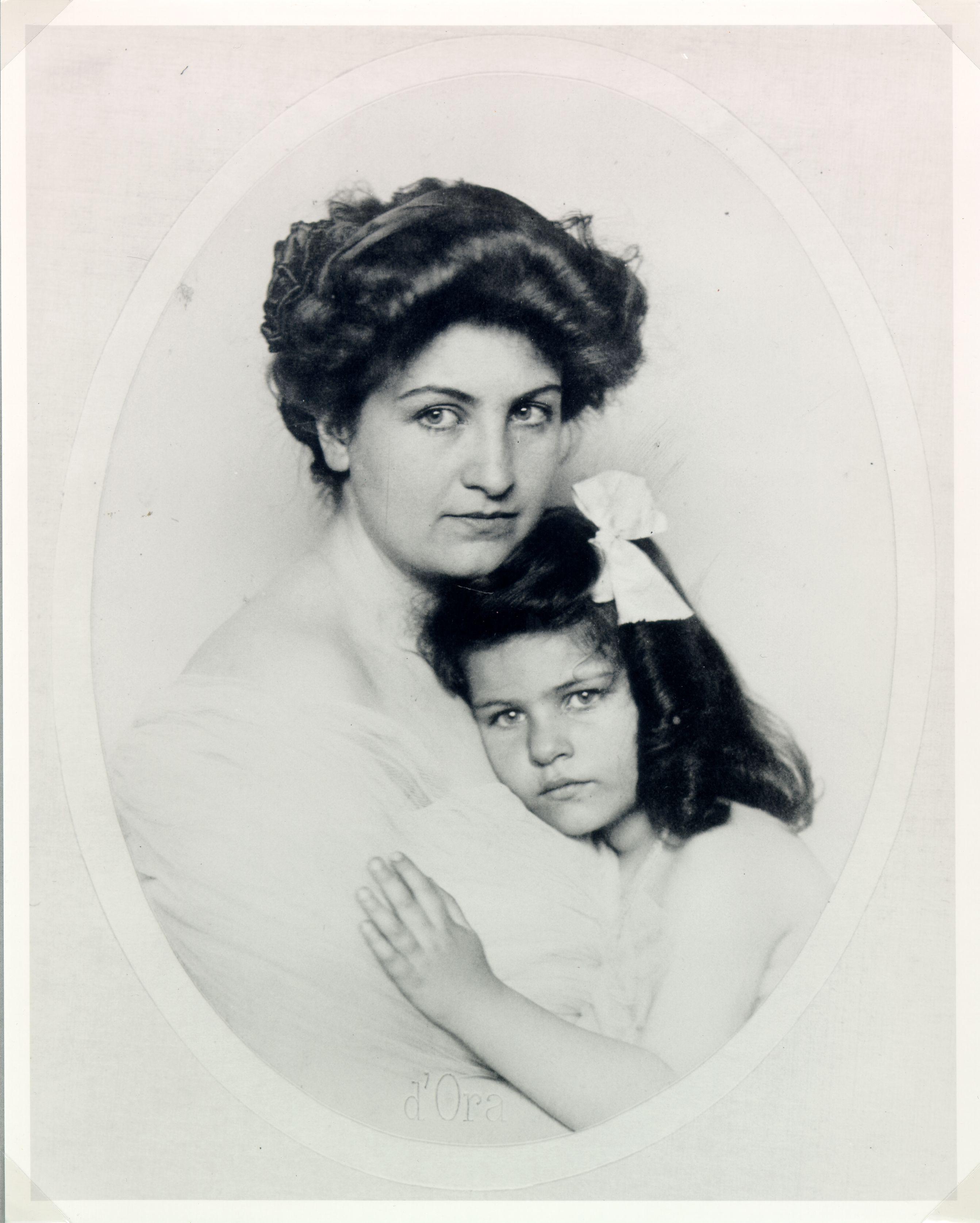
Alma Mahler’s personal life was as complex and unconventional as her artistic world. She pursued relationships with intensity and independence, navigating love, marriage, and desire on her own terms.
Her relationships, including those with her three husbands – the composer Gustav Mahler, the architect Walter Gropius, and the acclaimed author Franz Werfel – reflected not conformity, but a determination to live life to the fullest, but also authentically.
At a time when women were expected to embody modesty and restraint, Alma embraced instead what might be called today a form of early »free love«, forming and ending relationships without apology, while asserting a rare degree of emotional and economic independence while focusing on women’s autonomy.
This was not without consequence; her choices often attracted criticism. Nonetheless she persisted, asserting a form of emotional and personal autonomy contradicted the moral standards of her time.
Creating and Curating Elite Cultural Networks, the »Salons«
Alma Mahler was not only part of Europe’s avant-garde, she helped organise and sustain it. Through her »Salons«, she brought together artists, writers, architects, political figures and intellectuals, creating spaces where ideas could be exchanged freely and collaborations could emerge. These salons were not trivial social gatherings; they were incubators of modern thought.
Later, after emigrating to the United States, she continued this role, helping to connect European émigré intellectuals with American cultural life.
In this sense, Alma functioned as a cultural architect. She shaped networks, facilitated dialogue, and ensured that the avant-garde remained vibrant across continents.
This ability to curate and influence entire cultural landscapes was itself a powerful form of boundary-breaking, placing a woman at the centre of intellectual life rather than at its margins.
Resilience Through Personal Tragedy and Historical Upheaval
Alma Mahler’s life was marked by profound personal loss and historical disruption. She experienced the deaths of loved ones, including her dear and beloved father, her husbands Gustav Mahler and Franz Werfel and children, and she also lived through the political upheavals of the First and Second World Wars.
Forced into exile, she rebuilt her life in new countries, including Italy, Switzerland, France and the United States, navigating the challenges of displacement and cultural transition.
But through all of this, she remained a visible and influential figure. Her resilience was not passive endurance but active reinvention and a refusal to disappear despite the forces working against her.
In this, she pushed another important boundary: the expectation that women, especially those defined by relationships, would fade into obscurity after loss. Alma did the opposite: she persisted, adapted, and continued to shape the cultural world around her.
Conclusion
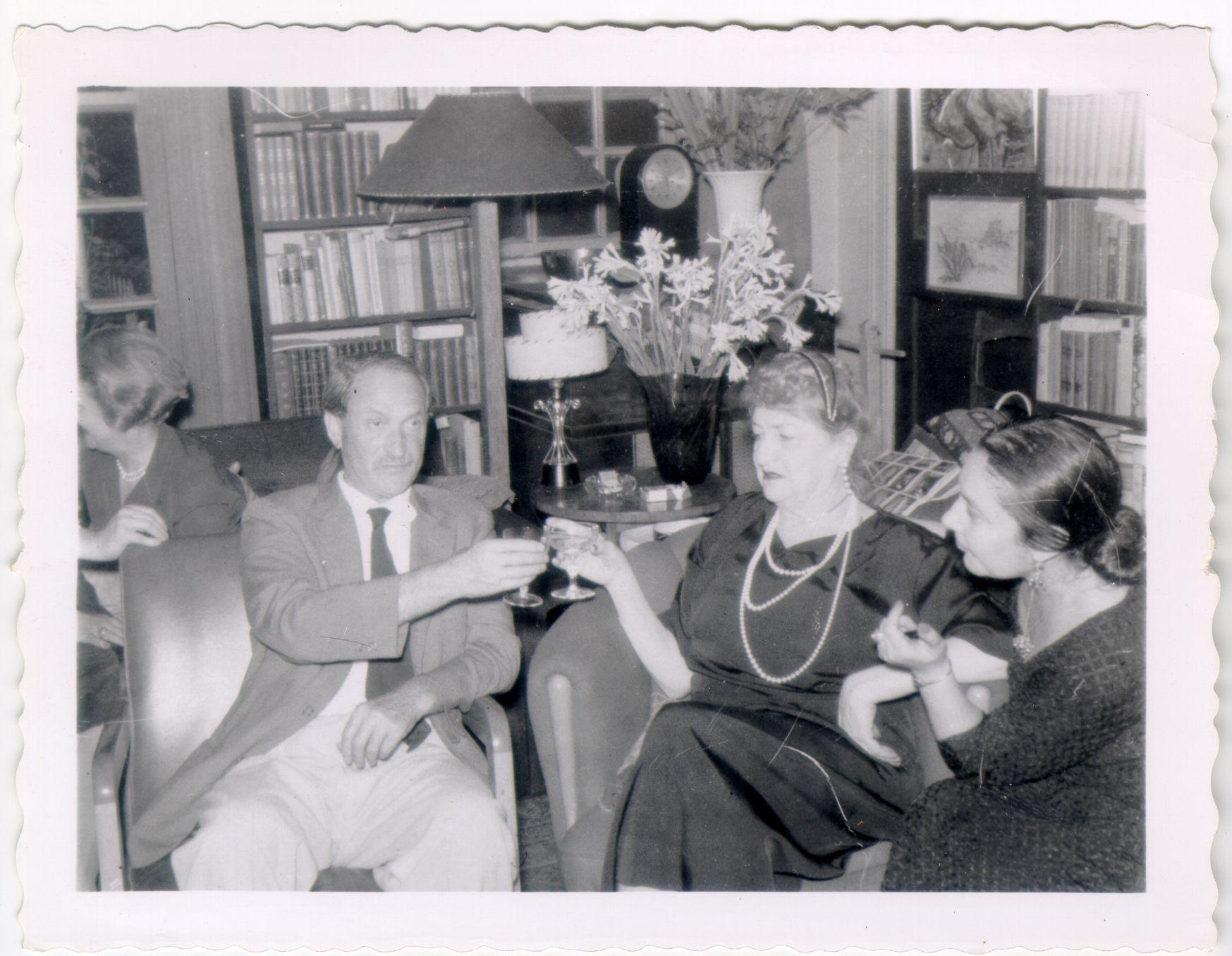
The life of Alma Mahler-Werfel cannot be easily categorized. She was not merely a muse, nor only a composer, nor simply a socialite. She was all of these – and much more.
By insisting on her creative voice, redefining the role of the muse, living an unconventional personal life, building powerful cultural networks with the help of her »Salons«, and enduring immense personal and historical challenges, she emerged as a truly avant-garde figure.
Her legacy reminds us that she transcended not only artistic, but also social and personal boundaries. In doing so, she helped shape the modern world in her time – not from the margins, but on the contrary, from its very center.
Judith Grohmann is a journalist, writer, and biographer specialising in politics, cultural history, and influential personalities of the modern era. Her work on »The Real Alma Mahler« highlights the complex role of women in shaping the artistic and intellectual movements of modern Europe.