5 Things You Didn’t Know about the Tudor Mother
Women’s History Month guest post from Stephanie Kline.
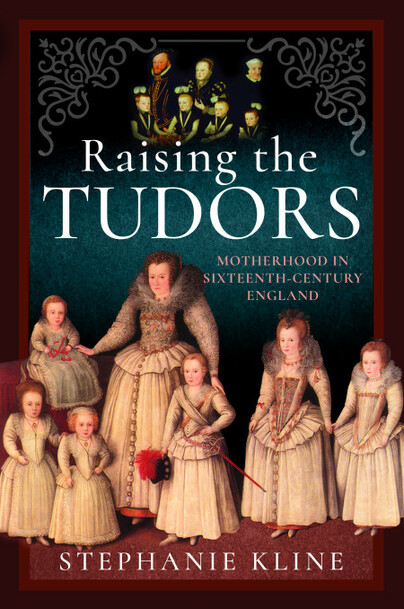
Sixteenth-century mothers: they’re just like us! Well, kind of. It’s true that there are many facets of motherhood that transcend time periods and connect women throughout the ages. A mother’s love for her children is one obvious example, which connects those of us in the modern ago to every mother living during any period of history. Indeed, there are many things that the modern woman would find in common and recognizable if she were to look into the lives of the mothers living in Tudor England – and I encourage you to do exactly that, by picking up my book Raising the Tudors: Motherhood in Sixteenth-Century England! But equally, there are many other details of Tudor motherhood that would surely surprise those of us living today. From attitudes directed towards women living during the period, to their sometimes strange and outlandish pregnancy and childbirth customs, and even to child-rearing practices – there is certainly much about the lives of Tudor mothers that could make us scratch our heads in confusion. Let’s take a brief look at just five of these examples.
1. Her womb was known to wander
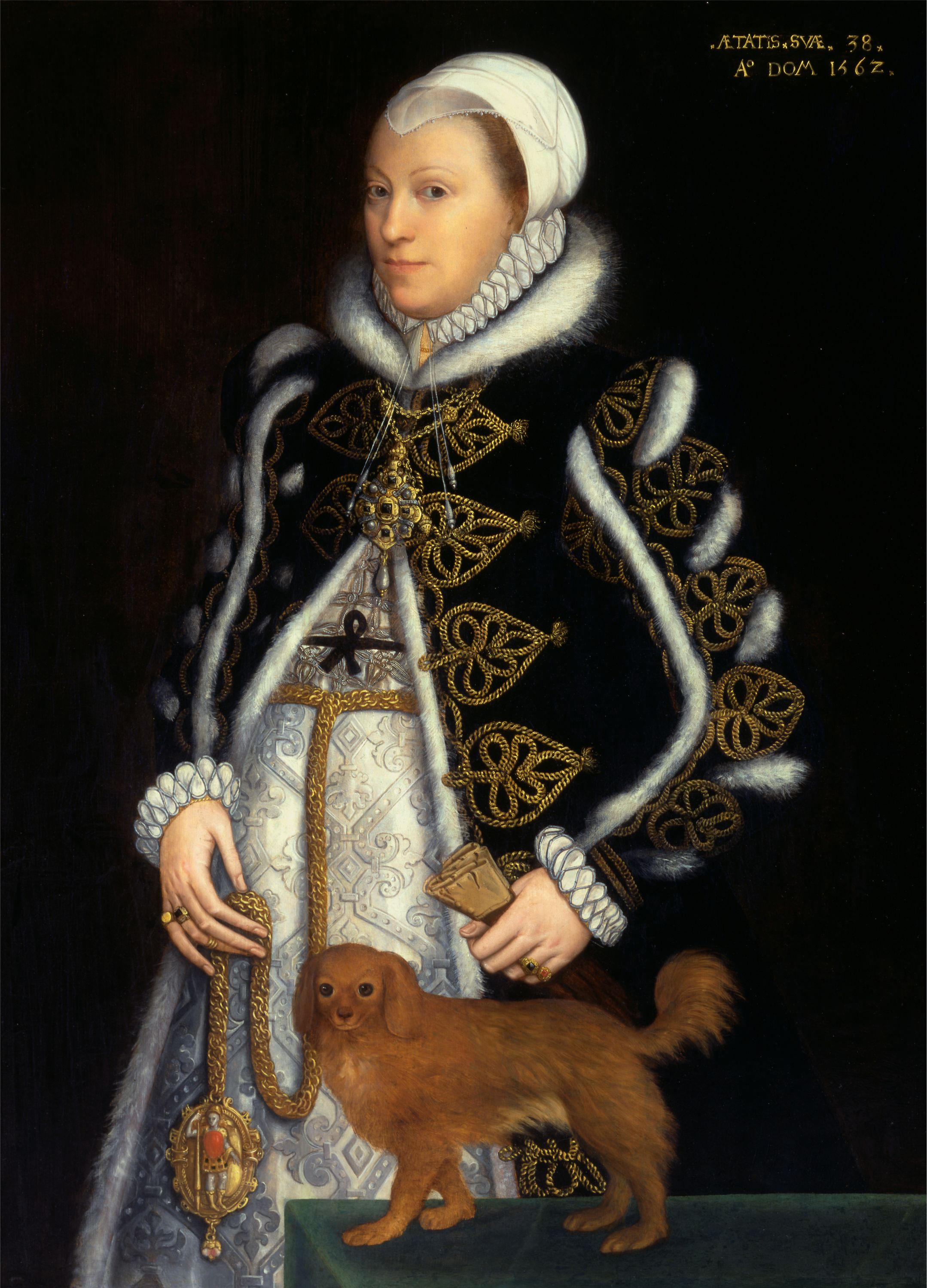
Yes, you read that correctly. The Tudor understanding of a female’s anatomy declared that the womb (uterus) was not a stationary organ within the body. In fact, it was believed that this ‘container organ’ was actually a living creature capable of movement inside of a woman, and this movement could have dire consequences for the woman’s health. Depending on the direction that it ventured, it could either have an impact on her menstruation, her mental state, or in some cases cause her to fall ill. Worse still, if it travelled too far upwards, it could collide with her diaphragm, causing her to suffocate. And while this general theory was not accepted by all (having started during the time of the Ancient Greeks, but meeting with controversy even then), it created a fair amount of anxiety and worry among women and their physicians during the sixteenth century. The remedies? Teas, herbal concoctions, and fumigations that were designed to either repel the organ away from one part of the body or draw it closer. But the best cure of all was deemed to be frequent sex – only with one’s husband, of course. The act of becoming – and staying – pregnant as often as possible was almost a sure bet that that pesky uterus would stay right where it belonged.
2. She believed she could influence the sex of her baby
One of the more interesting sexual practices of the married Tudor couple was their intended influence on the sex of their unborn child. It was a commonly-held belief of the time period that there were certain things that the couple could do in order to conceive a male child versus a female (and in sixteenth-century England, this was generally the preference). For one thing, a woman who lay on her right-side during intercourse was increasing her odds of conceiving a boy, as the right side of the body was associated with maleness. She could also ensure that a ribbon was tied around her husband’s left testicle, in order to prevent any female sperm from entering her. One writer from the period even touted that certain foods should be eaten before intercourse in order to improve those male odds – like the herb English Mercury, or the right testicles of certain animals (a delicacy that her husband was encouraged to partake in as well).
3. She often gave birth seated in a chair
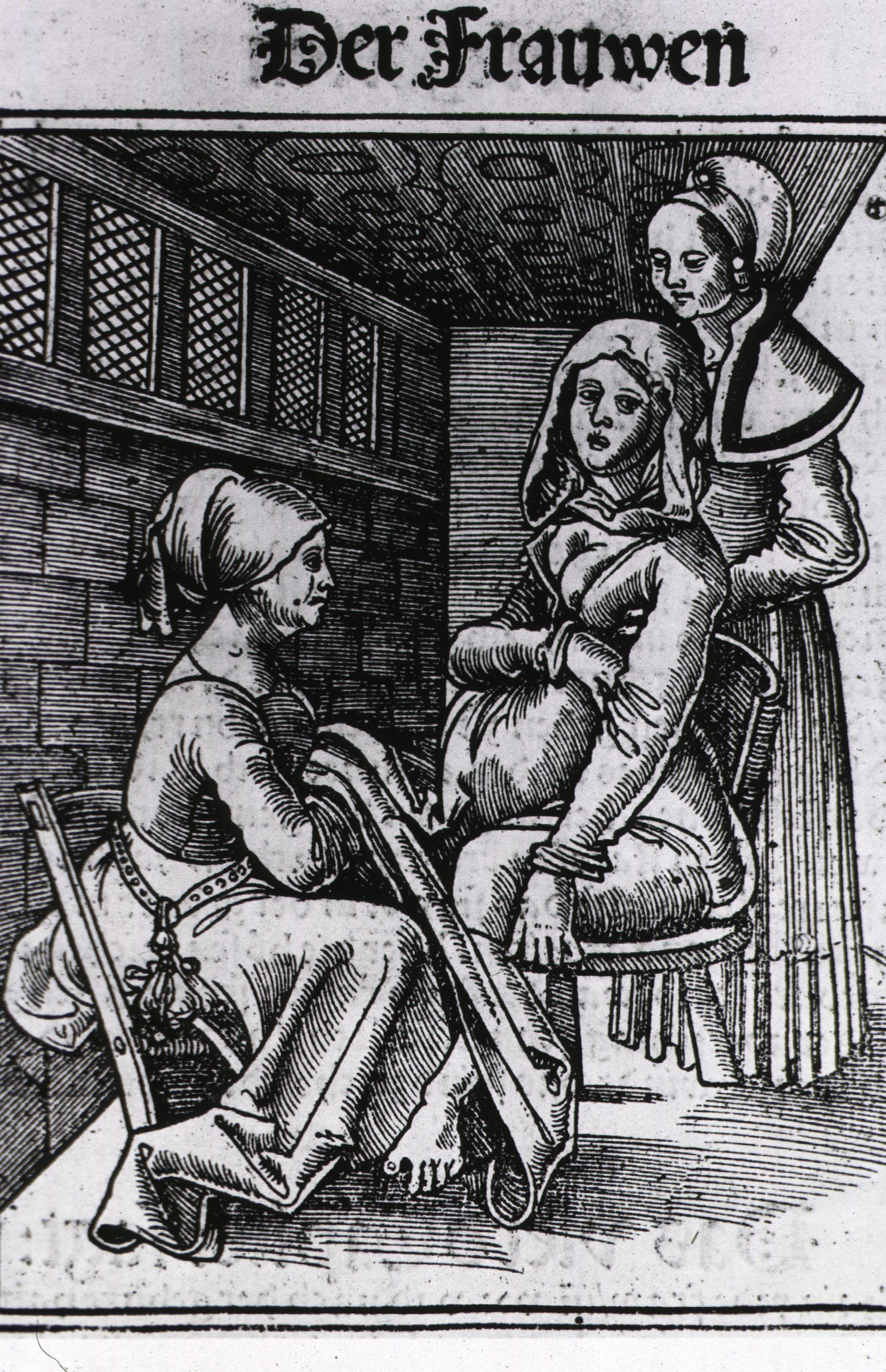
Okay, it wasn’t really a ‘chair’ by our modern standards – but it was a stool, of sorts. The ‘woman’s stool’ was introduced to England during the sixteenth century, and it featured a horseshoe-shaped seat, designed to rest the woman’s thighs as she bore down in labour. The wide opening in the centre of the stool was self-explanatory enough – allowing for a waiting midwife (or other female birthing companion) to catch the baby as he or she was born. Of course, this woman’s stool was one of many options for labouring positions that a sixteenth-century woman had available to her, but it became increasingly popular as the century wore on and the stool was circulated among women across social classes.
4. She was no stranger to discipline – or corporal punishment
Now, before you judge the her too harshly, it’s important to remember that the Tudor mother was operating under the expectations of her time. It was not appropriate to have an ill-behaved child, nor was it acceptable to tolerate back-talking, foul language, or flagrant disobedience. Thus, strict discipline (to include the physical sort) was considered to be the norm among Tudor parents. It was well documented by writers of the time – both by the writers of plays that detailed the social customs of the time, as well as personal diaries and letters that described the goings-on of daily domestic life. Dr John Dee wrote one such diary entry in 1589, where he noted that his own seven-year-old daughter had been given a ‘blow on the eare’ by her mother. Of course, the degree to which mothers of the period engaged in corporal punishment likely varied a great deal – from those who chose not to use it at all, to the women who were so brutal that they murdered their own children… but those are stories for another time.
5. Her teenaged children were usually sent away… while she took in different teenagers
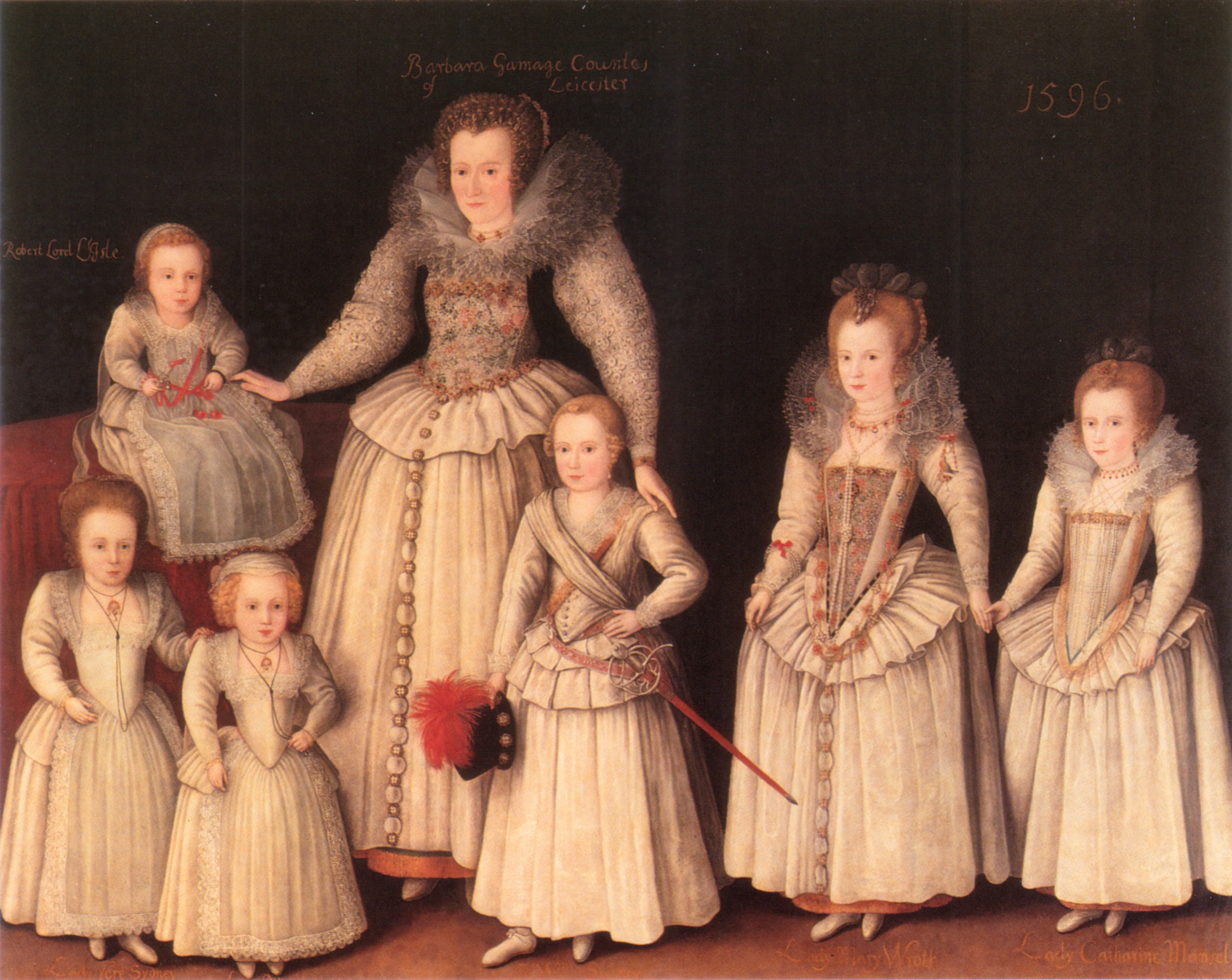
While upper-class sons were sometimes sent out of the home for higher education, those of the lower classes needed to start their working lives early. This was true for both boys and girls, who were sent to various on-the-job learning and working opportunities as they reached adolescence. Boys might be sent as farm labourers, merchants’ assistants, or apprentices, while girls were usually sent into household servitude, child caretaking roles, or other domestic training positions. But the Tudor mother (and father) was not being unkind or dismissive as her children were sent off into the world. In fact, this was seen as a necessary step as her children moved forward into the next chapter of upcoming adulthood. And even as she bade them farewell, she often welcomed other adolescents into her home or place of employment for exactly the same purpose. She also clearly missed them a great deal, as evidenced by the many letters that survive between Tudor mothers and their adolescent children during their years away from home.
Order your copy here.