The Sinking of the Mary Rose
Paul Kendall, the author of Henry VIII in 100 Objects, recounts the events that resulted in Henry VIII’s favourite warship being lost in the Solent on 19 July 1545
On 19 July 1545, as Henry VIII watched from Southsea Castle, one of the most famous ships in the Tudor navy suddenly disappeared beneath the waters of the Solent. Mary Rose, long regarded as one of the king’s favourite warships, sank during a confrontation with a large French invasion fleet. Her loss was shocking, not only because of the scale of the tragedy, but because it happened within sight of the king and his court.
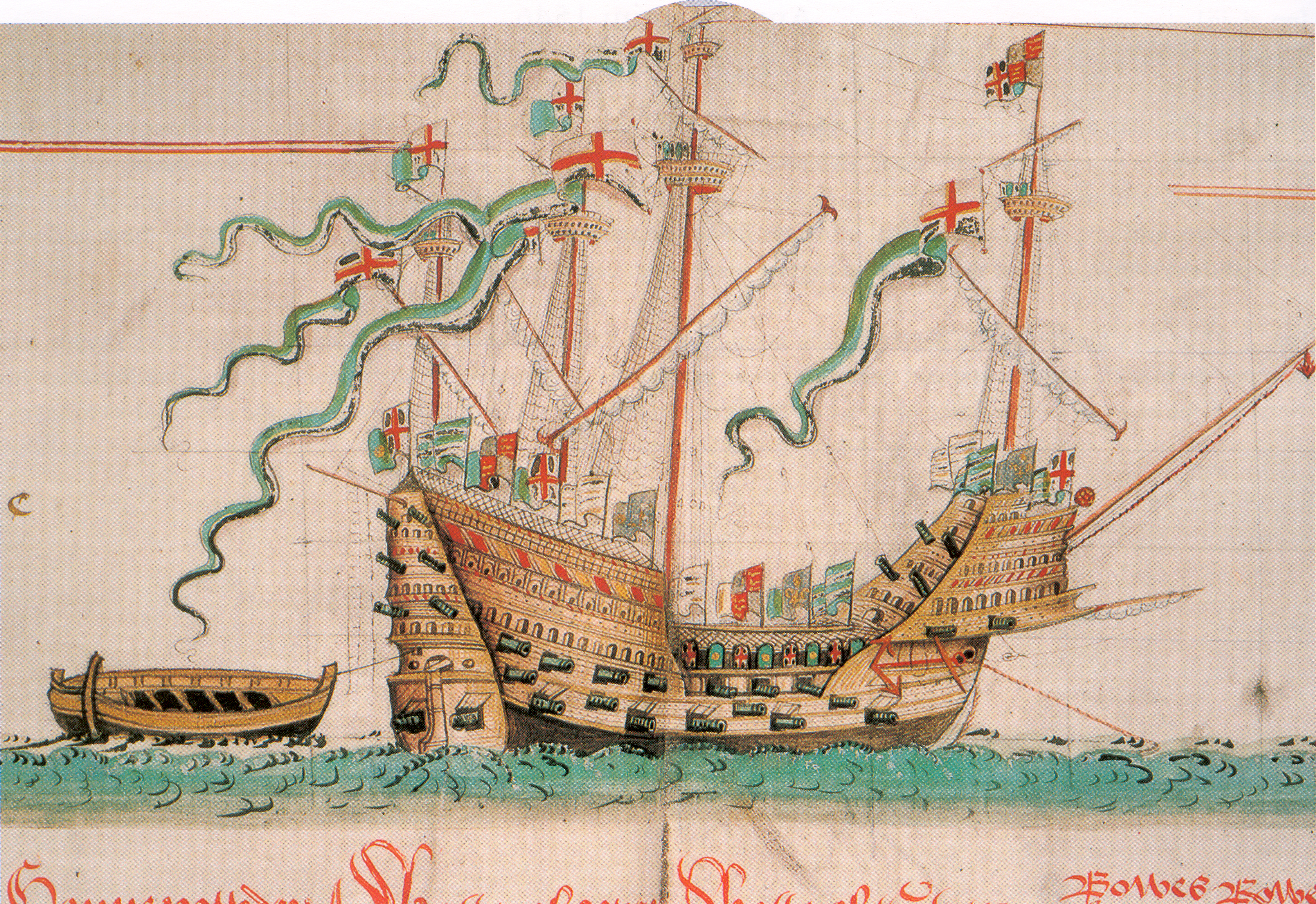
Only weeks earlier, Mary Rose had been anchored off the Downs in Kent with other English warships, supporting the English occupation of Boulogne. When Admiral Claude d’Annebault’s French fleet sailed towards Portsmouth, the English ships were ordered to respond. By 19 July, the French had reached the eastern approach to the Solent and anchored near St Helen’s Point on the Isle of Wight. The English fleet, commanded by High Admiral John Dudley, Lord Lisle, moved out from Portsmouth to meet them.
The threat was serious. Contemporary estimates suggest that the French fleet may have included more than 200 vessels and carried tens of thousands of soldiers. Its aim was to threaten England and, if possible, reverse Henry’s break with Rome. Henry had gathered troops around Portsmouth and Southsea, expecting that the French might attempt a landing. The previous day, he had dined aboard the great ship Henry Grace à Dieu with Lord Lisle and Sir George Carew, captain of the Mary Rose. During that gathering, Carew was appointed Vice-Admiral.
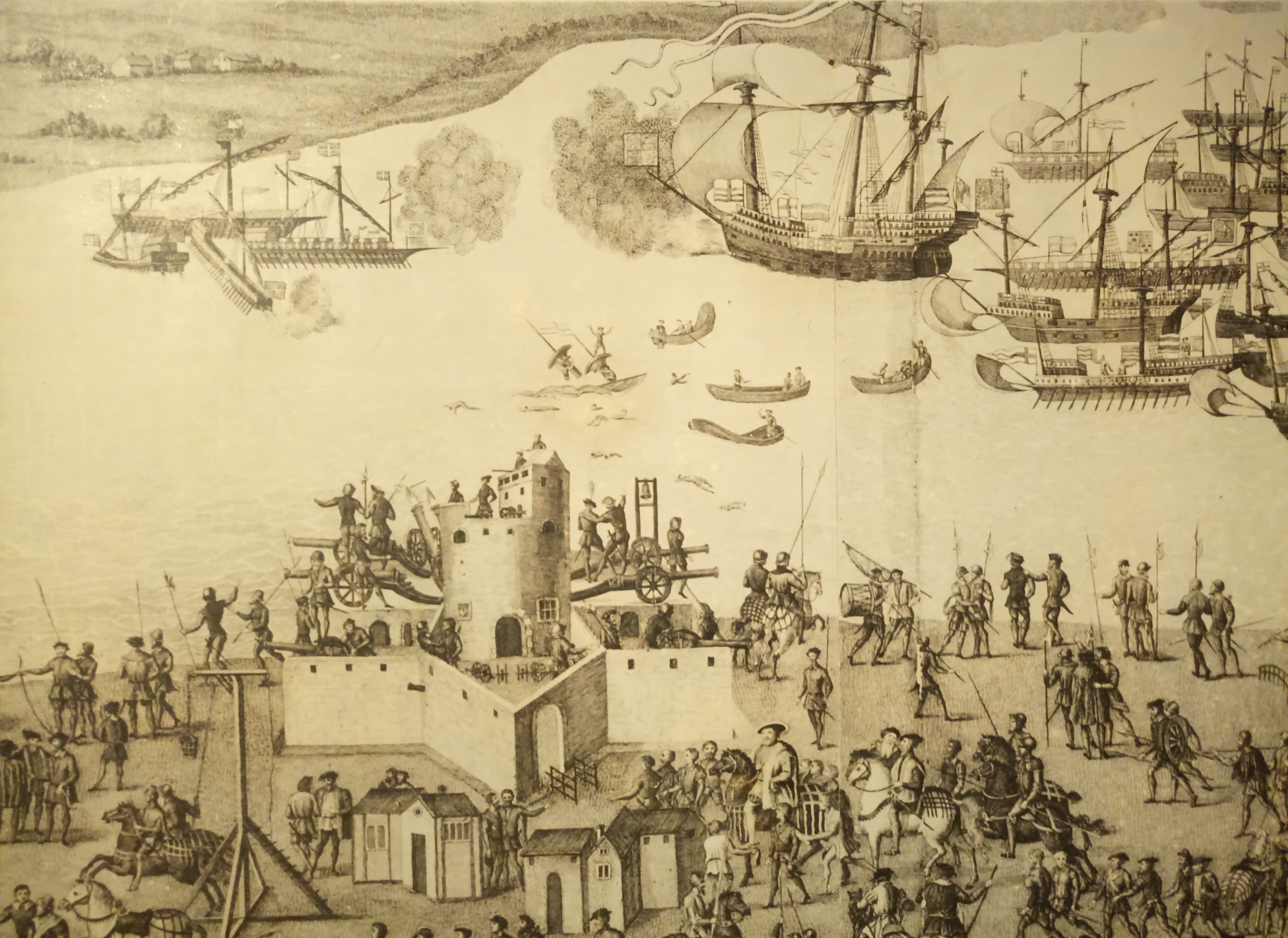
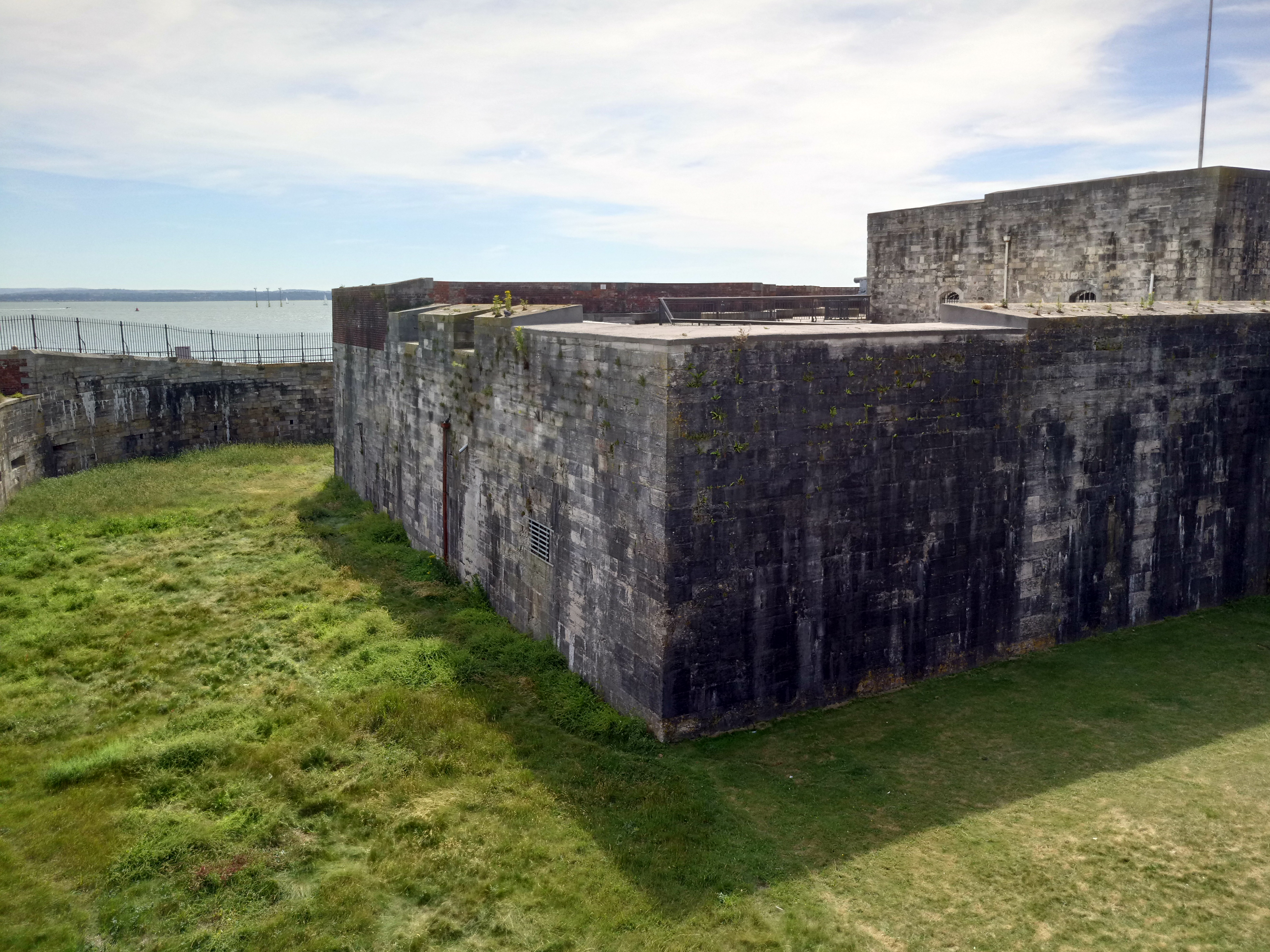
By late afternoon on 19 July, both fleets were positioned in and around the Solent. The English ships lay close to Portsmouth, while the French were off the Isle of Wight. French galleys, which could move by oar even in calm conditions, advanced and opened fire. The larger English ships were less manoeuvrable in the light wind. During this action, Mary Rose heeled over and sank about a mile from Southsea, close to the area where Spit Sand Fort stands today.
The human cost was dreadful. The Anthony Roll records that the ship carried mariners, soldiers and gunners, and most accounts agree that only a small number survived. Around 400 men are believed to have drowned. Lady Carew, the captain’s wife, was said to have been present with the king as the disaster unfolded. For Henry, the loss was both personal and political: his prized warship had sunk in full view of the shore while England faced the threat of invasion.
Why did Mary Rose sink? That question has never been settled beyond all doubt. The French claimed that their guns had destroyed her, and the French eyewitness Martin de Bellay later wrote that the ship was sunk by artillery fire. English sources, however, tended to blame accident, poor handling or dangerous design. One widely repeated explanation was that the ship’s lower gun ports had been left open after firing. As the vessel turned, water rushed in, making recovery impossible.
A report by François van der Delft, the ambassador of Emperor Charles V at the English court, supports this version. He recorded that a Flemish survivor said the ship heeled in the wind and water entered through the lowest gun ports, which had remained open after the guns were fired. Edward Hall gave a similar account, writing that the ship was heavily armed, low in the water and vulnerable when turning. These accounts suggest that a combination of open ports, heavy ordnance and sudden movement may have caused the catastrophe.
The battle did not end with the sinking. With the masts of Mary Rose still visible above the water, fighting continued into the next day. The French galleys remained dangerous because they could attack even when the wind failed. On 21 July, French troops landed on the Isle of Wight near Bembridge and burned several houses, but they met resistance and failed to establish a lasting foothold.
Admiral d’Annebault eventually withdrew. The invasion had not succeeded, and the French fleet moved away from the Solent before attacking towns along the coast on its journey home. In a twist of history, d’Annebault returned to England the following year to help ratify a peace treaty between England and France at Hampton Court Palace.
Although England had avoided invasion, the sinking of Mary Rose was a severe blow. The ship represented Henry’s ambition to build a powerful navy and defend England through sea power and coastal fortification. Her loss exposed the risks of that ambition. It was also a financial disaster: a major royal warship, its guns and much of its equipment had vanished beneath the water.
Attempts to recover the ship began almost immediately. Within weeks, Venetian mariners were hired to raise her from the seabed. Some sails and rigging were recovered, but the attempt to lift the hull failed. For centuries, Mary Rose lay buried in the Solent, remembered as a Tudor disaster but hidden from view.
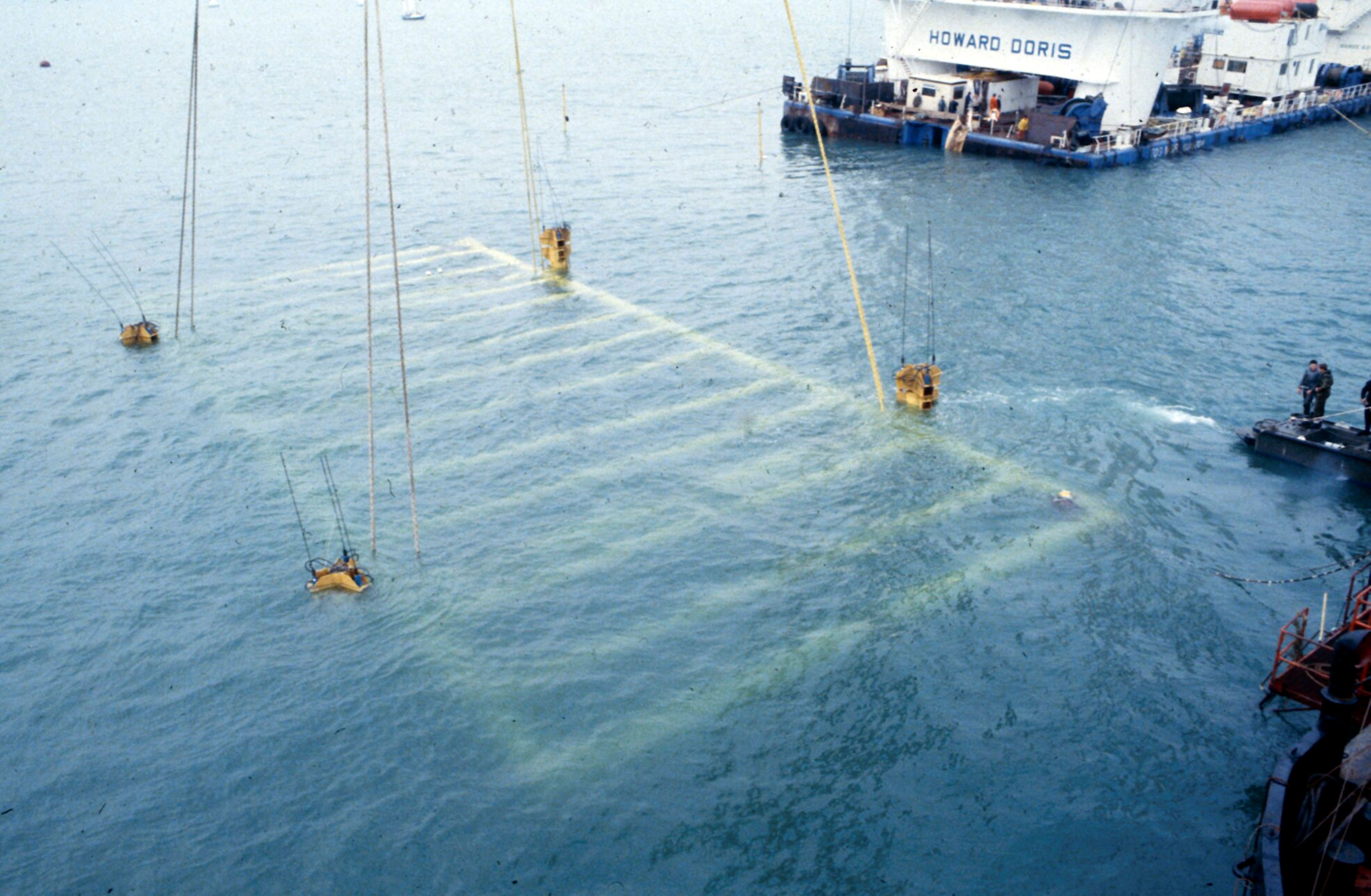
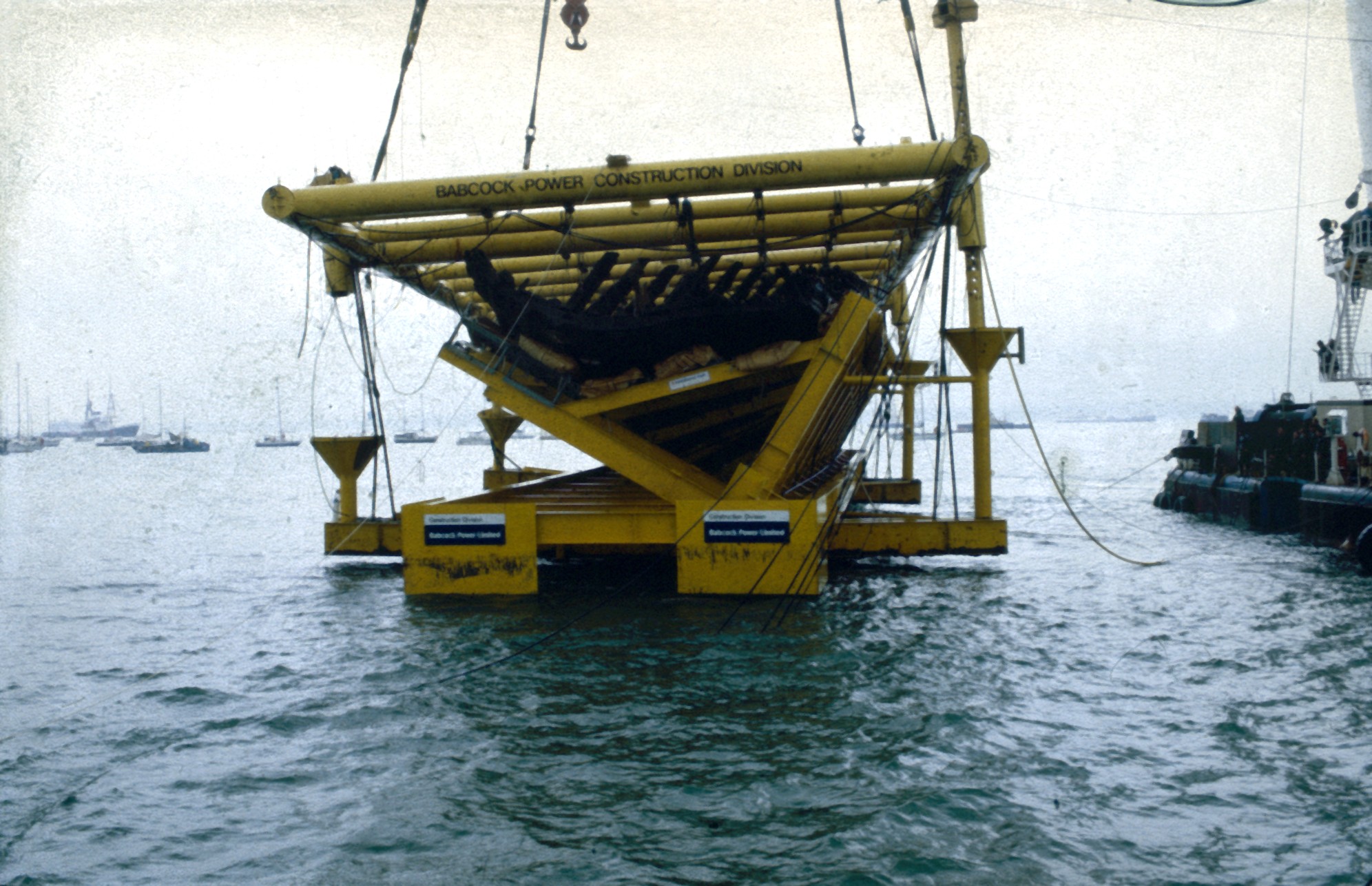
The wreck was rediscovered in 1836 by divers John Deane and William Edwards while they were searching for HMS Royal George. They recovered weapons and other material, but excavation was difficult and expensive. Modern archaeological work eventually transformed the story. On 11 October 1982, the surviving hull of Mary Rose was raised in a carefully planned operation watched by millions.
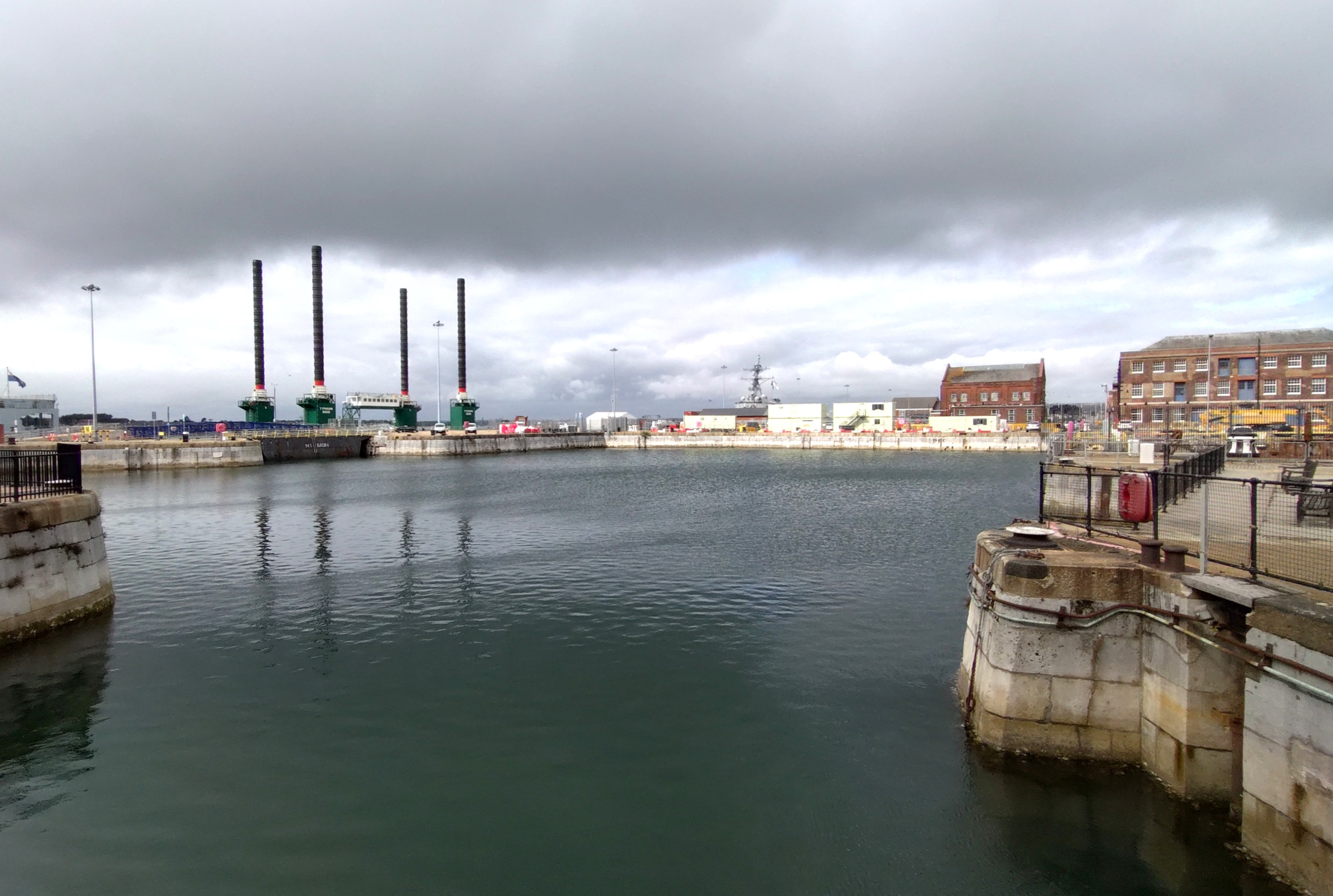
Today, Mary Rose is on display at Portsmouth Historic Dockyard, close to the waters where she sank. Her remains, together with thousands of recovered objects, offer an extraordinary glimpse into Tudor naval warfare and everyday life at sea. The ship’s story endures because it combines drama, mystery and archaeology: a royal warship lost in moments, then recovered more than four centuries later.
The sinking of Mary Rose remains one of the defining naval disasters of Tudor England. It was a battlefield tragedy, a political embarrassment and, ultimately, an archaeological treasure. More than anything, it reminds us that history often survives not only in chronicles and royal records, but in the objects lifted from the seabed and the human stories they reveal.

Order your copy here.