CHARLES DICKENS AT BROADSTAIRS
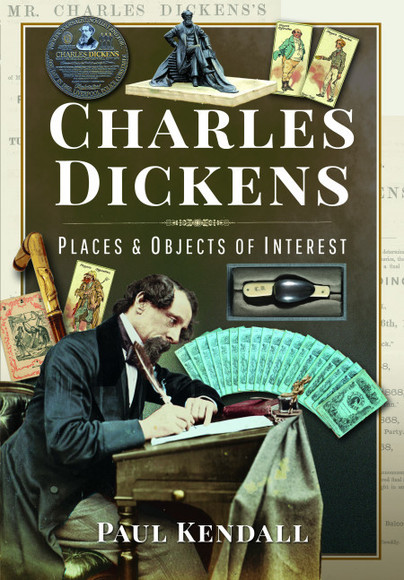
Sparked by the recent discovery that one of Charles Dicken’s favourite homes is now partially open to the public as a café and antiques shop, Paul Kendall, the author of Charles Dickens: Places and Objects of Interest, recounts part of the Victorian author’s links to the coastal resort of Broadstairs.
As we approach the peak of the summer holiday period, people look forward to spending time by the sea at one Britain’s seaside resorts. The eminent Victorian author Charles Dickens was no exception.
Born in Portsmouth on 7 February 1812, and raised in Chatham during part of his childhood, Dickens lived close to the water for much of his youth. As his literary career began to flourish, Dickens could afford to live by the sea during the summer months. Broadstairs in Kent was his favourite destination from 1837 through until 1862, this being a period in which he visited the town on nineteen occasions.
While still basking in the success of The Pickwick Papers, Dickens first visited Broadstairs for two weeks during September 1837. At that point, he was still writing the final instalments, while also engaged in penning the early editions of Oliver Twist.
Reaping the financial rewards earned from these two serials, Dickens could afford to lease 12 High Street in Broadstairs. The building is now No.29 High Street and is close to the Prince Albert and the Crown public houses which served pints during Dickens’ lifetime.
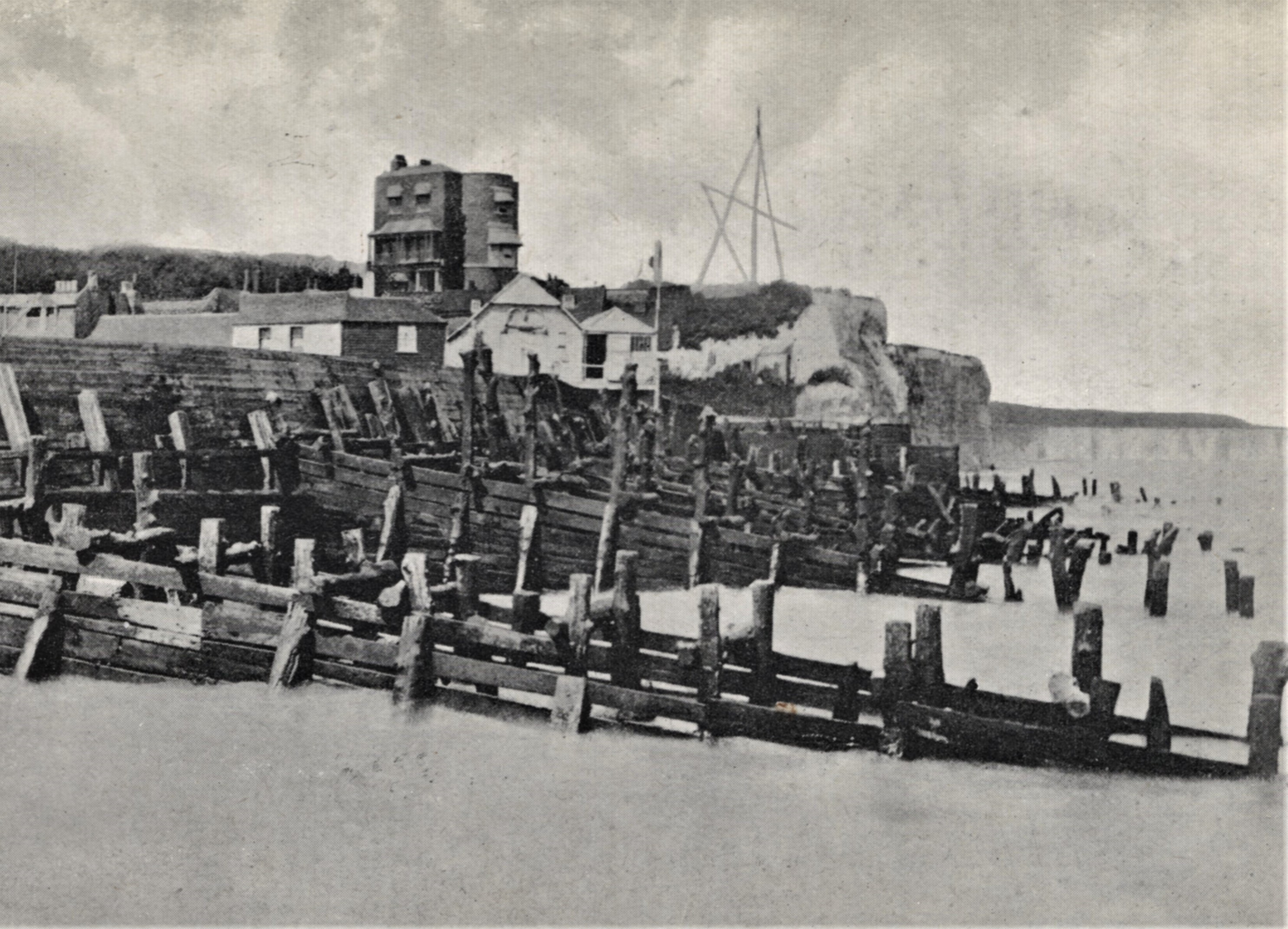
Dickens described Broadstairs in a letter to Professor Felton dated 1 September 1843: ‘This is a little fishing village; intensely quiet; built on a cliff, where on – in the centre of a tiny semi-circular bay – our house stands; the sea rolling and dashing under the windows. Seven miles out are the Goodwin Sands … whence floating lights perpetually wink after dark, as if they were carrying on intrigues with the servants. Also, there is a big lighthouse called the North Foreland on a hill behind the village, a severe parsonic light, which reproves the young and giddy floaters, and stares grimly out upon the sea. Under the cliff are rare good sands, where all the children assemble every morning and throw up impossible fortifications, which the sea throws down again at high water.’
Dickens was an avid walker and it was common for him to walk many miles each day. While at Broadstairs he would walk along the beach, beneath the chalk cliffs at low tide, to Ramsgate. From Broadstairs he could walk to Canterbury or Dover within one day.
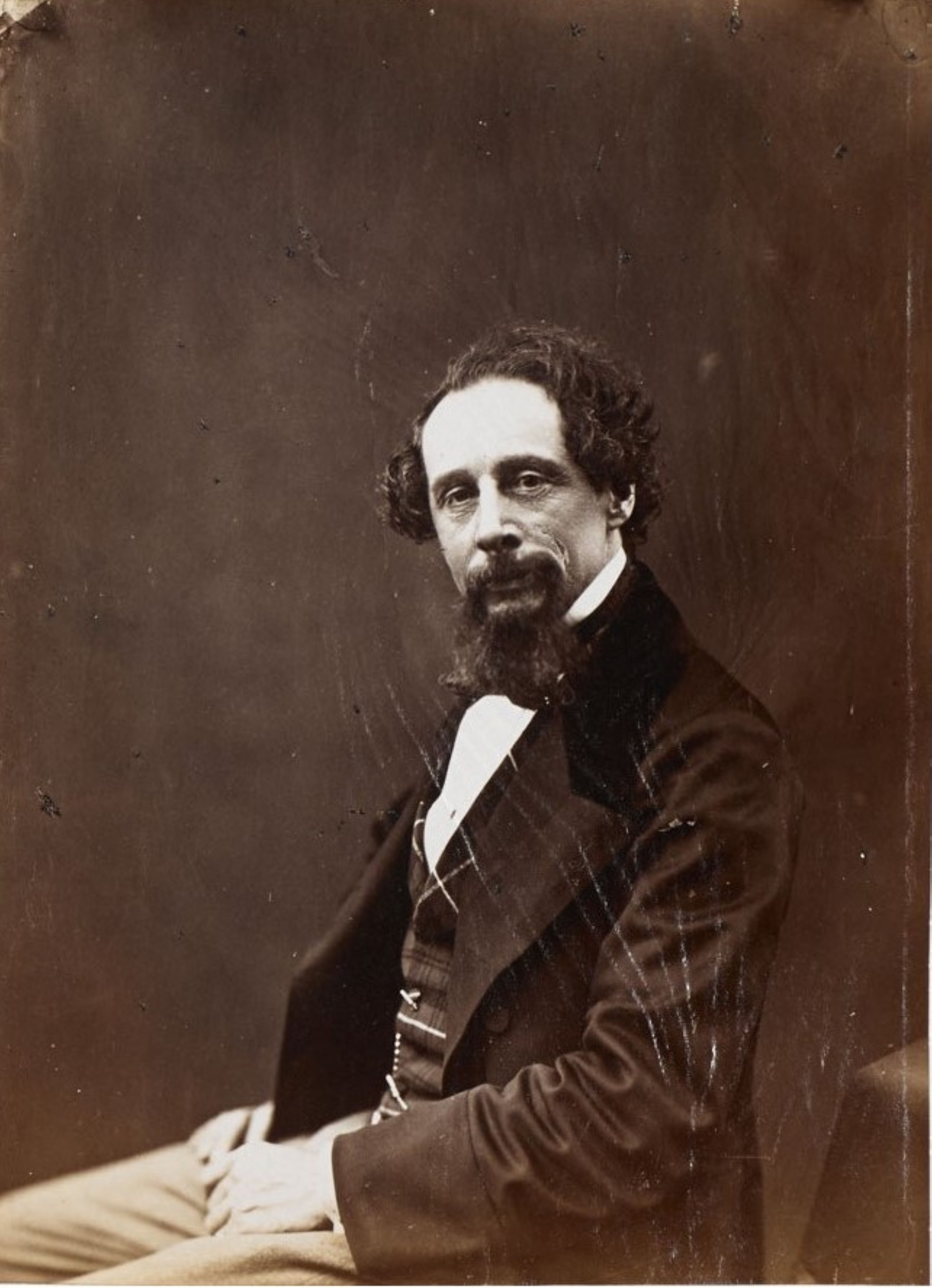
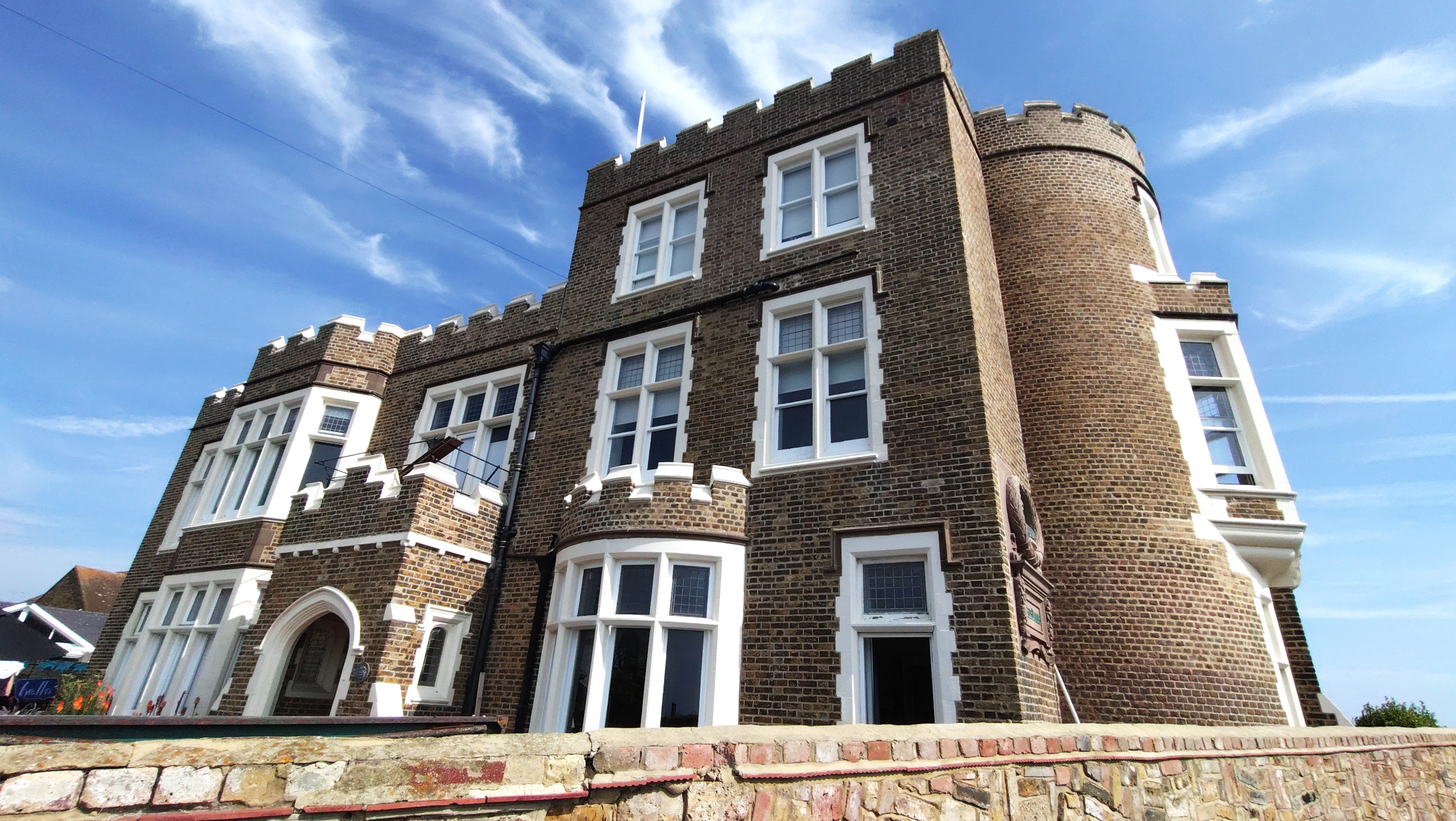
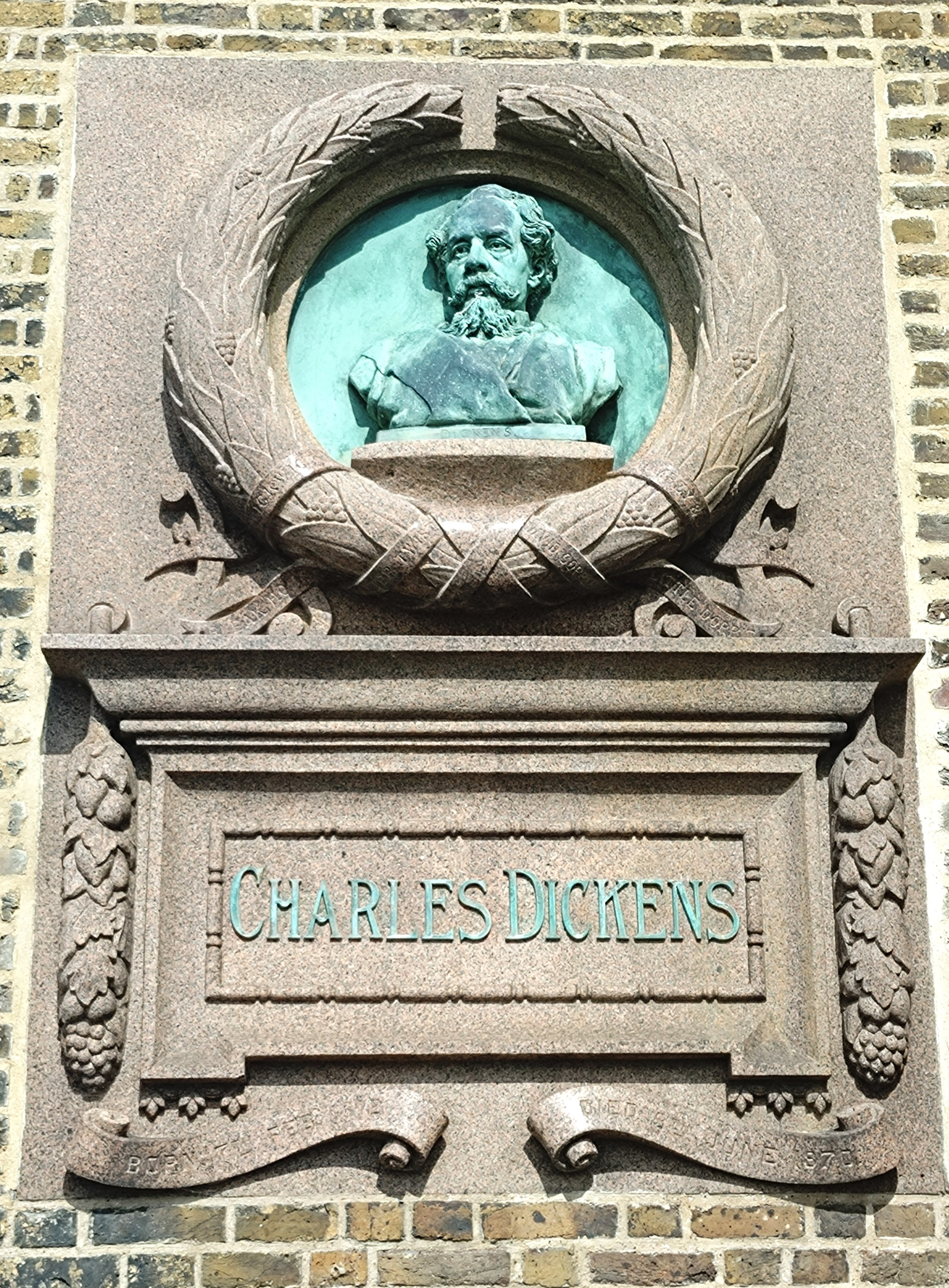
Aside from 12 High Street in Broadstairs, there are many other buildings in the resort linked with Dickens – many of which are explored by Paul Kendall in his book Charles Dickens: Places and Objects of Interest. These include No. 37 Albion Street, Lawn House, No.7 Victoria Parade and the home of Betsey Trotwood and the Dickens House Museum. There is also Fort House – which is today known as Bleak House.
During his regular visits to Broadstairs, Dickens began searching for a more permanent base, a house that he could lease for the duration of the summer. The alleyway that led from Lawn House, which he occupied during 1840, passed along the western wall of the garden of Fort House, which he became increasingly keen to occupy. An opportunity finally arose during the summer of 1850, at point Dickens obtained the lease for Fort House.
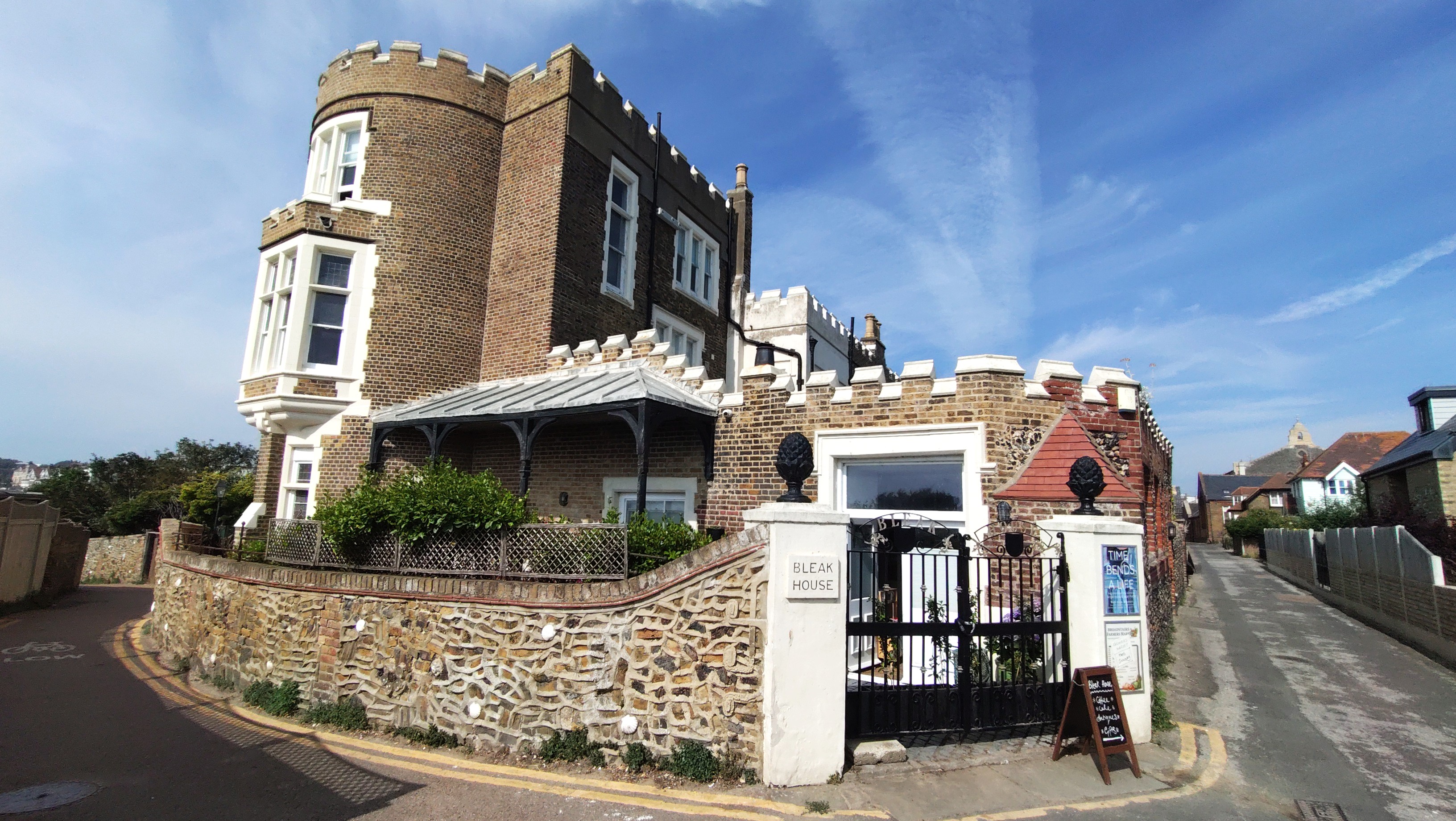
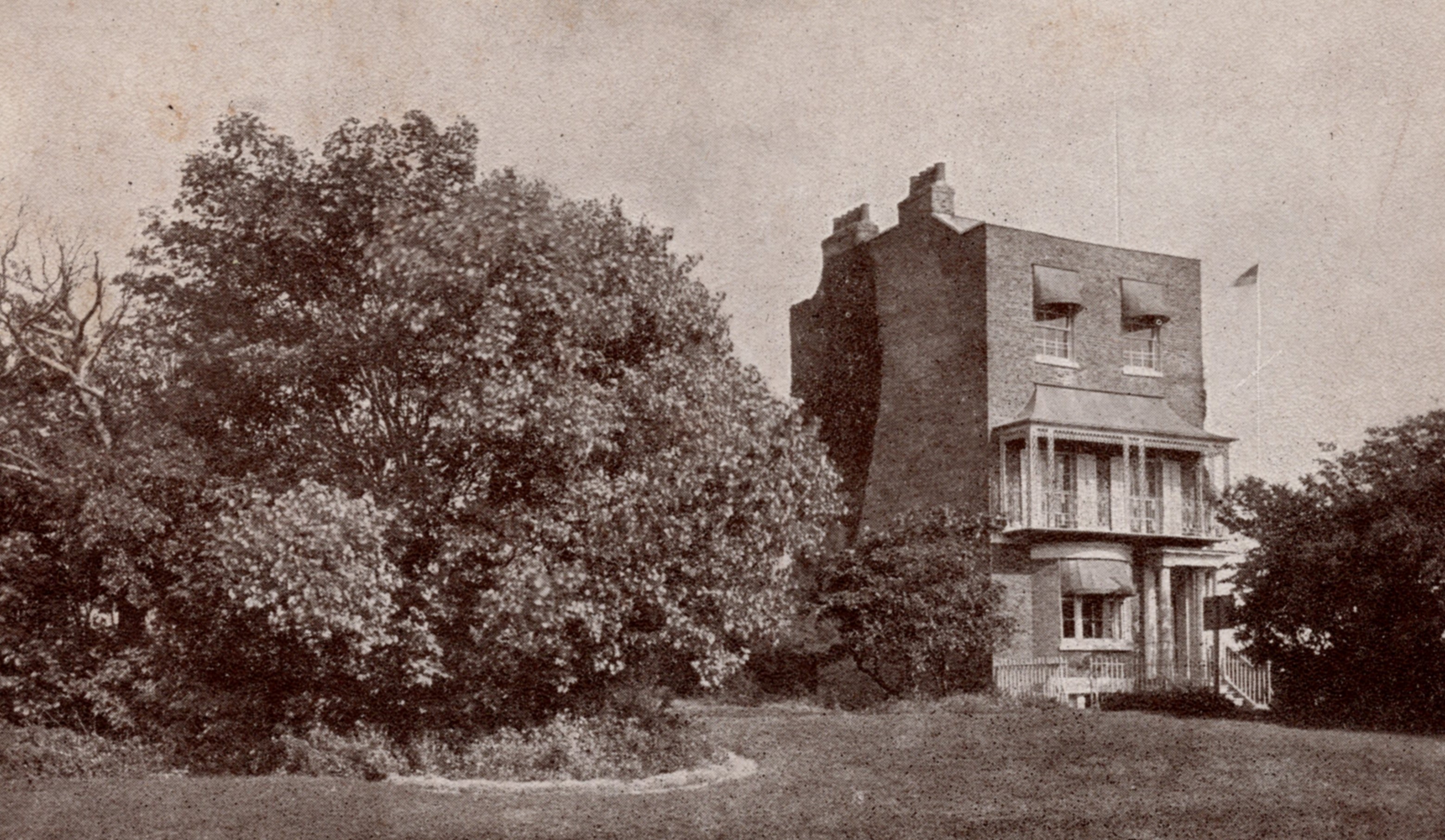
Built in 1801, Fort House became Dickens’ home during the summer months from 1850 until 1859. Perched on the cliffs at Broadstairs, the property enjoyed panoramic views of Viking Bay, the English Channel and the Goodwin Sands. There was a cornfield between the house and the beach, which made the sea easily accessible. Dickens invited the Reverend James White to Fort House during 1850 in the following letter: ‘I have taken a house at Broadstairs, from early in August until the end of October, as I don’t want to come back to London until I shall have finished “Copperfield,” I am rejoiced at the idea of going there. You will find it the healthiest and freshest of places; and there are Canterbury, and all varieties of what Leigh Hunt calls “greenery,” within a few minutes railroad ride. It is not very picturesque ashore, but extremely so seaward; all manner of ships continually passing close inshore.’
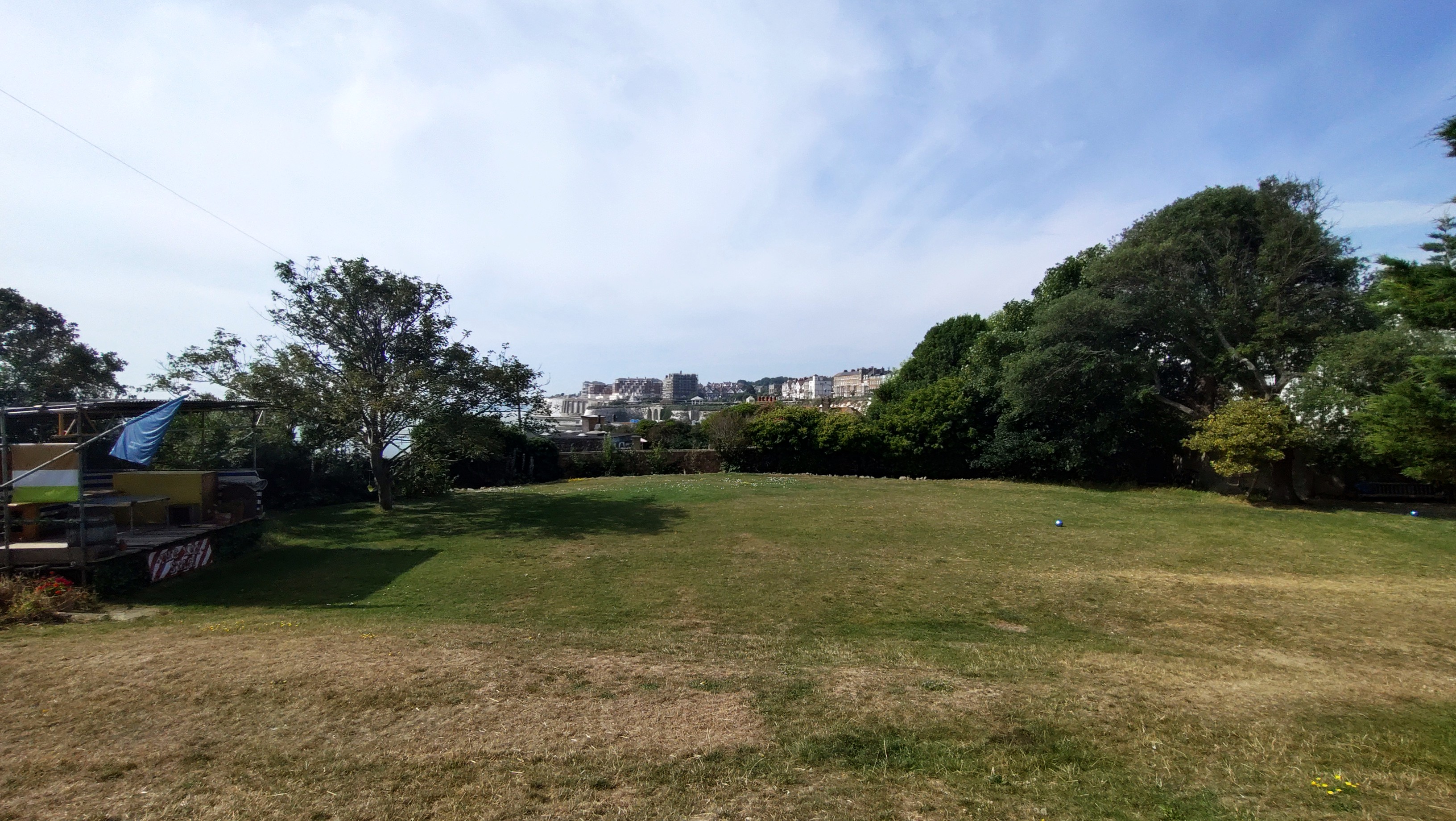
Dickens and his family took possession of Fort House during August 1850. His wife, Catherine, remained in London until she gave birth to their third daughter during that month and joined them in Broadstairs in September. Mamie Dickens recalled: ‘For many consecutive summers we used to be taken to Broadstairs. This little place became a favourite of my father. He was always very happy there and delighted in wandering about the garden of this house, generally accompanied by one or other of his children.’
It was within the study on the first floor at Fort House that Dickens continued to work on David Copperfield. He completed the final instalment in October 1850.
After the death of his father, John, on 31 March 1851, Dickens wrote that he ‘was pining for Broadstairs’. He went on to reside at Fort House from May to November 1851, in no small part to avoid London, which was deluged with crowds visiting the Great Exhibition. This was the longest period the author stayed in Broadstairs.
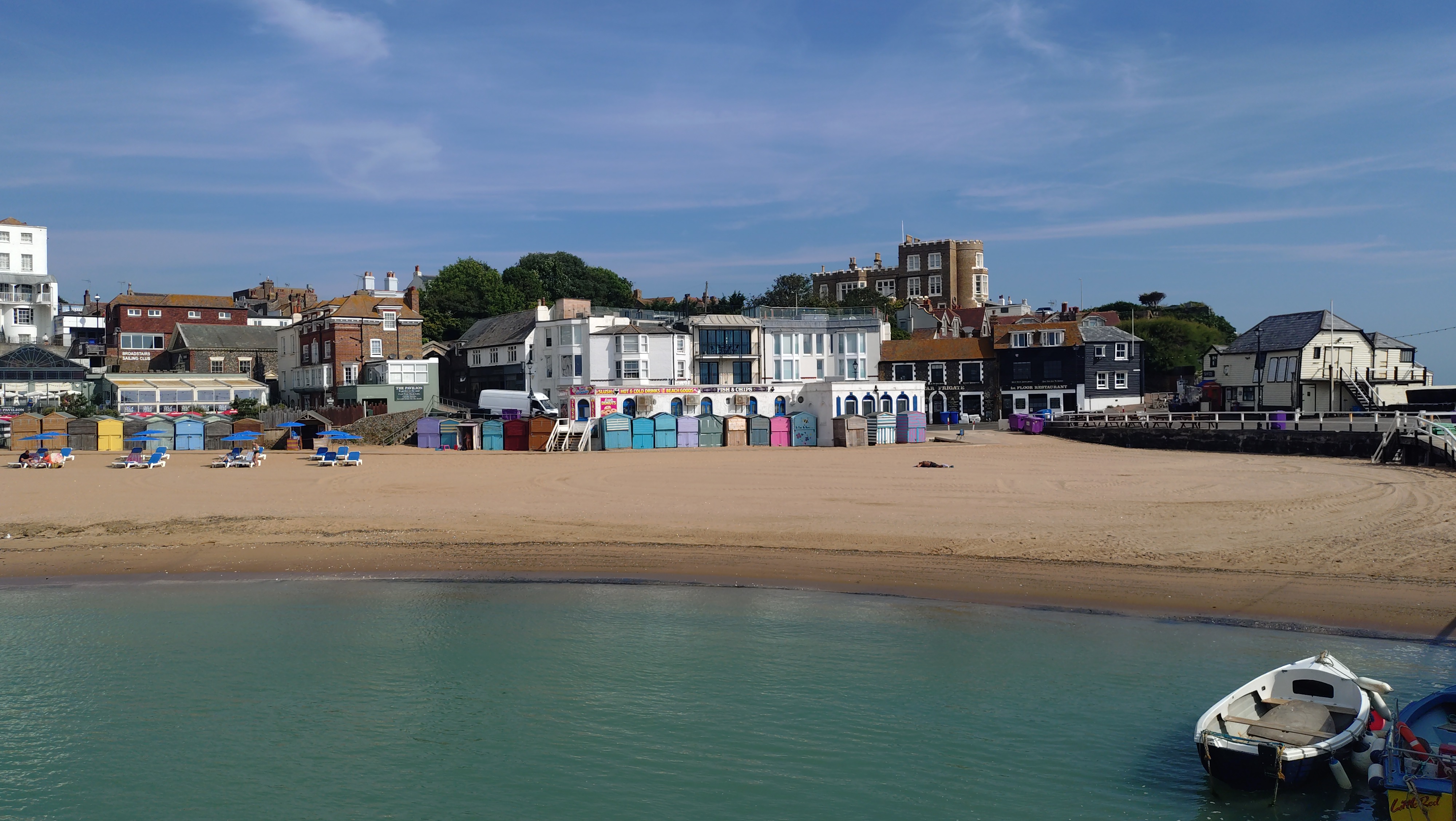
Dickens returned to Fort House for the last time in 1859, while he recuperated from illness for a week.
In the early part of the twentieth century, the building was renamed Bleak House by its then owner. It was not, of course, the home of Mr Jarndyce in the novel Bleak House.
…………………………………………………………
Order your copy here.