Five Interesting Facts About Elizabeth Stuart
Author guest post from Beverley Adams.
Elizabeth Stuart was a Scottish-turned-English princess who led an extraordinary life. She was the daughter of a king, a wife, a mother and a woman who remained resilient in the face of exile. She fought relentlessly for her husband’s and children’s rights whilst remaining witty and culturally influential. Through her, her descendants shaped the future of the British monarchy.
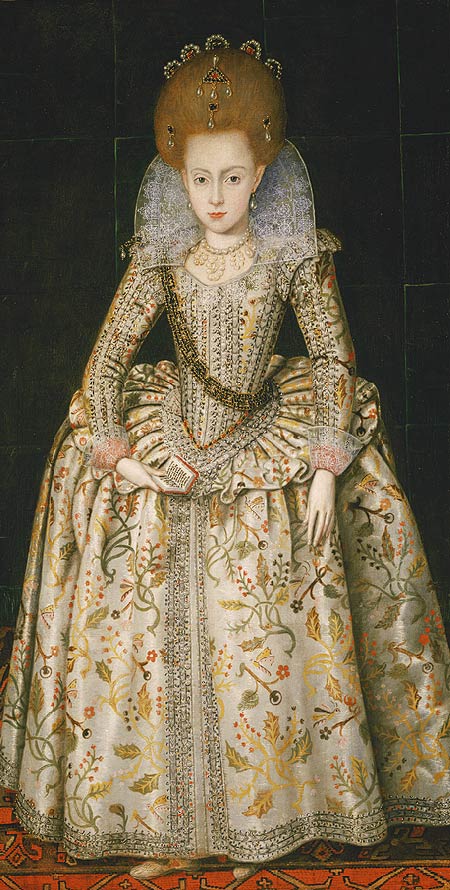
- Named in honour of her godmother, Elizabeth I, Elizabeth Stuart was born in Dunfermline Palace, Scotland, in 1596 to King James VI and Queen Anna of Denmark. Her early childhood was spent at Linlithgow Palace under the care of Lord and Lady Livingstone before moving to England at the age of 7 when her father inherited the English throne. She was primarily based at Coombe Abbey under the care of Lord and Lady Harington, both of whom would remain close to Elizabeth for the remainder of their lives. Despite never having met him until the move to England, Elizabeth developed a close and loving relationship with her elder brother Prince Henry Frederick. She was left devastated when he died unexpectedly at the age of 18.
- In 1605, she was the focus of a Catholic conspiracy to blow up the Houses of Parliament whilst her father, King James I, was there for the State Opening. The royal family, bar Elizabeth, had gathered in London for the occasion and with the king, his family and his government dead, the conspirators looked to marry Elizabeth to an influential Catholic and once again return England to Rome. When Elizabeth heard of the plot, she said, ‘What a Queen should I have been by this means? I had rather have been with my royal father in the Parliament House, than wear his crown on such a condition.’ The plot became known as the Gunpowder Plot and is remembered in England every 5 November.
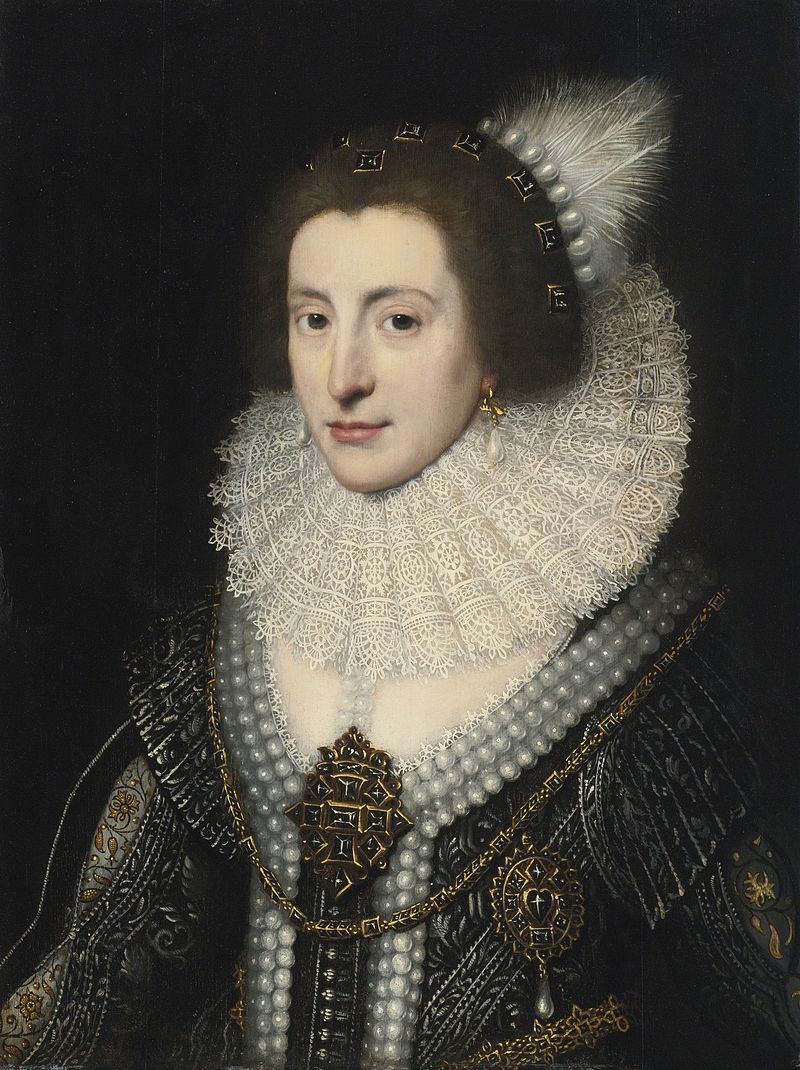
Portrait of Elizabeth Stuart Queen of Bohemia by Michiel Jansz van Mierevelt
- She married the Elector Palatine, Frederick V, in February 1613 and together they later became the King and Queen of Bohemia. Frederick was offered the Bohemian throne in 1619 following the death of the Holy Roman Emperor Matthias. Sadly, Frederick could not keep hold of his crown, and after his defeat at the Battle of White Mountain in November 1620, they were forced to flee Prague and enter exile in The Hague. Because of this, Elizabeth is known to history as the Winter Queen due to the length of her reign and the season in which the final battle was lost. During her time in Prague, she gave birth to her son, Prince Rupert of the Rhine. She would remain in exile for the best part of 40 years before returning home to England in 1661 following the restoration of her nephew King Charles II.
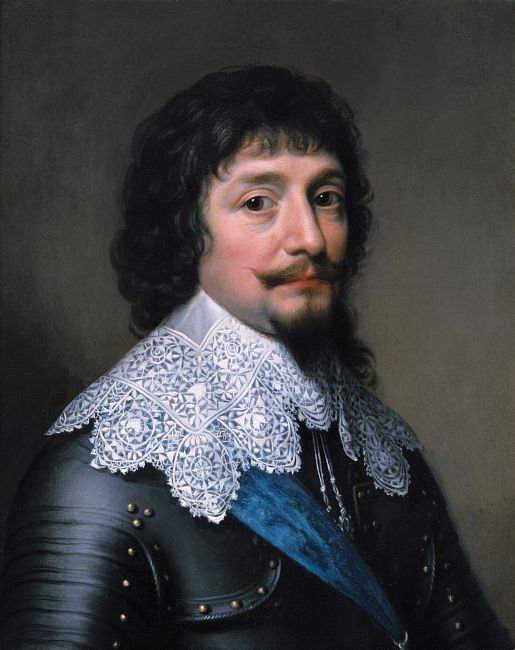
Frederick V Elector of the Palatine and King of Bohemia Michiel Jansz
- During her marriage to Frederick, the couple had thirteen children, with nine living to adulthood. Sadly, their eldest son and heir, Henry Frederick, drowned in 1629 when he was just 15 years old. He was on a trip to Amsterdam with his father to inspect the captured Spanish treasure fleet when their boat was struck by another vessel and capsized. Frederick managed to get to safety, but despite his best efforts, he could not rescue his son, whose body was found the following day still clinging to the mast of the ship. His body was returned to The Hague, where he lay in state; he was later buried in the Kloosterkerk. Elizabeth and Frederick were left devastated by the loss of their son; she ceased writing her many letters, and his health never really recovered; he would die in 1632 aged just 36, leaving Elizabeth a widow.
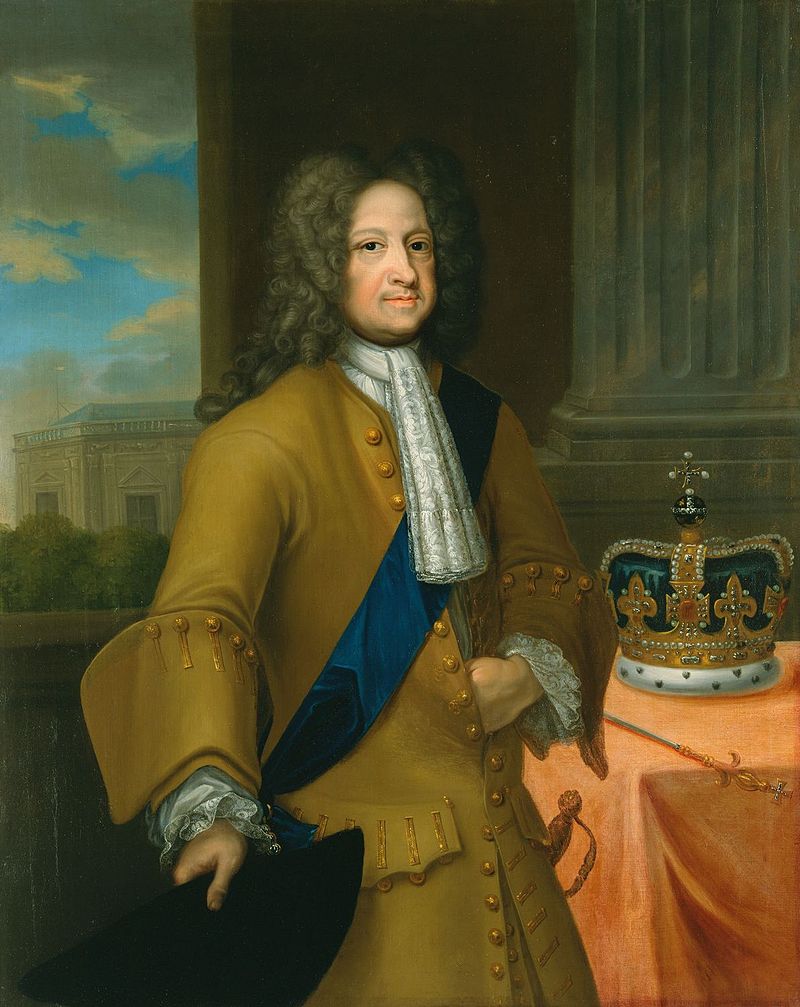
King George I of Great Britain by Wilhelm Fontaine 1720s
- Her descendants became kings and queens of Great Britain through her daughter Sophia, Electress of Hanover. Sophia was named as Queen Anne’s heir but was to die just weeks before her. Her claim was passed to her eldest son George, Elector of Hanover, and in 1714 he took the throne of Great Britain and Ireland as King George I. His reign gave birth to the Georgian period and marked the start of Britain’s emergence on a global stage. Elizabeth Stuart’s grandson now sat on the throne of her father and brother, and through them the British monarchy became established into what we know today. Her bloodline continues to this day in His Majesty King Charles III, meaning her legacy lives on.
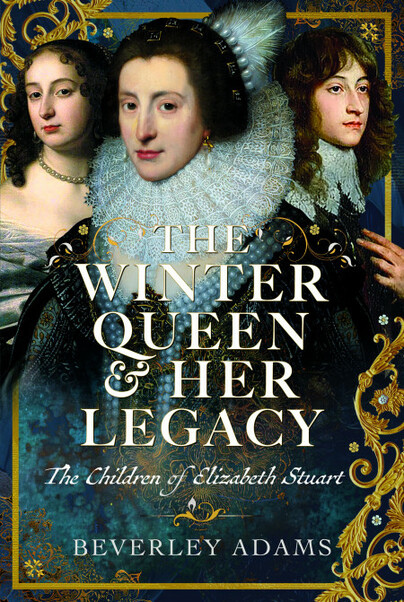
Order your copy here.