A FRONT COVER PILOT’S PORTRAIT: Remembering one of ‘The Few’
A FRONT COVER PILOT’S PORTRAIT
Remembering one of ‘The Few’
Author guest post from Mark Hillier.
To mark the anniversary of the official start of the Battle of Britain, Mark Hillier, author of The RAF Battle of Britain Fighter Pilots’ Kitbag, recalls one of ‘The Few’ and the time when he was photographed in his flying kit
In times of war, images of stoutness, defiance and hope are an important part of helping maintain the public’s morale. Founded in 1938, the photojournalistic magazine Picture Post, which was often referred to as the UK’s equivalent of Life Magazine, was at the forefront of this art.
Considered to be a pioneering example of photojournalism, Picture Post’s innovative use of imagery and text captured the imagination of the British people. In the era before television, it became the window on the world for many, bringing the major social and political issues of the day into popular consciousness. Such was it success, that within just two months of its launch, Picture Post was selling a staggering 1,700,000 copies a week; by December 1943 this was just under two million copies a week.
Such a remarkable circulation ensured that many of the photographs that appeared in Picture Post, and especially those that featured on its front covers, became iconic representations of the subject matter. This was undoubtedly the case for the edition of 31 August 1940, the cover of which, published at the height of the Battle of Britain, carried a picture of a young RAF fighter pilot who was among those tasked with defending the nation’s freedom.
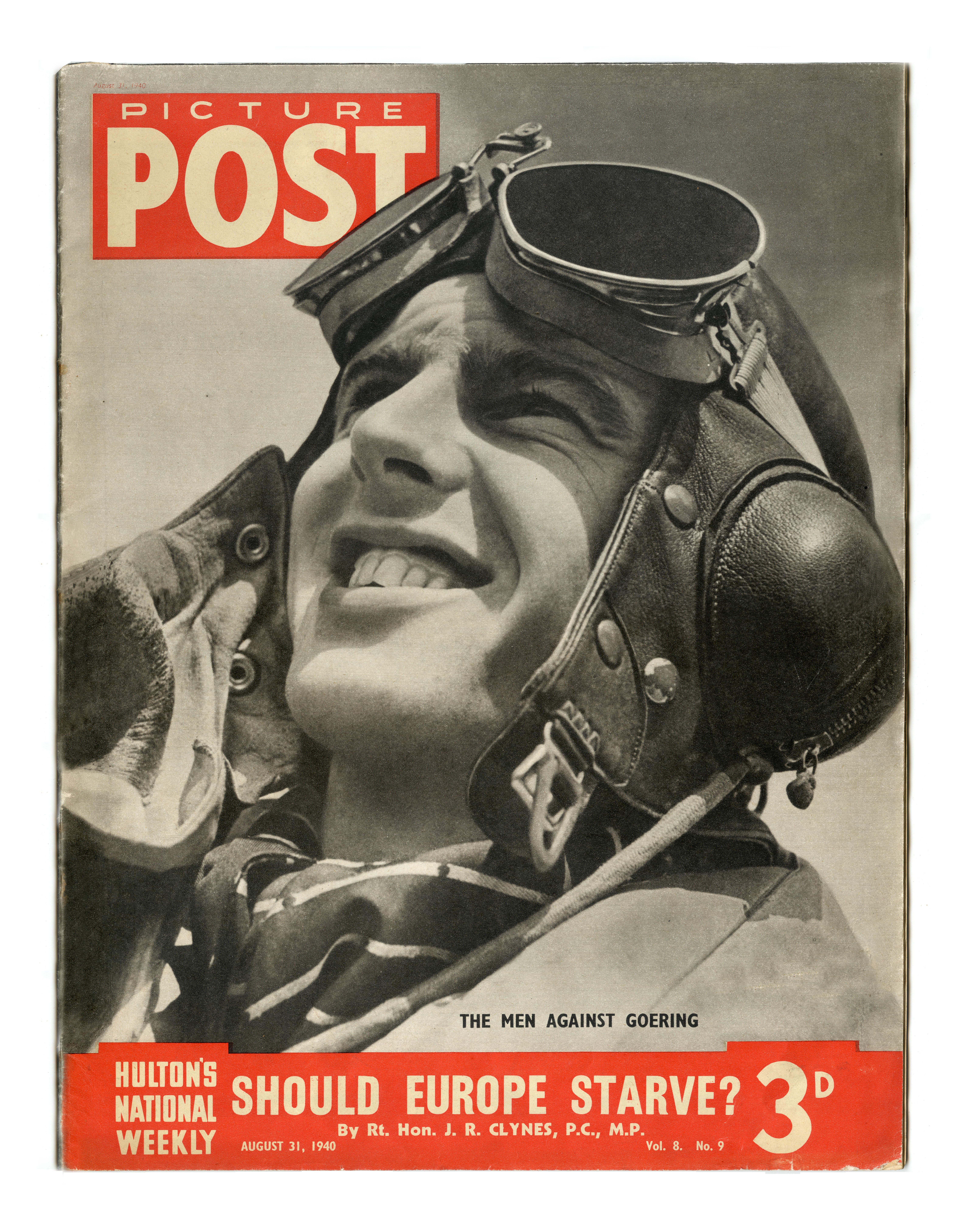
As part of ‘B’ Flight, 32 Squadron, Pilot Officer Keith Reginald Gillman had been photographed in his flying equipment, ready for action. He had been snapped by a photographic unit from Fox Photos when it visited the fighter airfield at Hawkinge on 29 July 1940. Such is the detail and quality of the portrait, it is possible to state that he was wearing a B-Type leather flying helmet, D-Type oxygen mask and a pair of private purchase Luxor ‘Twelve’ goggles.
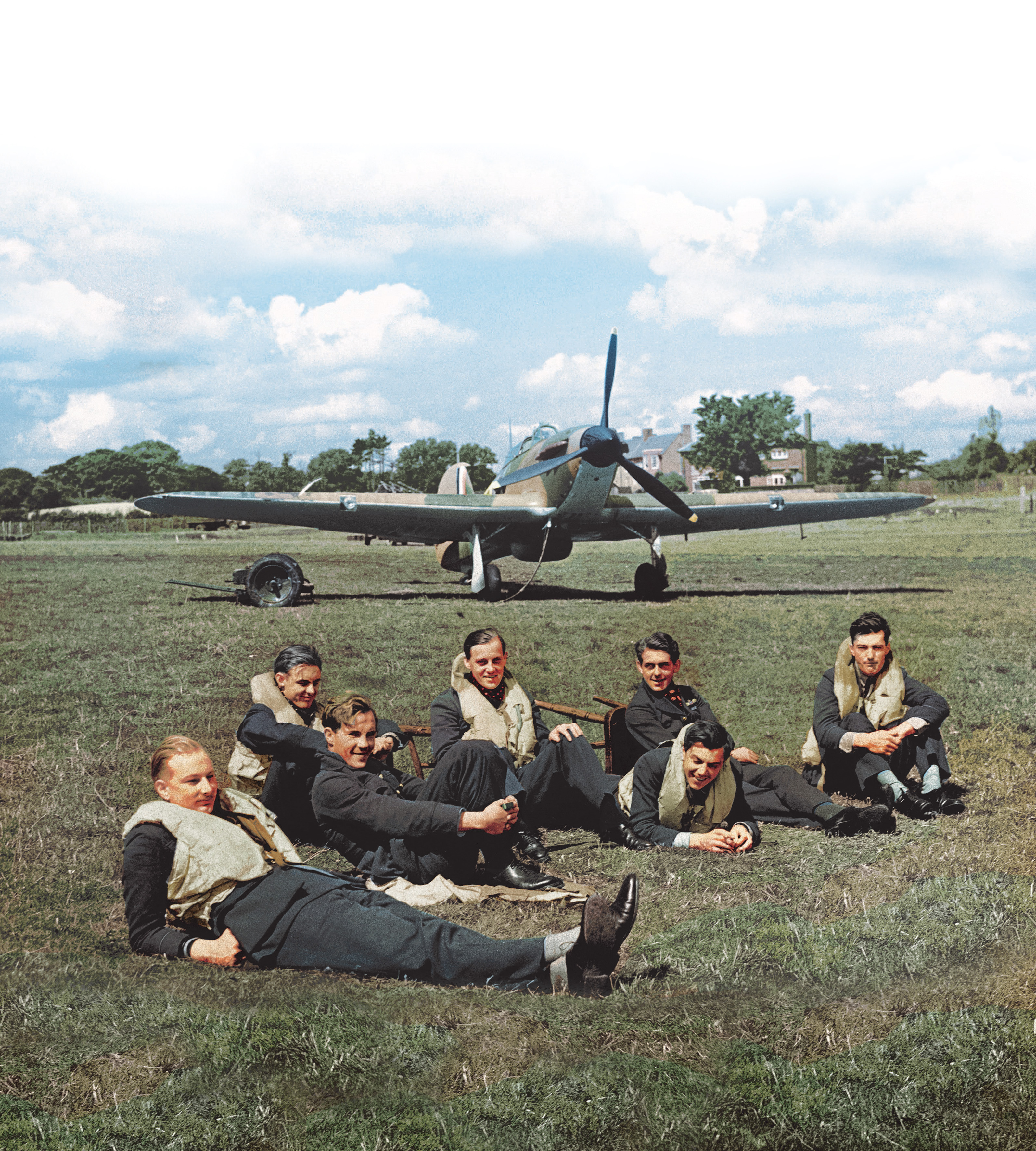
As they were not officially approved by the Air Ministry, it is likely that Gillman was one of a small number of pilots who chose to wear Luxor goggles during the Battle, the majority opting to remain with service issue equipment. Whilst similar brands of goggles can be seen in contemporary Battle of Britain images, it is the name of Luxor that has stuck. The Luxor goggles typically had teardrop-shaped lenses, adjustable bridge and vented eye pieces. With an elasticised strap, each half was a one-piece, flat triplex lens.
Such goggles were available pre-war at most flying clubs and there were numerous manufacturers of this style and design in the UK, Europe, and the USA. They were used by motor racing drivers and motor cyclists, as well as private pilots. They were apparently much more comfortable and well-fitting than any of the Air Ministry designs, and, of course, lightweight.
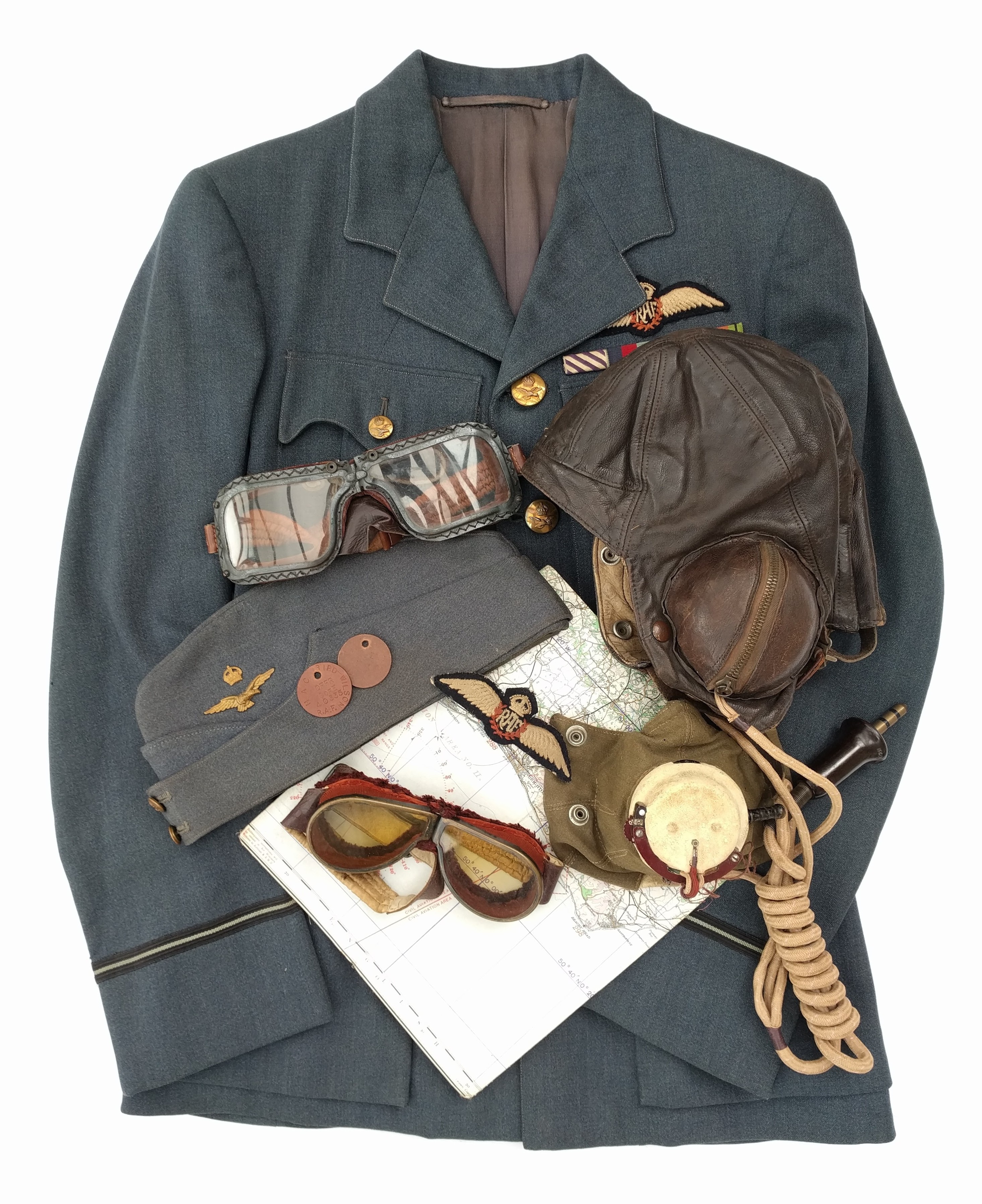
Born in Dover on 16 December 1920, Gillman had joined the RAF on a short service commission in March 1939, beginning his flying training at 22 Elementary & Reserve Flying Training School at Cambridge. After a posting to 15 Flying Training School at RAF Lossiemouth, he was awarded his Wings on 6 October 1939.
After converting to Hurricanes, Gillman arrived at 2 Ferry Pilot Pool on 21 December 1939 as a reserve for France. After then completing an Air Armament Course at RAF Manby, Gillman was posted to 32 Squadron at Biggin Hill on 10 May 1940.
The squadron was led for the first part of the Battle of Britain by Squadron Leader Johnny Worrall CB, DFC, who was replaced by Michael ‘Red Knight’ Crossley OBE, DSO, DFC. During the summer of 1940, No.32 became one of the most successful fighter squadrons, with 102 victories to its credit by the end of the Battle.
Gillman flew his first operational sortie on 7 June, escorting Blenheims to Abbeville. He claimed his first ‘kill’, a Messerschmitt Bf 109, on 19 July 1940. His subsequent combat report states: ‘I was flying No.2 in Yellow Section, which was the Squadron rear guard. Three ME 109s dived in front of the section to attack Red Section, and I followed No.2 of the enemy formation who dived gently to port and fired three bursts of approximately 50 rounds per gun, part of the aircraft was shot away, and it dived vertically towards the sea. It was obviously out of control, but I had no time to follow it down, as I was attacked by another ME 109.’
As the aerial battle continued, 32 Squadron continued to operate from southern England. The events of 25 August were similar to the days and weeks that preceded it, the squadron being scrambled at 18.20 hours. The Operational Record Book records the following:
‘Ordered to patrol Dover. Twelve Do 215s escorted by about 26 Me 109s were intercepted at 14,000 feet south of Dover. S/Ldr Crossley shot down a Do 215 in flames and sent an Me 109 spinning into the sea. F/Lt Proctor shot down an Me 109 in flames off Cap Gris Nez. P/O Rose was shot down and baled out, landing in the sea but was rescued uninjured after 1½ hours.’ Sadly, the entry concludes with the following brief comment: ‘P/O Gillman missing.’
Almost a month to the day since he had been photographed at Hawkinge, Gillman fell to the guns of a Bf 109, only the second of his squadron to be killed as a result of combat. His body was never recovered or identified, and he is still listed as ‘missing. Aged just 19, Gillman died without ever knowing that he had become the basis of the archetypal image of a Battle of Britain fighter pilot, the magazine featuring his portrait being published a week later.
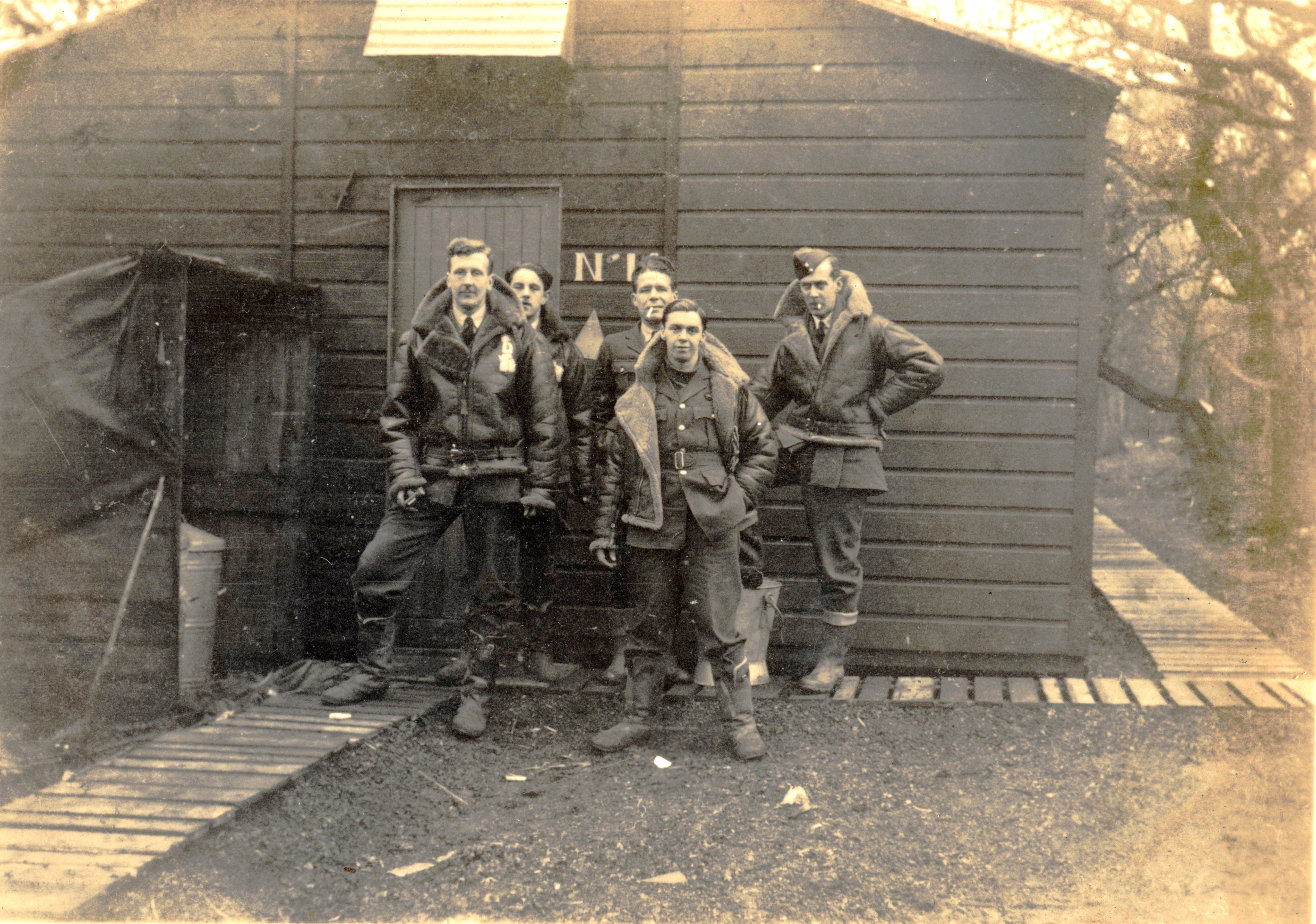
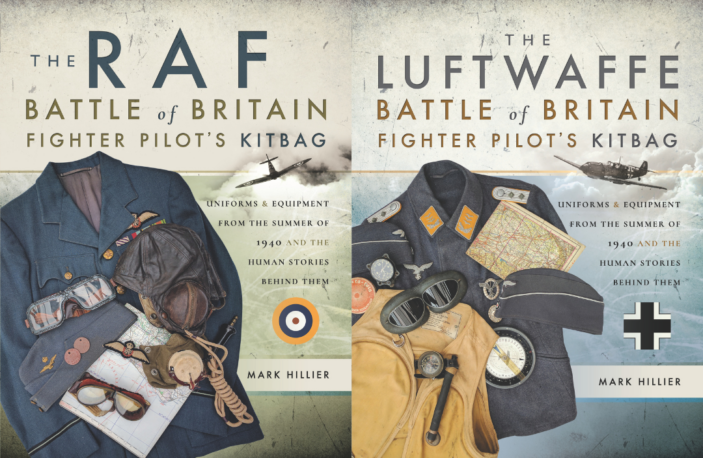
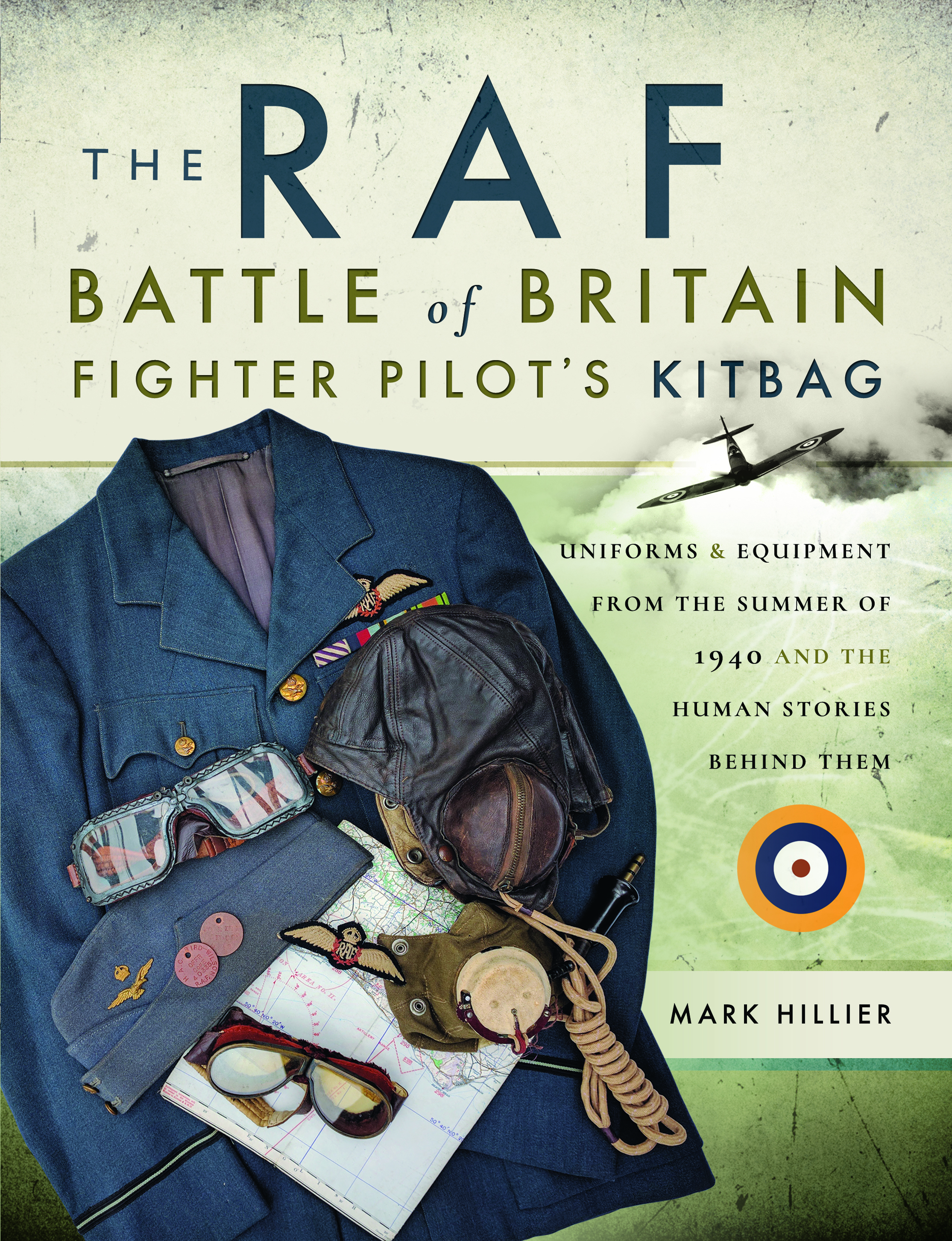
THE RAF BATTLE OF BRITAIN FIGHTER PILOTS’ KITBAG
Uniforms & Equipment from the Summer of 1940 and the Human Stories Behind Them
ISBN: 978-1-47384-999-0
Order here
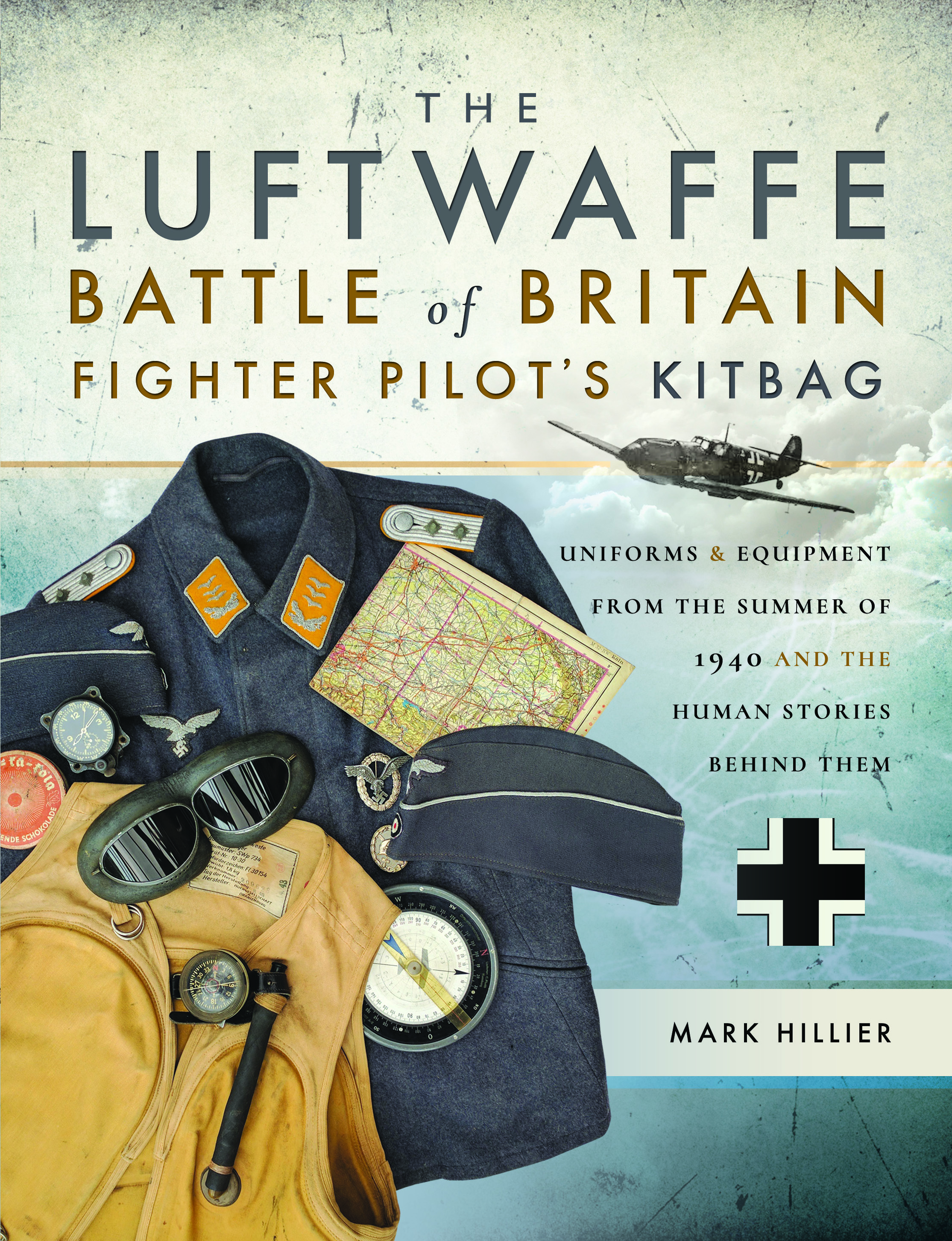
THE LUFTWAFFE BATTLE OF BRITAIN FIGHTER PILOTS’ KITBAG
Uniforms & Equipment from the Summer of 1940 and the Human Stories Behind Them
ISBN: 978-1-47384-995-2
Order here