The Story of Bryan Blundell
Guest post by Ben Shaw
Family history can take you to unexpected places.
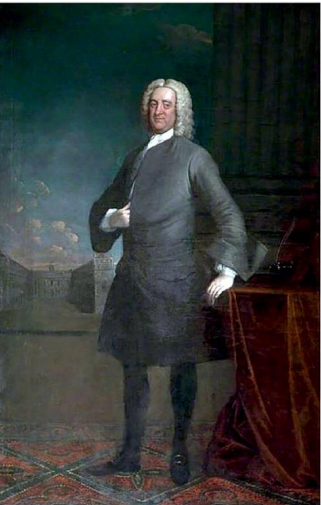
Mine led me to a seventeenth-century merchant in Liverpool called Bryan Blundell (1674-1756), whom I believe to be my eight-times-great-grandfather.
Records show he was twice Mayor of Liverpool (1722 and 1728) and cofounder of the Blue Coat School in 1714, one of the city’s oldest surviving charitable institutions. He donated heavily to the school and served as its treasurer for nearly thirty years.
However, what truly transformed my understanding of his life was the discovery of his sea journal, preserved in the Lancashire Archives. It was a practical working document, but it charted his rise from cabin boy to master mariner, shipowner and merchant. It also provided an extraordinary window into the opportunities and dangers that shaped the lives of many Liverpool families during the late seventeenth and early eighteenth centuries.
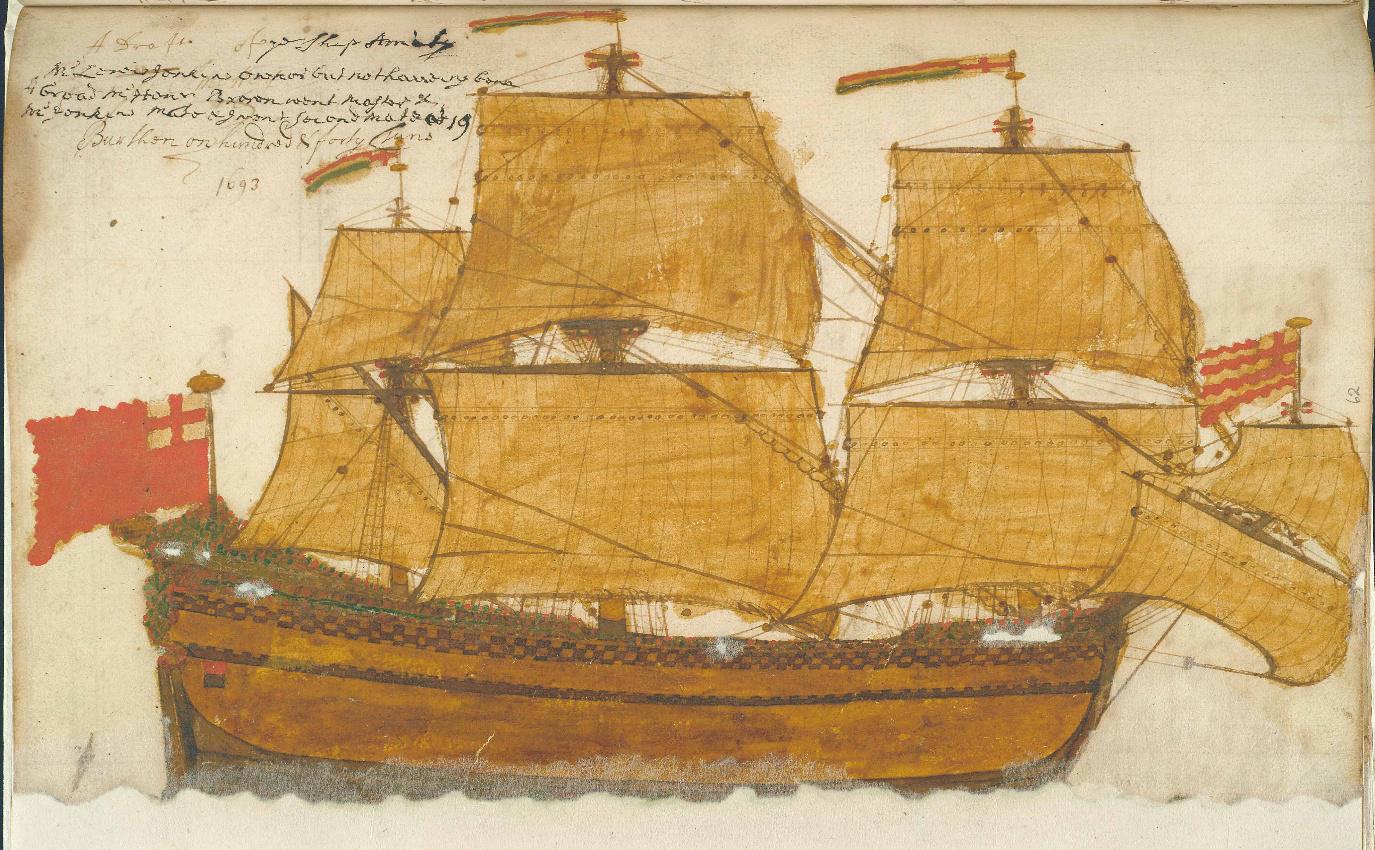
He first crossed the Atlantic in 1687 at the age of 12 aboard the Amity (see Figure 2) as a cabin boy, and by his early twenties he had become master of his own vessel. His journal charts not only his professional advancement but also the extraordinary challenges faced by merchant seamen of the period.
The dangers were constant. Blundell writes of Atlantic storms, navigational hazards and several lively engagements with enemy privateers. He reveals how during wartime, merchant vessels sailed in large convoys for protection. On one occasion, he recorded no fewer than 230 merchant ships leaving Virginia together under naval escort.
Even then, safety was never guaranteed. In 1706, while commanding the Lever, he became separated from his escort and was captured by the French, spending two months imprisoned in Dinan before securing his release and returning to Liverpool.
Bryan Blundell’s life also neatly mirrors the story of Liverpool’s rise to become one of Britain’s great commercial centres, alongside its growing involvement in the transatlantic slave trade.
Blundell retired from the sea in 1714 and within a few years had become deeply involved in the trade, financing voyages and trafficking enslaved men, women and children until his death in 1756. His descendants continued that involvement for generations.
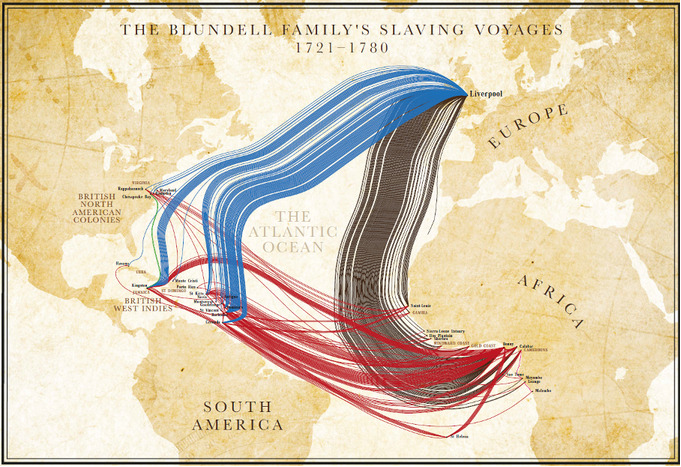
What began as an exercise in family history ultimately became something much larger. It became an exploration of human complexity and the uneasy relationship between belief, ambition and conscience.
Researching Bryan Blundell led me to ask how people throughout history have justified, accommodated and lived with contradictions that, from a distance, seem impossible to reconcile.
Those questions ultimately inspired me to write The Slave Trader: The Story of Bryan Blundell.
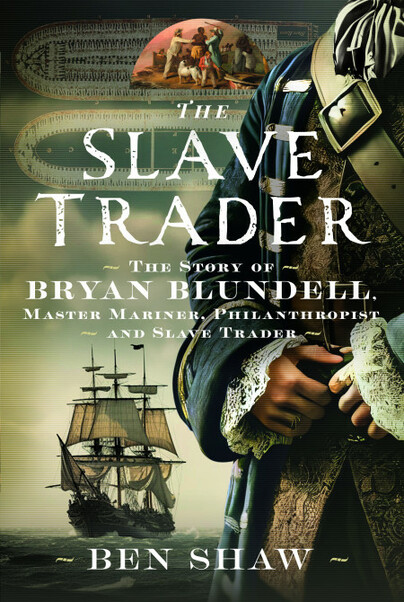
Order your copy here.