Uncovering A Lost Story of Allied Friendship
Author guest post from Zita Ballinger Fletcher.
We can learn a lot about leaders from how they interact with their subordinates. This is true today as well as in military history. When I learned about Field Marshal Bernard Montgomery’s decision to fly with American air crews during World War II, I wanted to find out more about how Montgomery treated these airmen and how they got along with him. I hoped that researching the stories of the Americans who flew Monty in his B-17 Flying Fortress and Dakota C-47 aircraft could shed more light on how Montgomery interacted with Americans and reveal more about this unique Allied partnership. I wondered why Montgomery wanted to fly in American aircraft in the first place and how exactly American airmen got along with him.
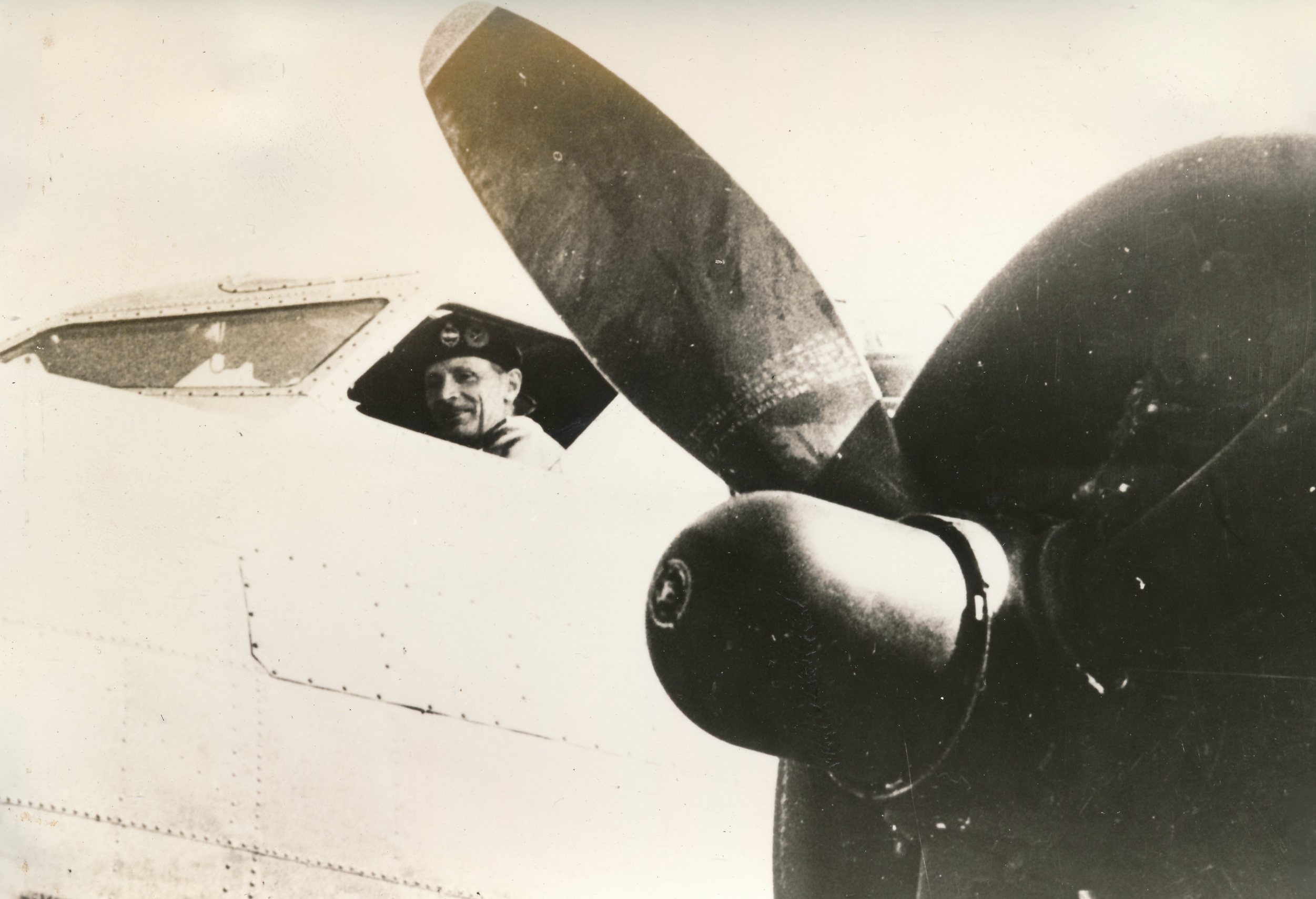
In the postwar era, American histories—shaped in large part by famous U.S. generals and dramatized film portrayals—cast Montgomery as a hardline anti-American bigot who was incapable of communicating or working effectively with U.S. allies during the war. Although this was inconsistent with Montgomery’s track record of working and communicating well with troops and subordinates of diverse nationalities across the British Empire, I was unsure what U.S. air crews had said about him—or even if I could find out. Did these airmen find Montgomery difficult?
What I found surprised me. American airmen drawn from a wide variety of different backgrounds from all over the United States flew Montgomery, comprising two different B-17 crews and pilots who flew his Dakota, sometimes on a rotating basis. The majority of them had already gained significant combat experience by the time they flew Montgomery. Their time flying Montgomery, in their own words, was extremely positive.
Montgomery personally paid for his U.S. air crews to enjoy lavish accommodations and entertainment during their time off. During his first trip back to England after his famous string of victories in North Africa, Montgomery seated his American pilot First Lieutenant Frank Evans beside him at The Strand Theatre in London in a place of honour in the royal box.
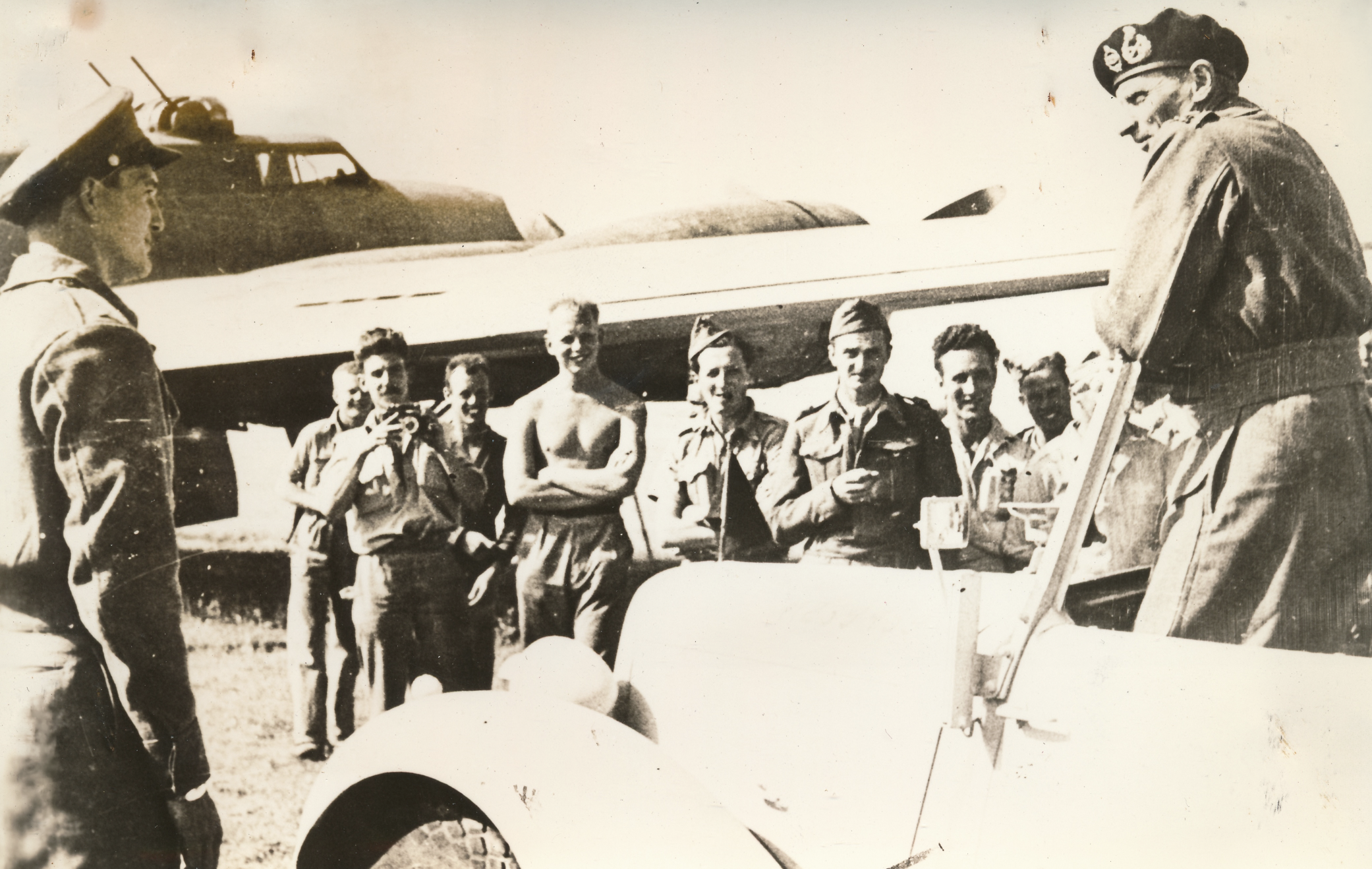
Montgomery personally recommended one of his Dakota pilots, Captain Eddie Russell, to receive the Air Force Cross for bravery in flying him to the frontlines. Russell was the first American in history to receive this distinction. Moreover, Montgomery pinned the U.S. Air Medal on Russell, becoming the first British general in history to ever do so.
In the book, I share many more stories of how Montgomery interacted with individual U.S. airmen and how these experiences fit into their overall wartime service.
The story of Montgomery and his American airmen was initially received by U.S. media with an outpouring of positivity and pride, especially from newspapers in local communities where the airmen came from. Later, the B-17 came to a tragic end. Although American crews continued to fly Montgomery in a Dakota, U.S. media coverage—then more heavily influenced by the U.S. War Department—ceased.
I enjoyed bringing these stories to light in my book. I hope the perspectives of the U.S. airmen, formerly lost in time, will serve to restore the memory of these men in history and provide a fresh look at a great Allied commander.
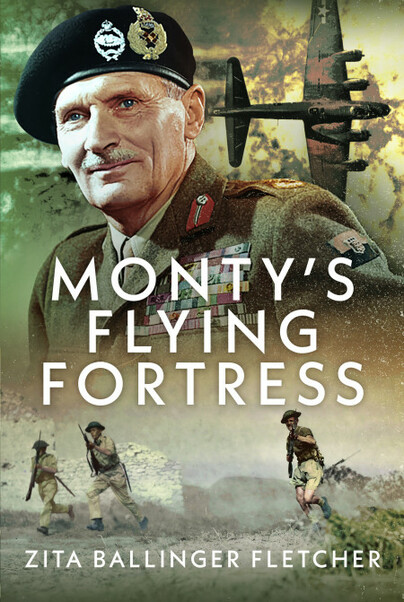
Order your copy here.