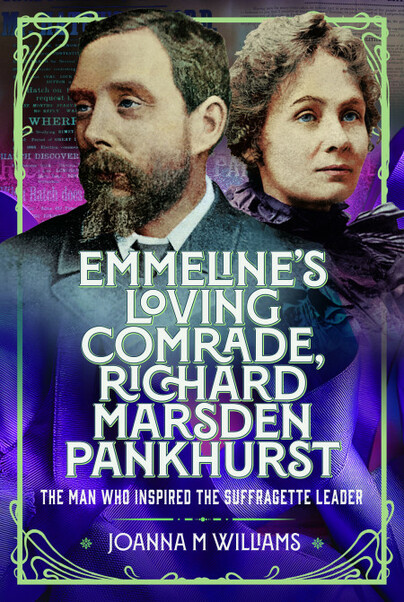
Emmeline’s Loving Comrade: Richard Marsden Pankhurst, the man who inspired the Suffragette leader.
Author guest post from Joanna M Williams.
Some startling Pankhurst facts:
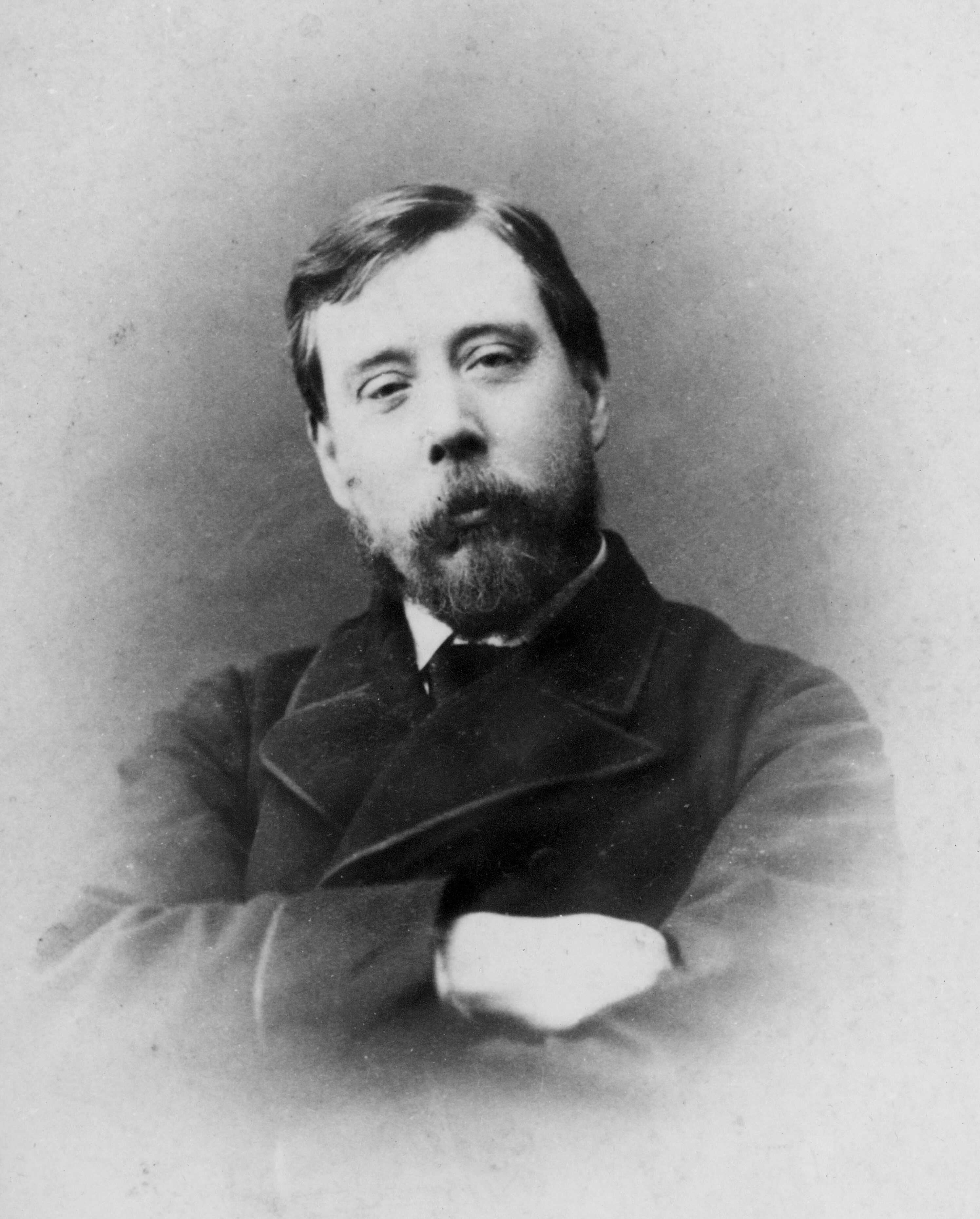
- Before Richard was ten years old, his father was in Stafford prison for debt in 1840 and declared bankrupt in 1840 and 1843. In later life as a barrister Richard made the law of bankruptcy one of his specialisms. Richard was the favoured child in a dysfunctional family; his three siblings all displeased their parents to a greater or lesser degree.
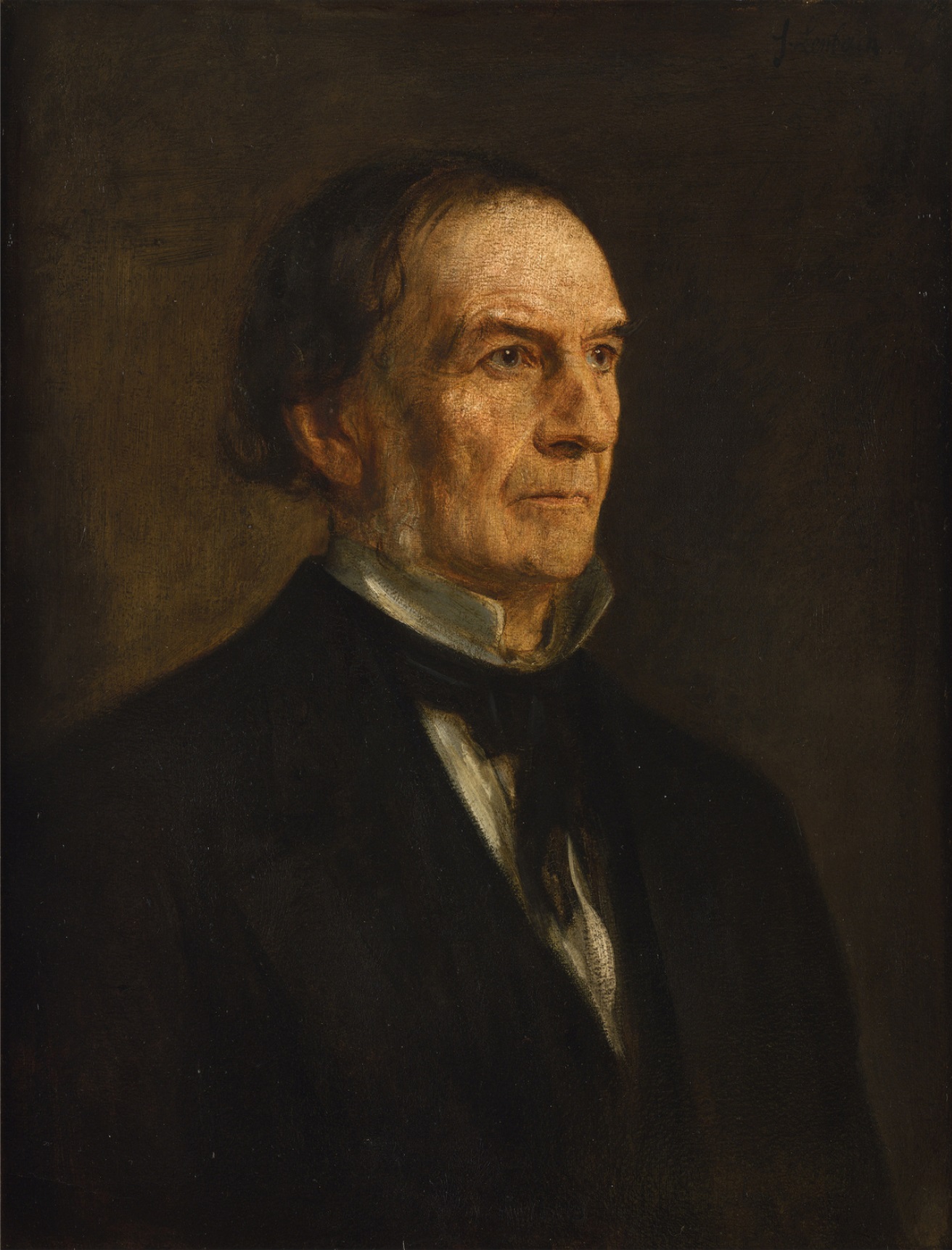
- Pankhurst was a key figure in the Victorian women’s suffrage movement, led at the time from Manchester by Lydia Becker. He was her ‘right-hand man’ on the committee, and its legal adviser. As such, it was he who drew up the first women’s suffrage bill presented to the Commons in 1870.
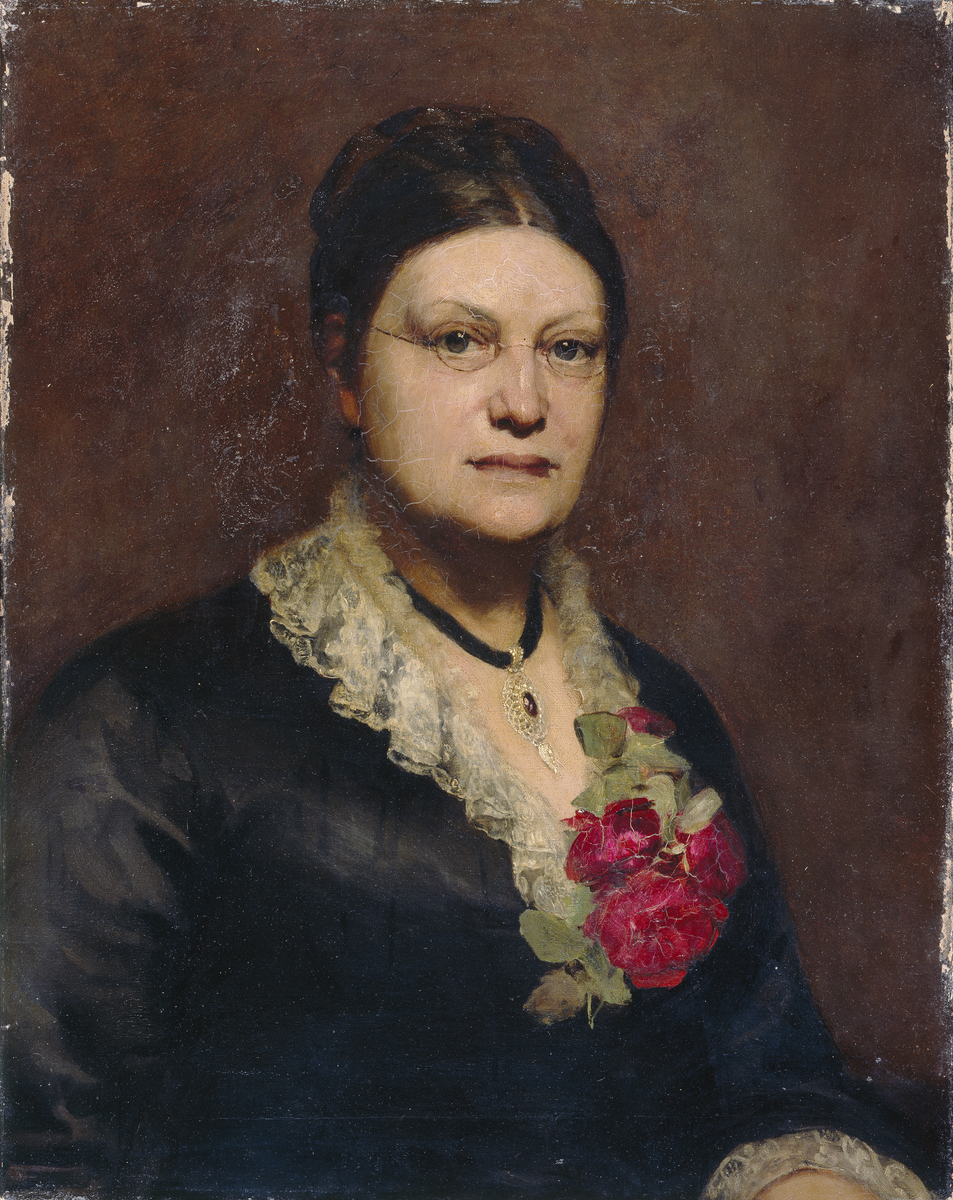
- Long before anyone had heard of Emmeline Pankhurst, the name Pankhurst was famous in Manchester due to the radical and outspoken pronouncements of Richard Pankhurst. He was 24 years her senior and a prominent figure in the Liberal party. It was when he was speaking in support of Gladstone against British involvement in the Russo-Turkish War in 1878 that they first met; they soon fell deeply in love and married the following year.
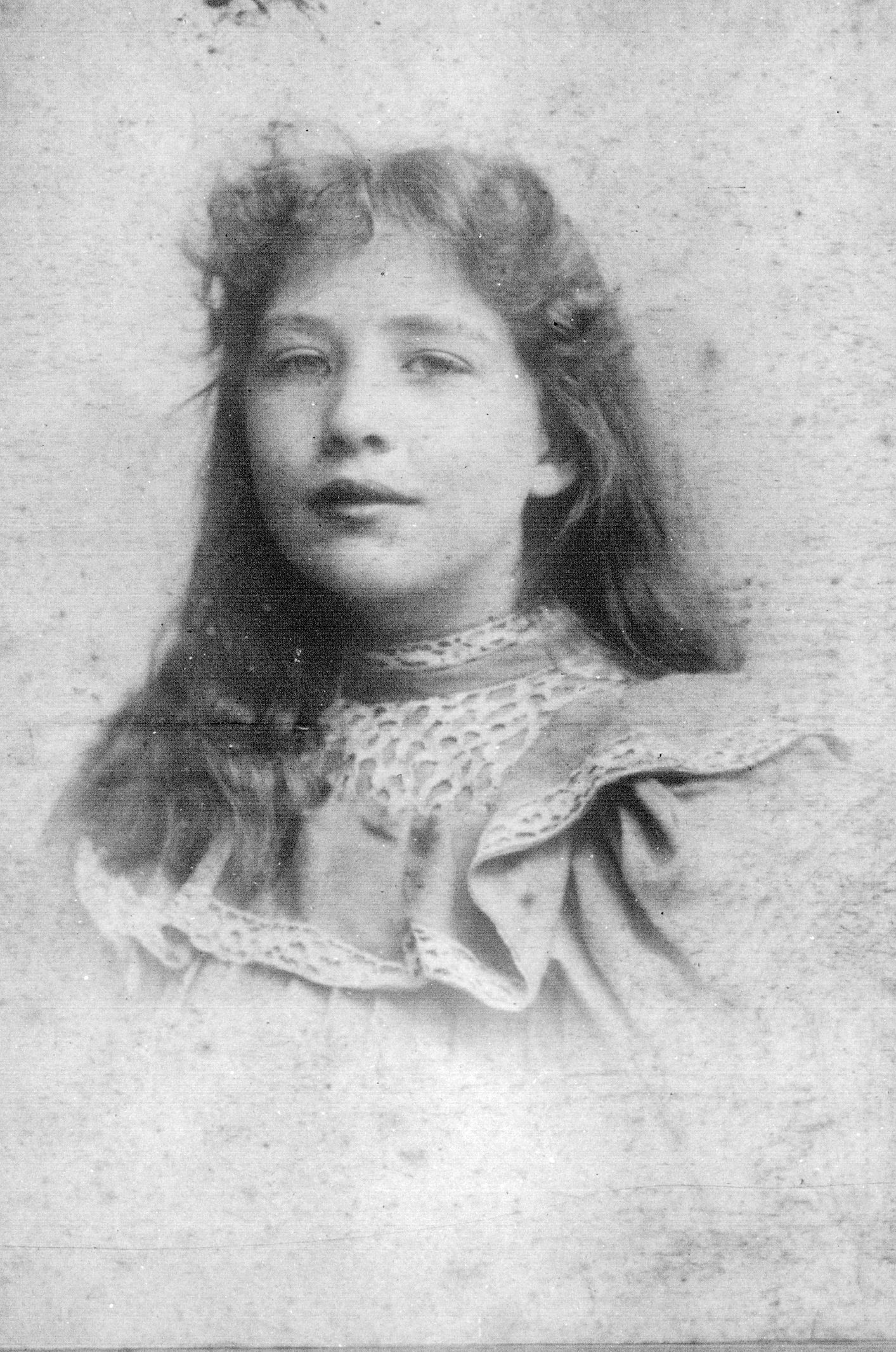
- The Pankhursts had five children: Christabel (1880- 1958); Sylvia (1882 – 1960); Frank (1884-8); Adela (18815-1961); Harry (1889-1910). Both boys died young, Christabel ended up in the USA, Sylvia died in Ethiopia honoured as a national hero and Adela went to Australia.
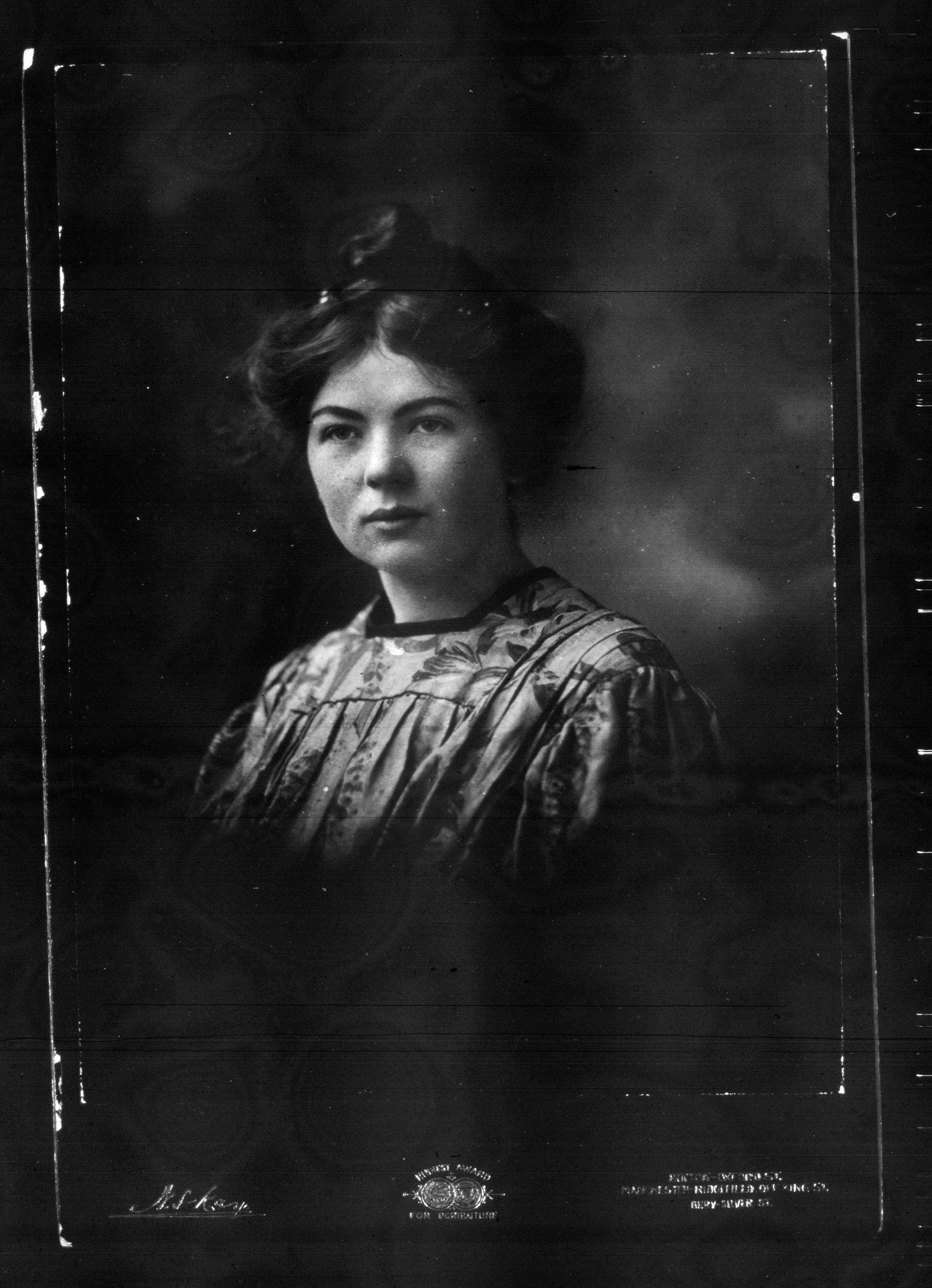
- The Pankhurst parents were not perfect, and in fact exhibited some very human failings as parents according to their daughters, in particular Adela, whose judgements on her father were particularly negative. Nevertheless, her sisters remembered their father as a gentle and loving parent who held them to high standards of morality and behaviour.
- Emmeline several times went into business, running shops selling fancy goods in London, then Manchester. Every venture was an abject failure; the Pankhursts were not good with money and their servant managed the household finances. For a middle-class woman to go into trade was usually regarded as shameful, yet Richard was supportive of his wife’s ventures and this is just one example of how unusual he was as a Victorian husband.
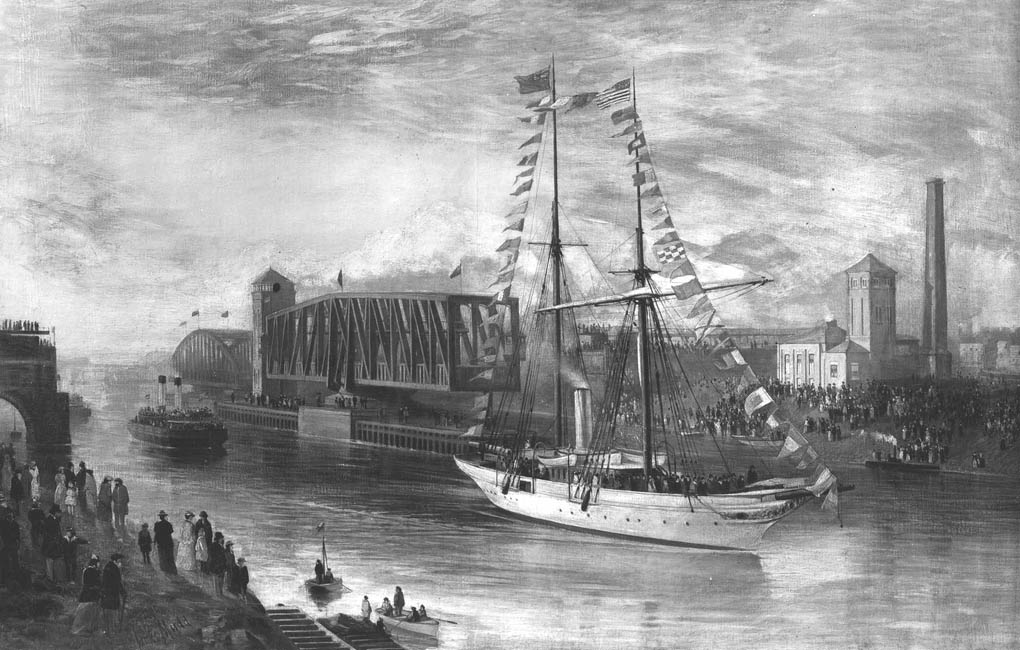
- Richard Pankhurst was a huge supporter of the Manchester Ship Canal and other forward-looking projects. He acted as the canal’s legal adviser and bought shares in it. He also supported a novel way of disposing of bodies – cremation, with shares in the Manchester Crematorium. And he participated in trespass walks on Kinder Scout and Winter Hill, well before the more famous Kinder trespass of 1932.
- Richard stood for parliament without success on three occasions; firstly for Manchester as an ‘advanced Liberal’, against the wishes of his party; secondly for Rotherhithe in London again as an ‘advanced Liberal’ but supported by the local party; thirdly for Gorton, Manchester, as a socialist, supported by the Independent Labour Party.
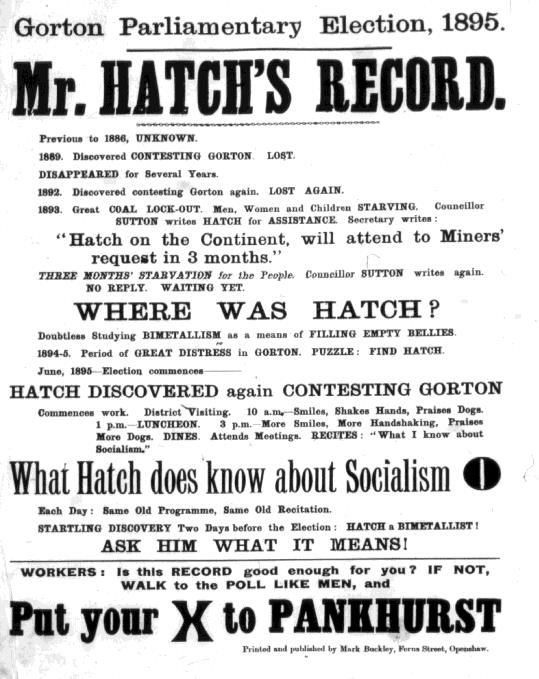
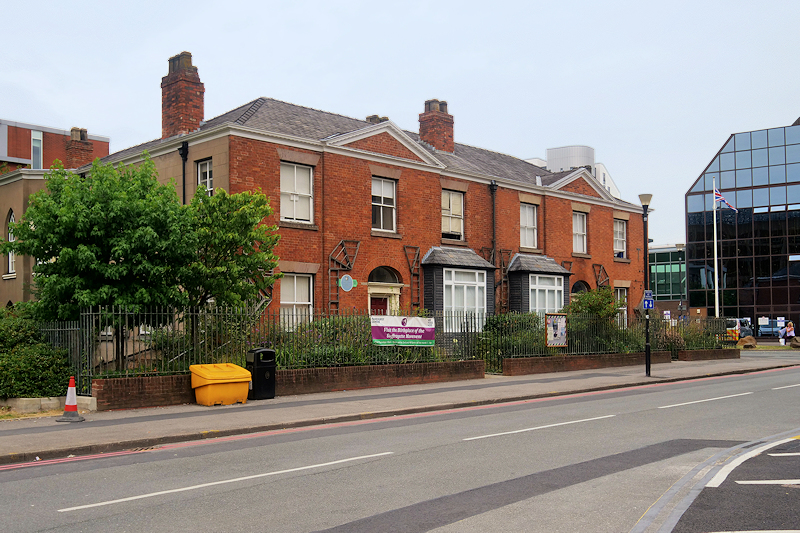
- Emmeline was left relatively poor when Richard died and had to sell most of her possessions and move from affluent Victoria Park to a cheaper dwelling in Nelson Street. There was a public subscription to help her and the family; the money was controlled by a group of male trustees who tried to overrule her wishes about the equal education of her daughters with that of her son.
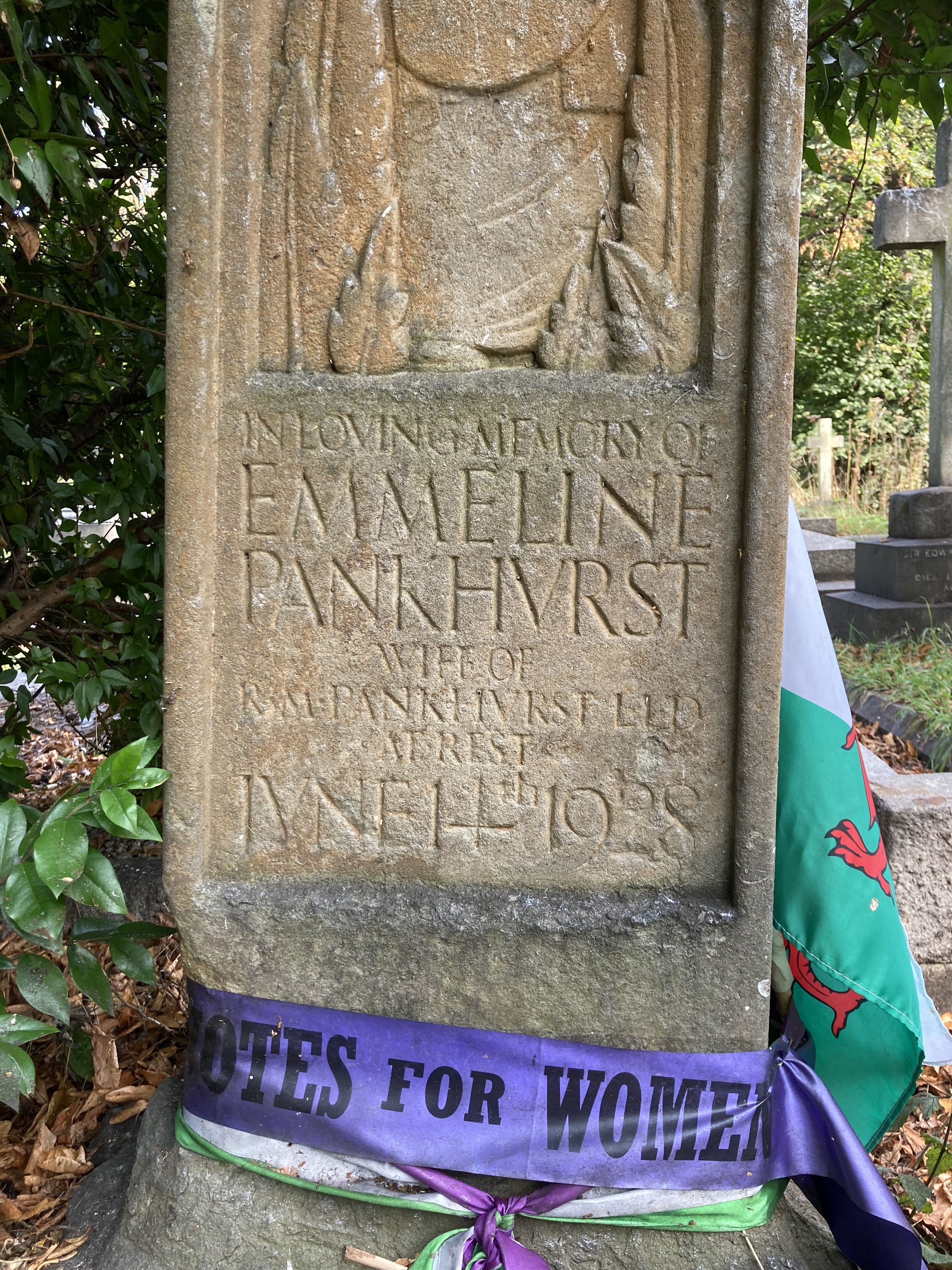
- Emmeline outlived her husband by 30 years, and died in 1928, only two weeks before women got the vote on the same terms as men. Very interestingly, her gravestone did not mention her career as a campaigner but simply described her as ‘wife of R M Pankhurst LLD’.
………………………………………………………………….
Order your copy here.