Trick, Treat, or Torture: Scotland’s Deadliest Witch Hunt
Author guest post from Emily Bush and Carrie Ingram-Gettins.
At this time of year when the nights are drawing in and minds drift towards the dark, it is not uncommon to see a Trick or Treating child or party-going student dressed up as a witch with the instantly recognisable hat and broom. It is almost a Halloween staple costume now, but there was a time when even the thought of someone being a witch could have fatal consequences for them.
Step back in time with us to the Tudor period, 1589 to be exact, to Scotland under the reign of King James VI (the future James I of England). The whole episode started when James VI travelled that year to meet and marry his new queen, Anne of Denmark. The country of Denmark at the time had already been in the grip of fear around witches and it is likely that James VI came into contact with this during his visit.
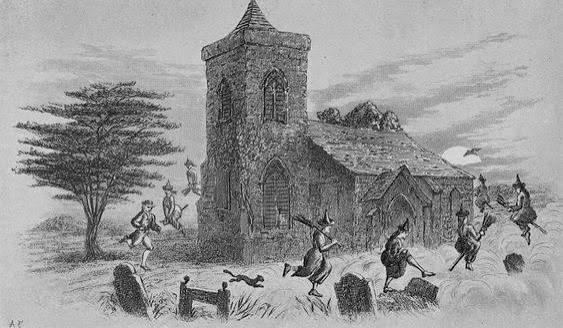
On his way home with Anne in the summer of 159-, a terrible storm kicked up and the journey became quite perilous, forcing the royal couple to turn back. Anybody who has sailed on the North Sea can attest that this is not somewhere to go for a pleasure cruise, but rather than think of a natural reason for the storm, James VI became convinced that there was something more supernatural at work and his mind turned to witchcraft.
Upon his return an investigation was launched in November 1592 into who these witches could be. The royal eye turned to the border town of North Berwick, on the Scottish coast of East Lothian, near the capital city of Edinburgh. A rumour started that one of the witches responsible had sailed out into the stretch of coastal water known as the Firth of Forth to summon the storm. Admittedly, the rumour was that she had sailed out in a sieve, which is a feat in and of itself considering they’re not exactly known for being seaworthy. This kind of accusation would be bad enough if it were against any normal person, but factor in that it’s the king then you’re adding a charge of attempted regicide – people tend to frown on that kind of thing.
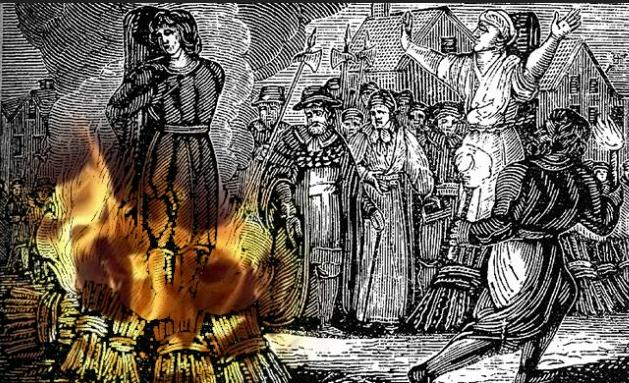
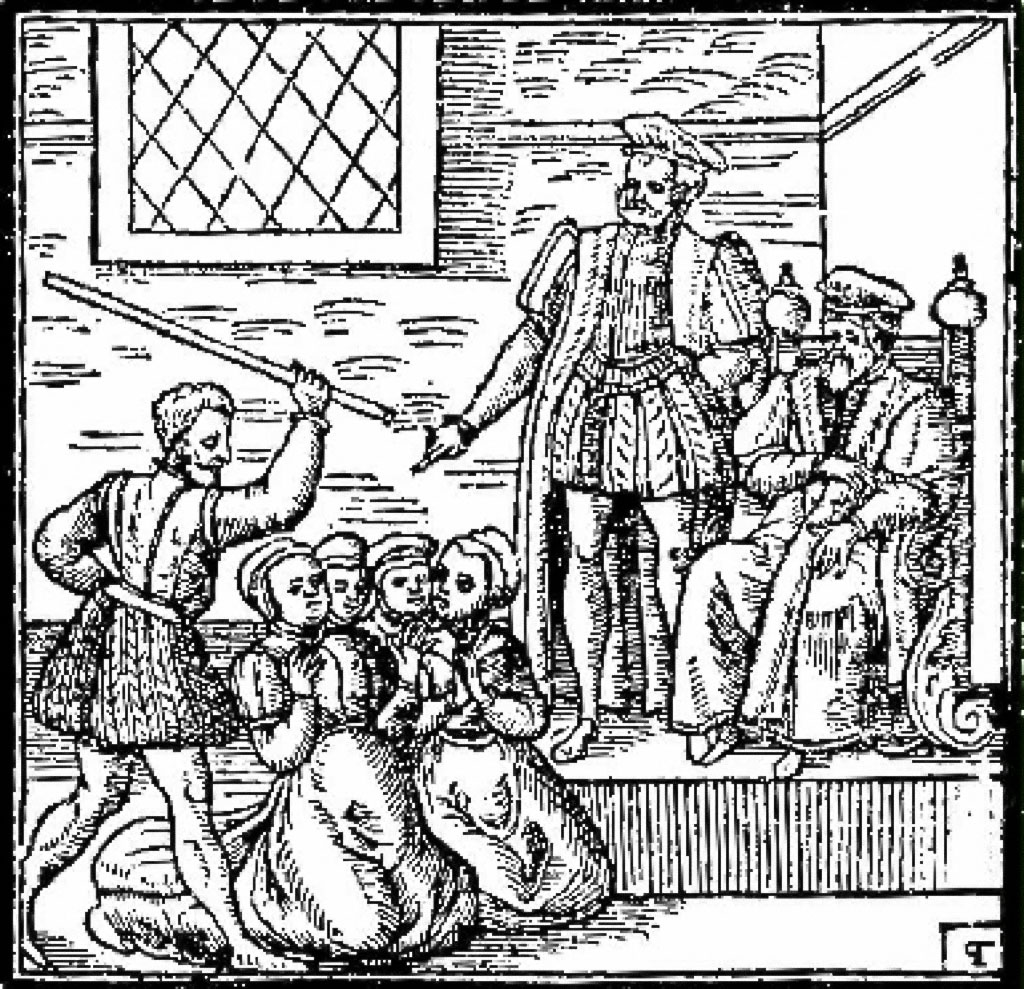
The first to be accused was a young lady from the nearby town of Tranent called Geilis Duncan, already under suspicion before the fateful storm. So naturally, when hunting for witches began, hers was the first name to crop up. A maidservant by trade, Duncan was prone to sneaking out at night, clearly to engage in witchcraft. She was tortured with the use of thumbscrews which tightened on her poor digits until they broke, leaving her in excruciating pain. The torture was too much, and Duncan confessed, but worse than this she was made to implicate others. Witches, after all, run in covens and so there is never just one.
Thus, the North Berwick Witch Trials began and, following a law passed by Mary Queen of Scots (James VI’s mother) in 1563, accusations of witchcraft were punishable by death. One of the people implicated by Geilis Duncan following her torture was schoolmaster John Fian. He, too, was tortured with thumb screws but then he was also subjected to a method called The Boot. This was where the leg was placed into an iron boot that could either be heated, or a wedge driven into the boot so that it would break and crush bones. This led to even more names being provided and more innocent souls being arrested and tortured.
Stories began to build of covens meeting at the St Andrew’s Kirk and dancing in the moonlight for rituals. One of the accused, a mature woman named Agnes Sampson, was accused of taking a cat to the River Forth and drowning it in a ritual to help summon the storm that nearly killed the king. James himself was alleged to have been present in the questioning of Agnes Sampson. It is estimated that over a hundred men and women were arrested, tortured and then executed by either being hung or burned. These were by far the least of some of the punishments that awaited those accused of witchcraft. If you want to learn more about how these poor souls were treated after arrest, pick up a copy of Strange Ways to Die in the Tudor Ages – warning, it is not for the faint of heart.
King James VI’s obsession with the supernatural was not sated following the incident in Berwick. Following his accession to the throne of England in 1603 upon the death of his cousin, Elizabeth I, James began work on a book detailing how to discover, interrogate and ultimately deal with a witch. This book, Daemonology, gained favour in the wake of other works such as the Malleus Malificarum (Hammer of the Witches) and this has become part of the unofficial witch hunter’s ‘canon’. These works later informed and emboldened the likes of so-called Witchfinder General Matthew Hopkins (1642-1647) and John Kincaid, the “Witch Brodder” (witch pricker, named after the method he employed to identify a witch by pricking a mole and if it did not bleed then they were guilty – or perhaps he just used a false retreating needle…).
The Berwick Witch Trials ended in 1592, leaving anywhere between 70-200 people accused and executed (records are not exact on the amount for either). For those who survived, whilst they were spared execution, they would still have faced the stigma of those accusations for the remainder of their lives.
The witch hunt craze would go on from this spark to become a great flame, claiming the lives of a roughly estimated 40,000-60,000 individuals from 1590 to 1750 across Europe, including men, women and children. It was not just Europe affected by this phenomenon, mind you. Approximately 100 years after the end of the North Berwick Witch Trials, almost down to the month, another case of mass hysteria erupted across the pond in America, leading to arguably the most infamous witch trial of them all. The location? A small town in the state of Massachusetts on the East Coast of America. Perhaps you’ve heard of it… Salem.
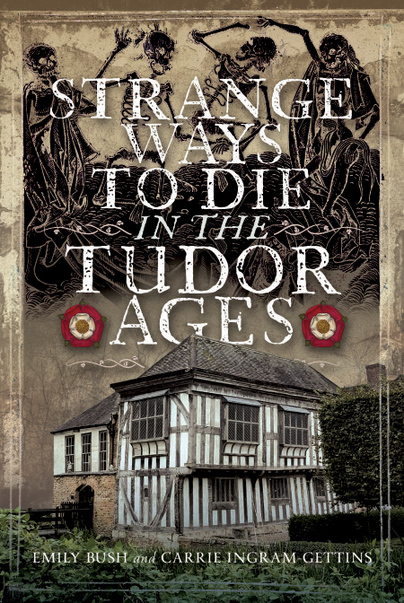
Order your copy here.