Pilgrimage, Past and Present
Author guest post from Michael Brown.
Pilgrimage has become a major trend. Dame Sarah Mullally recently made the news when she followed Chaucer’s pilgrims from London to Canterbury before becoming ordained as the Archbishop of Canterbury. Celebrities regularly feature on BBC programmes as they follow pilgrim routes both home and abroad. Social media has many pages hosted by pilgrim organisations and by individual pilgrims extolling the virtues of various routes and pilgrimage destinations. Travel companies advertise package tours, even carrying your luggage and in some instances, providing rather luxurious rooms.
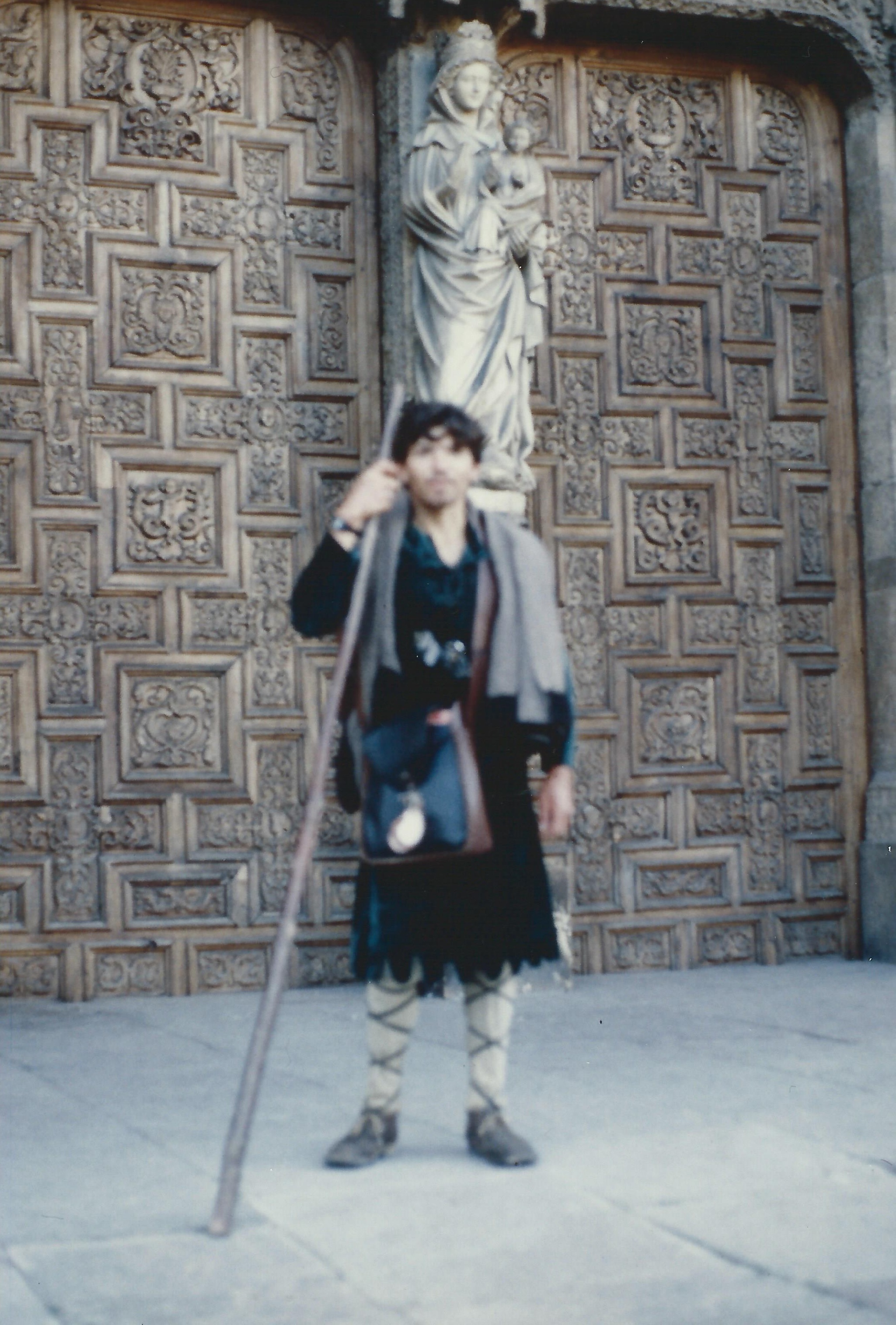
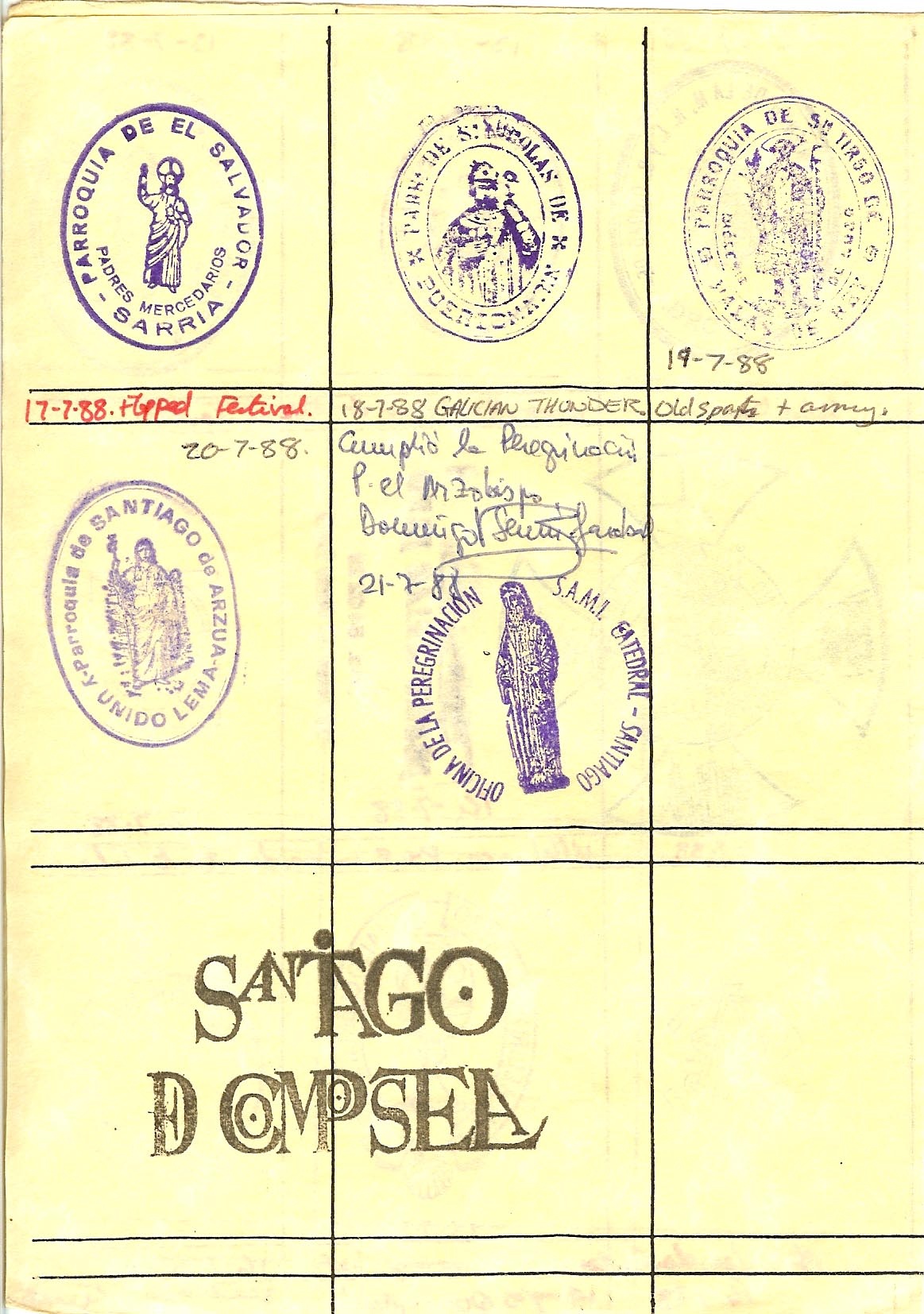
When I made my first medieval pilgrimage in 1982, few people even knew what a pilgrim was. Santiago de Compostela was known only to a few, usually historians and those with a personal interest. When I walked the Camino in 1988, there were just over 5,000 pilgrims during the whole year. Now most months there are many times that number arriving in Santiago on foot or by bike! Going to Santiago is now on many people’s Bucket List.
The British Pilgrimage Trust provides help for pilgrims of all sorts, proclaiming, ‘Walk for your body. Pilgrim for your soul. Bring your own beliefs!’ In Britain, new pilgrim routes are continually being devised or reinvented. Every other route is now being termed, a Camino!
How times have changed.
It is a lifetime ago that I set off from Winchester with the idea of reliving a medieval pilgrimage, to have some idea of what pilgrims may have experienced. It was to be just the once. To say that I had done it. Instead, over forty years later, I still make at least one medieval pilgrimage a year.
My clothing on the first walk was historically accurate. At this period, re-enactment was still in its early days. Now you can buy everything you could possibly want. Back then we had to make everything ourselves. If nothing else, over the years I learned that authentic clothing was better than modern clothing in many respects. I even made my own boots for a pilgrimage from my home to Peterborough cathedral, a distance of some forty miles. Later I bought more expertly made replica boots. I now mostly wear modern footwear as I seem to have to walk on roads more than I did in the past. That said, it was traditional for pilgrims to Walsingham to leave their footwear at the Slipper Chapel and walk in bare feet to Walsingham, the so called, Holy Mile.
I have walked the route in bare feet three times now. I always thought that if felt longer than a mile because of the extra pain caused by walking on a hard road surface, but I can now confirm, with the assistance of modern technology, that this is because it really is further than a mile; in fact, closer to two miles from the Slipper Chapel to the original site of the shrine of the Holy House.
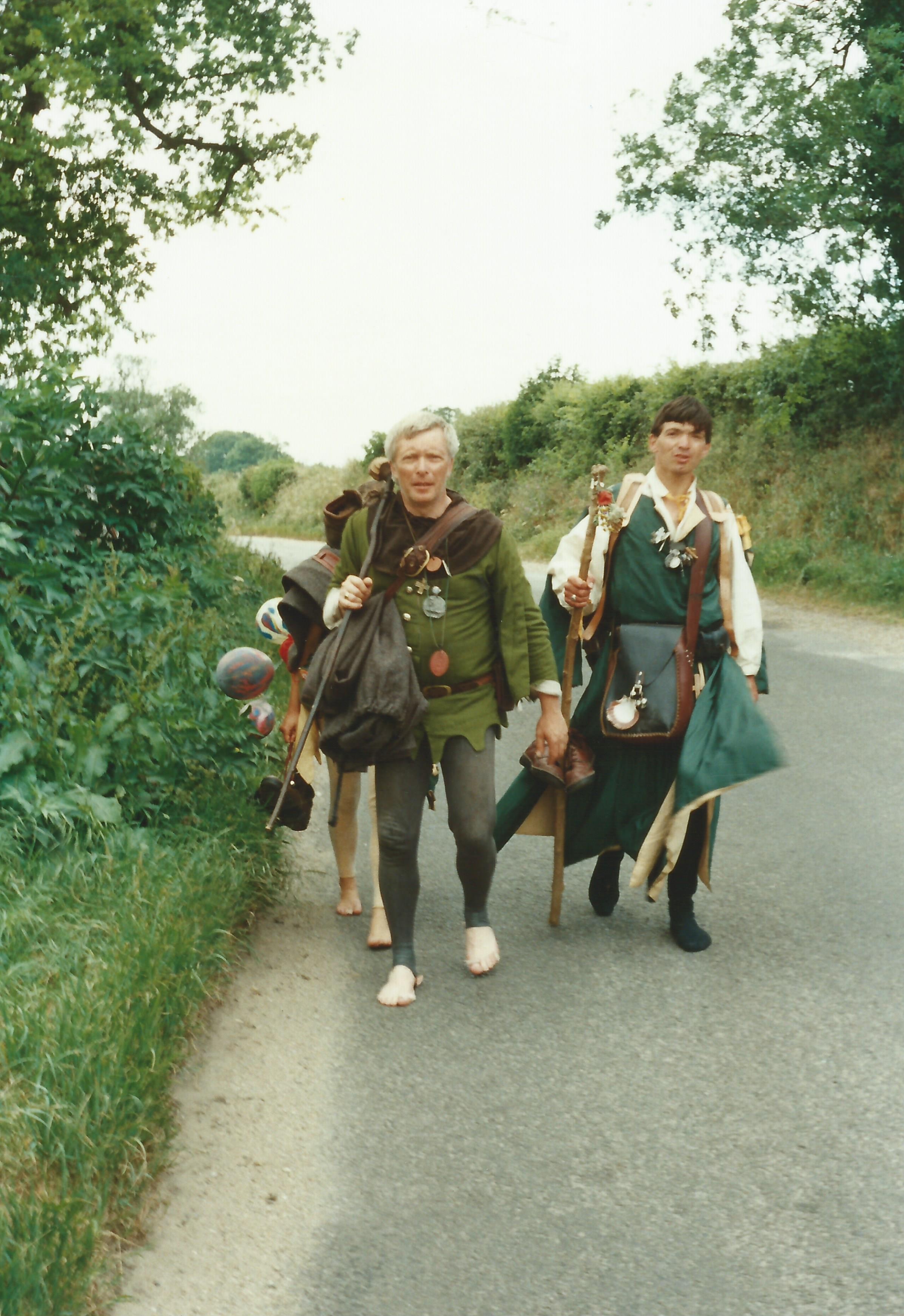
I have walked alone, but also with companions. We are, The Confraternity of Medieval Pilgrims, surely the smallest society ever, with no more than ten pilgrims and several associates. We walk from cathedral to cathedral, visiting as many other places of historical interest on the way. I have walked on long pilgrimages lasting a week or more. Yet but many of my pilgrimages have been of only a day, much the same applied to many medieval pilgrims. The long journeys were for those with time and money to spare. The famous outspoken pilgrim from King’s Lynn, Margery Kempe, travelled to Rome, Santiago and the Holy Land and many other shrines across Europe and England, but she records one pilgrimage that was only two miles from home.
Medieval pilgrims would have spent the night in an abbey or some other religious foundation. We sleep in the fields. I have slept in only one abbey in England. Pilgrims can still claim, The Pilgrims Dole, of bread and ale at the Hospital of St Cross near Winchester. You have to ask for the Dole and will receive a small piece of bread and a few mouthfuls of ale. Not enough to keep a hungry pilgrim on the road for long, but it is good that they continue the tradition of hospitality.
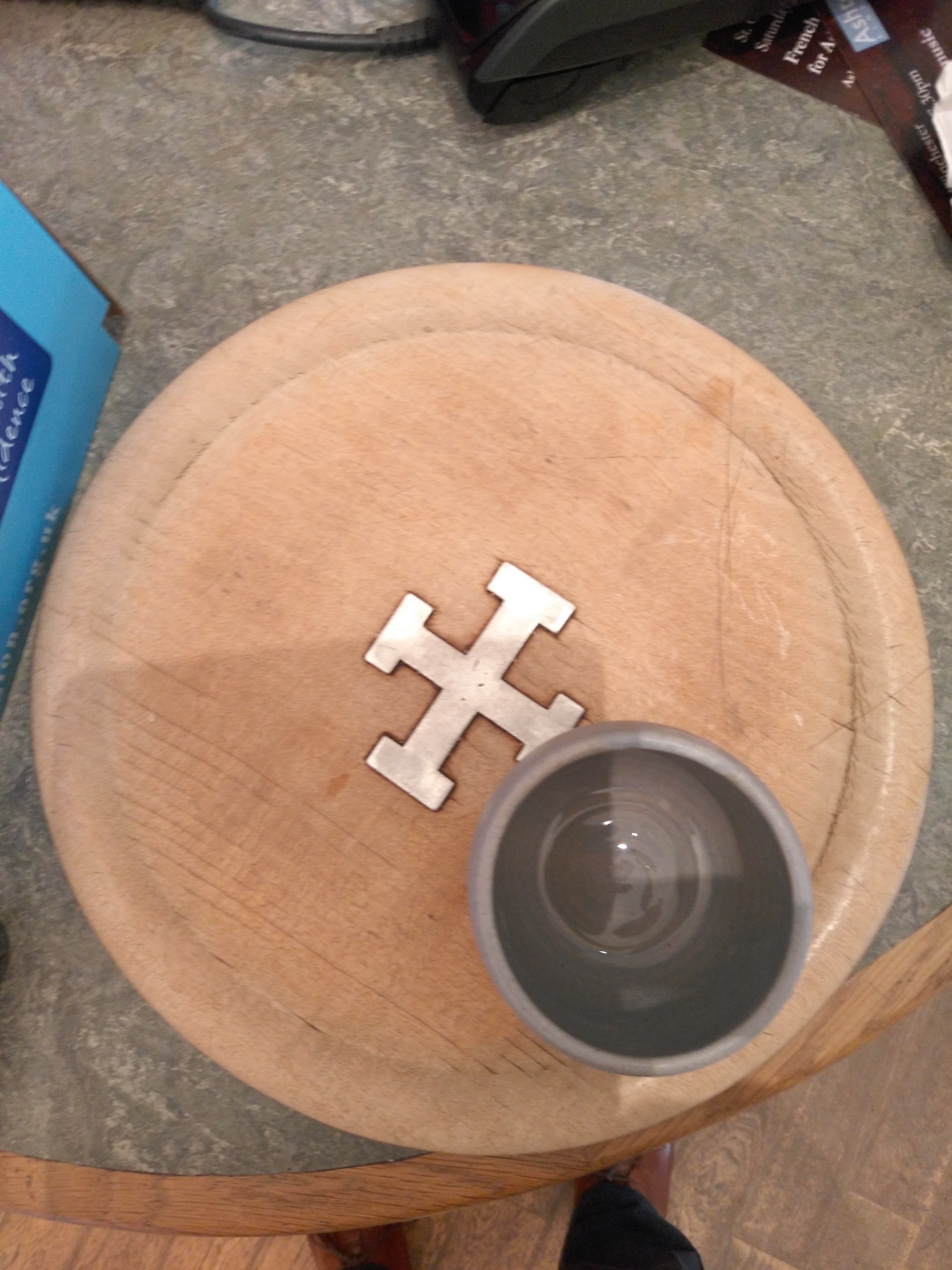
Pilgrims travelled to shrines that housed the relics of saints. Some medieval shrines still survive, but they are not as lavishly decorated as in the past and neither do they display expensive offerings left by wealthy pilgrims. I have often preferred the smaller churches for their peaceful atmosphere, rather than the impressive cathedrals.

Over the years I have walked in England, Wales, France and Spain. There are so many places I would still love to walk to, both in Britain and abroad, but time is not on my side, and my joints are not so good as they once were. ‘It shows that you have led a full and interesting life!’ as a doctor told me.
From barely recognising or welcoming pilgrims, the cathedrals of Britain are now actively encouraging pilgrims to visit them. Pilgrims can buy a passport to collect stamps as a souvenir of the places they visit.
My book is only a fraction of what I have learned about medieval pilgrimage over the years. It tells of saints and rogues. The pious, and those who certainly were not. Pilgrimage is not just the story of religion. It is mostly about people. It is the story of hope and faith. Desire and misfortune, and in some cases, just having a good time away from the usual ties and prying eyes back home.
Many early writers declared that life is a pilgrimage. It still is.
Buen Camino
Order your copy here.