The Frights Behind the Magic: Disney’s Most Terrifying Scenes
Author guest post from Stephen Rötzsch Thomas.
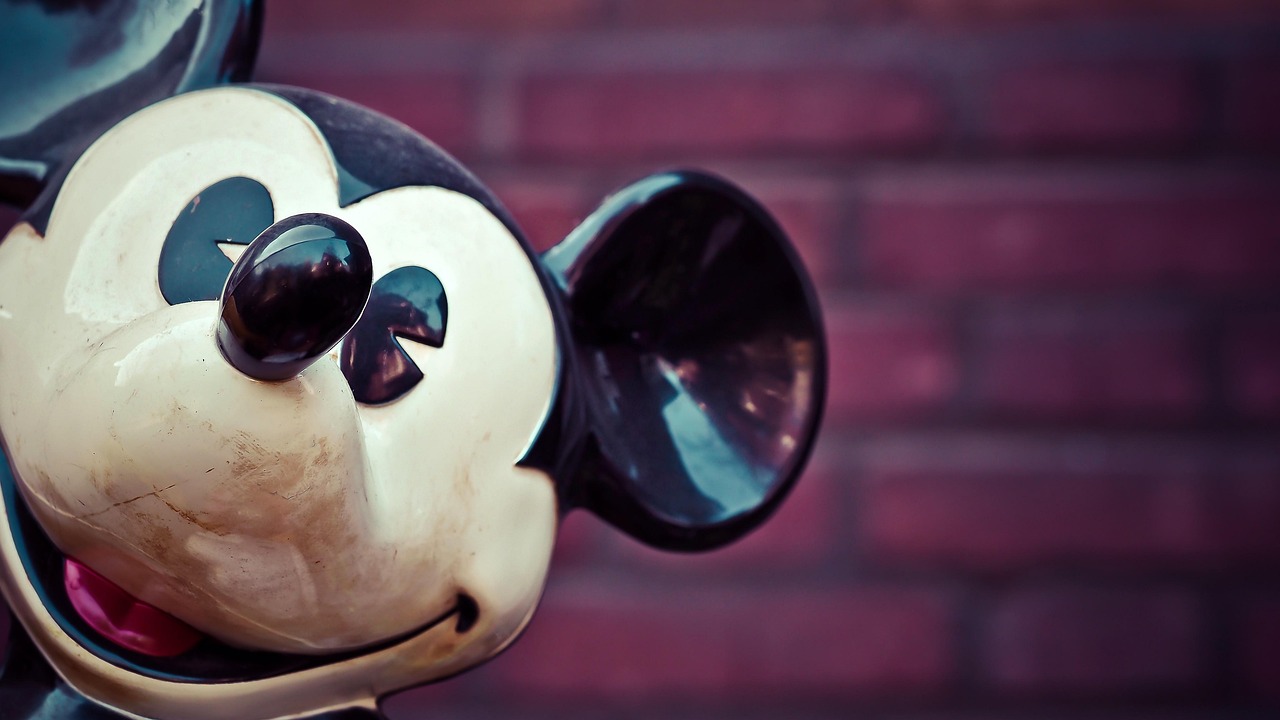
What terror could possibly be hidden within the spectacular songs and vibrant animation of Disney’s animated classics? These are not horror films, after all; they are fairy tales and grand adventures. They are wisecracking sidekicks and talking animals. And yet: think back to your own childhood, or ask anyone you know who grew up watching Disney’s cartoon features, and you will find hidden terrors that seeped into the bone and lingered in the subconscious deep into adulthood.
From the very first animated classic, Snow White and the Seven Dwarfs, moments of horror balanced the levity of songs and love stories. Walt Disney may have opted to soften the edges of the Grimm fairy tales that influenced many of his early classics, but the taste of blood lingers. In Snow White, the Queen’s stately beauty mutates into a grotesque hag. In The Little Mermaid’s final battle, the sea witch Ursula looms large over a galleon—a reflection of the mythical kraken. One of the title characters of 1949’s The Adventures of Ichabod and Mr Toad is no less than Ichabod Crane, the star of Washington Irving’s early American horror classic, The Legend of Sleepy Hollow. Though most of his segment focuses on his romantic endeavours, it nevertheless culminates in a chase by a headless horseman. Here, then, are five of the most horrifying moments in Disney’s animated canon.
5. Pink Elephants on parade – Dumbo
After consuming water that has been spiked with champagne, circus elephant Dumbo endures a psychedelic, hallucinatory nightmare. Rewatching the iconic Pink Elephants sequence as an adult, one is mostly struck by how strange a shift in tone it represents. The animation is abstract, with colourful figures dancing in front of an ominous black background (animation cels were placed on velvet to create the sheer darkness necessary for the scene).
For children, though, this shift of tone only adds another layer to the strange and unnerving sequence. Here is a vision drawn directly from their nightmares, where the rules of the real world do not apply. Elephants march across the screen, up the sides, across the top. They defy gravity, faces without eyes combining into a monstrous being. They inflate and burst like balloons. They transform into snakes, into rushing traffic. They harness the power of lightning, and multiply as it strikes. When, eventually, the elephants fall like feathers from the sky and turn into clouds, Dumbo awakes in a strange new world of his own – he is stuck in a tree. If this is the power that a nightmare has in a cartoon, the children of the audience are left to think, what horrors will our own nightmares bestow upon us?
4. Fagin and Sykes at the docks – Oliver & Company
I think of myself as a man of reason and rationality. I have no time for ghosts, and demonic possession has never felt like a threat I should pay any particular heed to. My greatest fear is far more reasonable: getting accidentally caught up in organised crime. I used to think this stemmed from watching films like North by Northwest and Some Like It Hot—you know, the usual sources. But maybe the true origin of this fear lies in Disney’s 1988 classic Oliver & Company.
In one early scene, petty thief Fagin is visited by the slick loan shark Sykes, to whom he is indebted. In the murky smog of New York’s docks, Fagin desperately pleads for more time to repay what he owes. In his grubby little boat below, his pet dogs (and criminal accomplices) are threatened by Sykes’ vicious Dobermanns. As a child, the dramatic setting of the sequence was already unnerving – few places in the Disney canon felt as far from home as the towering dock, the cold water, the swirling fog. But the real horror was the glimpse of a hitherto unrealised reality: that sometimes even the kindest of people can get caught up in events beyond their control and be forced into dangerous situations with no easy way out. To this day, I’d rather find myself up against a ghost than a man like Sykes.
3. Hellfire – The Hunchback of Notre Dame
Who needs organised crime when you have corruption among those who are meant to protect us? The writers of 1996’s The Hunchback of Notre Dame changed the villainous Claude Frollo from an Archdeacon into the Minister of Justice in an attempt to avoid upsetting Christian groups. It did not work, not least because Frollo remains a deeply religious man who uses his faith as an excuse to torment the most vulnerable people of Paris.
Frollo’s big musical number at the heart of the film is unlike anything else Disney have released before or since: it’s horny. Rampant sexuality and intense religious beliefs collide throughout the history of horror in cinema, and here is a quick primer for children to enjoy before their afternoon nap. The sequence has everything: ominous shadows, faceless hooded figures, sexual desire, Catholic rhetoric and a sexy flame woman (that animators were made to add clothing to after she was deemed too risqué in her original fiery form). The terror here is all the worst for how plausible it is – the idea of a man, filled with lust, and willing to burn down the world to sate it.
2. Pleasure Island – Pinocchio
For all of Pinocchio’s iconic elements – ‘When You Wish Upon A Star’, Jiminy Cricket, the growing nose (that only appears in a single scene) – it can be, well, a bit of a slow burner. Better enjoyed in adulthood, the film tends to lose younger audiences’ attention. Well, until one pivotal scene. Drawn to the mysterious Pleasure Island, Pinocchio and dozens of young children indulge in cigars, sweet treats and riotous, destructive behaviour. The island is run by a mysterious couchman, who ominously states, ‘give a bad boy enough rope, and he’ll soon make a jackass of himself’. And indeed, that’s precisely what happens: the island magically turns naughty boys into donkeys, which the coachman packs up and sells to salt mines as animal labourers.
The film’s most unnerving sequence revels in a child-friendly sort of body horror, transforming Pinocchio’s wayward friend Lampwick into a donkey. Much of the transformation happens off-screen, with the pivotal final moment occurring through shadows on a wall. But the horror of it is all too apparent – emphasised by the sheer panic of the mutated Lampwick.
1. Night on Bald Mountain – Fantasia
While Disney’s sixty-three animated classics have their fair share of eerie and haunting moments, nothing matches the direct horror of Fantasia’s closing sequence. Built around Russian composer Modest Mussorgsky’s ‘Night on Bald Mountain’, the segment exposes audiences to the ancient Slavic deity Chernabog, who summons ghosts and demons to party at the peak of his mountain home. Mussorgsky’s thunderous music dominates and helps to create the only sequence across the animated canon that I could never watch in full as a child, rushing to the video player to stop the film early.
Even as an adult, it is an incredibly dark and unnerving watch – ghostly skeletons rise from the earth, and writhing demons dance amongst flames; in some cases are the flames. The arrival of a gentle parade of Christians at the end is too little, too late. The children won’t be sleeping tonight—Chernabog awaits.
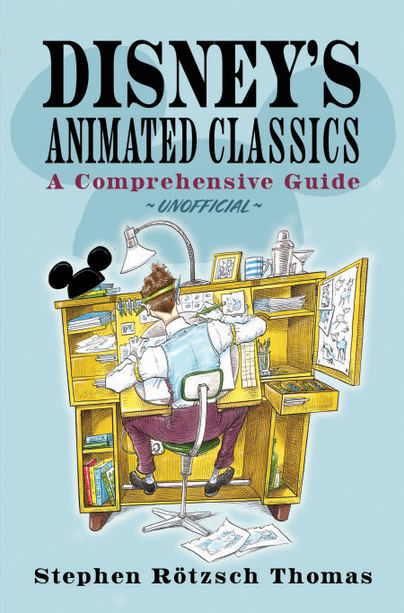
Order your copy here.