Investigating the Lives of Children of the Victorian Poor
Author guest post from William Ellis-Rees.
1. Encountering the poor London child
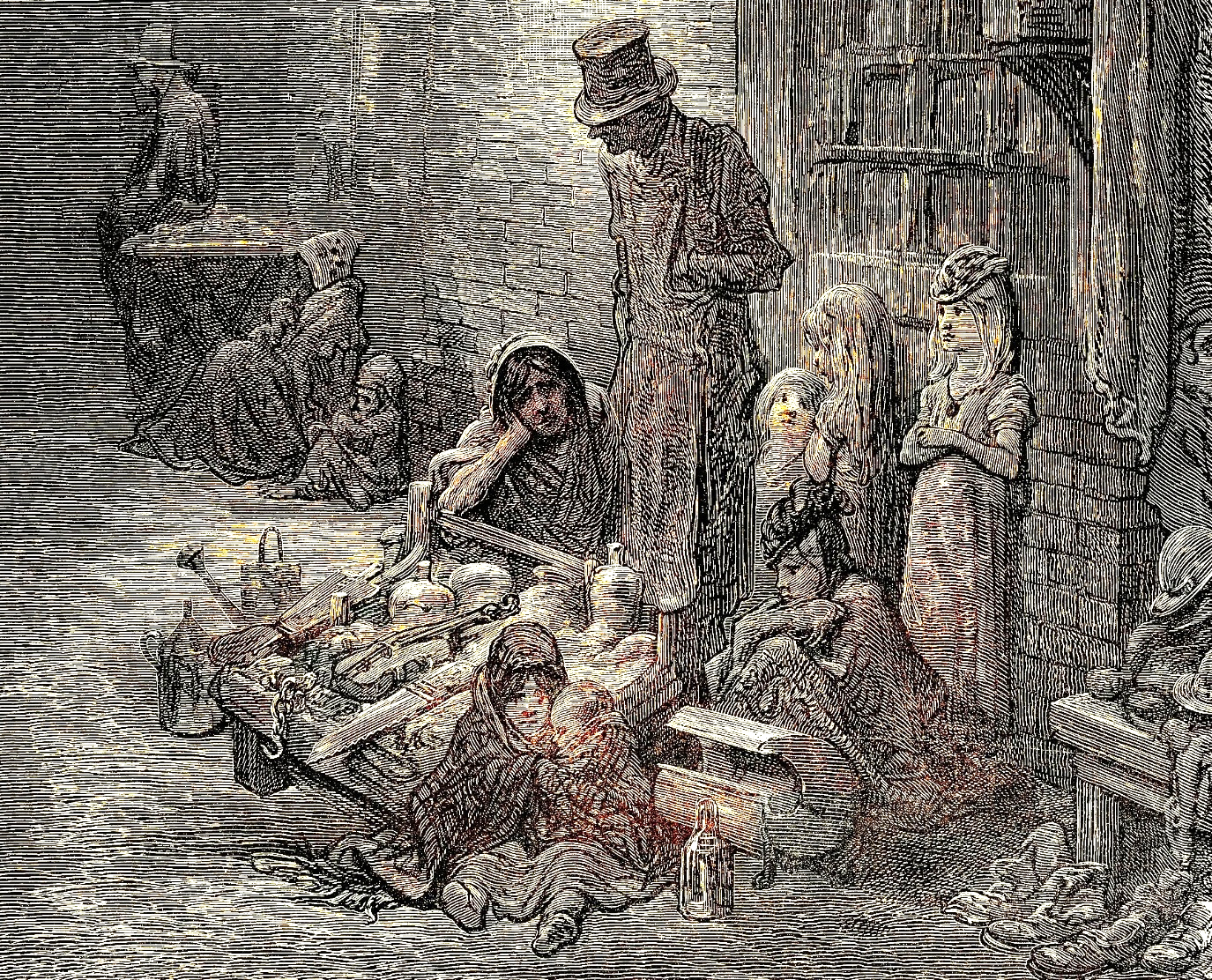
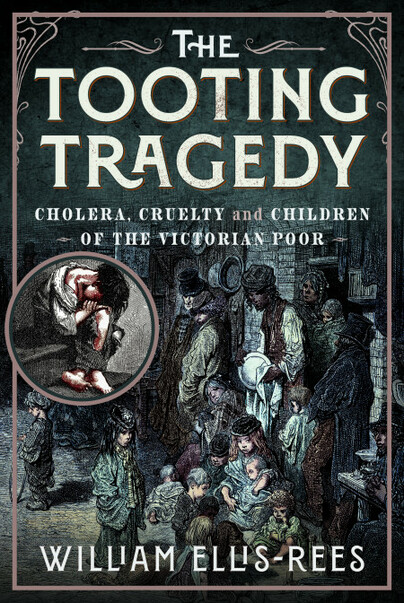
My book The Tooting Tragedy has many themes: profiteering private contractors, epidemic cholera, the byzantine workings of poor law administration — to name only a few. In the end, though, the story is about victims, and in the case of Surrey Hall and its cynical proprietor, Bartholomew Peter Drouet, the victims were children from the London workhouses. They were the sort of destitute and marginalised children encountered in the novels of Charles Dickens and the reportage of Henry Mayhew.
Dickens and Mayhew are certainly valuable sources, as are the official documents and records of government bodies and parish authorities, without which the research for my current book and other such projects would not have got very far. However, for its many insights, few sources can rival the journal of Martin Ware. Although the journal postdates the Surrey Hall scandal — it starts in 1850 — it is hard to imagine anything getting us closer to the children who fell into Drouet’s clutches.
2. The reality of Victorian poverty
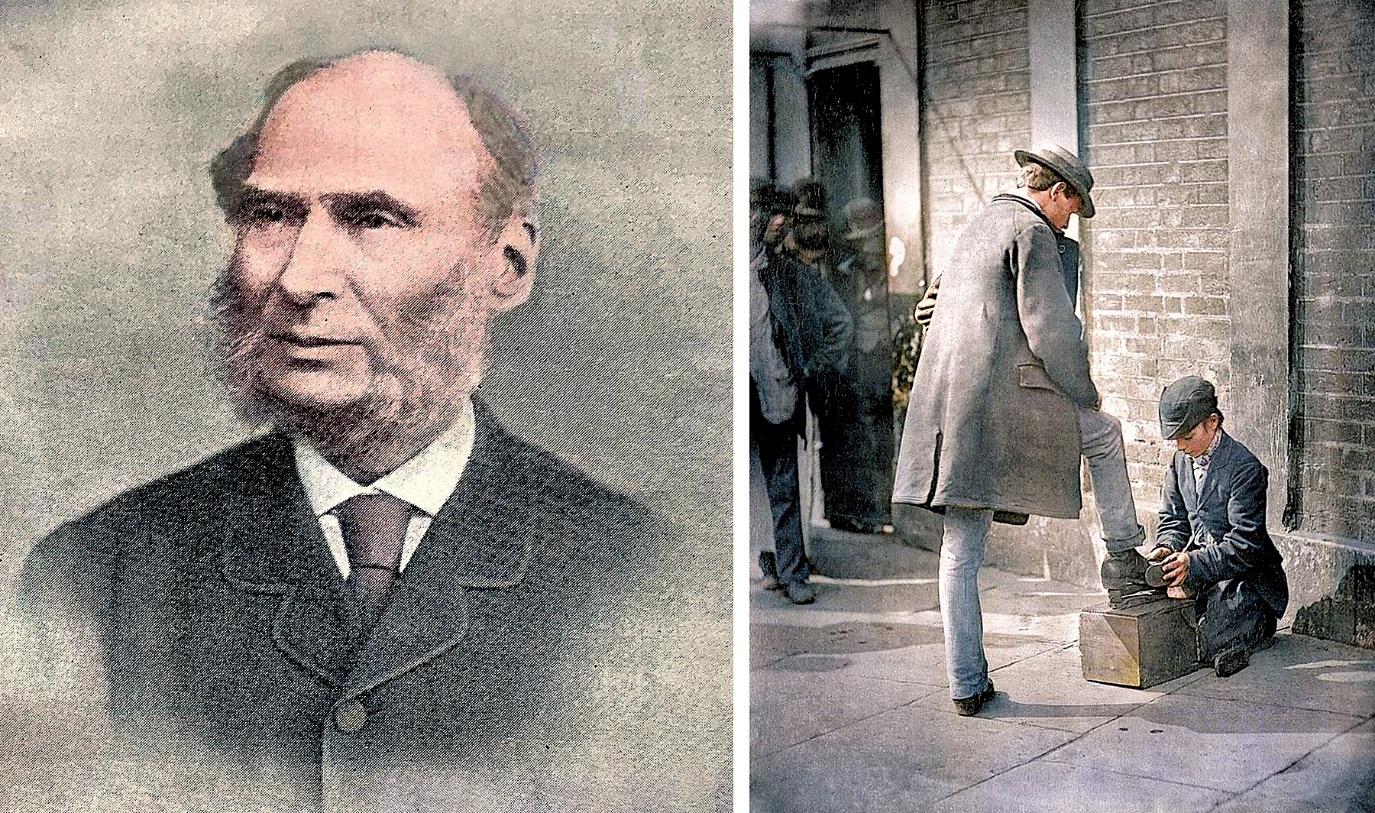
Ware was called to the Bar in 1845, but he abandoned his Lincoln’s Inn practice in favour of law reporting and the advocacy of good causes, one of which was the ragged school in Compton Place in Bloomsbury, where he volunteered as a teacher. Then in 1851, along with the philanthropist John ‘Rob Roy’ MacGregor, he founded the Ragged School Shoeblack Society, the aim of which was to train youngsters from the slums and send them out in distinctive uniforms to ply their trade in the streets of the capital.
In his journal, Ware shines a light on the difficult lives of children at the ragged school, and this at times makes for challenging reading. I can think of few more searing descriptions of the reality of Victorian poverty than his anguished comments about one of his pupils, Robert Watts, who had a troubled relationship with a cruel father and stepmother. Robert was also a consumptive, and when he died in the winter of 1858, Ware wrote eloquently of his feelings of distress.
However, there are some happy endings, and the life stories of the likes of Marcus Worley, for whom see below, are positively uplifting. Not all poor London children sank without trace — a metaphor that will prove to be oddly appropriate!
3. A dysfunctional family
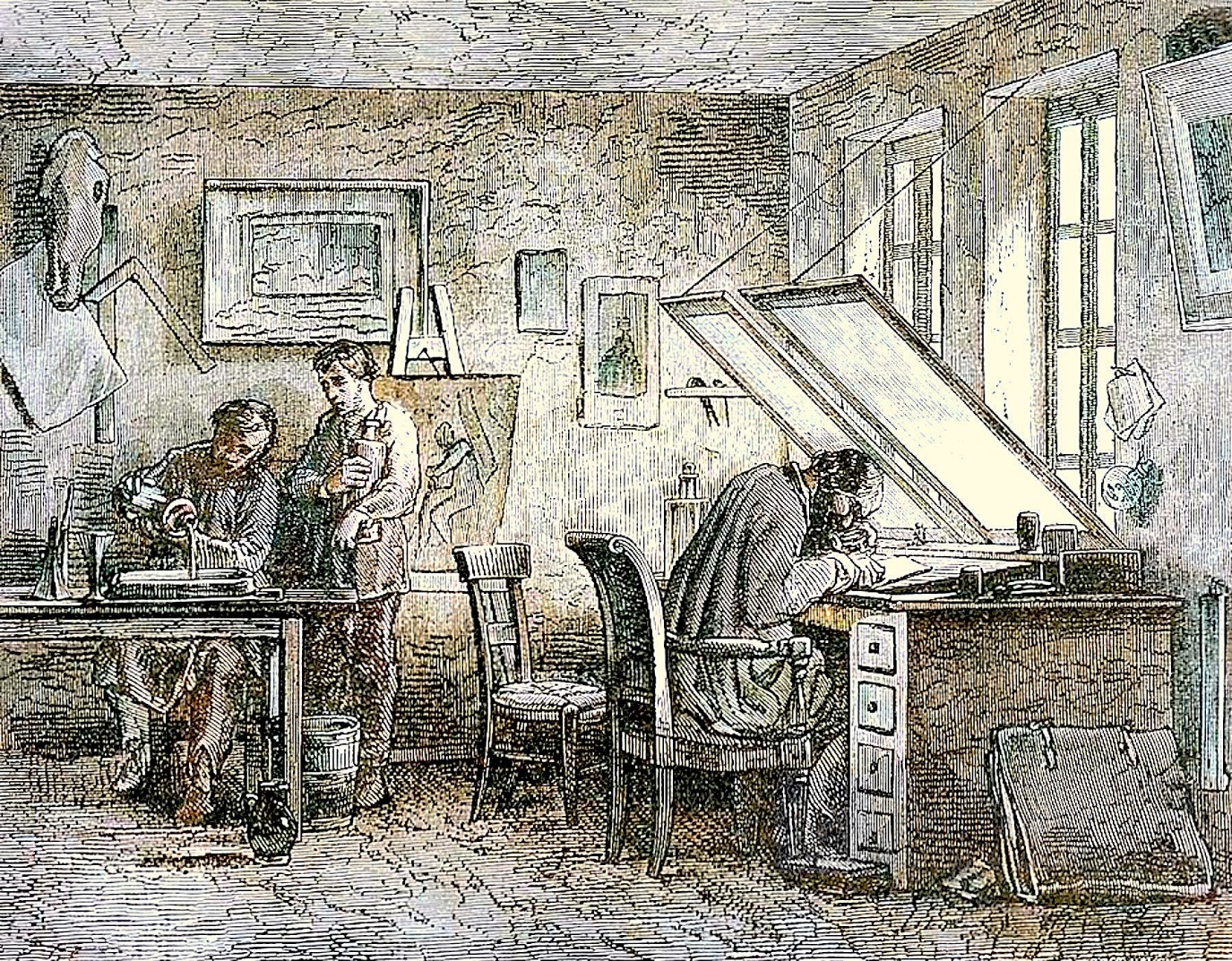
I was especially interested in Marcus’s story because he seemed so like the boys the parishes sent to Drouet’s establishment. He was born in about 1848 in the solidly working-class area of Hoxton, the third of the nine children his mother, Emma Worley, gave birth to. His father, William Worley, worked as a copperplate engraver but he was a drinker, and when he hit the bottle he became violent and had been known to drive his wife and children out into the street. There had been times when Emma had done the same to him.
Ware knew about the problem because Emma had come to the Shoeblack Society to enrol Marcus, and she had described the atmosphere at home in Peace Cottages, a shabby street in Bloomsbury where the family had moved from Hoxton. A few days later Ware paid a visit. It was obvious that William Worley was a violent man, and Ware, sensing tension between father and son, decided to send Marcus to lodge at the industrial school in Constitution Row at the top end of Gray’s Inn Road. Industrial schools were set up to deal with juvenile vagrancy and offending, although some youngsters, like Marcus, were there because they came from dysfunctional homes.
4. A new course in life
When the 1861 census was taken, Marcus was still in Constitution Row, not as a pupil but as a thirteen-year-old shoeblack lodging with the master of the school and his family. There is no evidence that he ever went back to Peace Cottages, and even if he had he would have found it in complete disarray, with his mother applying for a court order to force her alcoholic husband to support their children. Both parents had health problems, and they had a fright when another of their children, ten-year-old Robert, nearly drowned while bathing in the Regent’s Canal.
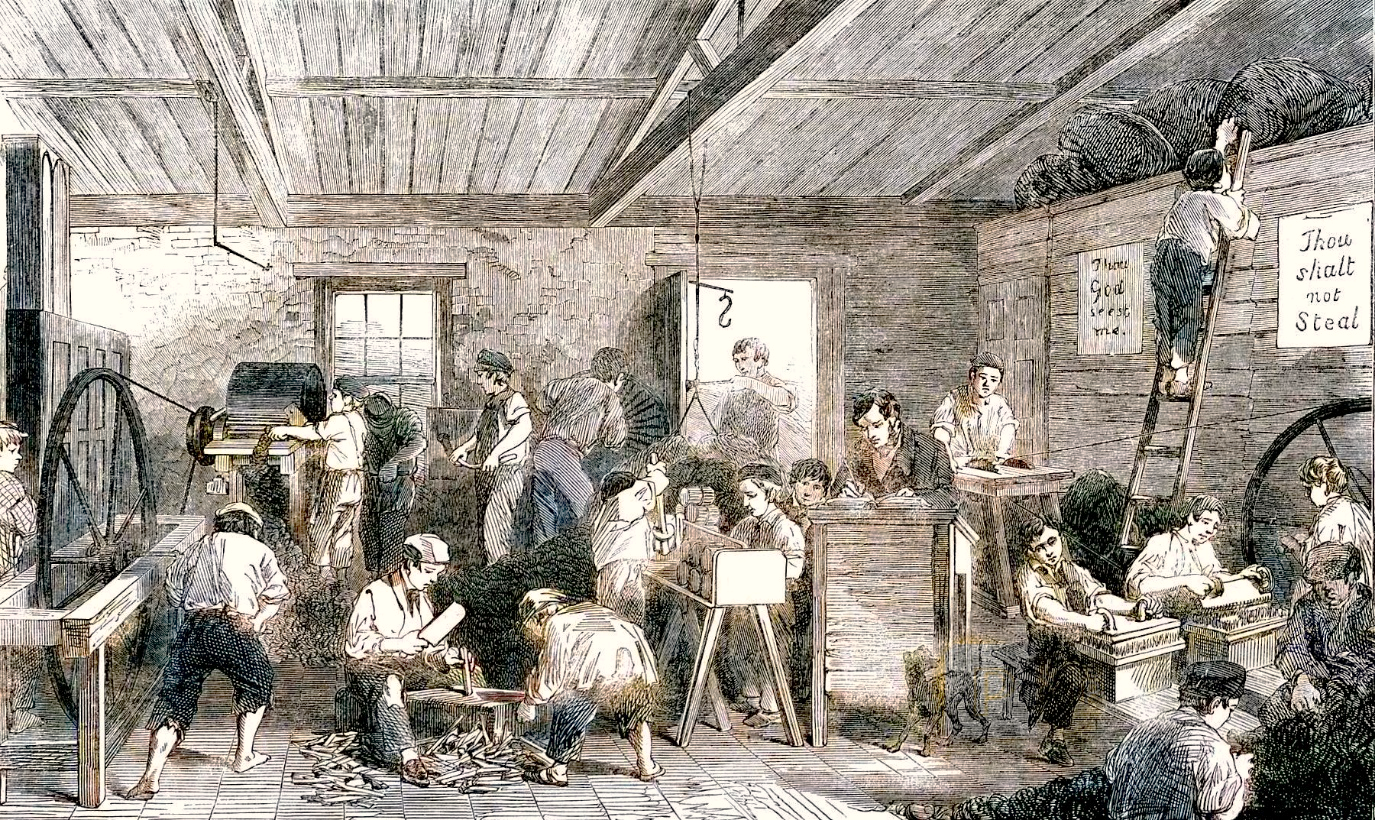
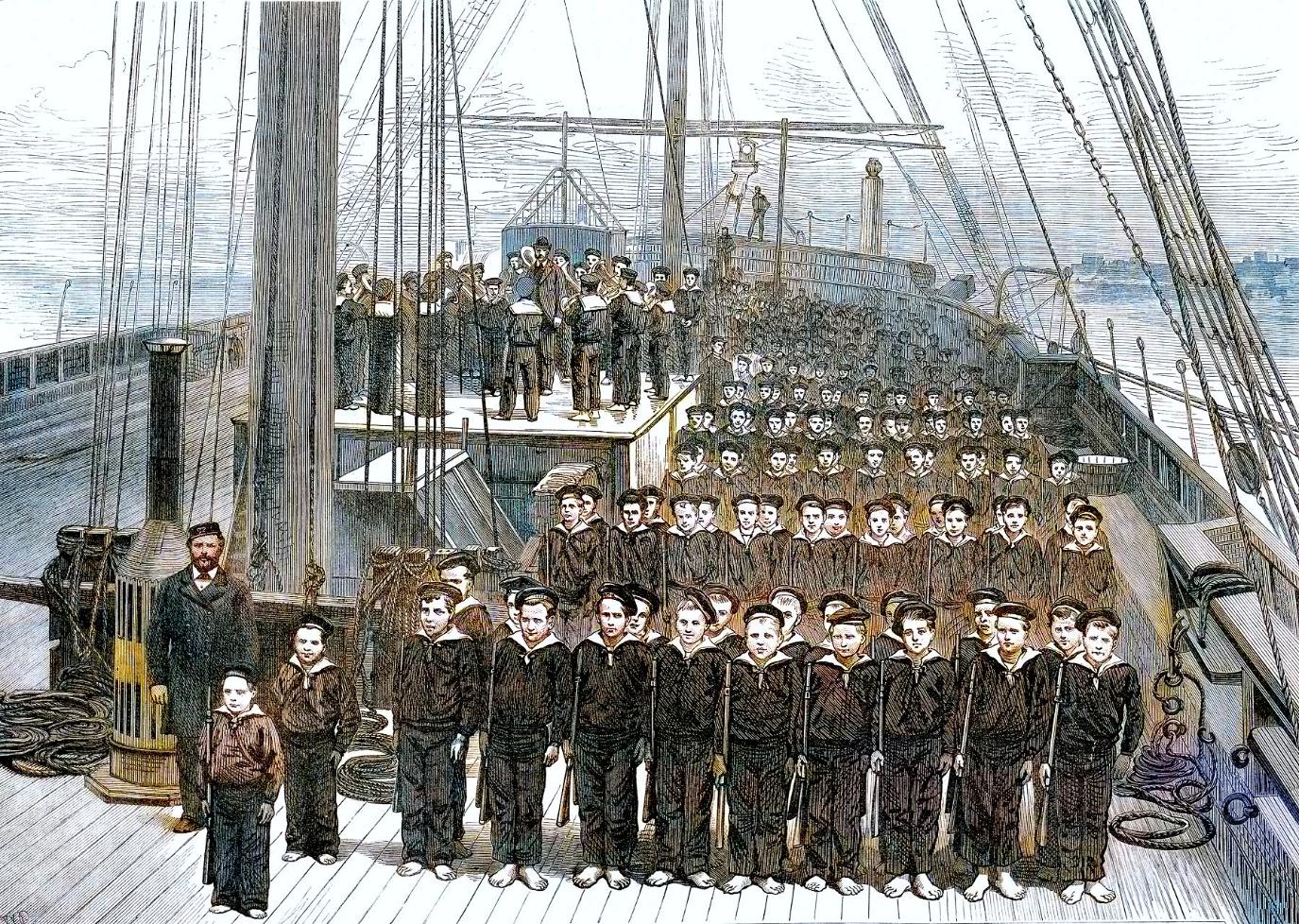
Ware’s journal makes it painfully obvious that Marcus’s future, at least at this point, was bleak. But early in 1863, when he was still in his mid-teens, Marcus went down to Devonport to go on board one of the training ships that gave homeless boys a regular education as well as an introduction to the routines of naval life. In due course he went to sea, serving first on a seventeen-gun sloop operating in waters around Malta, then on a fifty-gun frigate that still carried scars from the Crimean War, and finally on an ironclad battleship that had only recently been built on the Clyde. By the time he was in his mid-thirties he had retired from the navy, and he lived to a ripe old age, dying only in 1931.
5. They are not their past
When I think about Marcus Worley, not just as a boy who wandered the slum streets of the Victorian capital, but also as a man who in his later years lived through the First World War and beyond, I realise that a person is not defined by their past.
Such is certainly the case with the children caught up in the scandal of Surrey Hall. Some survived the Drouet regime — and cholera — and went on to lead meaningful adult lives. In fact a few of these survivors are known by name, and one, Henry Hartshorn, features in the epilogue of my book. Henry is proof that even a cloud as dark as the one that sat over Tooting in 1849 might still have a silver lining.
Author’s note: a longer version of Marcus Worley’s story can be found on the London Overlooked website.
Order your copy here.