Power Couples of the Renaissance: Seeing Both Sides of the Story
Author guest post from Jo Romero.
The Renaissance era (c.1400-c.1700) triggered immense change to the political, cultural and religious structures of society. It saw the birth of the theatre, the establishment of the all-important coffee house and attempts at realistic artistic expression inspired by finds from ancient Greece and Rome. Adventurous architectural projects also rose into the skyline, like Brunelleschi’s dome at the Santa Maria del Fiore in Florence, and a new St George’s Chapel in Windsor. In the 1450s the first works were lifted from the printing press, which, for the first time, made knowledge accessible to all. The period was also famous for its Machiavellian power grabs, with politically-driven murders carried out on dark cobbled streets and poison dripped secretly into wine goblets in the candlelight.
But if we think only in terms of individual acts and contributions to the age, we’re missing half of the story. We all know that Charles II was a patron of Restoration theatre and oversaw the rebuilding of London after the Great Fire of 1666. But what about his wife, Catherine of Braganza? A closer look at the evidence reveals that despite personal challenges posed by plots and a continuous line of royal mistresses, she worked alongside her husband on plans for the new city and triggered a revolution in music and art. She also had a special interest in the navy, once firing a gun at a ship’s launch to the delight of the crowds.
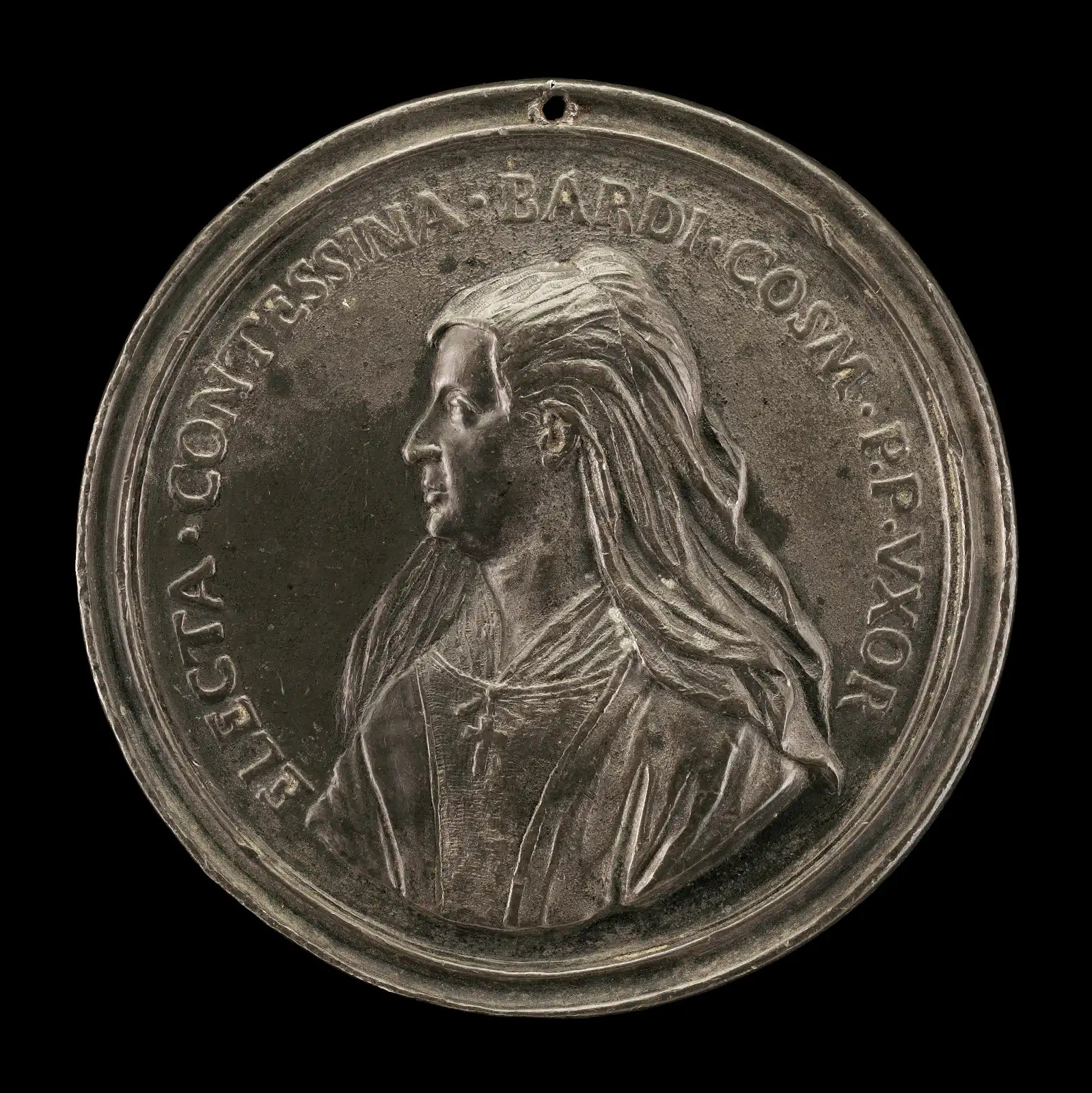
Similarly, we credit Edward IV for the introduction of the printing press in England in the late fifteenth century, but it was really through the efforts of his queen, Elizabeth Woodville and her family that subjects were now able to read new romances, tragedies and classical works translated from different languages. Eyewitness accounts and primary sources show that Edward and Elizabeth presided over a true Renaissance court and tightened administration; an achievement that is even more impressive when we consider that it was during a period of volatile and dangerous civil war.
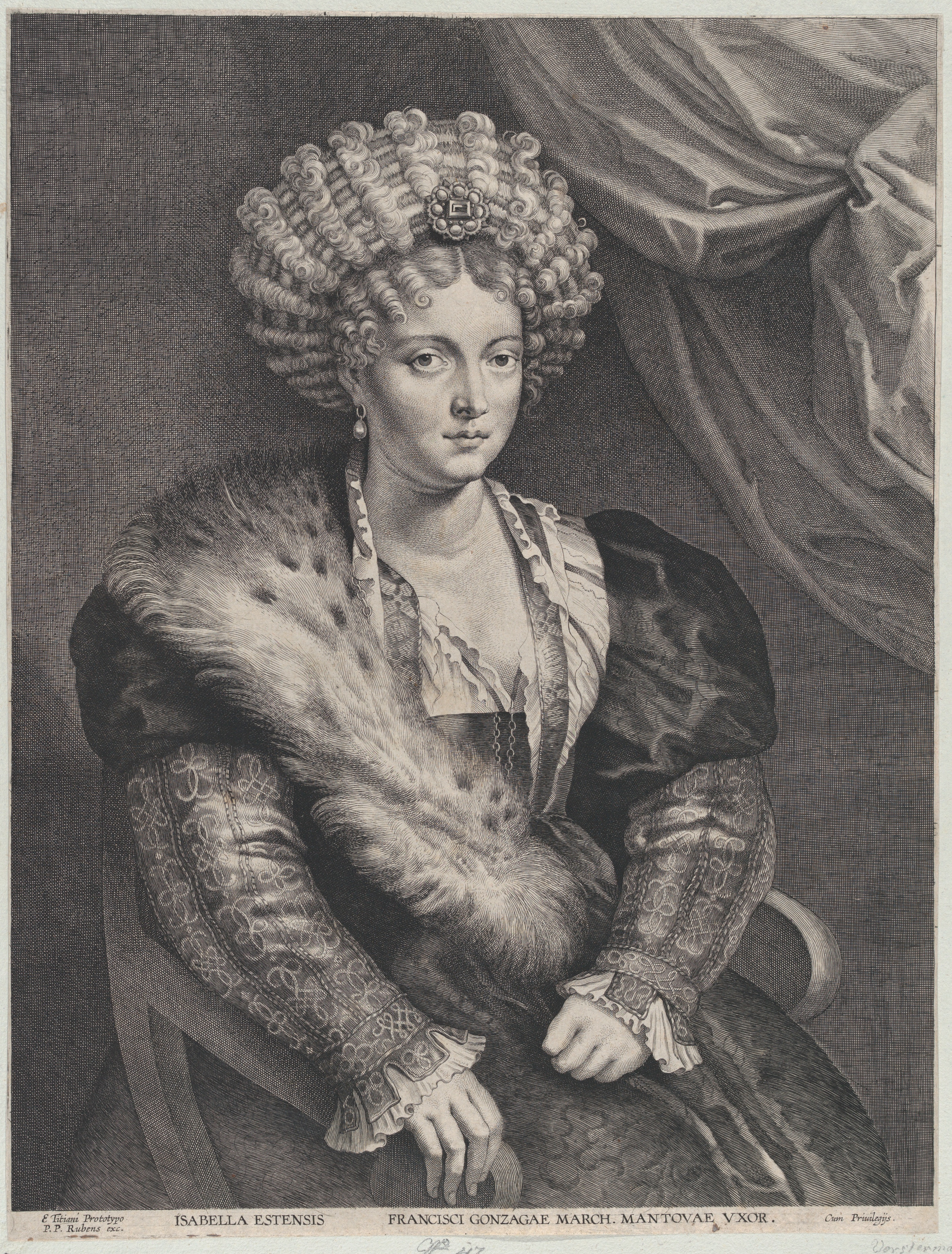
But it’s not only women who have been side-lined in histories of the era. Isabella d’Este Marchioness of Mantua was a well-known collector and patron of the arts who established a social network that included Michelangelo, Leonardo da Vinci and Andrea Mantegna. She was also a wily and gifted diplomat, forging relationships with neighbour states and sweet-talking international leaders into alliances. But her husband, the war-like and temperamental Francesco Gonzaga, is not often acknowledged for his own contribution to the arts. He was also an important patron and encouraged artists to produce realistic depictions of the human form, once aiming a loaded crossbow towards his unlucky painter. Francesco and Isabella had an often-rocky side to their relationship, but he always supported his wife’s hobby, allocating part of their home to store her growing collection of antiquities.
Another husband, William Cavendish Duke of Newcastle, usually stands by in modern times as his wife, Margaret, steps into the spotlight. She was a poet, philosopher, scientist and playwright of the seventeenth century, but William also enjoyed a creative career, achieving fame for his own written works and tirelessly supporting and defending his wife against the era’s restrictive gender ideals. Isabella of Castile also often receives modern focus from writers for her military, diplomatic and political achievements. However, on closer inspection these were often the result of continuous collaboration with her husband Ferdinand of Aragon, the couple dividing up tasks and publicly asserting their combined rule over Spain.
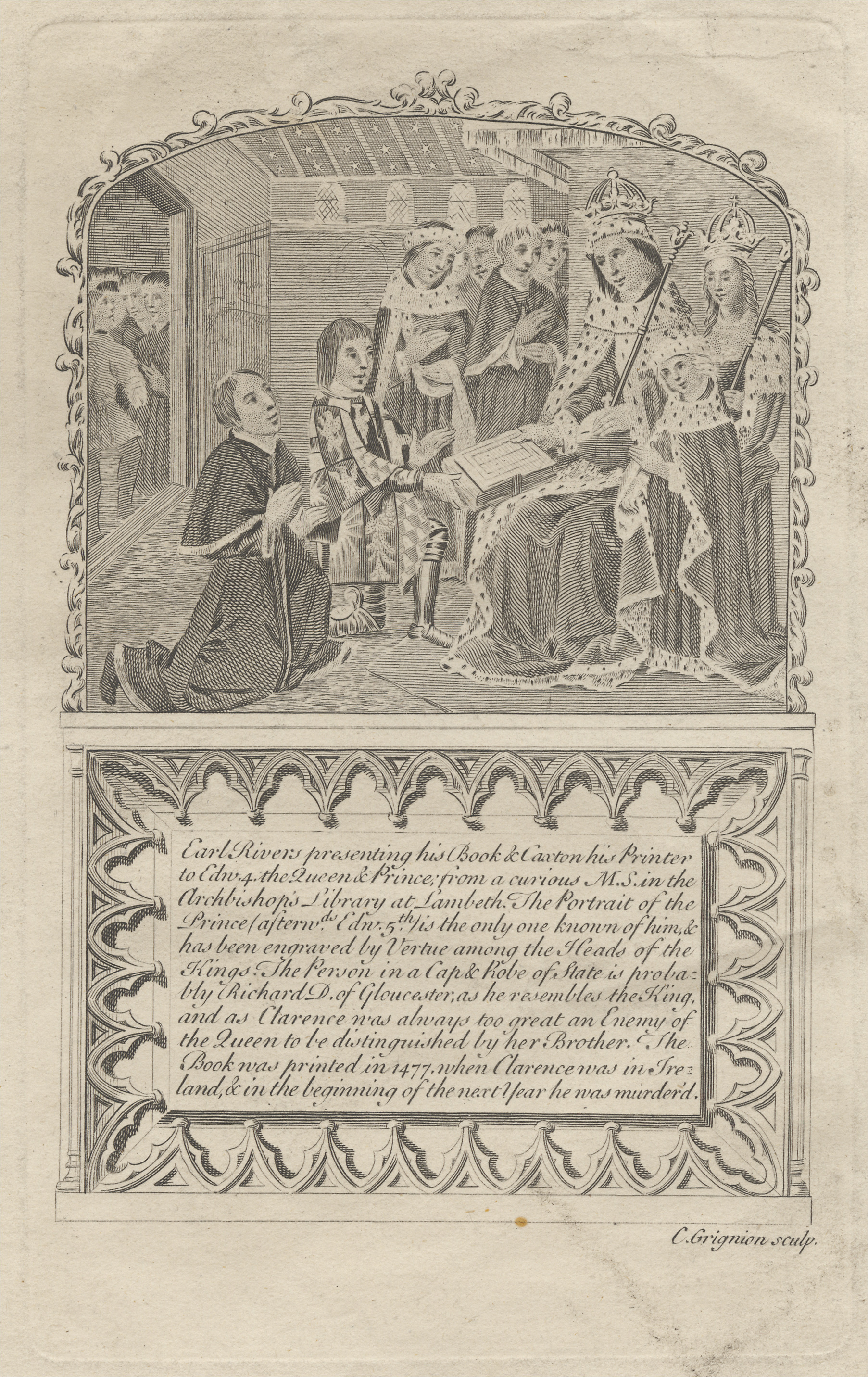
We should also acknowledge the efforts of less-well known couples of the period. Shah Jahan and Mumtaz Mahal of the seventeenth-century Mughal Empire were collectors and fans of Italian art, and governed with brutality and astounding luxury. Without their partnership we wouldn’t have one of the ‘wonders’ of the world to enjoy today, the Taj Mahal. Cosimo and Contessina de Medici are also generally forgotten, but it was through their joint efforts that the infamous family first rose to become popes, rulers and soldiers of the following generations. Their story of survival, scheming and family life in the balmy Florence heat reveals the origins of the Renaissance era itself. Pocahontas, the Native American princess, married Englishman John Rolfe and together they promoted overseas settlement and founded the Virginia tobacco industry. One often-neglected partnership between the poet Laudomia Forteguerri and the Habsburg ruler Margaret of Austria triggered philosophical and poetic debates over same-sex love in sixteenth-century Italy. Finally, Dutch artists Judith Leyster and Jan Miense Molenaer experimented with new approaches to artistic style, subject matter and the changing focus of the Renaissance while raising their family and navigating parenthood.
It is crucial then, to look at both sides of the story of this captivating age and acknowledge the partnerships that drove its progress. Each of these couples wielded significant joint power triggering political, religious, economic, social and cultural change as new questions were debated and traditional medieval concepts were dismantled. It is a fascinating story, and one which resulted in the age as we know it today.
Order your copy here.