How a Quiet Surrey Village Found Itself at the Centre of a National Scandal
Author guest post from William Ellis-Rees.
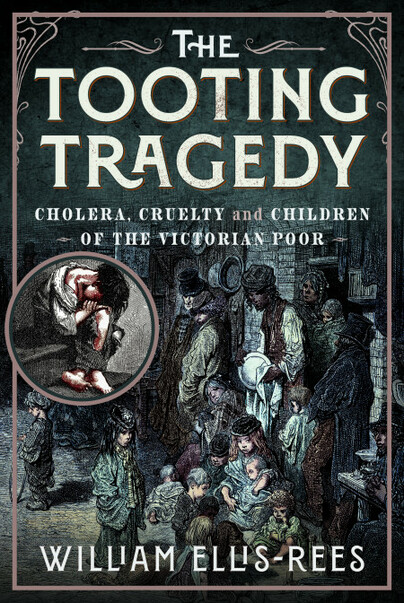
When I set out to write a book about the Surrey Hall scandal, I realised that it was important never to lose sight of the workhouse children who were the victims of the tragedy. For although many adult characters weave their way through the text, it is first and last the experiences of poor Victorian children that makes it a powerful story.
As my research progressed, I unearthed some interesting facts about the institutions that were set up to ‘manage’ these vulnerable members of society. It was also surprising how much could be discovered about individual workhouse children. Some could almost be heard speaking because their statements at formal inquiries — and there are a number of these in my book — were preserved in poor law documents and newspaper reports.
Here are five examples of the discoveries I made.
1. London workhouse children were not always kept in workhouses.
This may sound odd. However, it was believed that the interests of poor children were best served by their being moved away from the city, which was thought to be both physically and spiritually unhealthy. Also, the metropolitan workhouses were frequently overcrowded, and relocating children freed up space for adult inmates.
So where did these children go? The answer is to infant or juvenile pauper establishments, which were operated, very profitably, by private contractors.
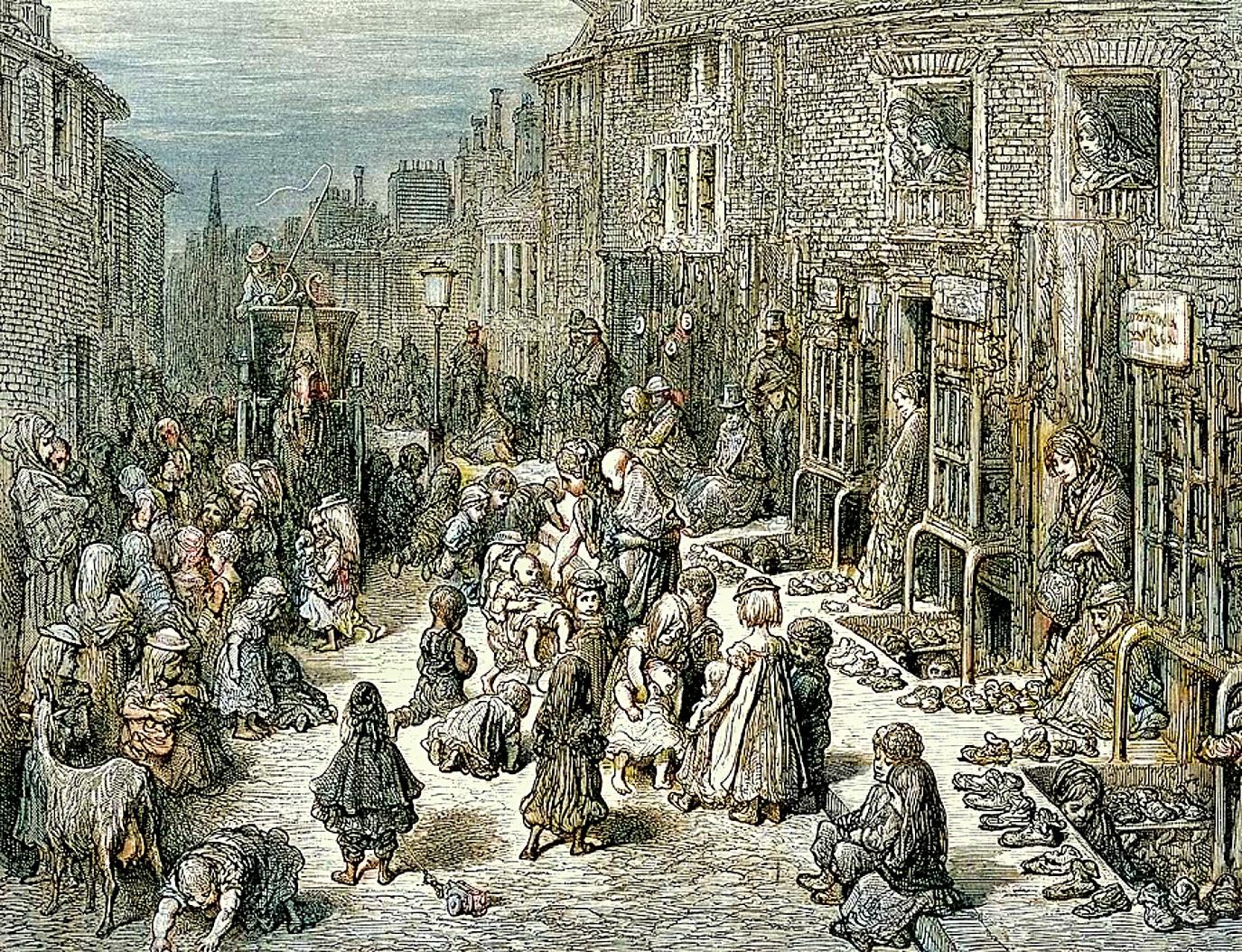
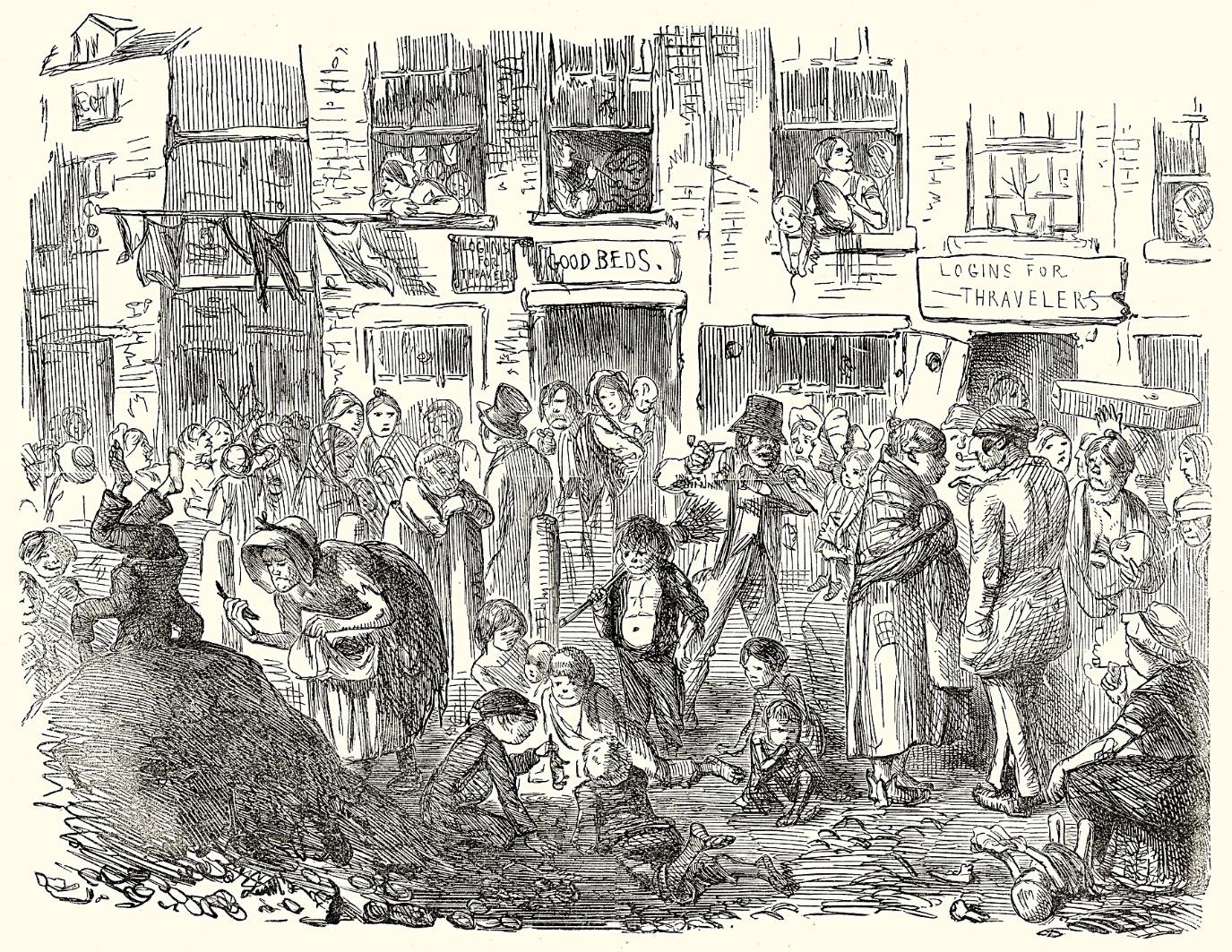
The establishment I became particularly interested in, Surrey Hall, was only a few streets from where I now live in Tooting. The contractor was Bartholomew Peter Drouet, and one of the questions my book addresses is just what sort of man he was. Suffice it to say here that Surrey Hall was already a terrible place in 1849 when cholera broke out. The buildings were overcrowded and unhygienic. The children were underfed, poorly clothed, and exposed to the violence of cruel adults. Cholera was only the latest item in the catalogue of their sufferings.
2. At the time of the tragedy Tooting was a village in Surrey.
This may come as a surprise to those who know Tooting as a busy South London suburb, but in the mid-nineteenth century it was still rural, and Drouet would have turned this to his advantage by claiming that children in Surrey Hall were fortunate in having been removed from the slums of the capital.
What he would have passed over was the appalling state of Surrey Hall itself. And there would have been no mention of the astonishing number of inmates he crammed into premises that were simply not fit for purpose.
If that was not bad enough, a vile sewer known as the Streatham Drain ran through the village. It skirted Drouet’s property, and when the cause of the cholera outbreak was being investigated, it had a starring role. Here is the reason why.

3. It was widely held that cholera and other such diseases were caused by bad smells.
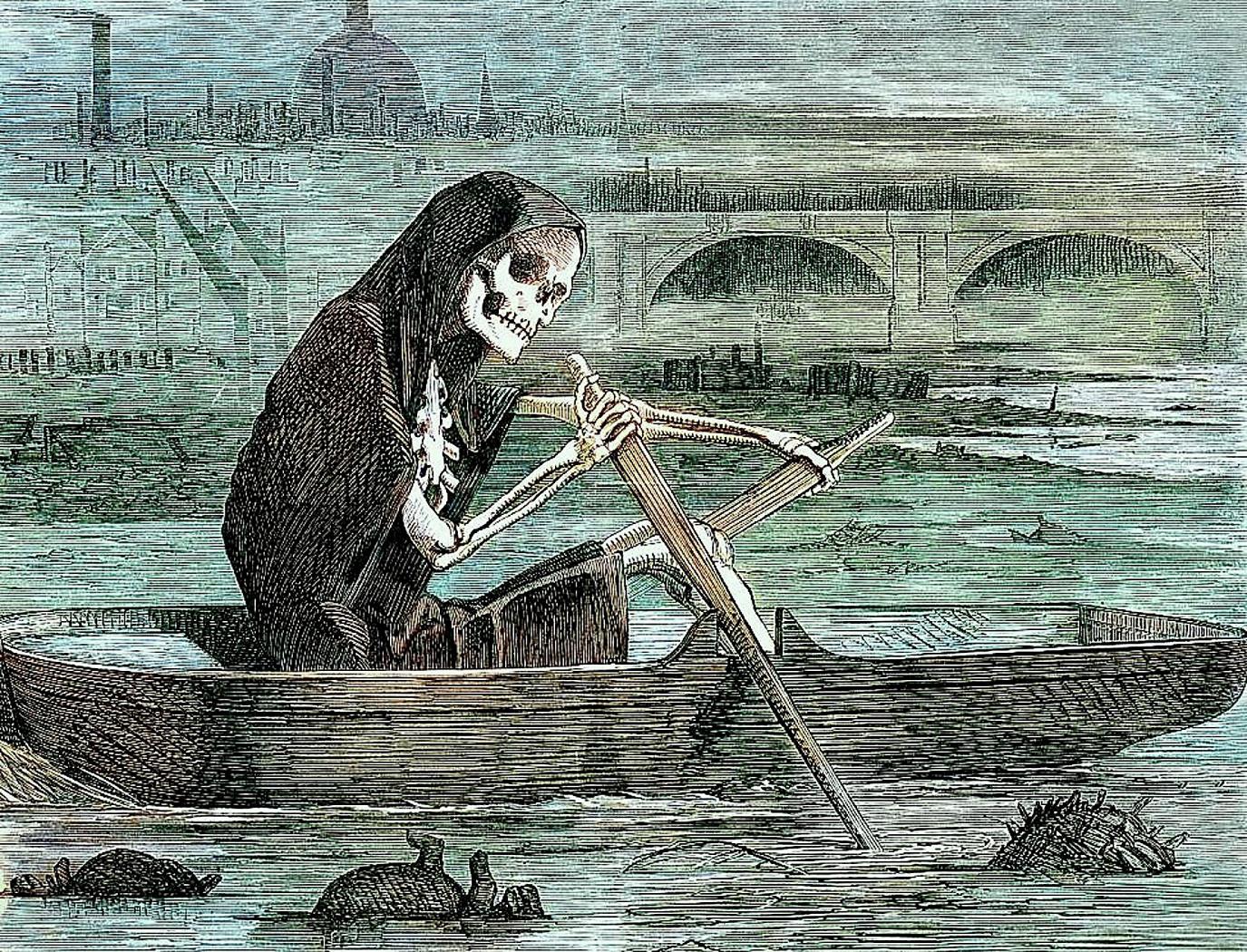
It was only a few years after the Tooting tragedy that Dr John Snow made his important discovery that the source of cholera was contaminated water. But in 1849 the belief that the disease was spread by foul air still held sway.
This was the miasma theory of disease. To modern minds it might seem unscientific, but it was a powerful concept, and in my book I explain how it played into the hands of Drouet’s critics, who were quick to blame him for the awful consequences of the cholera that broke out among the young inmates of his pauper establishment. And even if the nature of the outbreak was not properly understood, Drouet’s many other failings most definitely were, and these constitute an important, and distressing, element of the story.
Who were Drouet’s critics? Medical professionals and newspaper editors, for starters, but they were not alone.
4. Concerns about Surrey Hall reached government circles.
As I researched the story, I was intrigued by the complexity of poor law administration. In principle, the children in Surrey Hall were the responsibility of the workhouse guardians, who in turn were answerable to the Poor Law Board. Drouet, though, did a lot of ducking and diving, and the book looks closely at how he allowed Surrey Hall to become the death trap it proved to be in 1849.
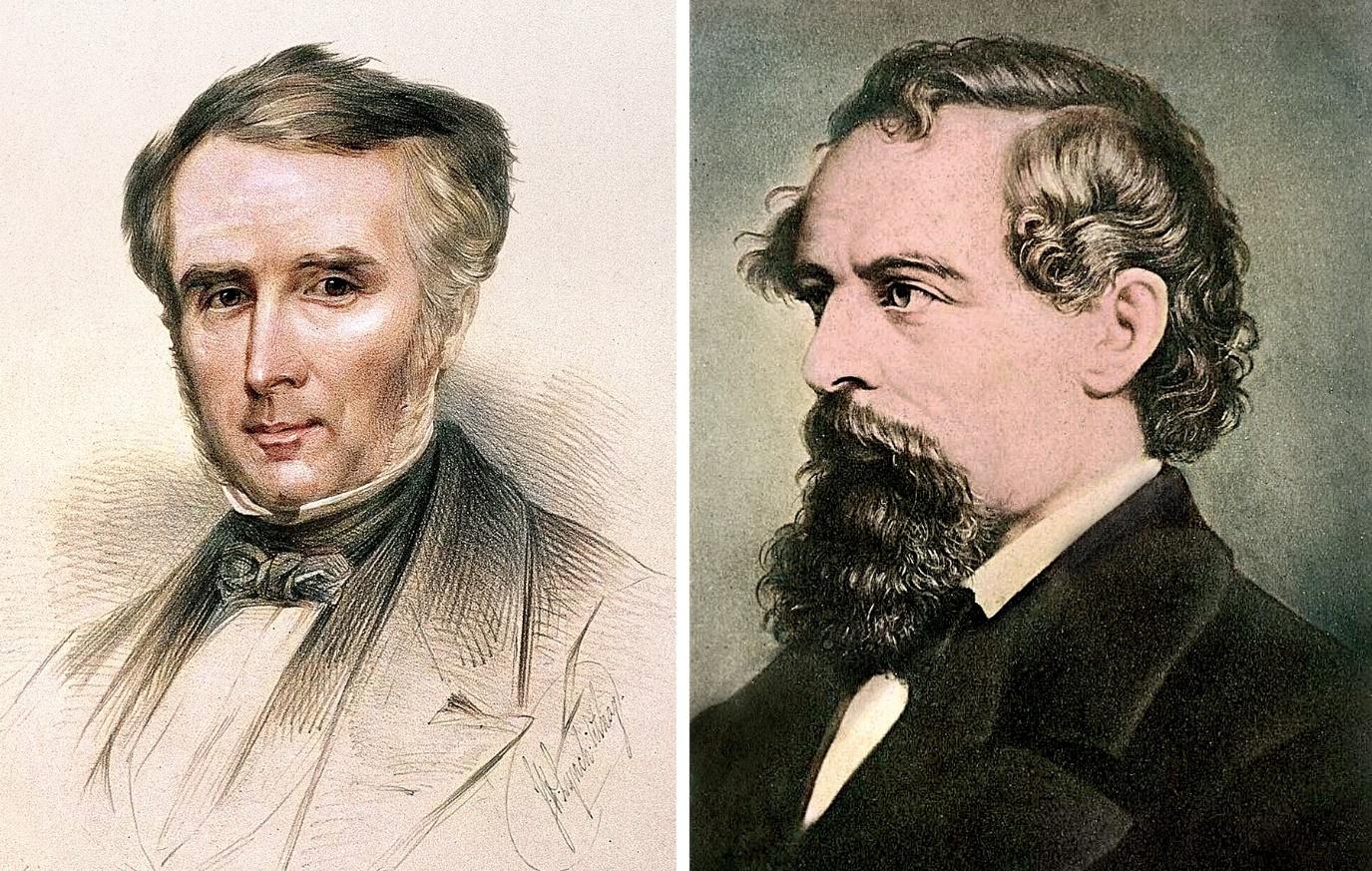
Then there was the General Board of Health, which, not surprisingly, greeted the outbreak of cholera in Surrey Hall with alarm. Richard Dugard Grainger, the health inspector who went down to Tooting to deal with the emergency, and to confront Drouet, must be counted one of the heroes of the story.
Another of its heroes — if wielding a pen can be considered heroic — was Charles Dickens. He was outraged by events in Tooting. However, when he wrote about Drouet, which he did with undisguised dislike, he was not wearing his novelist’s hat.
5. Charles Dickens published four angry newspaper articles about the Tooting tragedy.
In a sense, it was inevitable that he would say something, somewhere. By then he had already written about the ill-treatment of poor children in, for example, Oliver Twist and Nicholas Nickleby. The children in Surrey Hall were the real thing, and he did not hold back in damning Drouet for his cynical money-grubbing.
It has been interesting to discover references to the Drouet scandal in Dickens’s later writings. He saw the whole sordid business — from the children’s deaths right through to Drouet’s trial at the Old Bailey — as embodying all that was bad about the management of the nation’s young paupers.
All told, researching and writing the story of the Tooting tragedy has been a memorable experience. While chronicling one of the most shocking episodes in the history of the Victorian poor, I have been moved and heartened in equal measure: moved by the plight of the victims of Drouet — and of cholera — but also heartened by the many humane responses to the terrible events of 1849.
Order your copy here.