
THE GLOSTERS IN KOREA
To mark World Book Day 2026, Robert Dixon reveals how a book he has written on the 1st Battalion, The Gloucestershire Regiment, and its involvement in the Korean War, will help mark the 75th Anniversary of the Battle of the Imjin River which was fought from 21 to 26 April 1951.
The Battle of the Imjin was fought by the British 29th Independent Brigade Group, alongside the Republic of Korea’s 1st Division on their left flank and elements of 10 US Corps on their right flank. They faced the Chinese 63rd Army. It was the largest battle the British Army had fought since the Second World War and it deserves to be remembered.
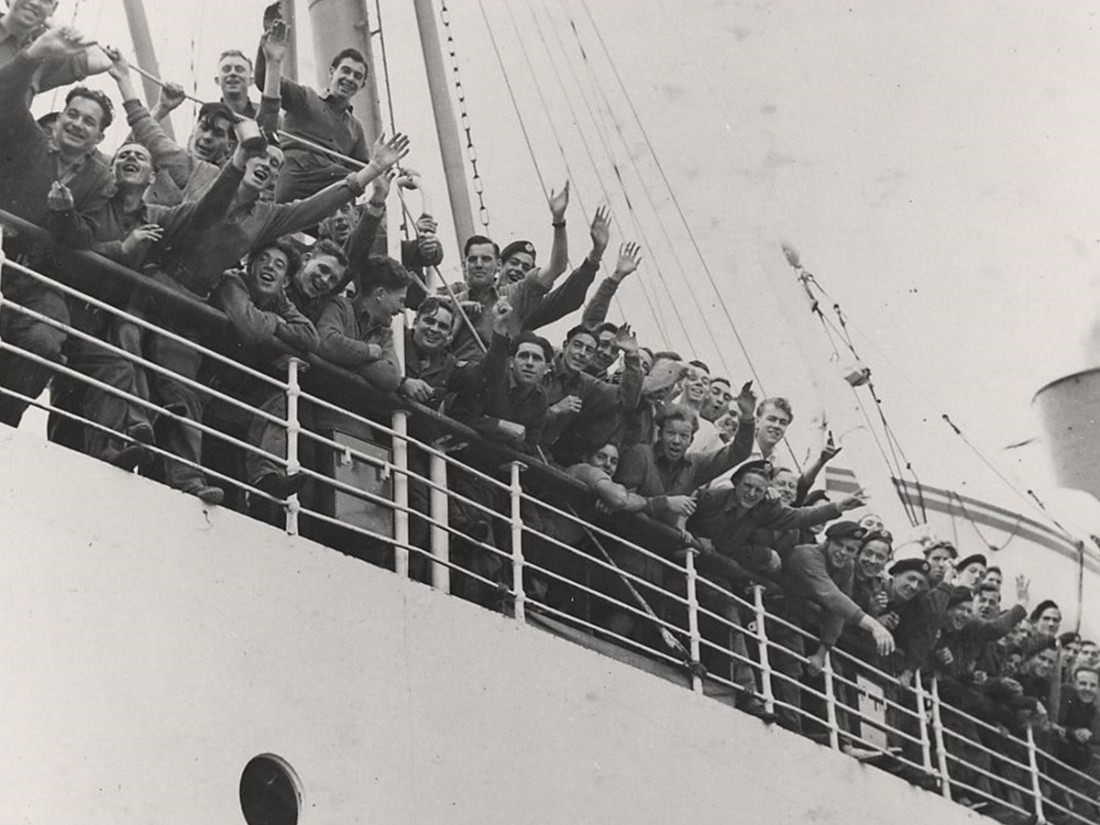
The Chinese attack was a major offensive which was launched right across the Korean Peninsula, roughly along the line of the 38th Parallel. The intention was to take Seoul and then drive the UN forces back into the sea. It failed, but at times it was a close run thing.
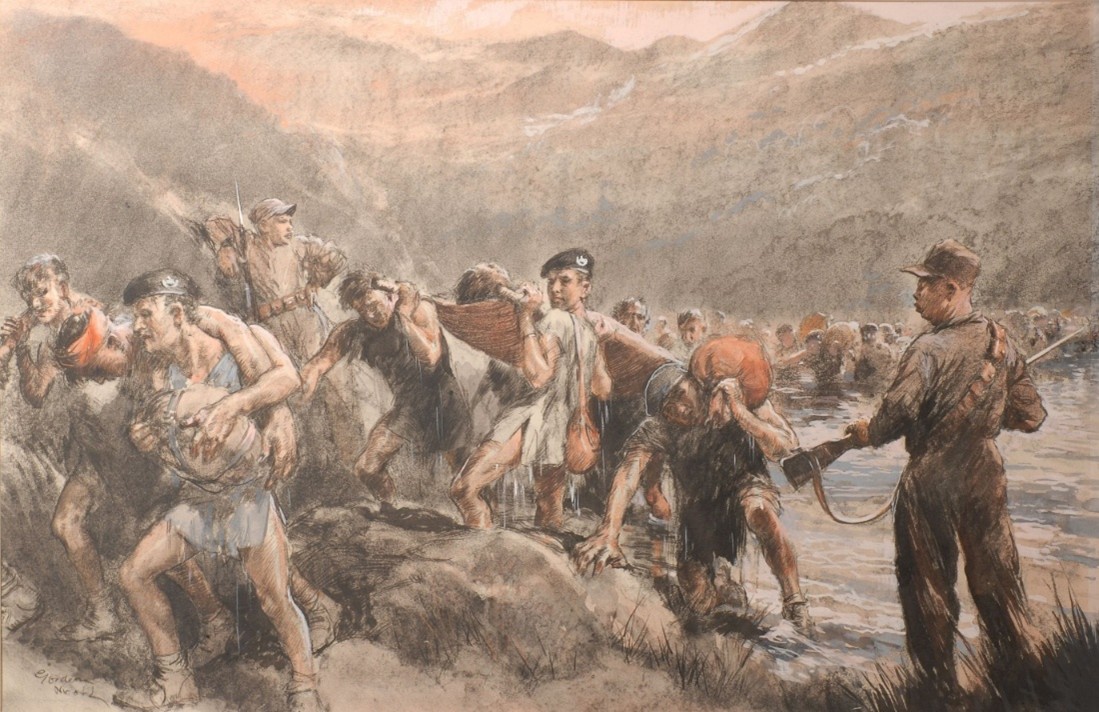
In this defensive battle the 29th Brigade played a vital part as they were guarding two of the shortest routes to Seoul. In my book I hope I have given due acknowledgement to the other regiments in the Brigade; the Royal Northumberland Fusiliers, the Royal Ulster Rifles, the 8th Hussars, the Royal Tank Regiment, 45 Field Regiment and 170 Mortar Battery Royal Artillery, 55 Squadron Royal Engineers, the Royal Army Medical Corps and the vital logistic units of the Service and Ordnance Corps. They all fought bravely, but the 1st Battalion Gloucestershire Regiment – The Glosters – had to fight bravely for that little bit longer and paid the price.
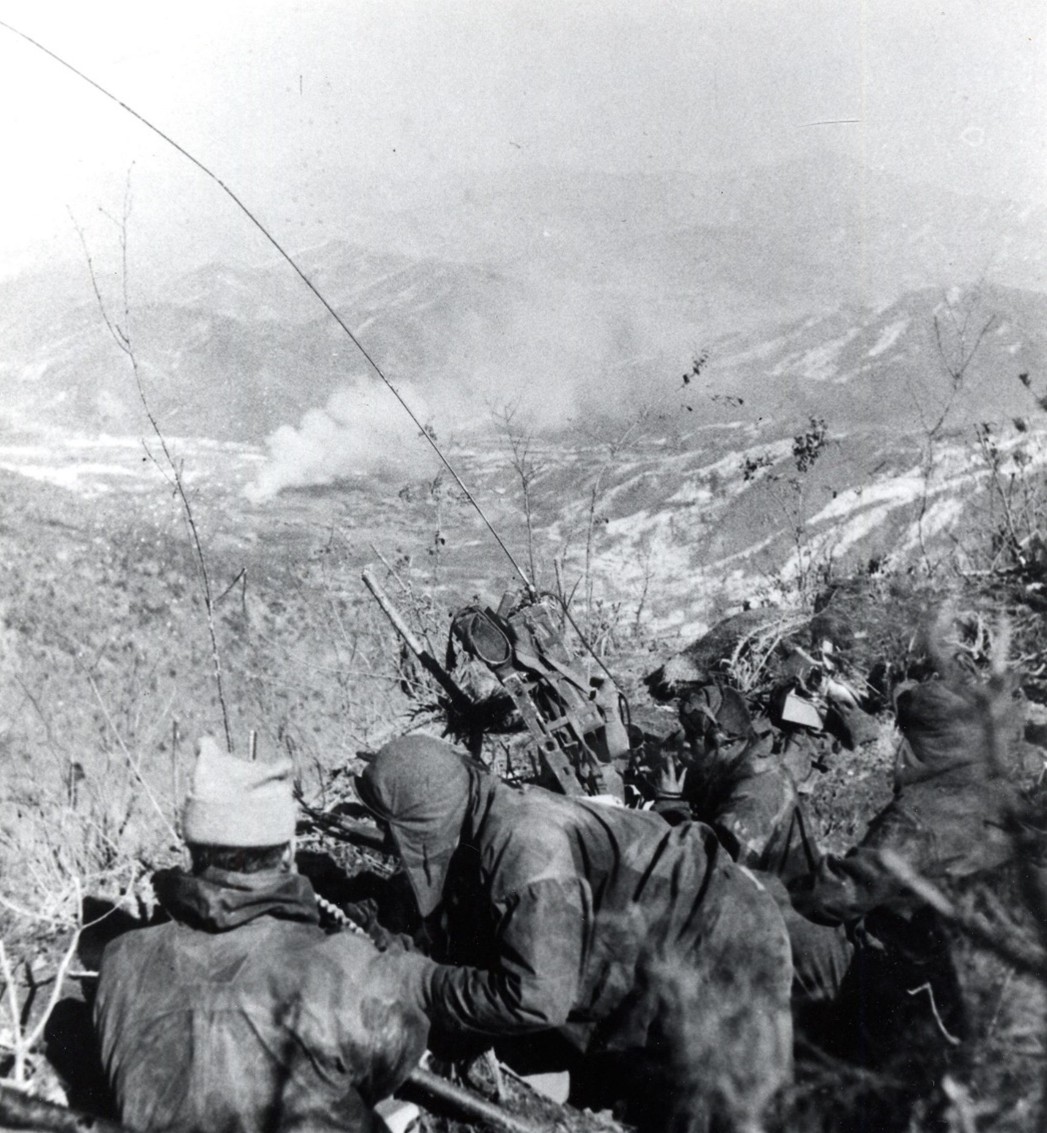
On 22 April, three Chinese divisions – over 27,000 troops – launched a major assault across the Imjin River. Facing this overwhelming force, The Glosters, numbering just over 700 men, held a five-mile defensive front. For three days they endured continuous attacks, heavy artillery fire, and brutal close-quarters fighting. When the order finally came to withdraw, the battalion was virtually cut off and close to encirclement. Their resistance, however, bought critical time for UN forces to reorganise and helped stabilise the front north of Seoul.
So, my book concentrates on my old regiment, which, as I describe, has been part of me since the age of four in one way or another, and continues to the present day as I carry on with research into its history. The book makes the point that the Glosters were part of the most experienced expeditionary force that this country has ever sent abroad and I look forward to arguing that point. It begs the question could we do something similar today. I do not try to answer that in the book but I hope it provides some scope for discussion. The weapons used at the time are described and of course technology has moved on. However, be wary of falling into the trap that says we no longer need infantry. Infantry will always be needed to prove that the ground is being held, and ensure the safety of other weapons systems. Present day Russian tactics seem to be more akin to the First World War than AI and science fiction.
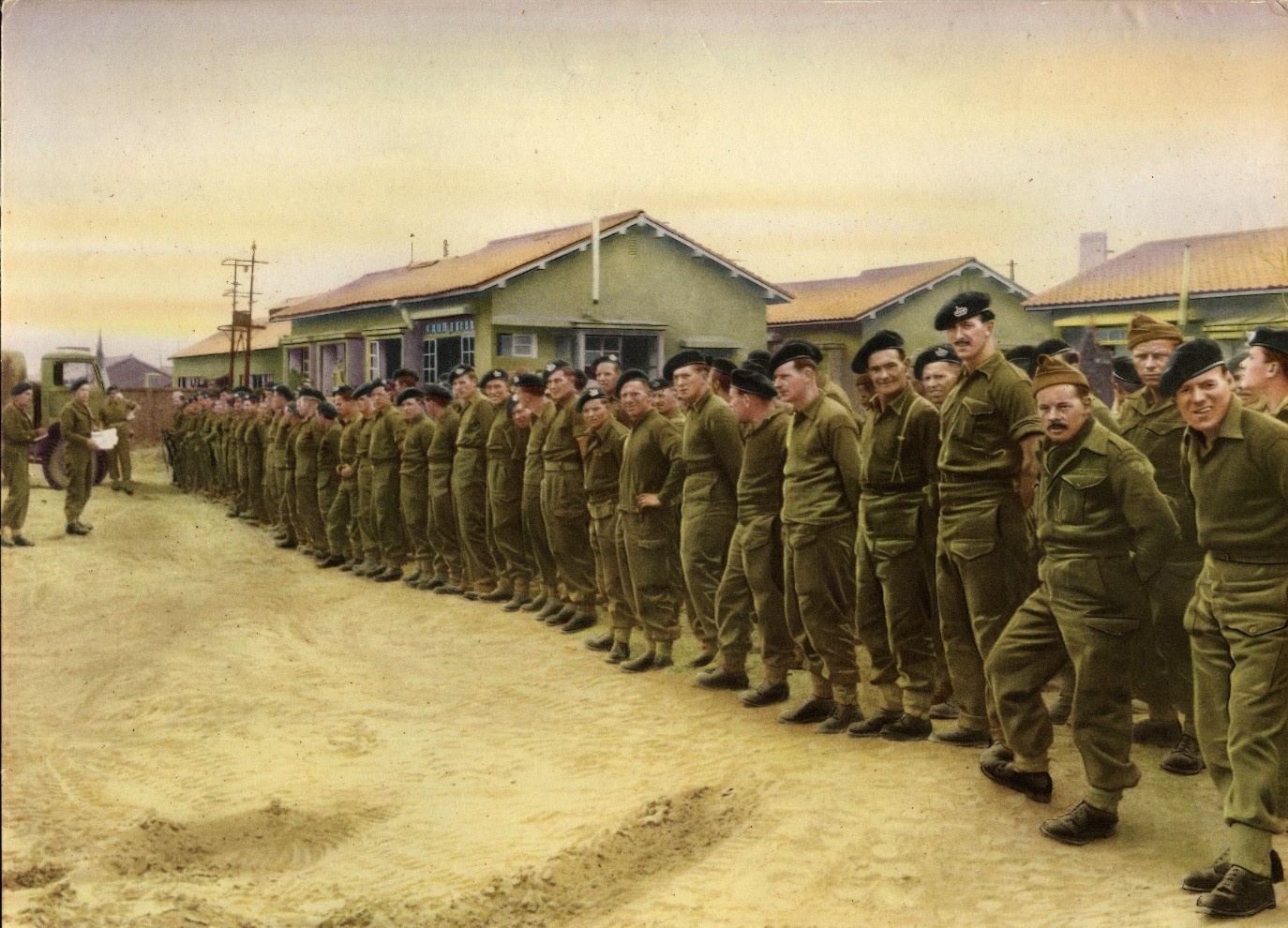
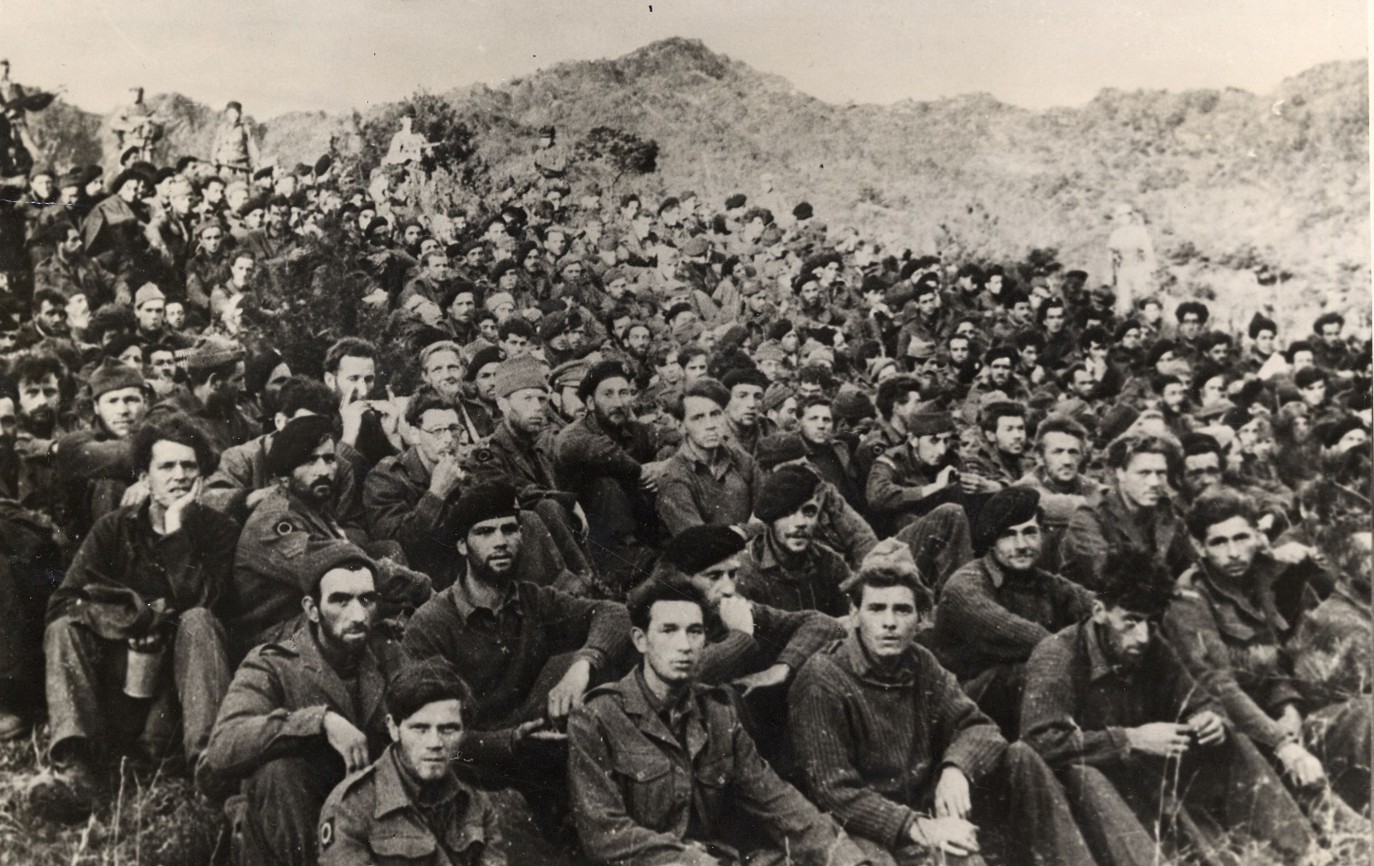
The other point I make is that The Glosters were both a County and a National Regiment. The reservists, called up to make the army up to strength, came from all over the United Kingdom. There was a solid core of men from Bristol, Gloucester, Cheltenham, the Stroud Valleys, The Severn Valley, The Cotswolds, and that law unto itself: The Forest of Dean.
The cost of victory at the Imjin was devastating. Of the 620 Glosters who entered the battle, only a small number escaped. Many were killed or wounded, and more than 500 were taken prisoner. For their extraordinary courage, the battalion received the US Presidential Unit Citation, an honour rarely granted to non-American units. General James Van Fleet later called their stand ‘the most outstanding example of unit bravery in modern war’.
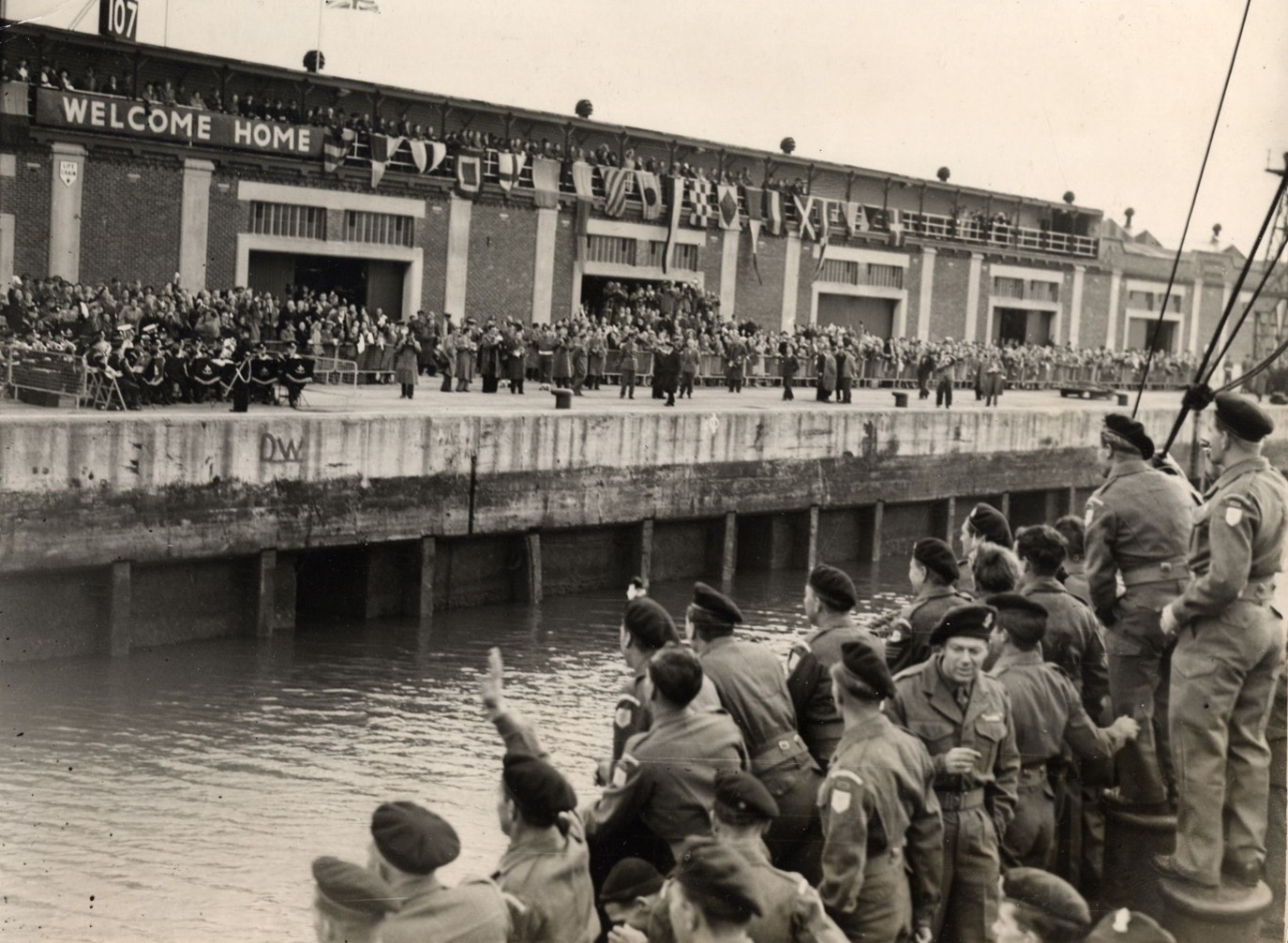
Indeed, when it was all over, every man was proud to say ‘I fought with The Glosters’, wherever they came from. The book is my tribute to them, the men that I served with, and I hope will be an inspiration to succeeding generations.

Order your copy here.