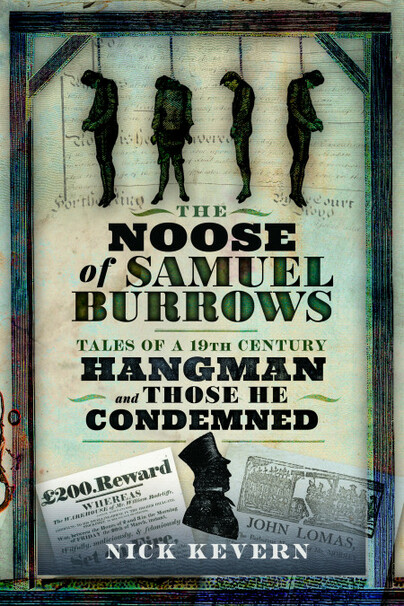
The Noose of Samuel Burrows
Author guest post from Nick Kevern.
When the announcement of the death of Samuel Burrows was first published in the Chester Courant in October 1835, it came as a shock to everyone…especially Burrows himself. Despite being severely ill with liver disease, he was still very much alive, but only just.

Not many people ever get the opportunity to read their own public obituary and what Burrows read shocked him to the core. What he read about his demise would have affected him deeply. The Courant did not pull any punches in with their scathing viewpoint of Chester’s executioner. It read:
“Sammy Burrows, the well-known finisher of the law…was, by definition, not only a pig-killer,
a rat-killer, a mole-killer and a man-killer, but also a self-destructive, for by all accounts, he
killed himself with ardent drink, which produced a serious complaint of the liver. We are
creditably informed, that such was the obduracy of this man’s feeling, occasioned by the
execution of about 50 criminals, that he never heard of the probability of a hanging matter,
without calculating on the profits which would be awarded him. In many instances, he was
known to drink the amount of his wages on credit, before the execution took place.”
Burrows was enraged but there was little that he could do about it. He had found himself bedbound in his Brook Street abode with very little in the way of charity coming his way. Thankfully for Burrows, someone would come along to present him with some much-needed Christian virtues.
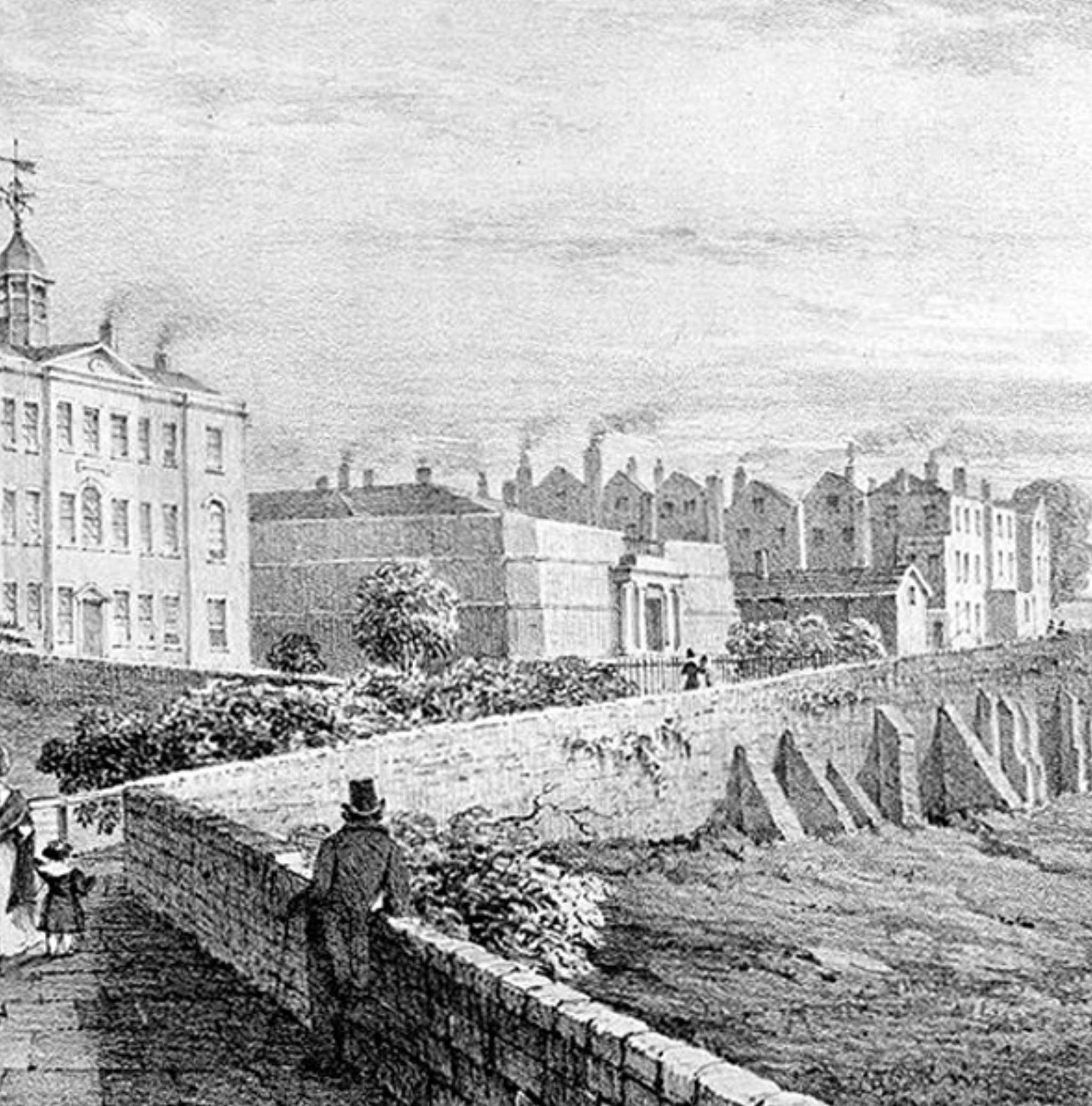
The Reverend William Clarke had known Burrows for some time and whilst the two men rarely saw eye to eye on matters, Clarke still believed that Burrows’ soul could be saved in the eyes of the Lord. Clarke would spend a week with Burrows shortly before the executioner would seek his own judgment. What came from their time together led to the printing of a broadside entitled “The Death and Conversion of Samuel Burrows. A strip of paper that is stored in the Chester Archives. It allowed Burrows to tell his side of the story, albeit an abridged version.
“The Death and Conversion of Samuel Burrows” led me on a journey to find out more about Chester’s much-forgotten Georgian executioner. What amazed me the most when I was writing The Noose of Samuel Burrows was how very few people even knew of his existence, especially in the city he once called his home.
When Samuel Burrows first entered the city of Chester, he did so as a lonely butcher seeking a better life for himself. Soon, he found himself working on the Shambles of Chester and was, by all accounts, just like the vast majority of those who lived and worked in the city. However, Burrows never saw himself as the kind of man looking to simply survive. His ambitions were much higher than that.
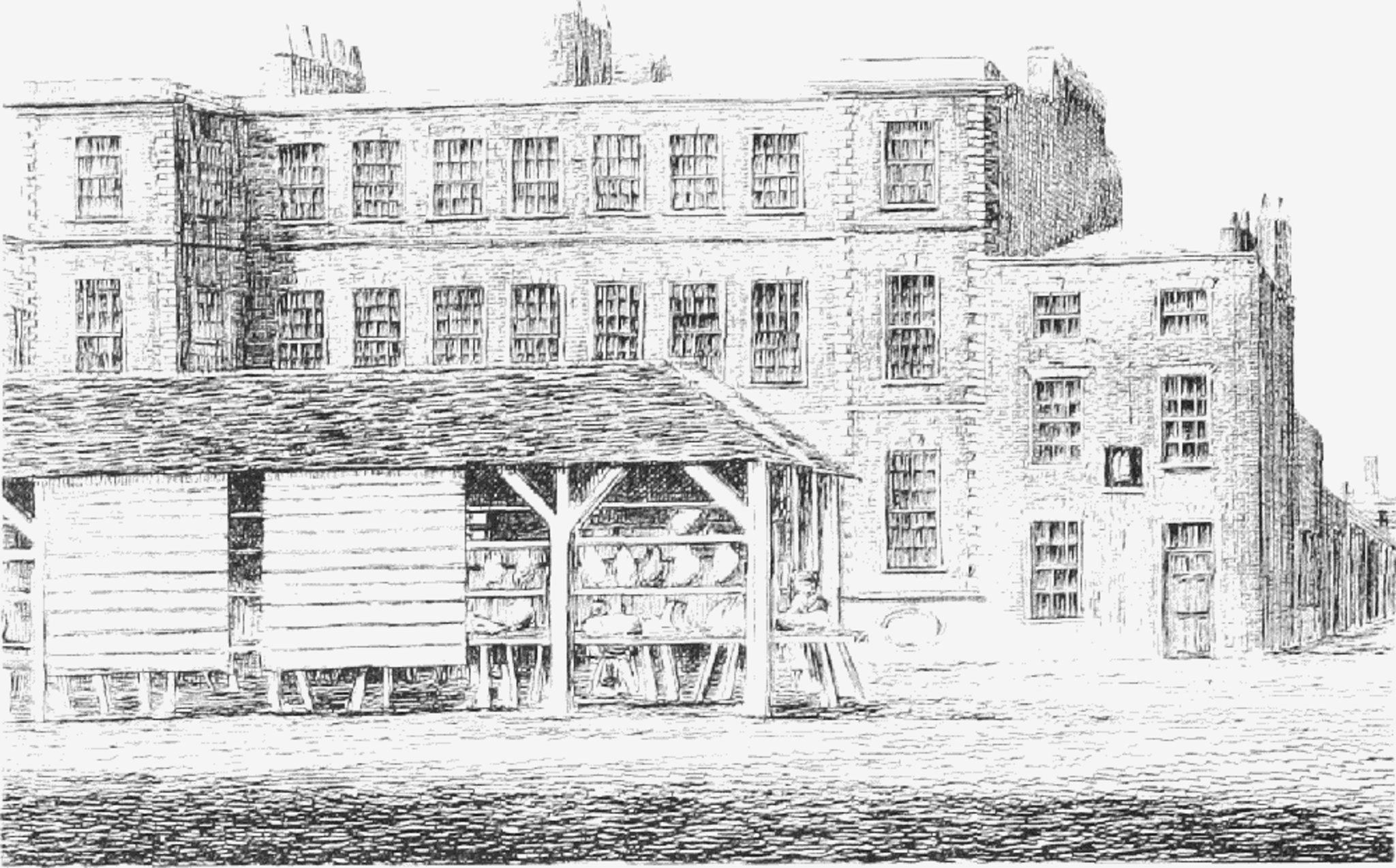
Soon, he volunteered his services as the parish beadle to raise his social standing among his peers. When that failed, he became a special constable, often manning the streets of the parish, eager to catch any wrongdoers. When he found out that Chester was seeking a new executioner, he took on the job with a menacing desire to rid the county of criminality. In his view, the law was the law, and those who broke it deserved what was coming to them.
Burrows would hold onto the position of Chester’s and therefore Cheshire’s executioner for 26 years from 1809-1835 but he would also travel to other areas to carry out his duties. His wrath would be felt in Beaumaris, Caernarfon, Ruthin, Hereford, and Shrewsbury as the era of public execution was still in full swing until its eventual repeal in 1868.
Finding out more about this man led me on a journey around the country, not only to find out more about him but also to discover more about those who felt the full force of Georgian law and order.
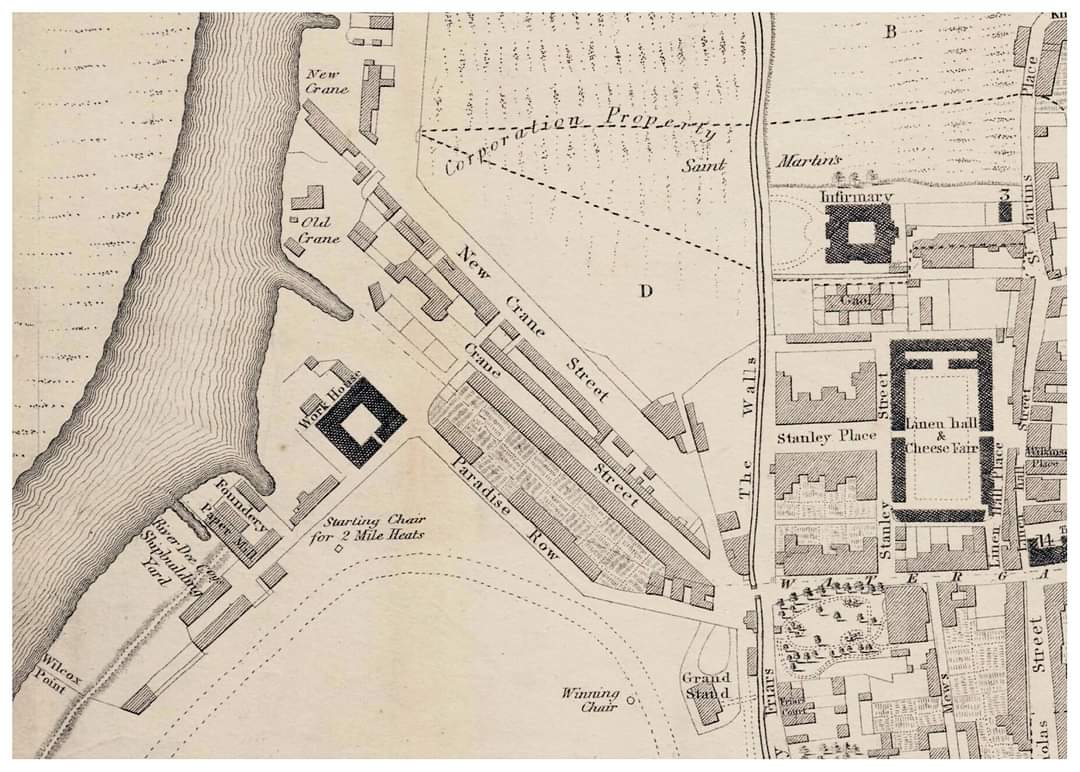
From Highwaymen and cold-blooded murderers to those who fought against a system that was destroying their very way of life. Luddites and Swing rioters opposed to the dramatic changes sweeping the country to crippling levels of inflation that encouraged uttering as a way to save themselves from the clutches of the workhouse. Regardless of the situation that saw them on Burrows’ gallows, Burrows pulled the lever with a level of disdain for those he was about to send to meet their maker.
Frequently drunk as he entertained the masses beneath him, the authorities of Chester eventually took a dislike to their hangman, often keeping a close eye on him the night before executions to check his level of intoxication. If he were deemed too inebriated, they would haul Burrows into the very gaol where he would be expected to perform his duties to sleep it off.
Yet the picture painted by the Courant in his premature obituary is far from an wholly accurate one. Beneath the surface of the strong-drinking, hard-faced hangman, was a man who suffered just like everyone else.
His very livelihood was at risk following the reforms introduced by Sir Robert Peel, which saw the number of crimes leading to execution severely reduced. Transportation to the colonies was now seen as the favoured method of punishment. The threat to his career meant that times were hard financially leading to him seeking further employment as a rat-catcher, given his notorious nature and gloating, it appeared that no one wanted much to do with him.
Then there was the grief. His troubled family life saw his eldest son, Henry, leave to join the British Army. He died whilst on service fighting in the East Indies alongside Lord Combermere. The pain Burrows felt led to the dangerously high levels of alcohol consumption which he consumed to the point of addiction. His youngest son, Charles, entered a world of petty crime, which eventually saw him transported to Van Deiman’s Land for seven years.
The Death and Conversation of Samuel Burrows implies that he did find god towards the end of his life. In a tussle of consciousness between right and wrong, Burrows eventually realised the errors of his ways.
You can find out more about the life of Samuel Burrows and those who were condemned to die by his hands in my debut book, The Noose of Samuel Burrow: Tales of a 19th Century Hangman and those he Condemned which is available for Pre-Order now at Pen & Sword.