Waterloo: The Attack of I Corps
Author guest post from Graeme Callister.
Amidst all the moments of high drama and heroism of the Waterloo story, Napoleon’s first major assault on Wellington’s position by the massed ranks of the Comte d’Erlon’s I Corps tends to fade somewhat into the background. Lacking the romanticism of the struggle for Hougoumont, or the glittering spectacle of the massed cavalry charges, or the sheer drama of the Imperial Guard’s final forlorn assault, it often appears as an overture to the grander events to come. This book is the first work dedicated to what was ultimately the biggest single French infantry attack of the whole battle – although that was only a small part of my inspiration to begin looking at the attack of I Corps.
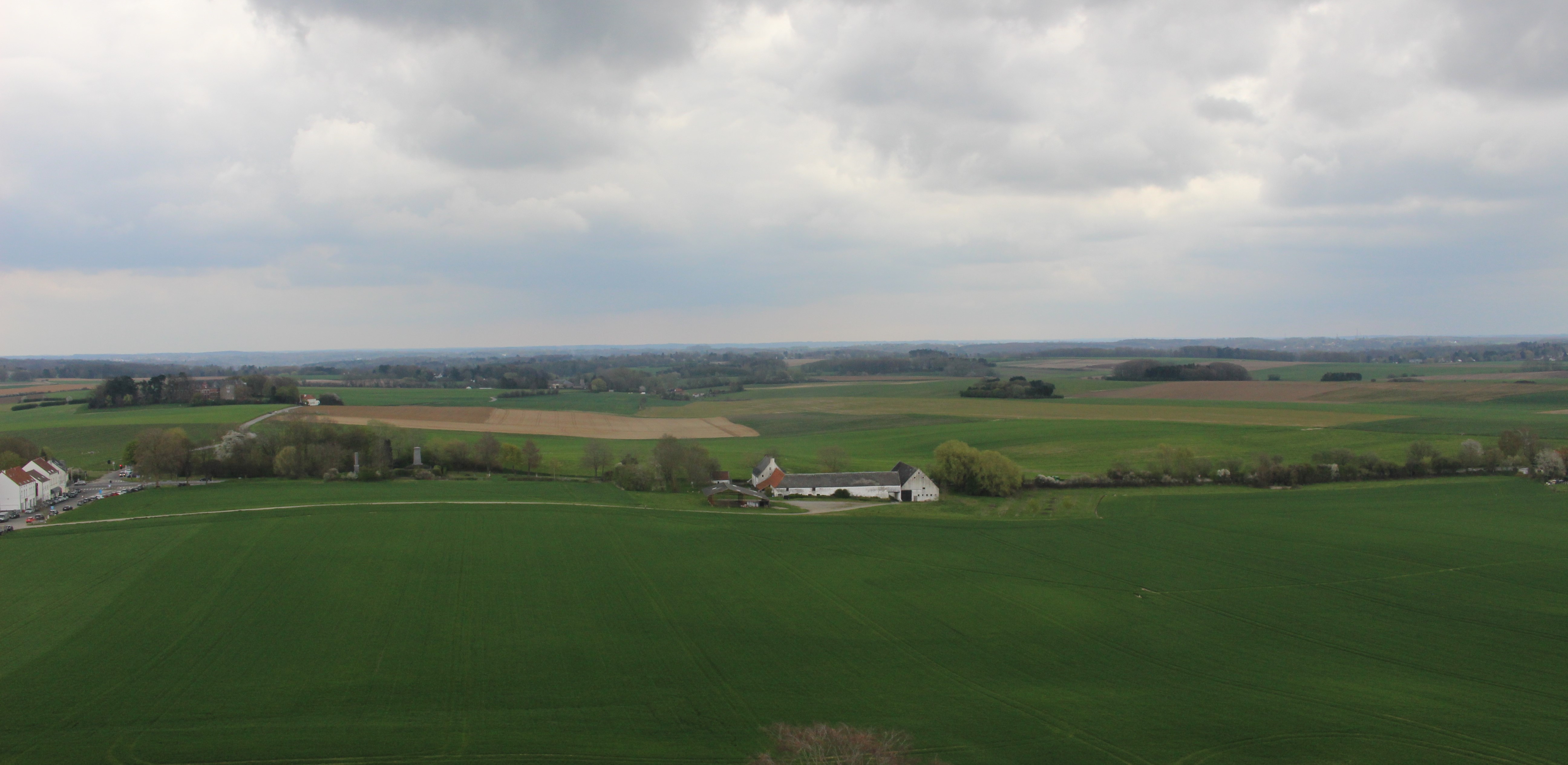
Like many authors, I came to the study of Waterloo by a rather circuitous route. The battle is one I’ve enjoyed reading about for nigh-on three decades, but until a few years ago I gave little serious thought to exploring it in any depth. My broad research at that time lay elsewhere in the Napoleonic period and, besides, everything there was to know had surely already been written about Waterloo. Hadn’t it?
As it happens, no, it had not.
My interest in delving deeper was initially triggered while working on my previous book, Battle: Understanding Conflict from Hastings to Helmand (also with Pen & Sword!), in which my co-author and I explored varied influences on combat and the experience of battle. It got me thinking in more precise terms about the experience of Napoleonic battle, and how interesting it would be to build a picture of a specific clash unfolding from the “worm’s eye” view of the men in the midst of the maelstrom, rather than just from the “eagle’s eye” view of army commanders and headquarters staff.
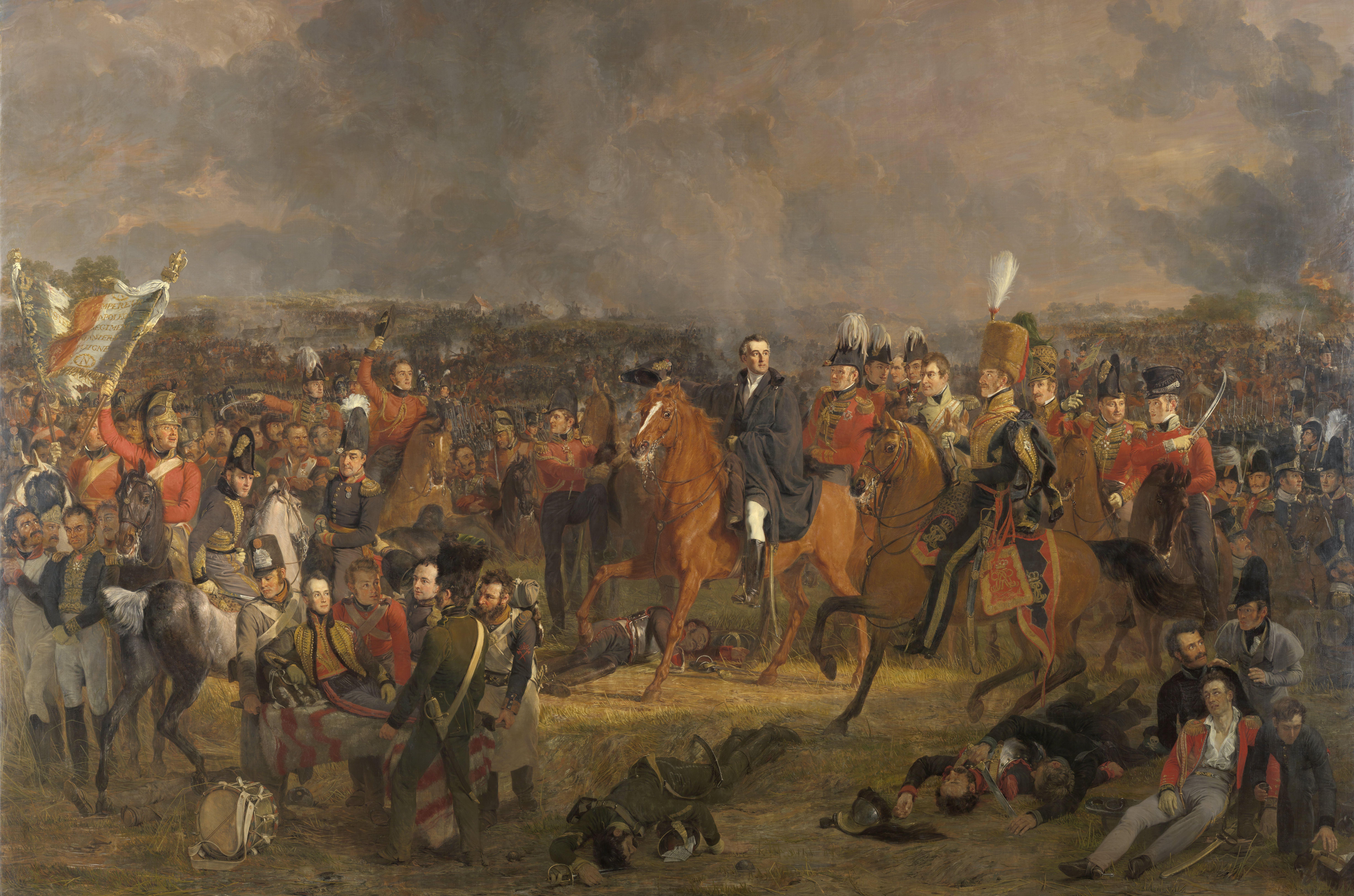
Waterloo is hardly an understudied battle, but it presented itself as an ideal candidate for this kind of research for two source-related reasons. First, Waterloo enjoys far more first-hand accounts than any other battle in the entire period. Second, in 1814, all men in the French army were re-registered and their career histories up to that point recorded in their regimental registers, making it possible to trace virtually every single soldier who fought on the French side at Waterloo, and to build an unparallelled image of who actually stood in the ranks as battle raged.
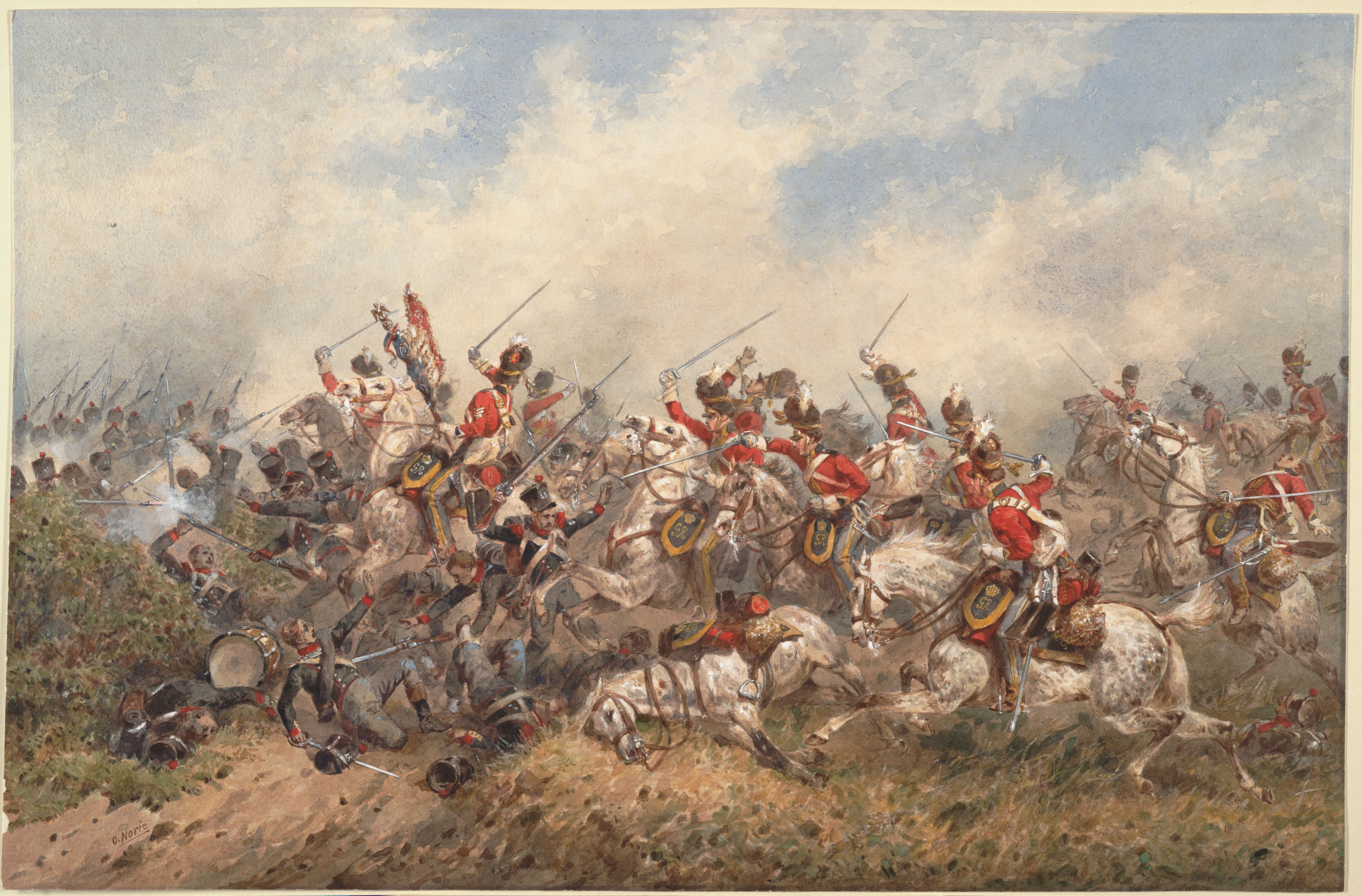
My aim when beginning this book was relatively modest, or so I thought. I wasn’t targeting any kind of frivolous or specious ‘reinterpretation’ to revolutionise thinking on the battle, but to deepen our understanding of exactly what happened in the moments under fire that made a difference to victory and defeat. I intended to limit my analysis to a single part of the Waterloo story – and I ultimately plumped for the unfashionable but vital attack of French I Corps in the early afternoon – and to draw up a picture of the men involved on either side. I wanted to explore who these soldiers were, their previous experiences of campaign and battle, and how that might filter into their actions at Waterloo. And I wanted to delve into the moment itself, the clash of arms where these men met, to try to get a much deeper understanding not only of what happened, but why, and how the soldiers experienced those fateful minutes of combat. I was very familiar with the broad outline of events of I Corps’ attack – the infantry advance, a short firefight, a cavalry counterattack – and imagined that it would provide a fairly straightforward but constrained all-arms case study of combat.
Inevitably, what I planned to be a short investigation expanded into a huge research project. Events simple on the surface spiralled into a hugely complex mosaic of movement and confusion. To gain a better understanding of the state of the troops on 18 June I traced their movements earlier in the campaign, which required following both armies as they assembled during the spring of 1815, through their cantonments, on the march, and (for Wellington’s forces at least) through the brutality of Quatre Bras on 16 June and the scrappy affair at Genappe on the 17th. I had to ferret out detailed information on everything from mustering and drill to uniforms and equipment, to food and firewood – and this for separate British, Netherlands, Nassau, Hanoverian and French formations.
There was also a lot more information on the ordinary soldiers than I had imagined. The French regimental enrolment registers especially are excellently detailed; in the end, I went through the service record of every single infantryman in I Corps’ line regiments, noting down key information for every man from date of first service to age, height, place of birth, previous service, wounds, periods as prisoner, promotions or awards, and, of course, their fate at Waterloo where it was recorded. Including soldiers left in depots or who left the army before Waterloo, I ended up looking through well over 20,000 records on the French side alone. For Wellington’s army, I also explored the muster rolls to build a picture of the battalions which held the allied ridgeline.
The stories and insights that emerged from these records were a fascinating part of the research, and it was to my regret that I couldn’t get more of them into the book.
Some of the tales were unexpected. I hadn’t anticipated finding men who had previously fought at Trafalgar – yet Corporal Jean Sortail and Fusilier Jean Goyer, both of the French 85e Ligne, had been captured along with their ships at that other famous battle. Nor did I imagine I Corps to be so multinational. Along with men from former French territories, at least a dozen men in I Corps had found their way into the army from distant shores, with four Egyptians, men from St Lucia, Martinique and Guadeloupe, and even one from Samarkand all lining up in the ranks.
There were also tales of past heroism and derring-do of the veterans of the Grande Armée. In one example, the service record of Felix Dieppedalle from Rouen explained how he had earned promotion from sergeant to adjutant-sous-officier – the highest non-commissioned rank in a French regiment – by leading his company through the brutal Battle of Borodino in 1812, refusing to leave the field despite his wounds until ordered by his battalion commander. Other tales were only vanishingly hinted at by flashes of information. As might be expected, dozens of men up and down the lines should have been celebrating their birthday on 18 June, while a handful of Napoleon’s soldiers probably knew the future battlefield quite well, having been born only a few miles from its gently rolling slopes. What did they feel as they awoke on that damp June morning?
But what service records can tell us goes far beyond individual anecdotes. For the first time, I was able to put together a picture of what an entire army corps actually looked like; the collective levels of experience in each regiment, how long men had been in the same units together, the average age and height of every company, the length of time the non-commissioned officers had been in post. All of this, and the implications for men in combat, is drawn out in the book.
I also relied heavily throughout the book on eyewitness testimony for every stage of the build-up, the campaign, and where I could for every step of the attack itself. Waterloo memoirs are plentiful but can be enormously problematic. At best the researcher is faced with innocent inaccuracies of events misinterpreted through the swirling gun smoke or misremembered with the passing of time; at worst, some ‘memoirs’ are simply invented. Many more are twisted to suit a particular narrative, often to reflect well on a unit or officer, or sometimes to bolster or belittle Napoleon’s reputation as a commander. It was challenging but ultimately enormously rewarding to wade through the widely differing accounts, and to make a conscious effort to read critically without allowing cynicism to drown out the human voice from what was, at heart, a profoundly affecting experience for all involved.
It was always in my mind that these human stories should be at the forefront of the work. My aim from the start was to focus on analysis, but I also wanted to tell the story of these men in battle. I briefly considered organising the book thematically, with chapters on command, the soldiers, tactics, weapons, and so on, but I worried that such an approach might risk reducing the chaotic heat of battle to a series of cold comparative equations, and that in minimising the narrative I might inadvertently marginalise the human stories at the heart of the event.
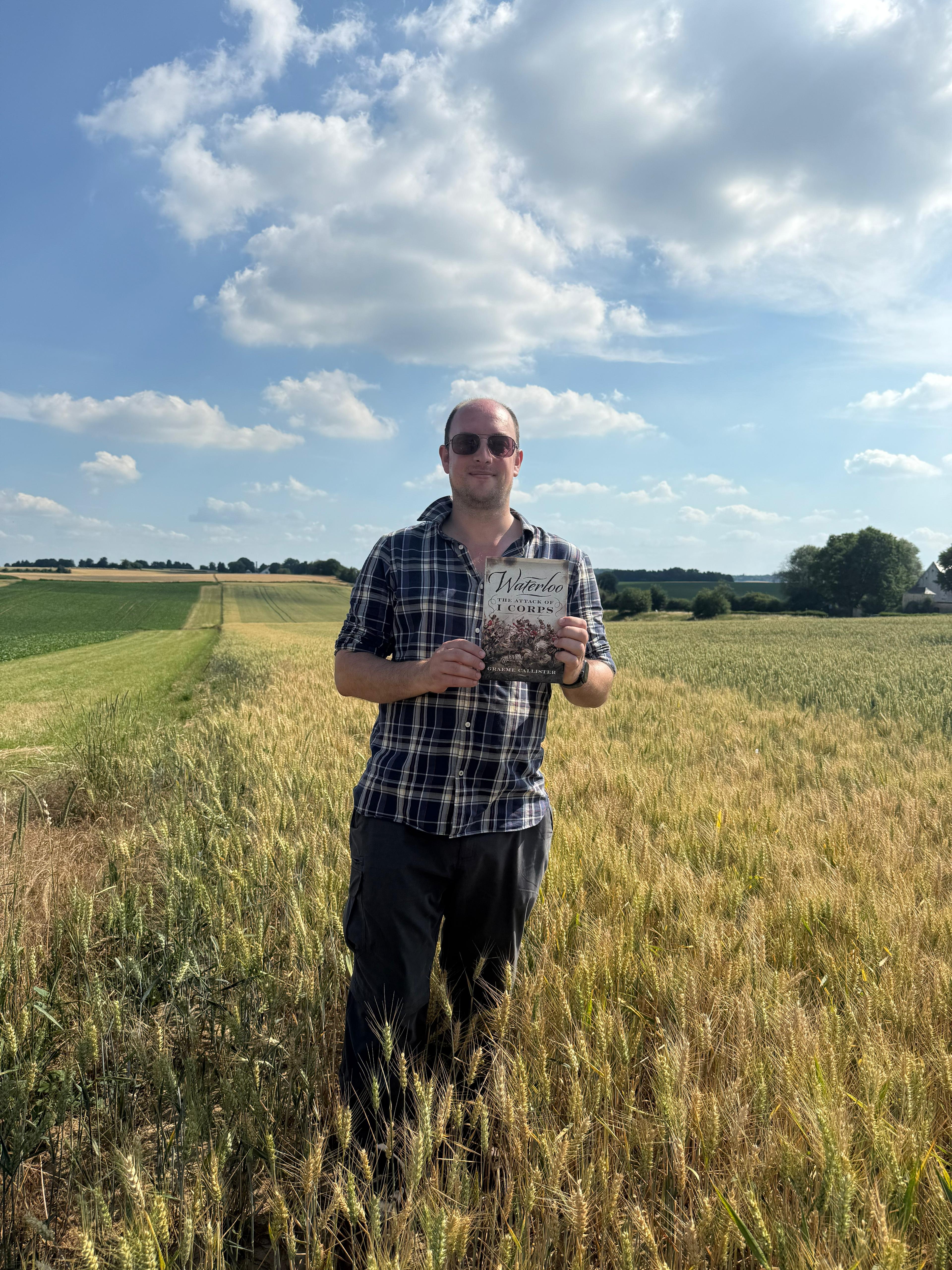
Instead, the book aims to draw the reader on a journey, beginning with the opening of hostilities and ending with the two armies pausing for breath as the survivors from I Corps’ attack, and the allied counterthrust, withdrew to the safety of their own lines, leaving behind a swathe of death and destruction. While analysis and explanation are highlighted throughout, the story remains at the centre of the work. Each chapter gets a little narrower in time and space, from the assembling of armies in April and May in northern France and southern Belgium, to the opening of the campaign and the baptism of fire at Quatre Bras, the movement to the Waterloo position on 17 June, the armies forming up on the morning of 18 June, the preparations for the attack in the late morning, the crossing of the valley by the French divisions, and finally to the fateful few minutes when, over a small fraction of a square mile on the gentle slopes of Mont St Jean, tens of thousands of men and horses came together in a ferocious maelstrom of fire, smoke and steel.
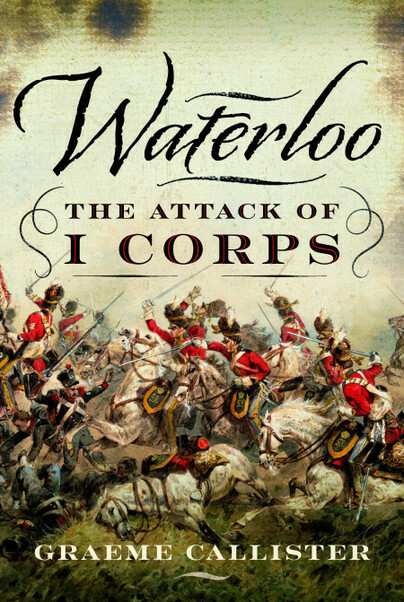
Order your copy here.