WHAT DID YOU DO IN THE WAR DAD?
To mark World Book Day, John Grehan reveals how delving into his family history sent him on a journey of discovery that led to the writing a book on a little known aspect of WW2 history.
I was at home, on my bi-annual trip to see mum and dad. An announcement had been made that there might be a cut-off date for veterans of the Second World War to apply for their medals. In response mum had send off for her and dad’s medals.
My mum had been a Leading Aircraftwoman with Bomber Command, serving at one time under Group Captain Sir Leonard Cheshire. Dad had fought with the Royal Scots Fusiliers in Burma. That was about all I knew of my parents’ war. They didn’t like to talk about it, like so many of their contemporaries. But, this time, mum had something to say. Dad had been told he had been Mentioned in Despatches, yet the oak leaf which should have been on his Victory Medal was not there.
As digging into military history was my passion, mum asked me to find out what I could about this. So, for the first time, I sat down with my dad to talk about the war.
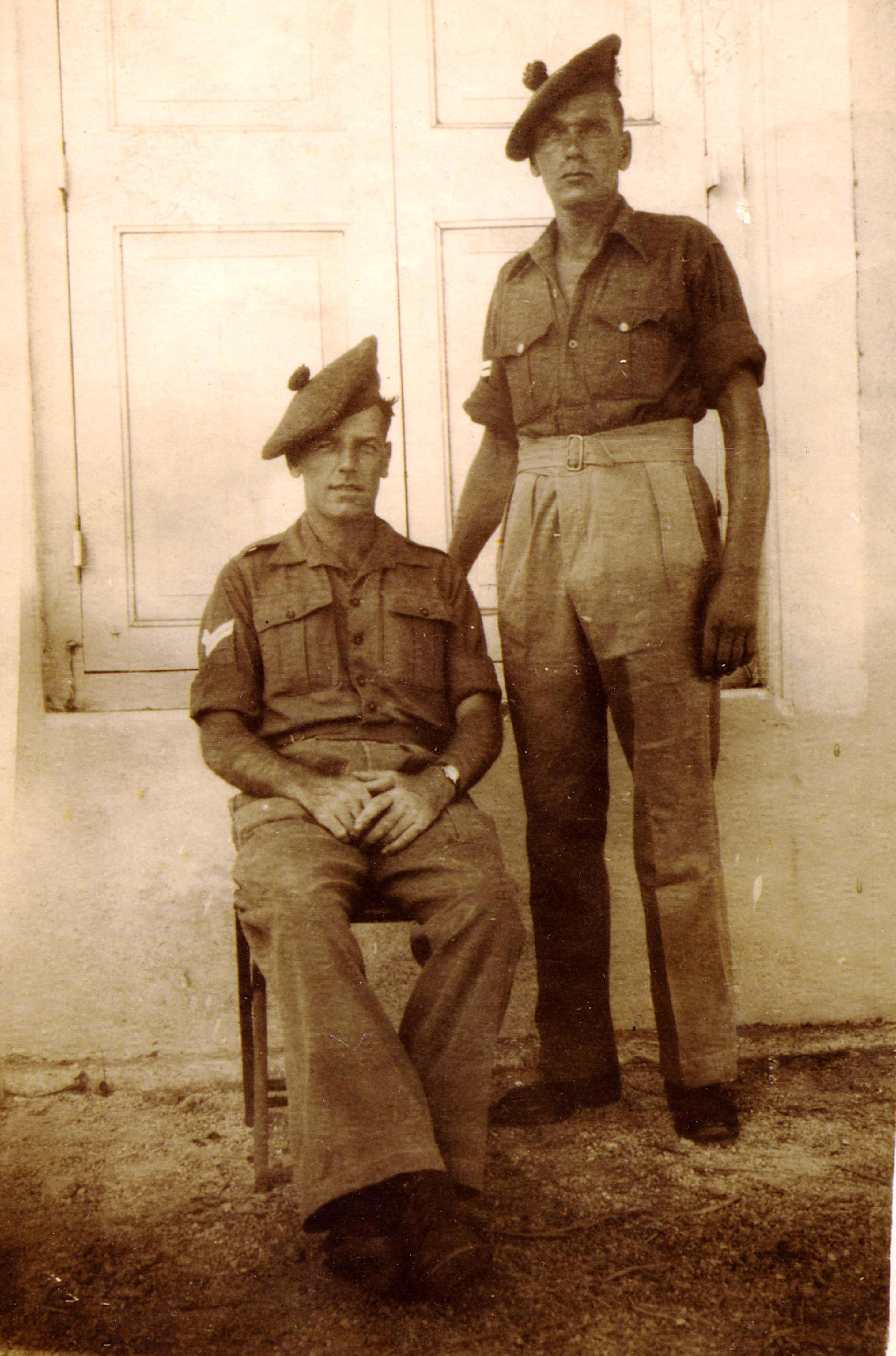
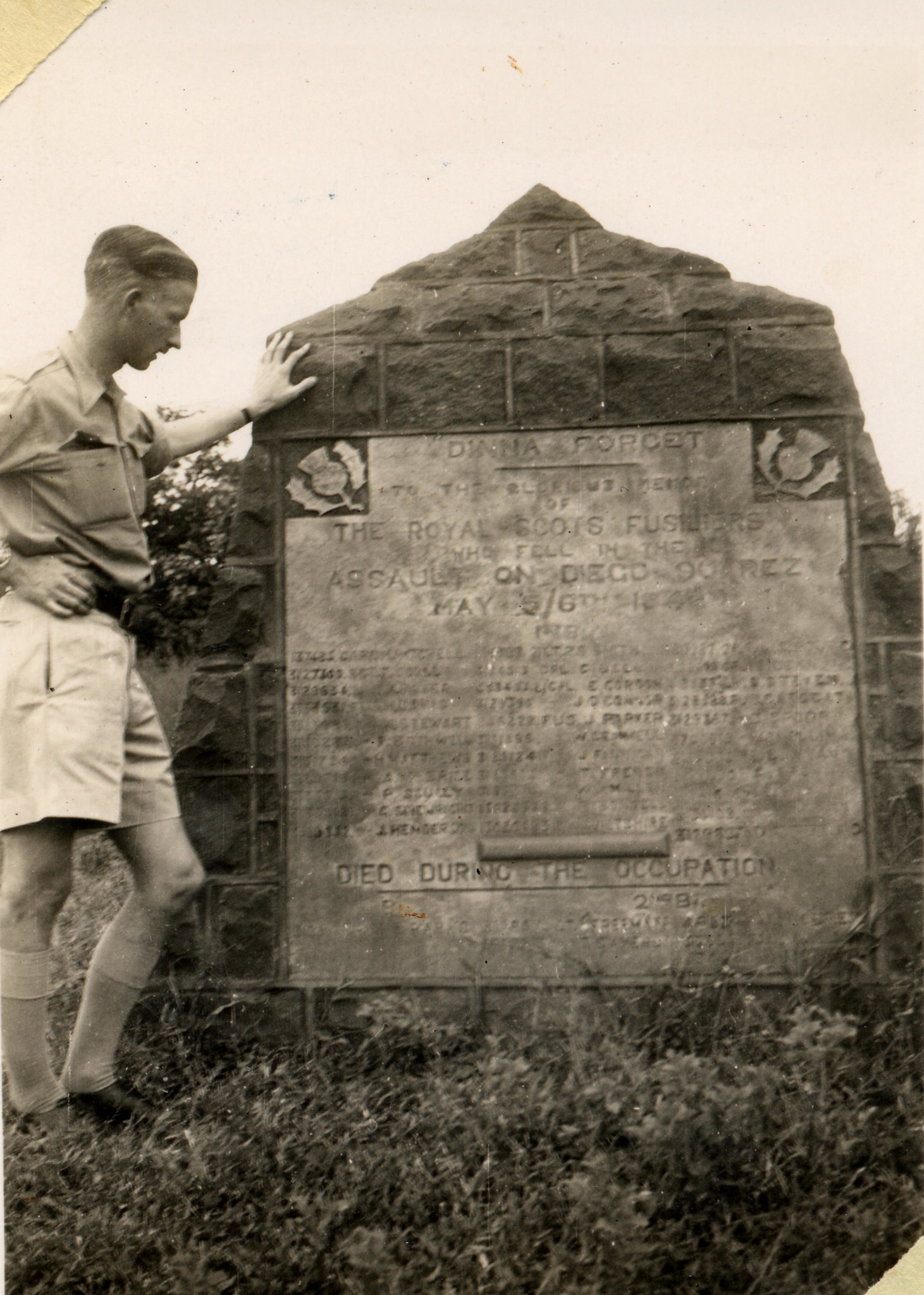
Not only did I learn of his amphibious training in Scotland as part of Combined Operations, but also about something I certainly had not heard about before – Britain’s first amphibious assault landing of the war in Madagascar! Madagascar? My dad explained that after landing, his brigade, the 29th Infantry Brigade, moved inland to attack the enemy’s fortifications. That enemy turned out to be the French. Yes, the French.
Anyway, as the infantry attacked, they came up against an anti-tank ditch. Here the men sheltered from the fire of the French. But, as they paused under this cover, French troops could be seen moving along the top of the ditch, firing down at the British troops, in this case a section of 17 Platoon of ‘D’ Company, 1st Battalion Royal Scots Fusiliers.
Realising that if they stayed where they were, my dad’s little section were in serious danger, he said to his men that he would stand up and shoot at the French in the hope of momentarily distracting them, thus allowing his men to run back to the battalion lines.
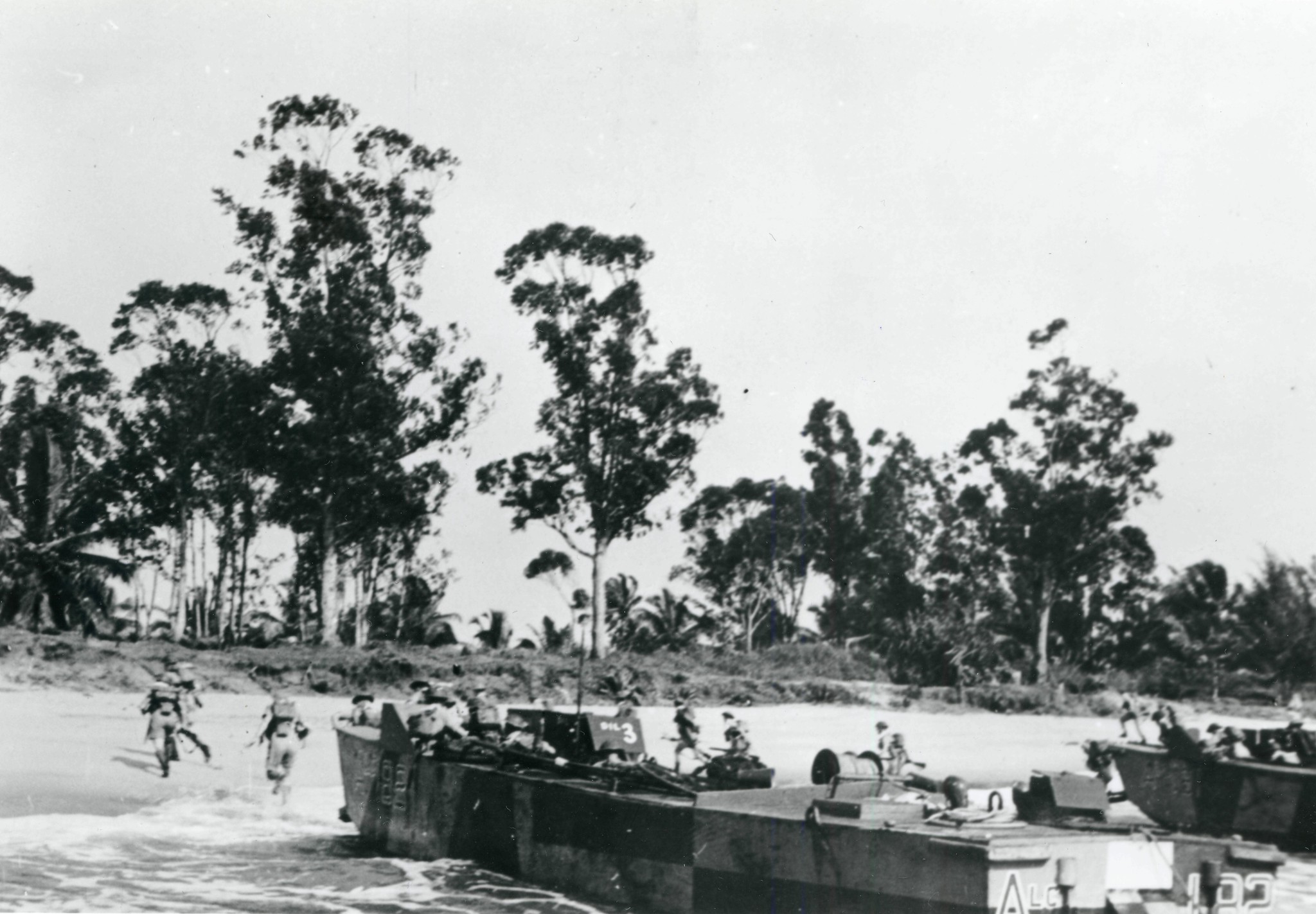
So, dad stood up and fired at the French on top of the ditch and his men bolted for the rear. My dad quickly followed. Dad said he doesn’t think he hit any of the enemy, but his action did the trick.
Later that day he was taken in front of his CO. My dad thought he was in trouble for something. To his amazement he was told he would be Mentioned in Despatches for saving his men.
The war went on and, after capturing the main French military base on Madagascar, Diego Suarez, the 29th Brigade was shipped round to India, before subsequently taking part in amphibious operations in Burma’s Arakan.
With this limited knowledge, I began investigating. To my surprise, I found that there were no books devoted solely to the campaign in Madagascar, other than a couple of memoirs. So, I started to gather information on the subject – and what I found astonished me. Not only was it Britain’s first major amphibious operation, but it was also the first of so many things.
It was, for example, the first time a tank landing ship was used and the first time tanks were landed on a hostile shore (months before the Dieppe raid). It was the first large-scale combined air, sea and land operation Britain had attempted (it involved a battleship, two aircraft carriers and fifty other naval vessels, plus three infantry brigades). It was also the first time Beachhead Commandos were employed, from which the Royal Naval Commandos were formed.
The operation involved the first use of a headquarters ship for controlling amphibious operations, along with specialized units designed to manage the flow of supplies directly onto beaches. There was also the first employment of the tactic of using ships to ram a boom to break through a port’s defences to land troops directly onto the quayside.
Apart from this, I learned about Hitler’s ‘Madagascar Plan’ – to forcibly relocate the Jewish population of Europe to the island, where they would be under SS control. I also learned about Madagascar’s high-quality graphite which was needed for the Manhattan Project – even to the extent ships were taking the mineral away while fighting was still going on.
I decided there was so much that people didn’t know about the British attack and occupation of Madagascar that a book was needed on the subject – and I am proud to say this resulted in the Pen & Sword book Churchill’s Secret Invasion. It also sent me on a fascinating trip to Madagascar to tread the very ground my father and his comrades had trod so long ago.
As for my dad? It seemed that no one had been Mentioned in Despatches for what was called Operation Ironclad. The file in The National Archives for such awards contains instead higher awards such as the Military Medal and the Military Cross. There were no records for MiDs in this campaign to be found in the file.
But, attached to the back of a different report I found buried in the files at The National Archives, a document written by the commanding officer of the operation, Rear Admiral Syfret, was a list of names of recommendations for a Mention in Despatch. And, sure enough, there was my dad, Corporal Bernard Grehan!
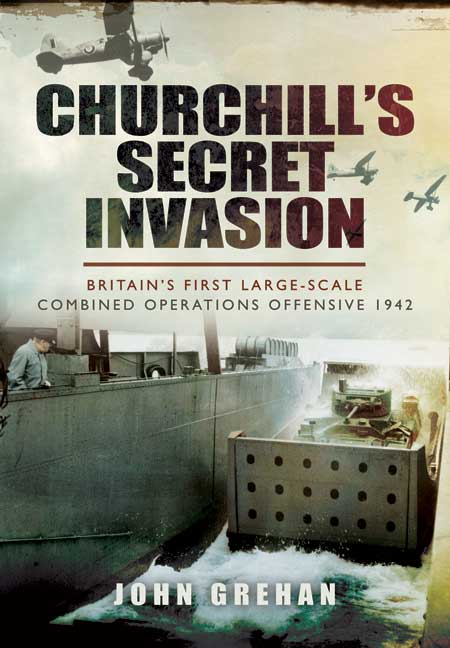
Order your copy here.