Churchill’s Angel – The Life of SIS Agent Hazel ‘Jicky’ Smith
Women’s History Month guest post from Nicoletta Maggi.
The story of Hazel “Jicky” Smith is important, and not just because her role in British intelligence during the Second World War remained completely secret and unknown for all these years. Nor is it because her sacrifice has not yet been celebrated. She was captured by the Gestapo while heavily pregnant and tortured, but she did not talk and did not betray her fellow resistance fighters. After months of imprisonment, she managed to secure her release and never received any acknowledgement of gratitude at the end of the war.
Her story as a secret agent is so relevant today, a lesson for everyone, especially women. Before the outbreak of war, she lived in an age that very much mirrors our own, a period of uncertainty and political upheaval, of protest and social justice, on the precipice of a new technology – just as today, when AI might revolutionise the way we live.
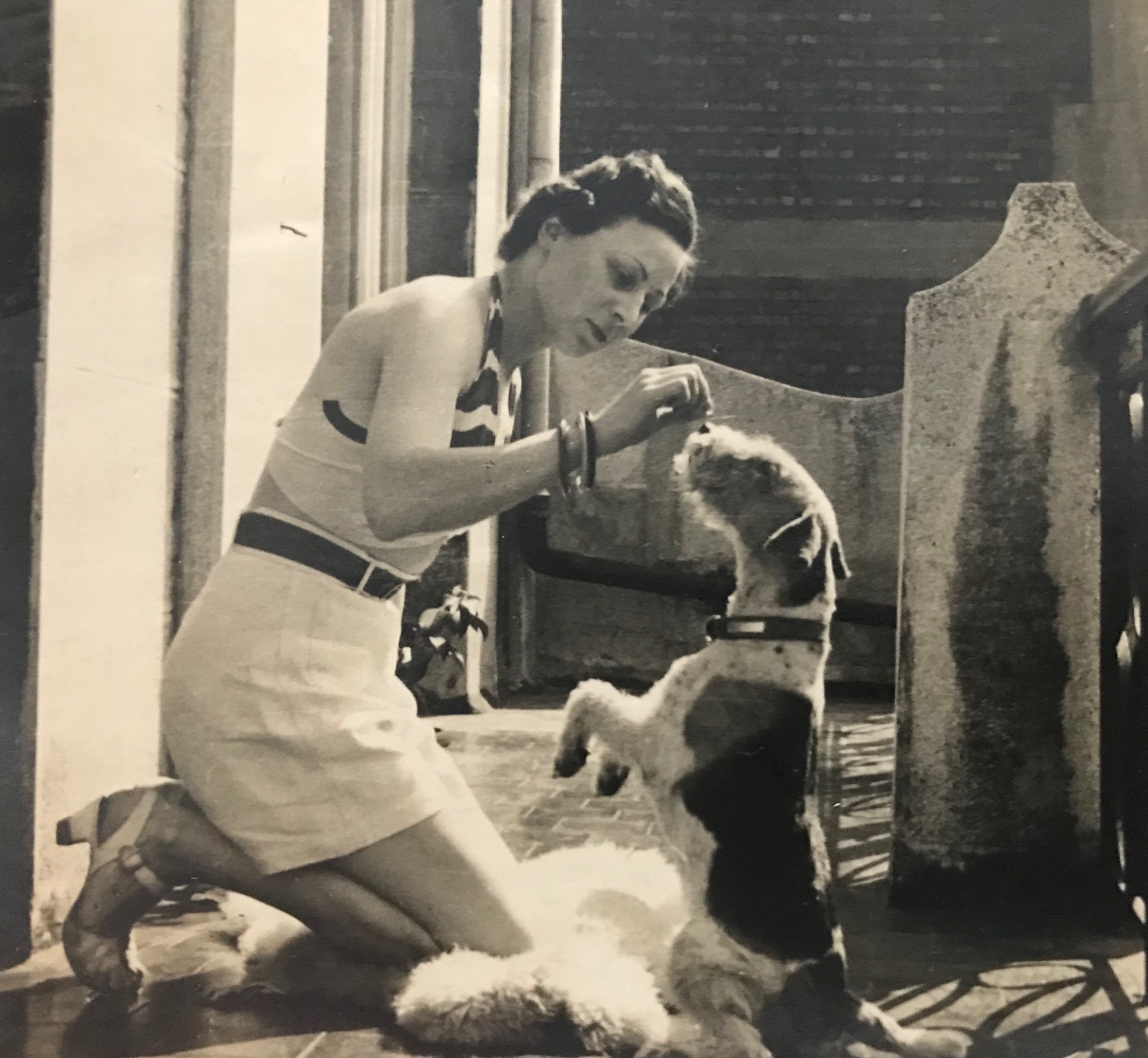
Born into a well-to-do family in Hertfordshire in 1913, even as a young girl Jicky did not conform to the rules of society at the time. She understood that the best form of emancipation for a woman was culture and study. She studied literature, art, history and foreign languages.
She moved to Brussels where she specialised in graphic analyses, studying with Madame Teillard, a disciple of Carl Jung. By analysing a person’s handwriting, she was able to divine their personality, whether they were corruptible or honest, sensitive or imperturbable, false or loyal.
Thanks to her rare skills, she was recruited by SIS/MI6 before the war broke out in 1939. In addition, she specialised in communication with carrier pigeons, a very important section of intelligence at the time, which has seen a revival today. After all, pigeons cannot be intercepted by radars and their ability to take flight makes them useful in the event of a nuclear attack and any subsequent radio blackouts.
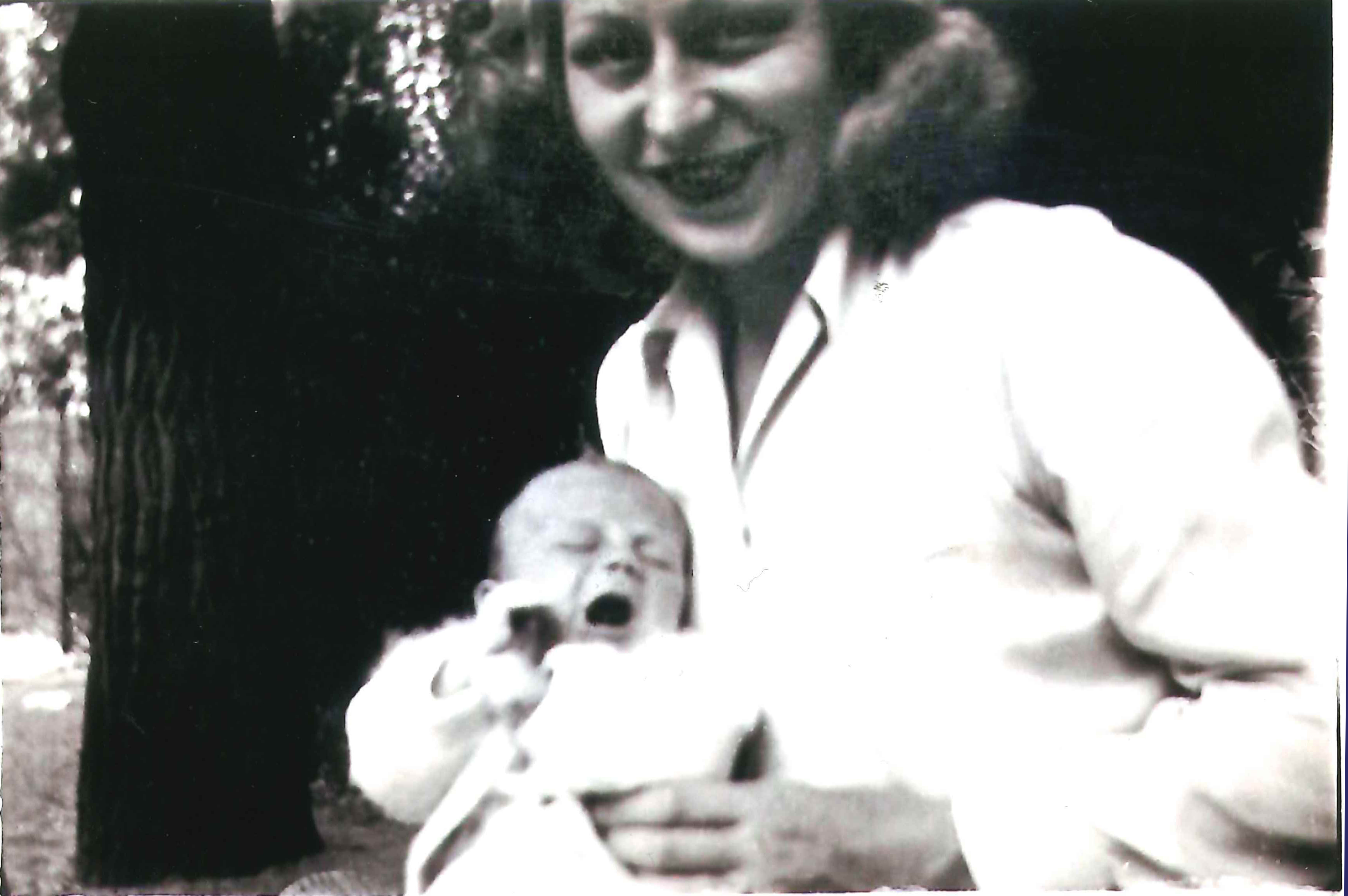
Jicky managed to impose herself with her skills at MI6. She did not worry about the agency’s discrimination against women who worked there. She never complained. After all, she was one of the most highly skilled intellectuals. Sir Claude Edward Dansey had been appointed deputy director of SIS/MI6, and had expressed his opposition to hiring women as secret agents. From his point of view, ‘they were simply not reliable’. That was what he thought of women. Jicky did not care at all, given her intellectual background, but it would not be until 2025 that MI6 would appoint its first female head: Blaise Metreweli.
However, Prime Minister Winston Churchill did support the recruitment of these skilled women, believing in their value so much that they were romantically dubbed ‘Churchill’s Angels’. Indeed, Churchill had such high expectations of intellectuals like Jicky that he created the famous ‘army of intellectuals’.
Jicky also showed a total aversion to the moral rules of the time. She flaunted her various boyfriends and the fact that she had become pregnant outside of marriage. She had an almost masculine mentality. She challenged the strict rules of society.
She had never wallowed in self-pity. Not even later, when she was captured and tortured by the Nazis. She resisted and came back stronger than before.
Yet she was an ordinary girl with many dreams for the future. She did not aspire to be a heroine and become famous. Far from it.
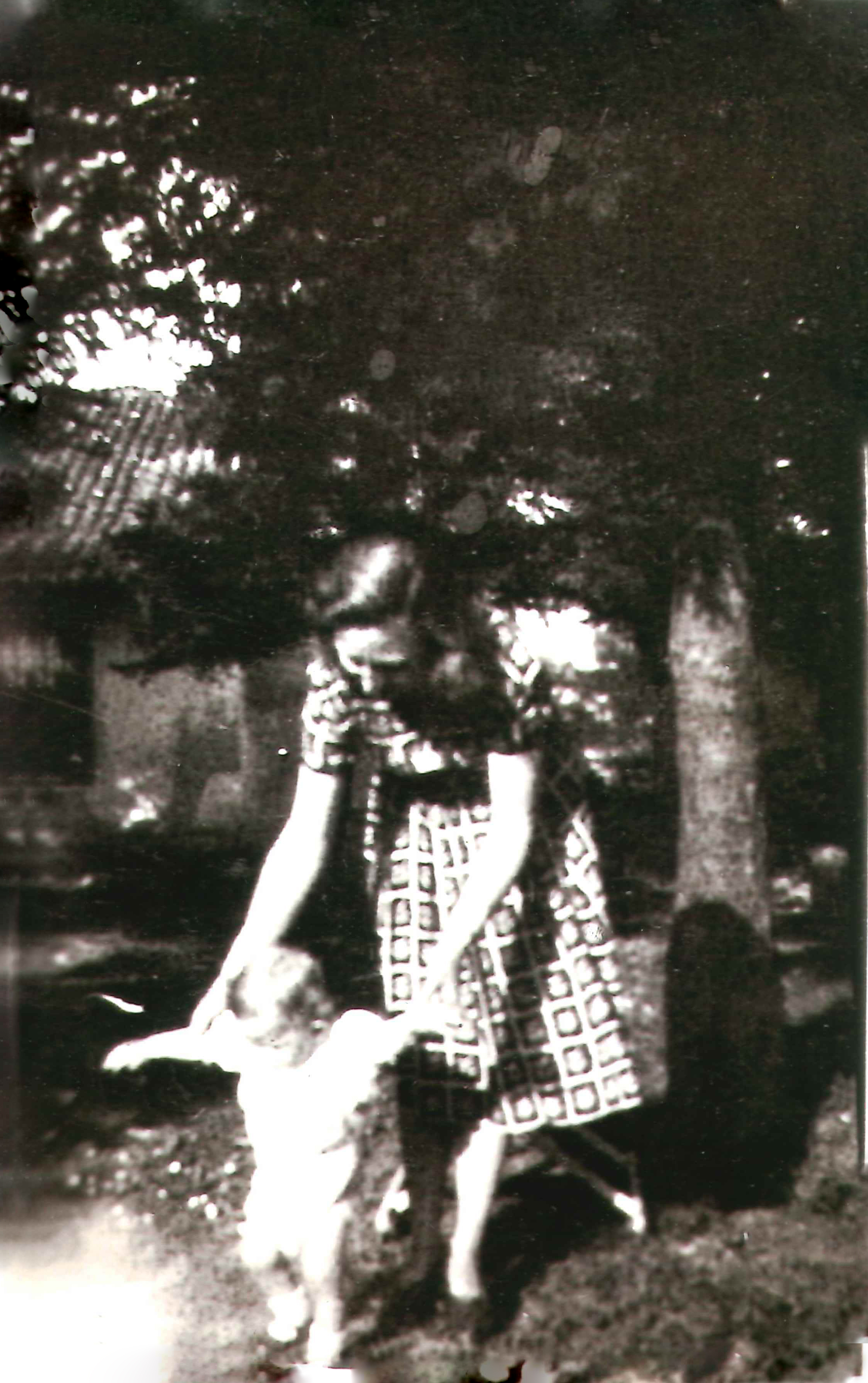
What can we learn from female figures like her?
One lesson is the power of culture to liberate and emancipate women from all forms of discrimination and social restrictions. Jicky never stopped studying. She died in 2011 and a few years earlier had begun studying Russian and Chinese. She already knew Italian and French. When asked what use they would be to her, she replied, ‘You never know, they might always come in handy’. Today we can see how important these two languages are for all current events. Culture, art and literature elevate everyone.
Another lesson is the power of principles. Jicky would never have bowed to Nazism. Principles came first in order to achieve freedom. She would rather have been killed than bow her head and obey as a slave to dictatorship. Her principles helped her to resist anything. Resilience springs from one’s ideals and beliefs.
Dignity would also remain her top priority throughout her life, even in the post-war period. The book contains many details about her private life after the war, highlighting her personality with its weaknesses, fragility and even mistakes, but always accompanied by a strong sense of dignity in the face of any event.
Jicky’s hunger for justice was the driving force behind her actions, even the most dangerous ones. When she was arrested, she was pregnant. She risked not only her own life but also that of her unborn child.
Her love of life was always present. She was hungry for life, passion, travel and friendship, heedless of others’ judgements, even when she made mistakes. Strengthened by the fact that she had survived the horrors of war, she tried to convey her joie de vivre to those around her.
Her courage gave her the strength to challenge Hitler’s dictatorship and strike a blow against the Nazi regime, even though she paid dearly for it with torture.
Her sense of knowing how to work together as a team for a higher common good meant that she was able to help De Gaulle’s Free French Resistance groups, coordinating them, and, once captured, never betraying them. They were almost like family to her.
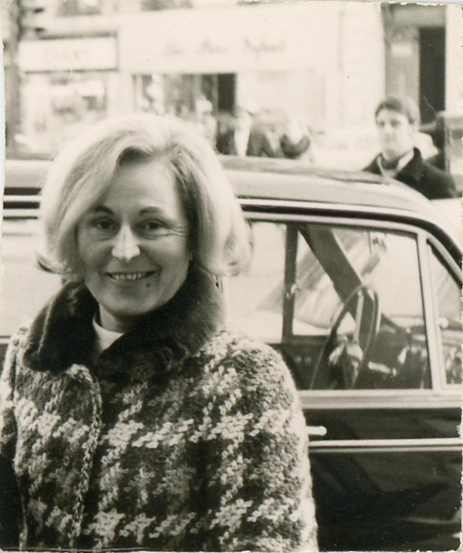
As a secret agent, she had signed the Official Secrets Act and never betrayed it, even in the last years of her life. She always honoured her word. She could have written memoirs or appeared on television talk shows and become rich. She did not receive a pension, as was the norm in British intelligence at the time, but always remained loyal. Her word was sacred.
Jicky’s lessons are a source of inspiration, especially today. For women, but also for men. And what is the best way to remember Jicky? By emulating her behaviour. Her example of courage possessed by those who are aware of danger and strength, and above all her principles, opposition to evil, and cult of honour and justice are sources of inspiration for everyone.
For the rest, she remained a rebel. An independent and undisciplined lover of freedom.
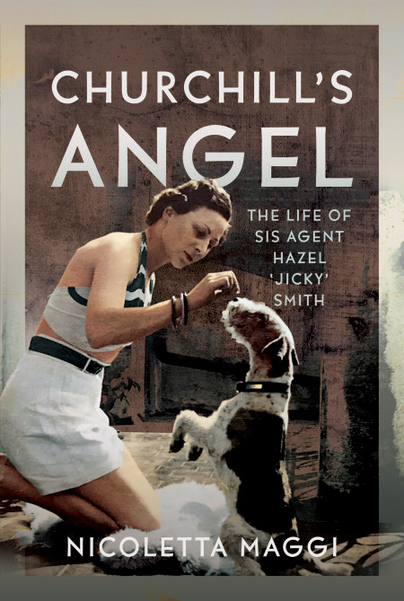
Order your copy here.