The ‘Lister Sisters’ lives in 5 facts
Women’s History Month guest post from Rebecca Batley.
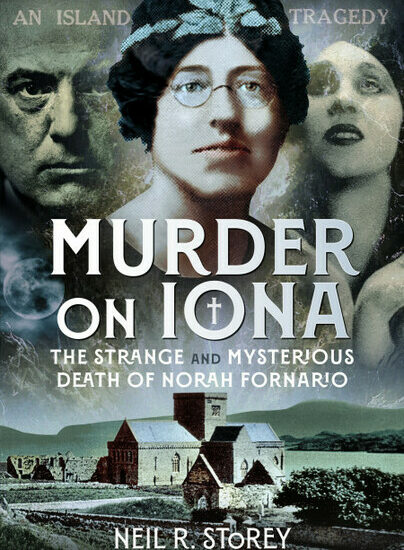
Anne Lister ‘Gentleman Jack,’ and her infamous diaries hit the headlines last year with the BBC production of the same name. Its popularity has spawned a plethora of Gentleman Jack blogs, research and books which have to a fault focused primarily on Anne Lister’s romantic relationships with a huge variety of women, but there is another woman lurking in the pages of her diaries: Her sister Marian.
Marian Lister was Anne’s younger sister (born in 1798) and the two women had a complex and fascinating relationship that can be tracked through Anne’s diaries. They reveal Marian to be a complicated woman, who both resented and was fiercely protective of her sister. Anne vehemently disapproved of Marian’s desire to marry a “carpet maker” John Abbot, feeling him to be unworthy of the sister she herself often derided. Marian would remain at Shibden until 1836 whereupon she moved to her inherited estate at Skelfler, Market Weighton. Her life after that is only now being pieced together through letters and census records. She overcame significant financial challenges and defied society by living as an independent woman.
For Anne her relationship with Marian was in many ways the cornerstone of her life. Other women came and went, but Marian is the one constant throughout her diaries. They bickered constantly with Marian literally screaming in frustration at her headstrong sister on more than one occasion. Anne complained that Marian was “simple…..good for nothing,” yet her approval meant a good deal to her. She also depended on her, every time she left to travel she would issue Marian with a list of orders and she relied upon her to care for their father and aunt as well as helping to run the estate during her frequent absences.
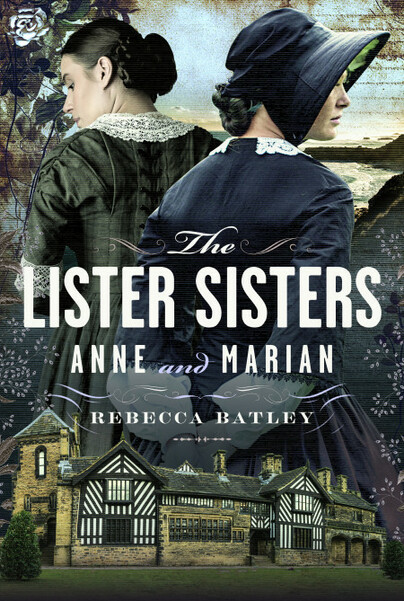
It is this remarkable story of two very different, but equally remarkable, women who shared a complex relationship that had its moments of triumph and tragedy, and had a profound influence on each of their lives.
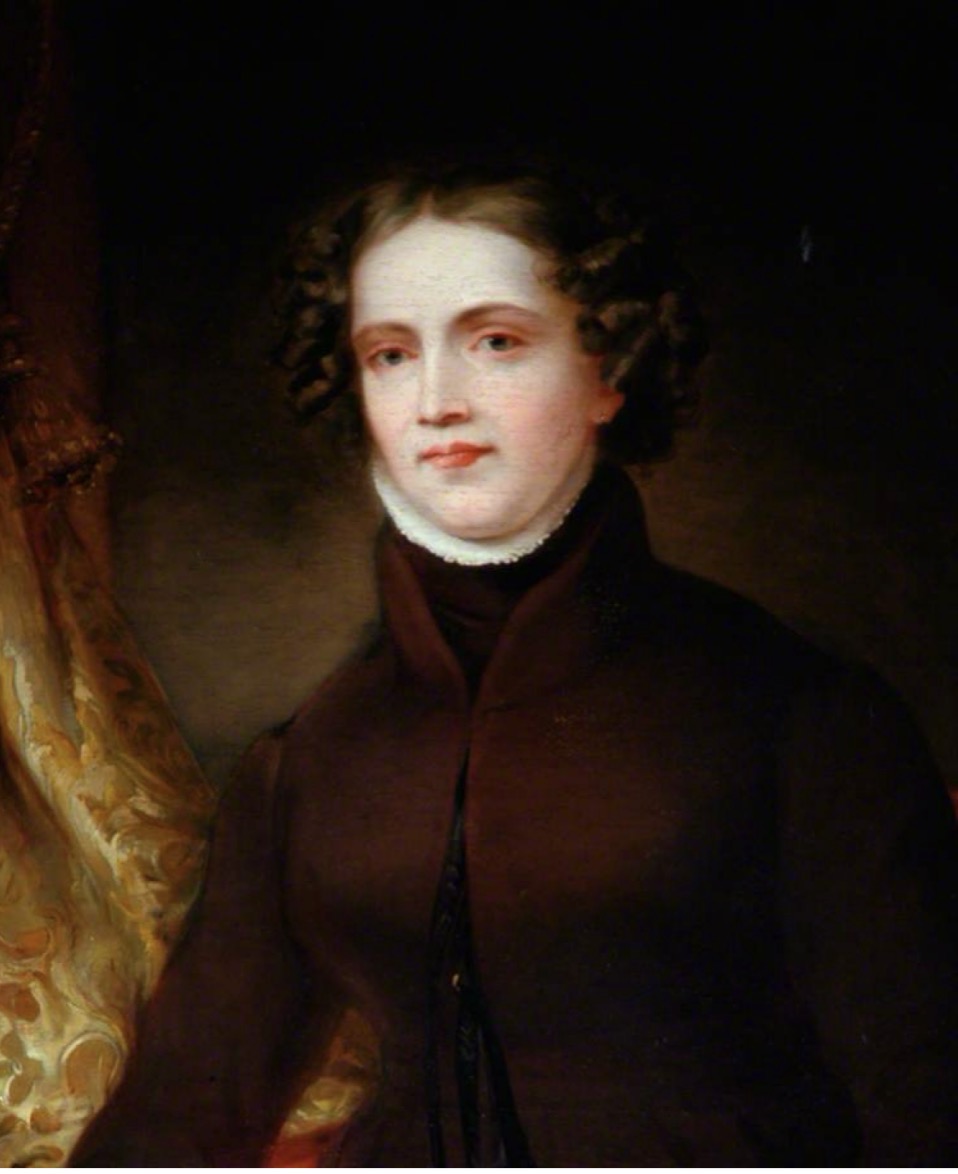
1 – Marian was Anne’s younger sister, born in 1798. She was an easy baby who was placed in the care of a nurse called Mrs Steel as was common at the time. Marian seems to have been close to Mrs Steel and when she died acted as chief mourner at her funeral and went into mourning for six weeks.
The sisters had other siblings. Their eldest brother John died as an infant in 1789, as did another brother Jeremy who died in 1802. Their mother, Rebecca Battle, also gave birth to a stillborn daughter in 1806. Their brother Samuel Lister was born in 1793 and he was particularly close to Anne. In 1812 he joined the army and enlisted in the 84th York and Lancaster Regiment of Foot. He was stationed in Fermoy, Ireland when he drowned in the river there in 1813. His death meant that Anne would ultimately inherit the Shibden estate, and Marian land in the East Riding. They had another brother John, who was born in 1795 and who was close to Marian. It was Marian who wrote to her sister informing her of John’s ill health in December 1809. He died soon afterwards and was buried in Halifax church, something that Marian wanted to rectify and it was the source of tension between the sisters.
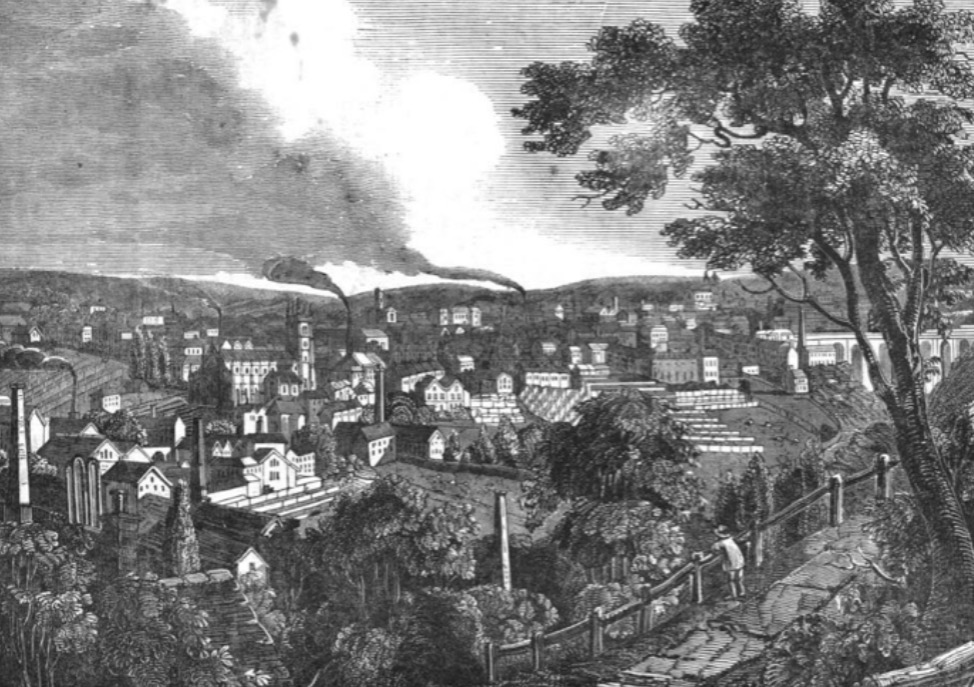
2 – Marian was a keen gardener, read widely on the subject and grew potatoes. When she was living in Mill Cottage, North Cave, she enjoyed gardening and with the help of her 32 year old gardener Robert Jeffrey grew potatoes near the pond she had there. Potatoes were a fashionable crop in the 1800’s and quickly became the kitchen staple that we know today. Hot baked potatoes were already being served in Yorkshire streets at this time. When Anne visited her there she felt that the brandy Marian was drinking was of poor quality, and sent her a better bottle.
3 – Anne and Marian went together to view the Madame Tussauds exhibition when it travelled to Halifax. This was part of Madame Tussaud’s tour of Britain whereby she left her husband and took her waxworks around the country from 1802 onwards. It wouldn’t be until 1835 that the exhibition found a base in London. The names of the figures which Marian and Anne viewed that day are unknown, but they are likely to have included the famous work ‘Sleep Beauty’, modelled using the face of Madame du Barry, the mistress of Louis XV, who was guillotined in 1793. The model had been created in 1765 and carefully transported by Tussaud around Britain.
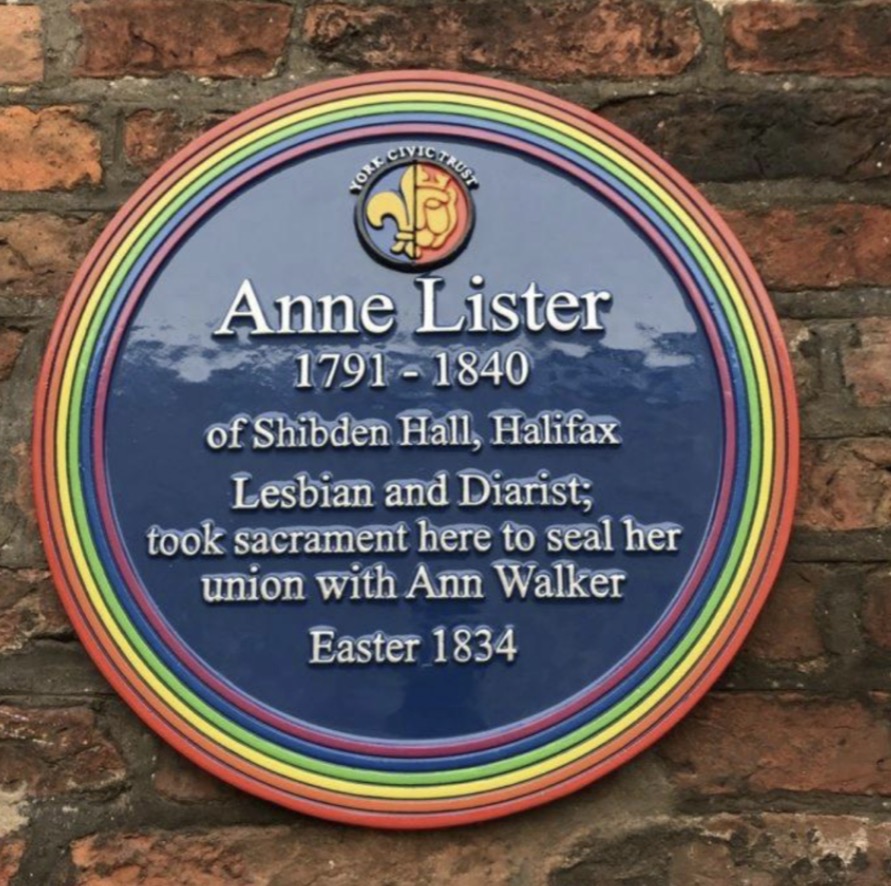
4 – Marian got on well with most of Anne’s lovers but especially with Isabella Norcliffe. It is clear that by 1824 Marian and Isabella had struck up a firm friendship. Isabella told Anne that ‘she [and Marian talked] very freely together.” We know that Marian complained to Isabella about her aunt and life at Shibden. Given that Isabella had her own issues with Aunt Lister it seems likely that the two women had this in common.
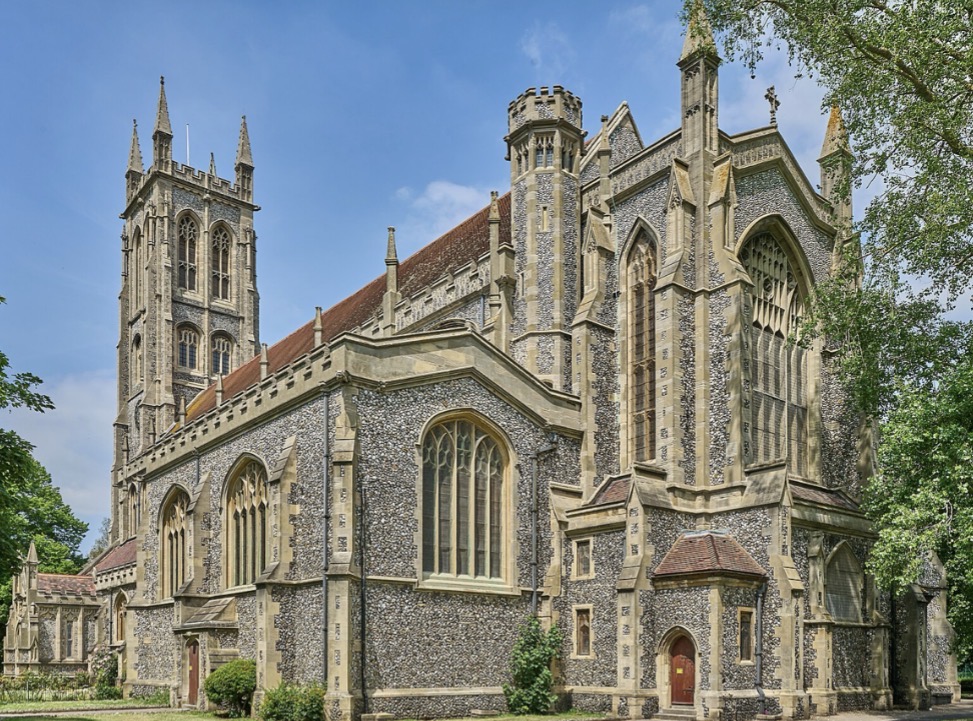
5 – Marian outlived her sister by many years. In the 1861 census we find Marian living temporarily (visiting) her now grown-up ward Sarah Inman down in Portsea on the south coast. Sarah Inman had married Augustus Edward Henry Ansell, who was a captain in the army, which would explain why they moved so far south. Their marriage had taken place on 21 January 1857 at Christ Church in Paddington. Four years later Marian was living with them at Osborne House in Portsea in the municipal ward of St Mary’s, Portsmouth. Sarah had recently given birth to a daughter, whom she named Marian, no doubt in honour of the woman who had always been so devoted to her care. Baby Marian was three months old at the time of the census and it seems reasonable to suppose that Marian Lister went down to Portsea especially to be with Sarah during and following her confinement.
…………………………………………………………………………….
Order your copy here.