5 Myths About Pregnancy and Childbirth in the Middle Ages
Women’s History Month guest post from Michèle Schindler.
Pregnancy and childbirth are universal subjects, female experiences that connect women through cultures, and also through time. These experiences naturally also shaped medieval women, and as a universal subject, a lot was spoken and written about it even during the Middle Ages. Sadly, a lot of medieval culture has since been forgotten or misunderstood, so that today, there are many misconceptions about pregnancy and childbirth in the Middle Ages. Here are some of the most pervasive myths, and the truth behind them.
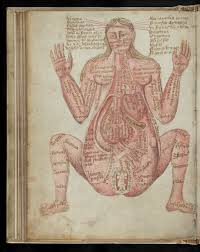
- Women often gave birth in their early teens
This is a perhaps one of the most well-known and often perpetuated myths, fuelled not only by a misunderstanding of medieval culture but also by plain misogyny. The idea that women were considered, during medieval times, to have their primary purpose in giving birth to as many children as possible and were therefore forced to start giving birth as soon as they could, is as reductive as it is wrong. While there were notable cases in which girls were forced to give birth at a very young age, it was not something that was encouraged, let alone celebrated. In fact, all written works on pregnancy and childbirth explicitly discouraged it, and it was met with disgust when it happened. The known ages of first time mothers during the Middle Ages suggest that it was rare for women to give birth before the age of 16 or 17, and in the case of commoners, non-nobility, it was often even in the early twenties.
- Twin births were rare in the Middle Ages and always ended in tragedy
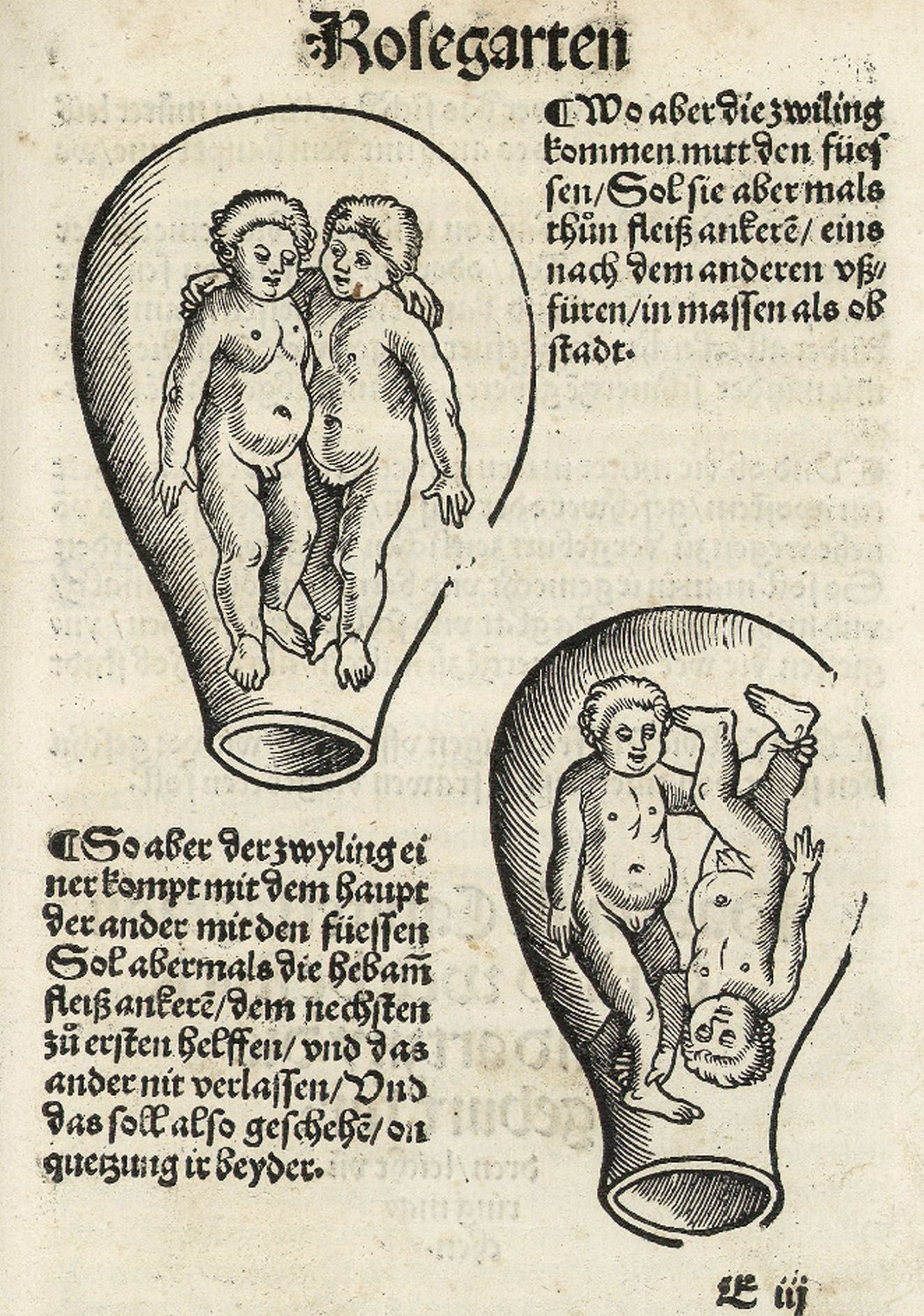
This is a difficult subject, hard to research because often, births even of children of the nobility were not immediately recorded, so that there was also no immediate record when twins were born. However, we do know of some pairs of twins, either because they were born to royalty, or simply because they, as adults, were siblings stated to be the same age.
While naturally, this means that any study of the frequency of twin births has to be lacking, what we do know suggests that twins were born as frequently in medieval Europe as at any other time in European history before the advent of fertility treatments in the late 20th century. Nor does it seem that twin births ended in tragedy any more often than other births. While medical books on pregnancy stressed the potential difficulties of twin births as opposed to the birth of singletons, the number of women surviving twin births, including Isabella of Castile, suggests that it was not any more deadly for mothers than normal births. The same can be said for twin babies, who do not seem to have died with more frequency than their singleton contemporaries.
- There was no medical interest in women and women’s issues
A very enduring myth about the Middle Ages is that women were always treated as second class citizens and their concerns not taken seriously, not really spoken about and their health all but ignored.
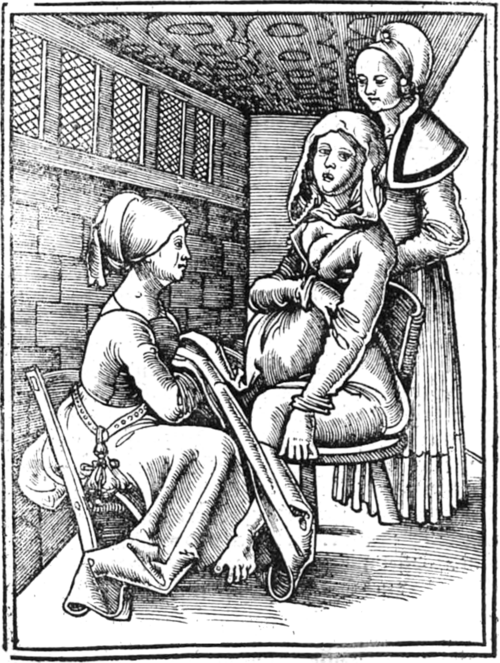
Again, there truth is somewhat different. While it is true that physicians were almost all male, this does not mean that they had no interest in the well-being of women. There were books written about pregnancy and childbirth, all during the Middle Ages, all through Europe. These ranged from philosophical works to medical texts with practical advice, which was focused on making pregnancy and childbirth as easy as possible.
It is also easy to ignore the contribution of women themselves to these subjects. Midwives were usually involved in births and naturally gave advice; this was often recorded and valued, seen as an important contribution to studies about these subjects.
- Infertility was always blamed on the woman
The omnipresence of Henry VIII of England in media has made this myth something everyone with a slight interest in history “knows” – that men were never blamed for infertility, only the woman. This is, however, not true and it was not even true in Henry’s own time. In the centuries preceding him, there were different theories on what caused fertility, and while some of these blamed the woman, by no means all did. In some medical texts, there were suggestions given how to test which of the partners of a couple trying unsuccessfully for a child was the infertile one. Others suggested remedies for both men and women.
That this was not just purely theoretical, with society at large blaming women, can be seen in several famous examples, such as that of Charles the Bold and Margaret of York. Despite the fact that he had a daughter and she had no children, their childlessness as a couple was blamed on him, not her.
- Daughters were valued less than sons
This is another very pervasive myth, that the birth of daughters was seen as a disappointment, or at the very least, not as happy an event as the birth of a son. In some cases, this appears to have been true, but again, it would have been due to personal misogyny by the father in question, not a societal problem. Even kings and rulers, who needed sons to carry on their dynasty, having daughters seem to have, by and large, been just as happy at their birth as they were at the birth of sons. When Edward IV of England’s first child was born, Elizabeth, future consort of Henry VII, the celebrations that had been planned for the birth were not changed or even cancelled because she was a girl, and he seemed happy with the births of all his daughters, even when he did not have a son yet. Similarly, Edward I and Henry II of England expressed the same joy at the births of daughters as they did at the birth of sons, as did all number of nobles we have this sort of information on. Though naturally, such information is rare for commoners, it stands to reason they saw it similarly and loved all their children, rather than preferring sons simply due to their sex.
Order your copy here.