BLITZKRIEG 1940: Two VCs & The Forgotten Infantry Battle of 21 May 1940
Author guest post from Dilip Sarkar MBE FRHistS FRAeS.
On 1 September 1939, Germany invaded Poland. That day, Britain mobilised for war, 3,000 men of the British Army Reserve being recalled to the colours. Amongst them were Grenadiers Bert Smith and Arthur Rice, both old soldiers, who re-joined the 3rd Battalion at Barossa Barracks, Aldershot. Lieutenant Edward Ford, a Grenadier subaltern, remarked that ‘There were no better soldiers than the reservists who returned to us’.
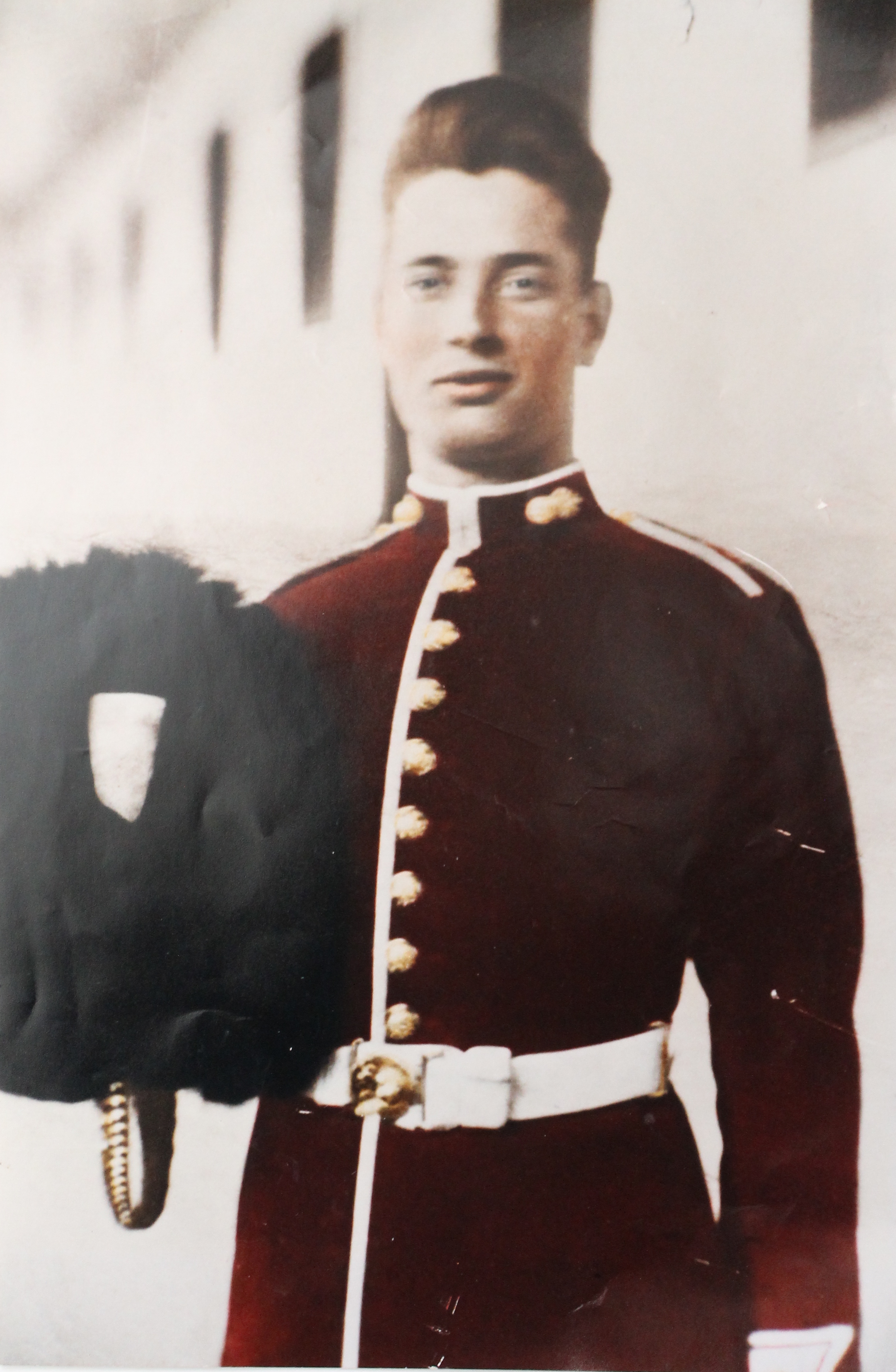
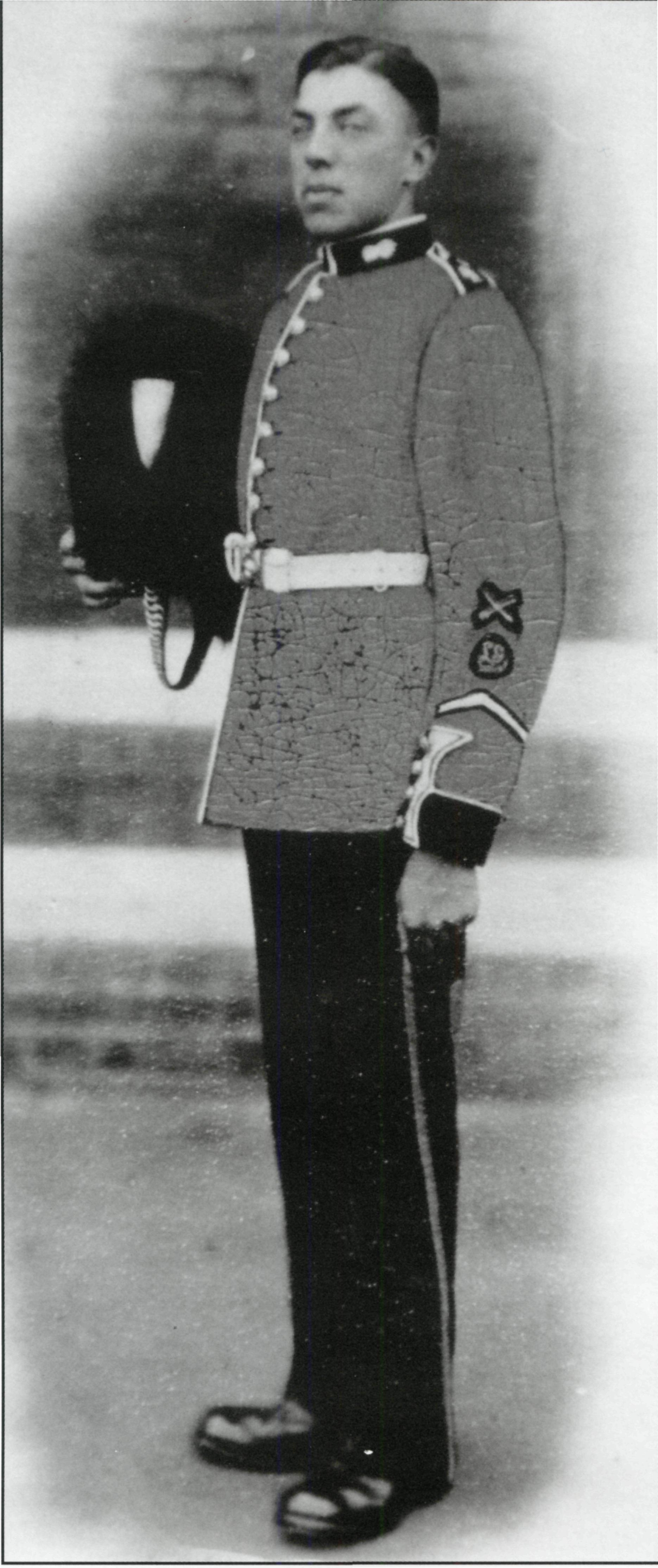
The 3rd Battalion, together with the 2nd Coldstream and 2nd Hampshires, was a part of the 1st Guards Brigade, 1st Infantry Division, which joined Lord Gort VC’s British Expeditionary Force – which substantially comprised reservists and territorials.
On 19 September 1940, 1st Guards Brigade sailed for Cherbourg, joining the BEF in France. The Brigade would spend the winter of 1939/40 in hastily prepared defensive positions along the Franco-Belgian border, the Belgian King having refused the BEF entry (in attempt to remain neutral). At 0435 hrs on 10 May 1940, however, Hitler attacked the west, German troops crossing the Dutch, Belgian and Luxembourg borders. An hour later, the Belgians pleaded for help.
Anticipating that the Germans would replicate1914 and advance through Belgium from the north, the Allies executed Plan ‘D’, moving eastwards to the river Dyle. For the BEF, this meant marching forward sixty miles across unreconnoitered ground, with no supply dumps, prepared positions or clear command arrangements with the Belgians. As Guardsman Bert Middleton remembered. ‘We had to walk it’. Worse, the actual Schwerpunkt (point of main effort) involving the majority of German armour had been cleverly disguised. Instead of replicating 1914, Panzergruppe Von Kleist successfully negotiated the supposedly ‘impassable’ Ardennes, racing for the Channel coast and completely outflanking the Maginot and Dyle Lines. Almost immediately, therefore, the BEF was placed in grave danger of envelopment. By 16 May 1940, it was clear that a prolonged defence along the Dyle was impractical. Consequently, a withdrawal westwards, to the river Escaut, was ordered.
Guardsman Arthur Rice: ‘We hadn’t seen the bloody Germans, so couldn’t understand why we had to retreat before fighting a battle. We thought we could beat them. We all did’.
The 3rd Grenadiers provided a rear-guard, eventually withdrawing themselves, bridges being blown in their wake. In the Foret de Soignes, an officer of 1st Division HQ, checking troops through, was heard to remark ‘These must be the Guards!’ – as the Battalion marched through the woods, all in step. The Grenadiers marched on, in fact, south of Brussels, over the Charleroi Canal and into 1st Guards Brigade reserve at Zobbroek. On 17 May 1940, Stukas attacked the resting Guardsmen, fortunately without casualties. The Battalion was then ordered to fall back again, this time behind the Dendre. From the Dendre, the BEF withdrew to he Escaut Line, and dug in, division alongside division. On Lord Gort’s right was the French 1st Army, Belgians to the left. At last, the BEF was in a position and ready to fight a major defensive battle.
As Guardsman Follett recalled ‘At the Escaut we were told to “fight to the last man and last round”.
After dark on 20 May 1940, the 3rd Grenadiers occupied positions along the river Escaut in front of the hamlet of Esquelmes, a mile south of Pecq. To the Grenadiers’ left was the 2nd Coldstream. The main Pont-à-Chin road ran parallel with the river, half a mile west. At the village of Bailleul, a further half mile west beyond the road, Major Starkey’s 3 Company – including Lance Corporal Harry Nicholls – was held in reserve together with Lieutenant Reynell-Pack’s Carrier Platoon. Along the riverbank, Major Alston-Roberts-West’s 4 Company – including Guardsmen Smith and Rice – held the Grenadiers’ left flank. That night, Allied artillery bombarded German positions on the east bank, the enemy guns responding in kind. Thus the scene was set for derring-do on Tuesday 21 May 1940 – when IV Armee Korps was to mount an assault river crossing and seize the west bank.
Guardsman Rice: ‘We were in trees by the river, eating breakfast when suddenly there were explosions all around us. I took cover with Guardsman Chapman and we were hit by a mortar round – all that was left of him was his pack’.
Guardsman Les Drinkwater: ‘Suddenly all hell broke loose, the enemy opening up on 4 Company with artillery, mortar and machine-gun fire. Our left flank took a real battering’.
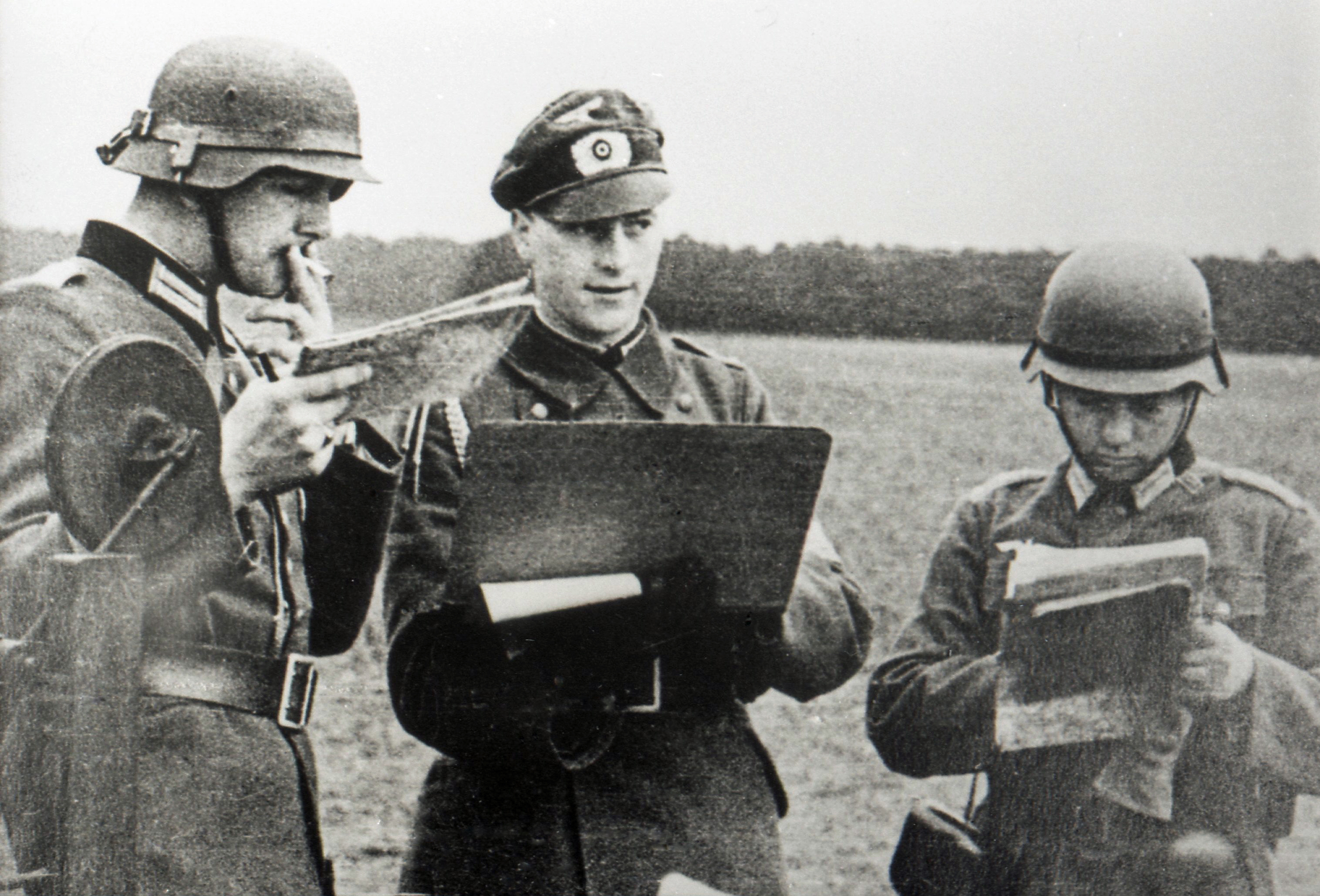
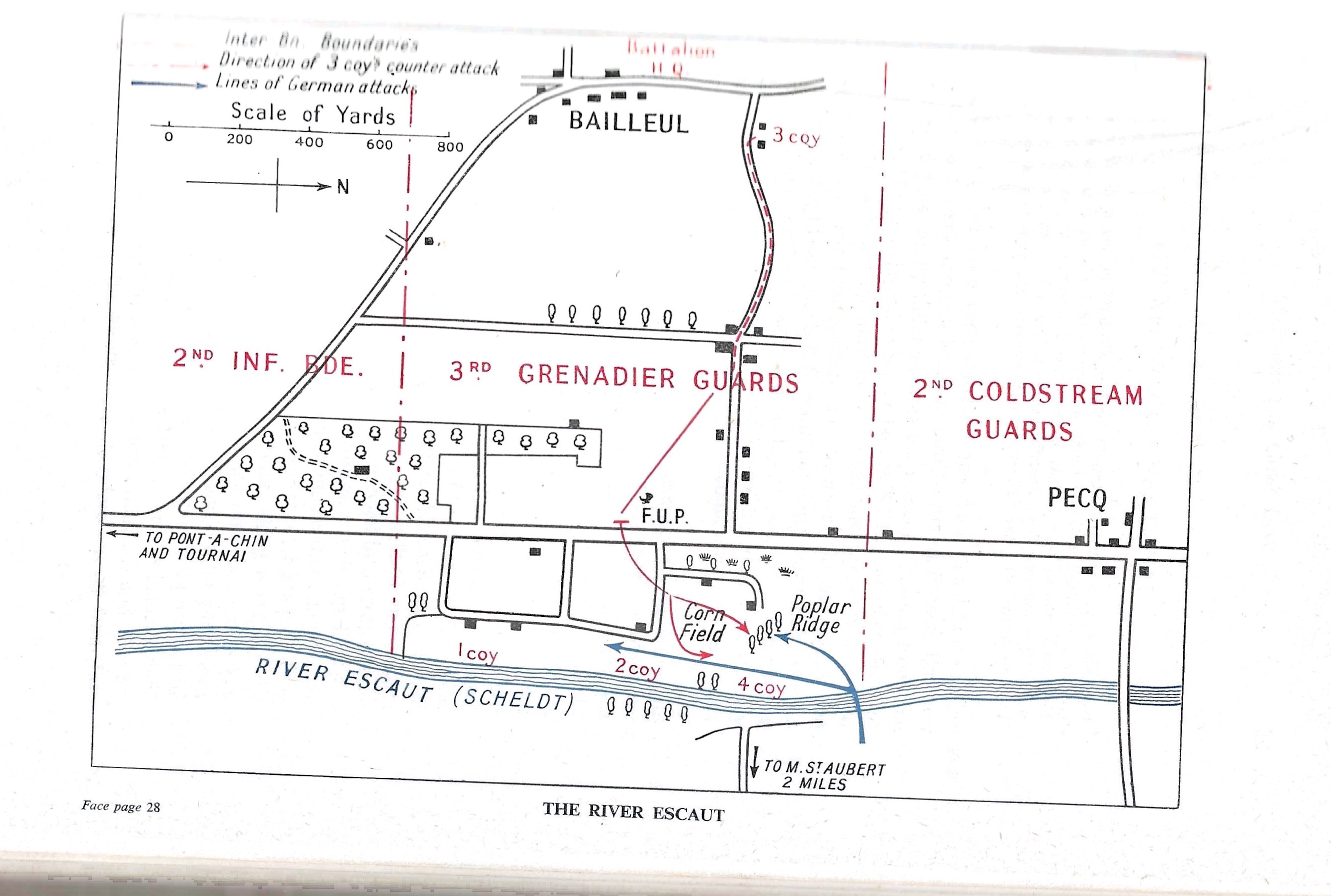
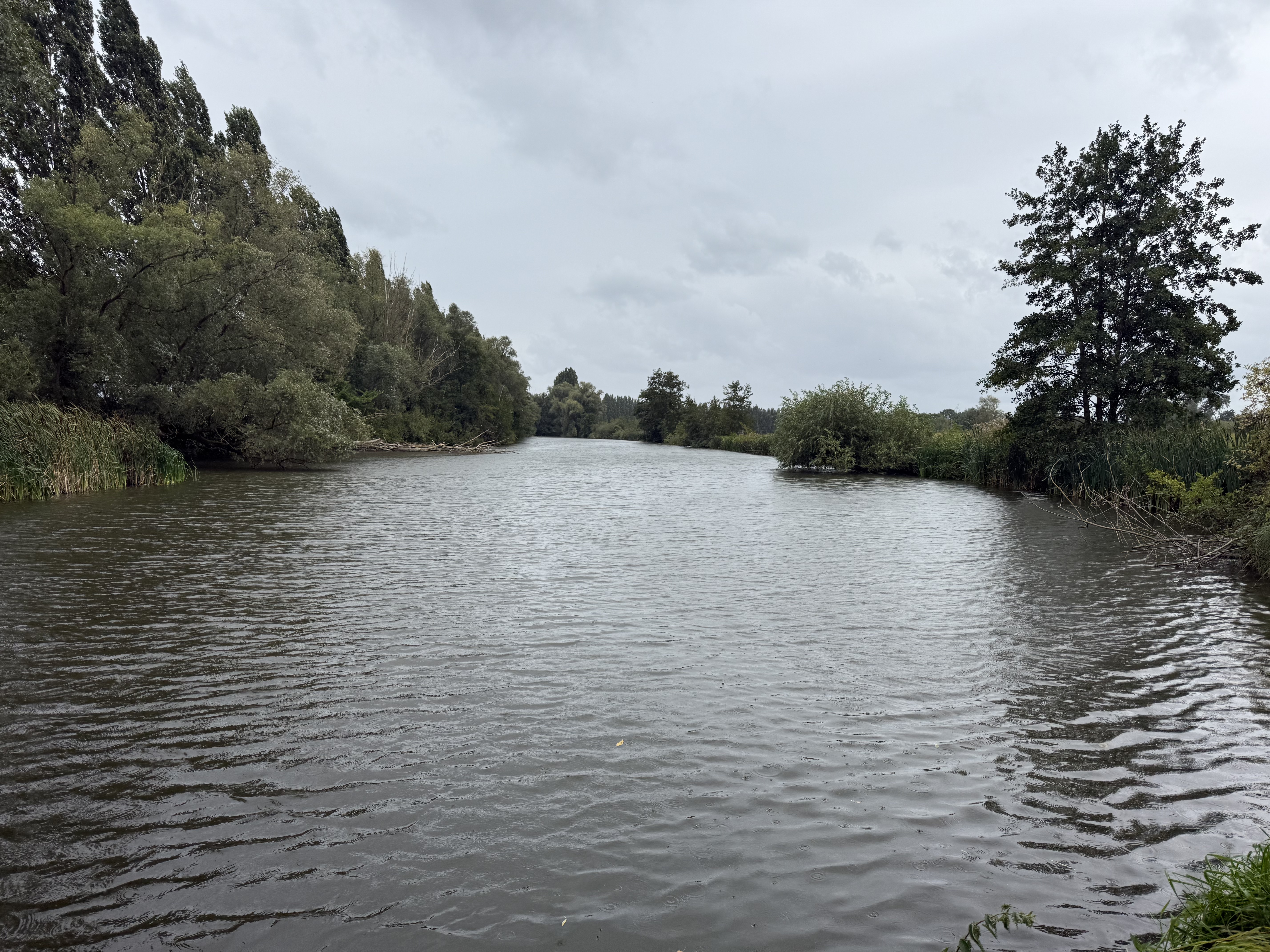
Then, the Germans appeared out of the mist and confusion in rubber boats. The German commander, Hauptmann Lothar Ambrosius of the II Battalion of Infanterie-Regiment 12, wrote that ‘The river crossing was very difficult… the English were firing at us from all directions…’. Guardsman Rice was, according to Les, firing with his Bren ‘as if in defiance of the whole German army’. A mortar round then blasted Arthur through a bush, fearfully wounding him. Les, a medic, grabbed Arthur, who was still alive – just – and dragged him to the temporary safety of Company HQ. Guardsman Smith suffered a head wound and was captured in hand-to-hand fighting on the riverbank, as 4 Company was overrun. Major West ordered a withdrawal but was killed himself and seen to fall on the canal bank. The Grenadiers withdrew west, entering the cornfields between the canal and main road. Meanwhile, Hauptmann Ambrosius’s men continued pouring across the canal, working their way inland along a line of poplars bordering the main cornfield, driving a wedge between the Grenadiers and Coldstream. Leutnant Bartel’s two MG34 teams pinned down the Guardsmen, causing many casualties. Indeed, several gallant counter-attacks were roughly handled by the enemy guns. The situation was critical.
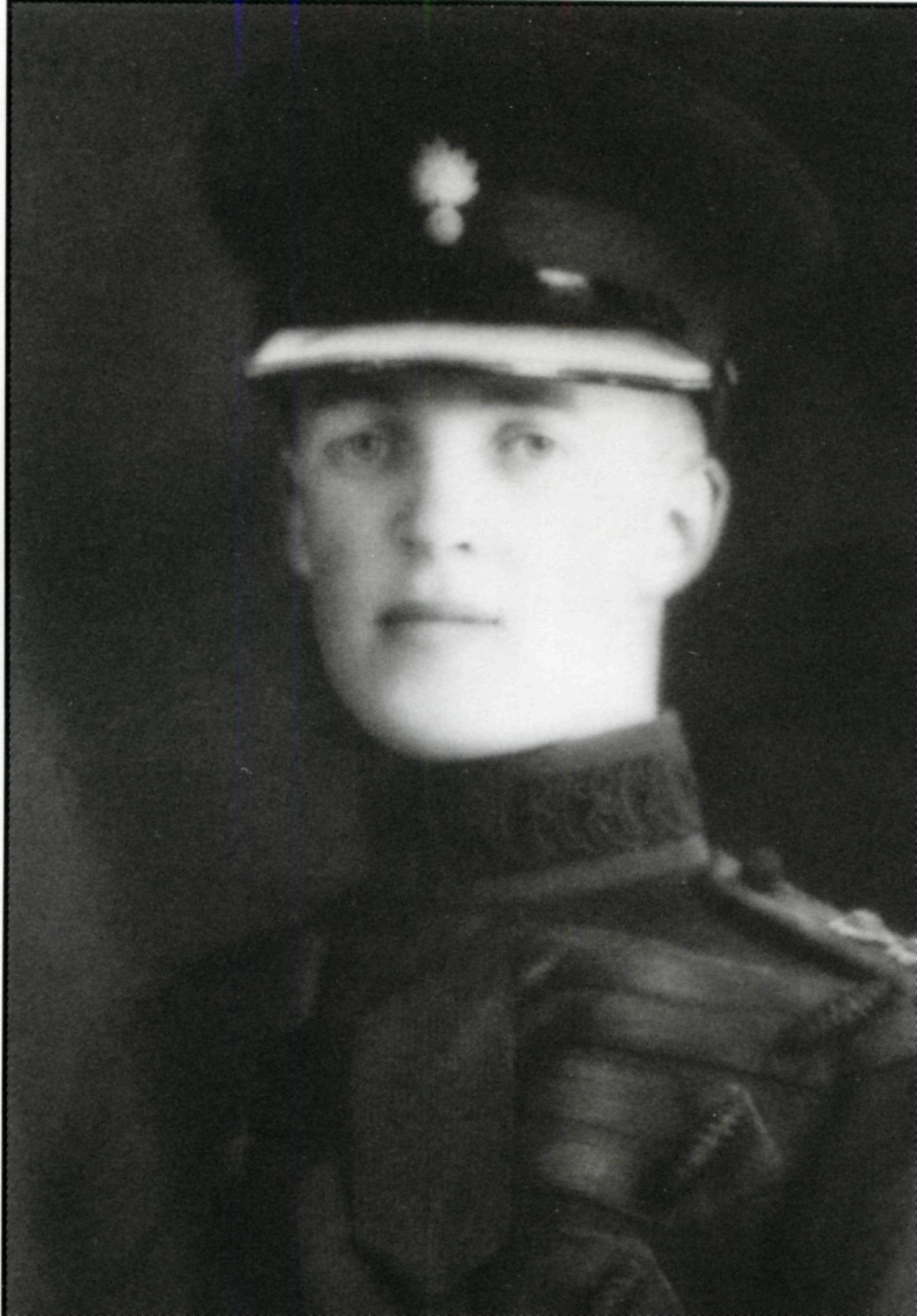
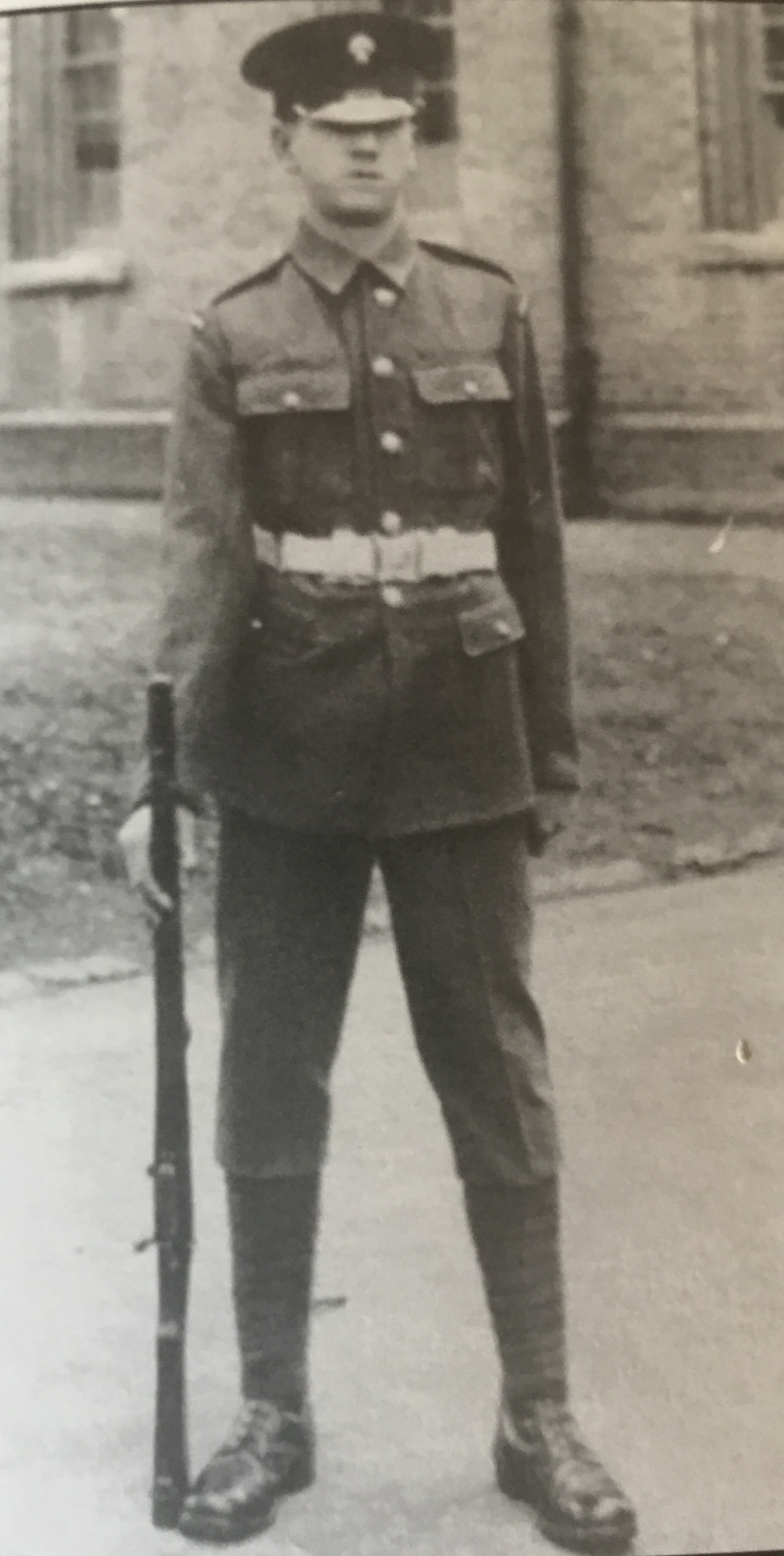
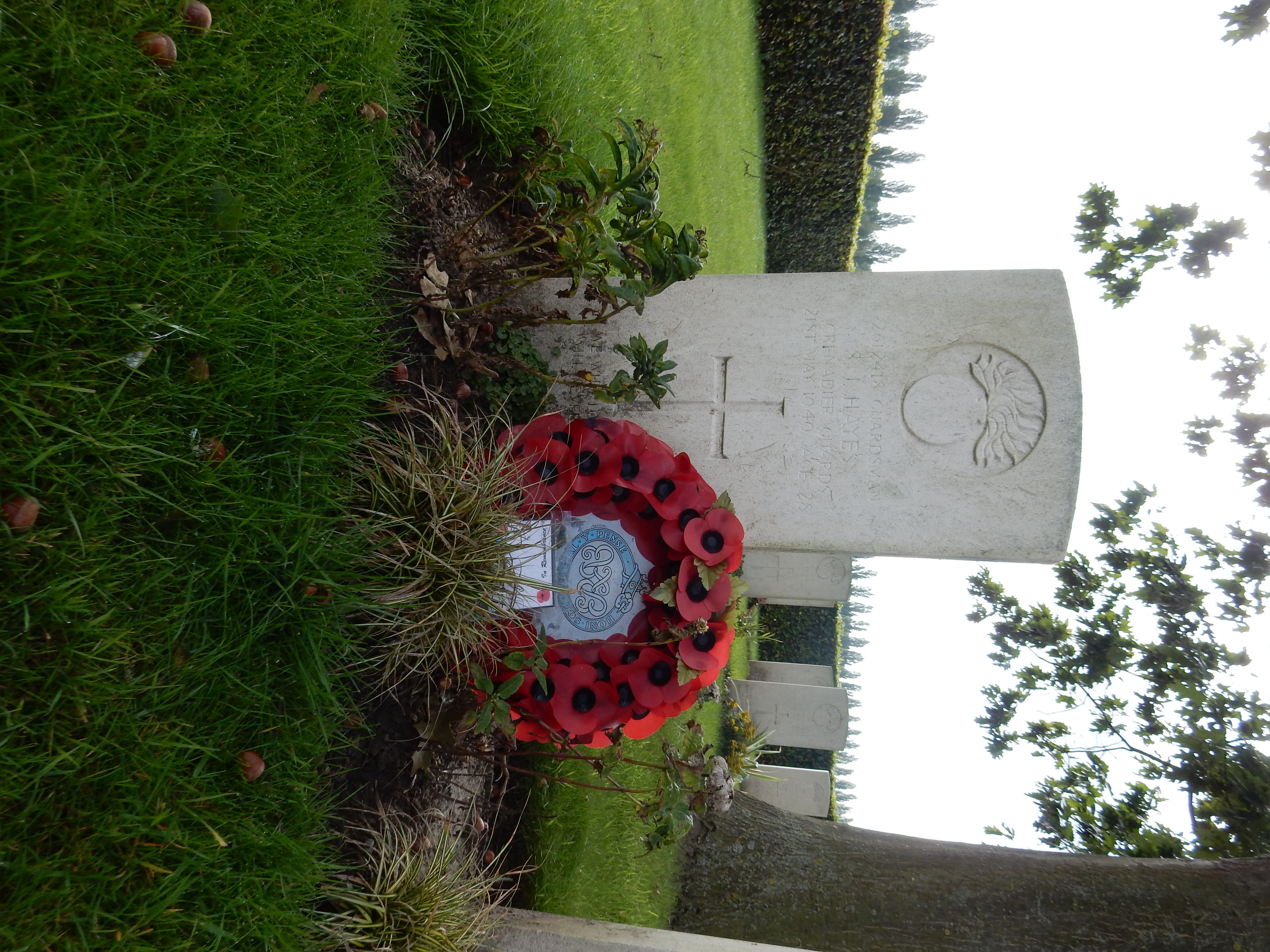
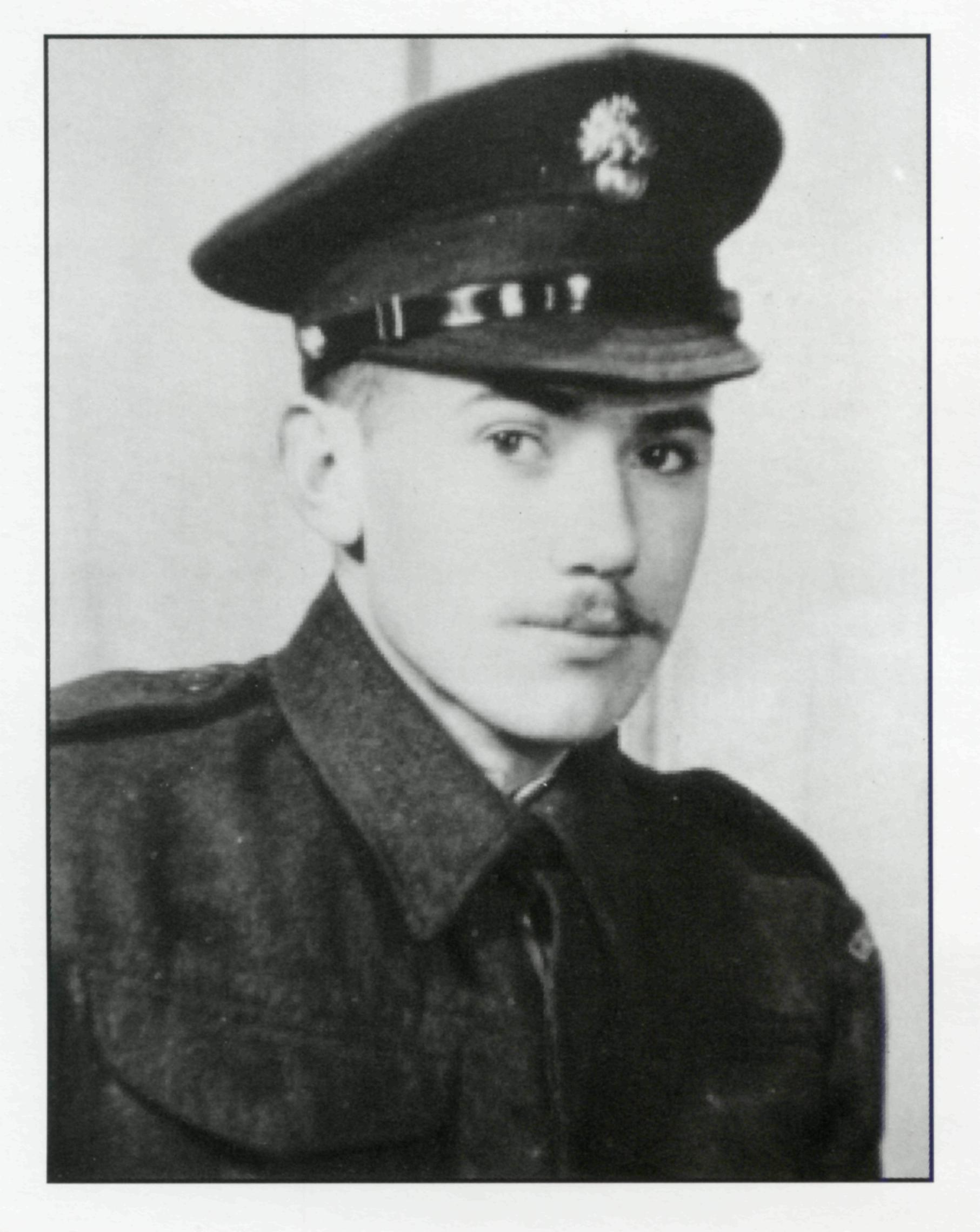
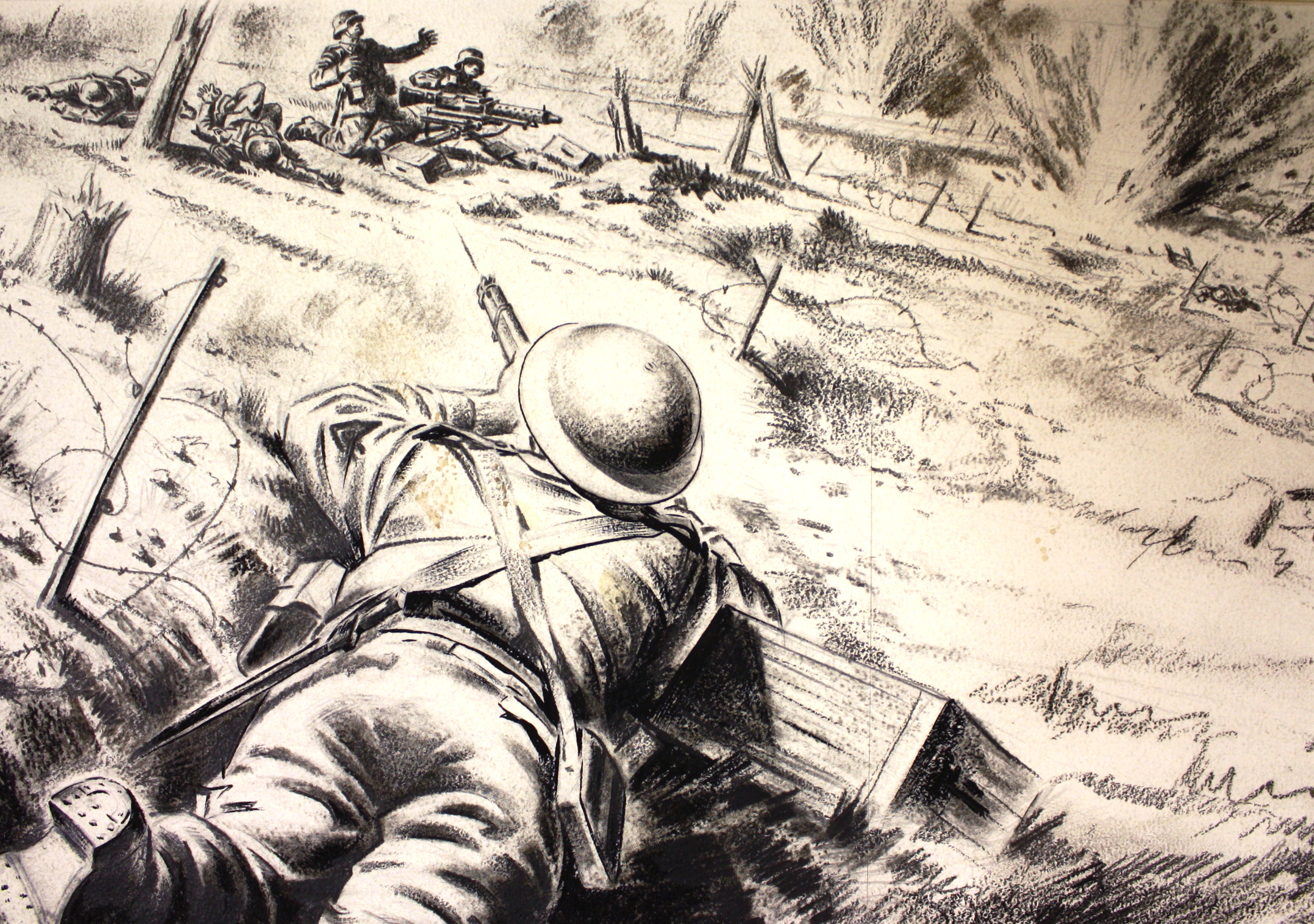
Major Allan Adair, commanding the 3rd Grenadiers, ordered Captain Starkey to advance with 3 Company, link up with the Coldstream and push the enemy back across the Escaut. Guardsman Percy Nash was with his friend Lance Corporal Harry Nicholls, carrying a bag of magazines for the boxer’s Bren: ‘Whilst forming up, Harry was hit in the arm by shrapnel, but he was determined to grab this opportunity for action. So was I’. At 1130 hrs, supported by Lieutenant Reynell-Pack’s three Carriers, Starkey’s men advanced towards ‘Poplar Ridge’. Initial progress was good, but the Grenadier mortars ceased firing too early. According to the official account ‘The attack went in with great dash, but the men were mown down by hidden machine-guns’. Reynell-Pack then charged his Carriers, but, bouncing at speed over the rough ground, gunners were unable to bring their sights to bear. All three tracked vehicles were destroyed, and all personnel killed – Reynell-Pack himself just fifty yards from his objective. Guardsman Bill Lewcock: ‘Our numbers were dwindling rapidly… unable to proceed due to mounting losses… it was then that Harry Nicholls dashed forward’.
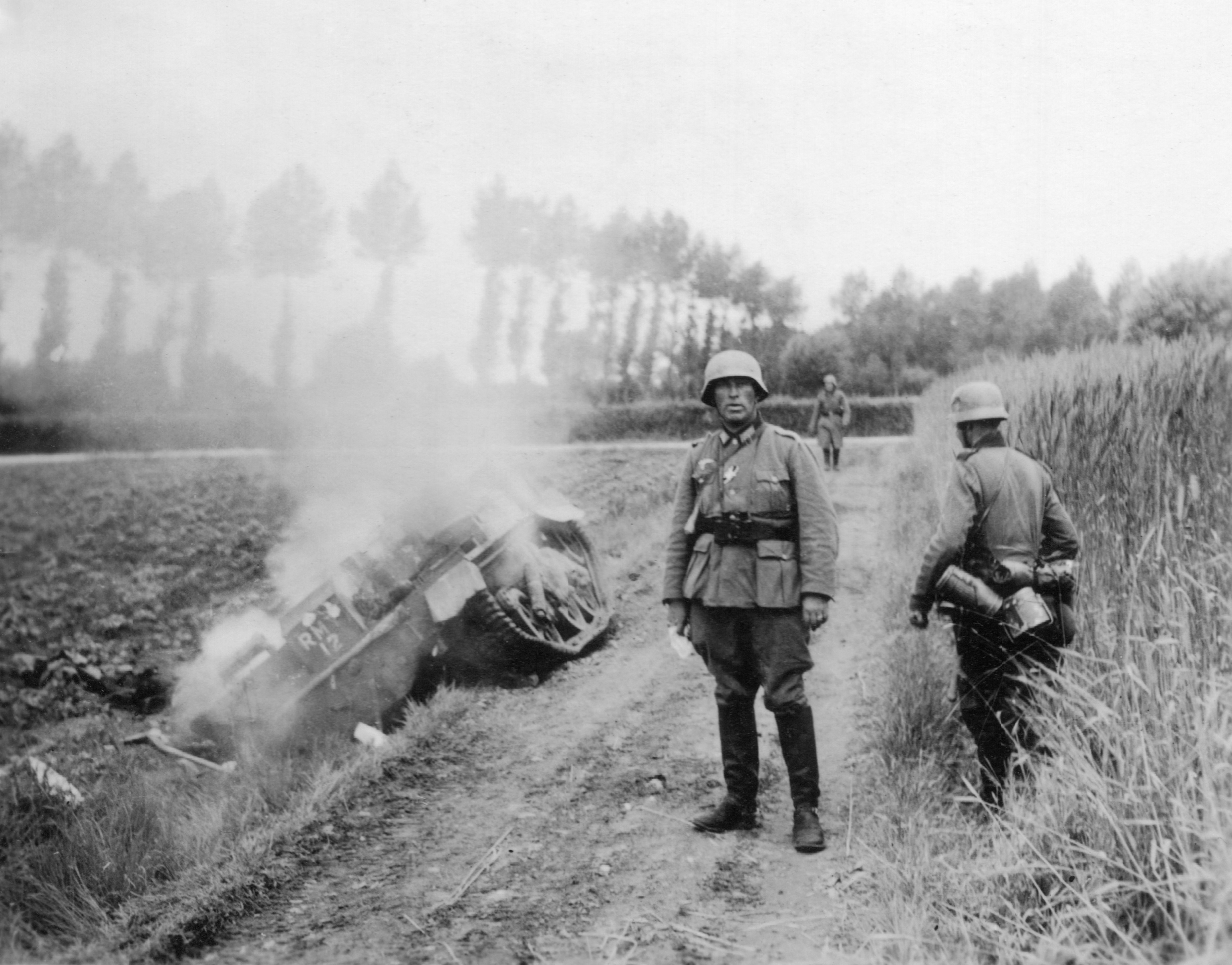
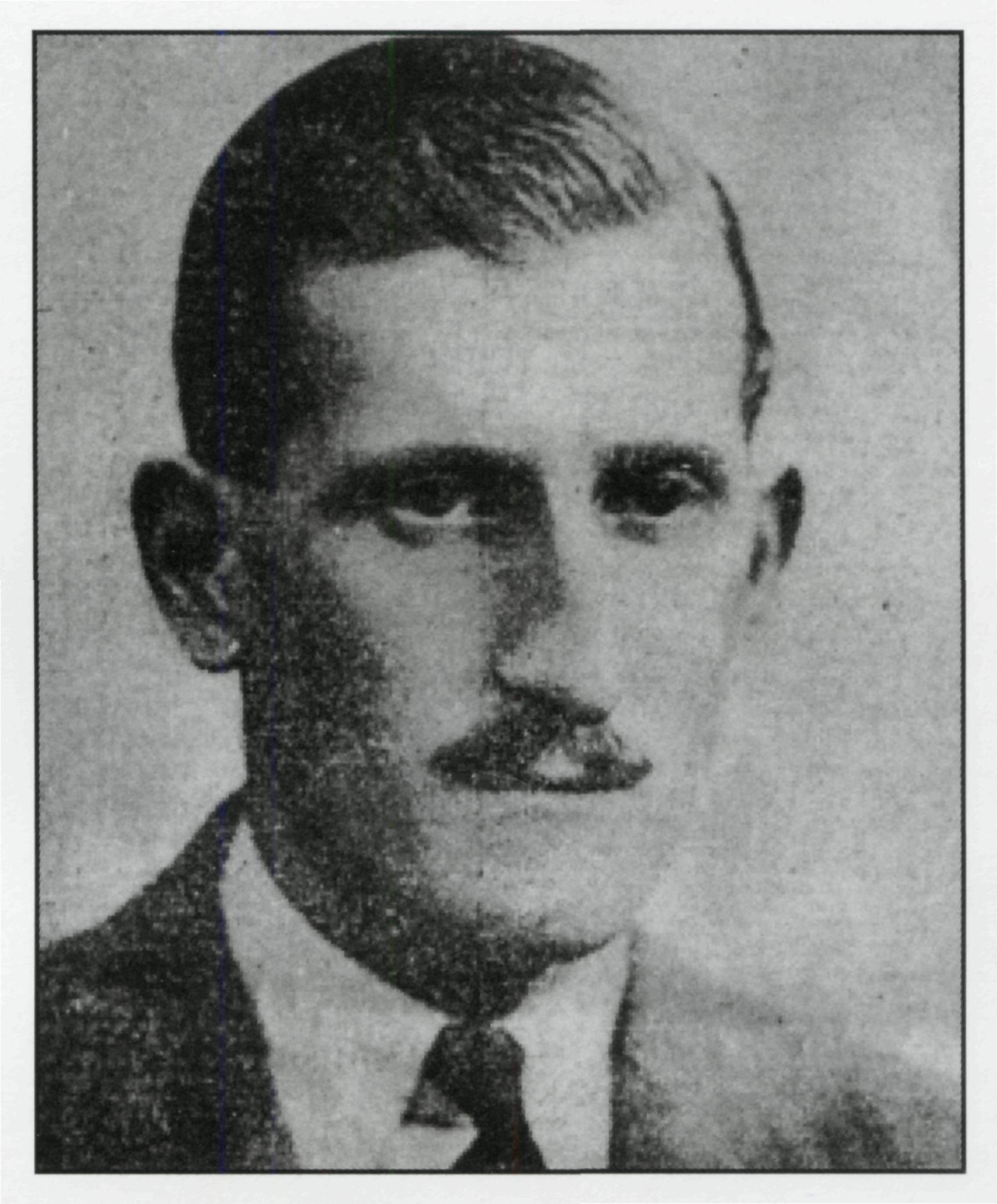
Guardsman Nash: ‘It was desperate. These German machine-guns were unbelievable. Harry just turned to me and said “Come on Nash, follow me!” So I did. He had the Bren, firing from the hip, and I my rifle. I fed Harry ammunition, and we attacked by means of short rushes forward. Harry was hit several times and hurt bad, but he wouldn’t stop. He just kept shouting “Come on Nash, they can’t get me!” Once the enemy guns were out of action we fired on Germans crossing the river. We sank two boats, then Harry turned the Bren on Germans both sides of the river. By then we were drawing a lot of small arms fire ourselves’.
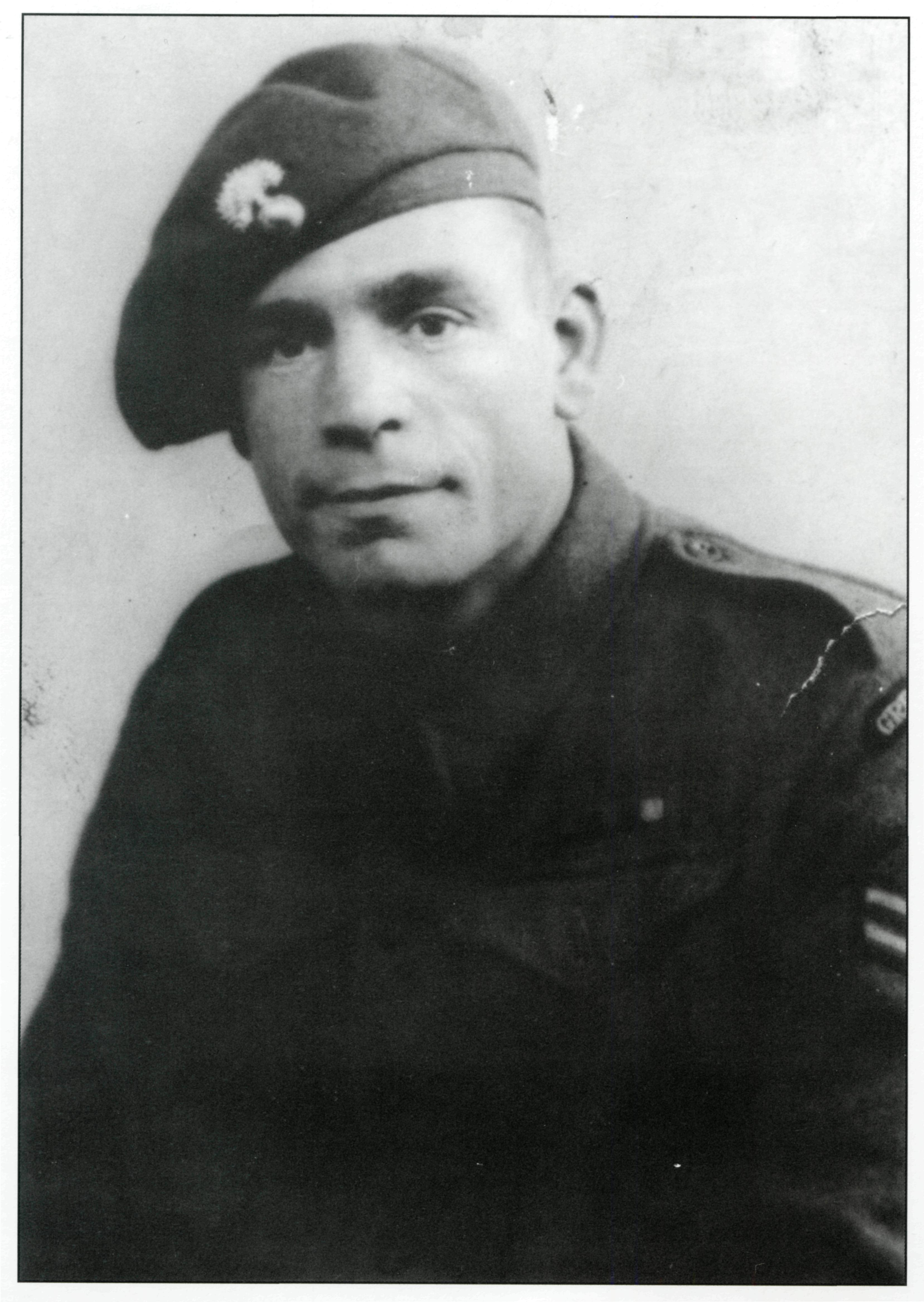
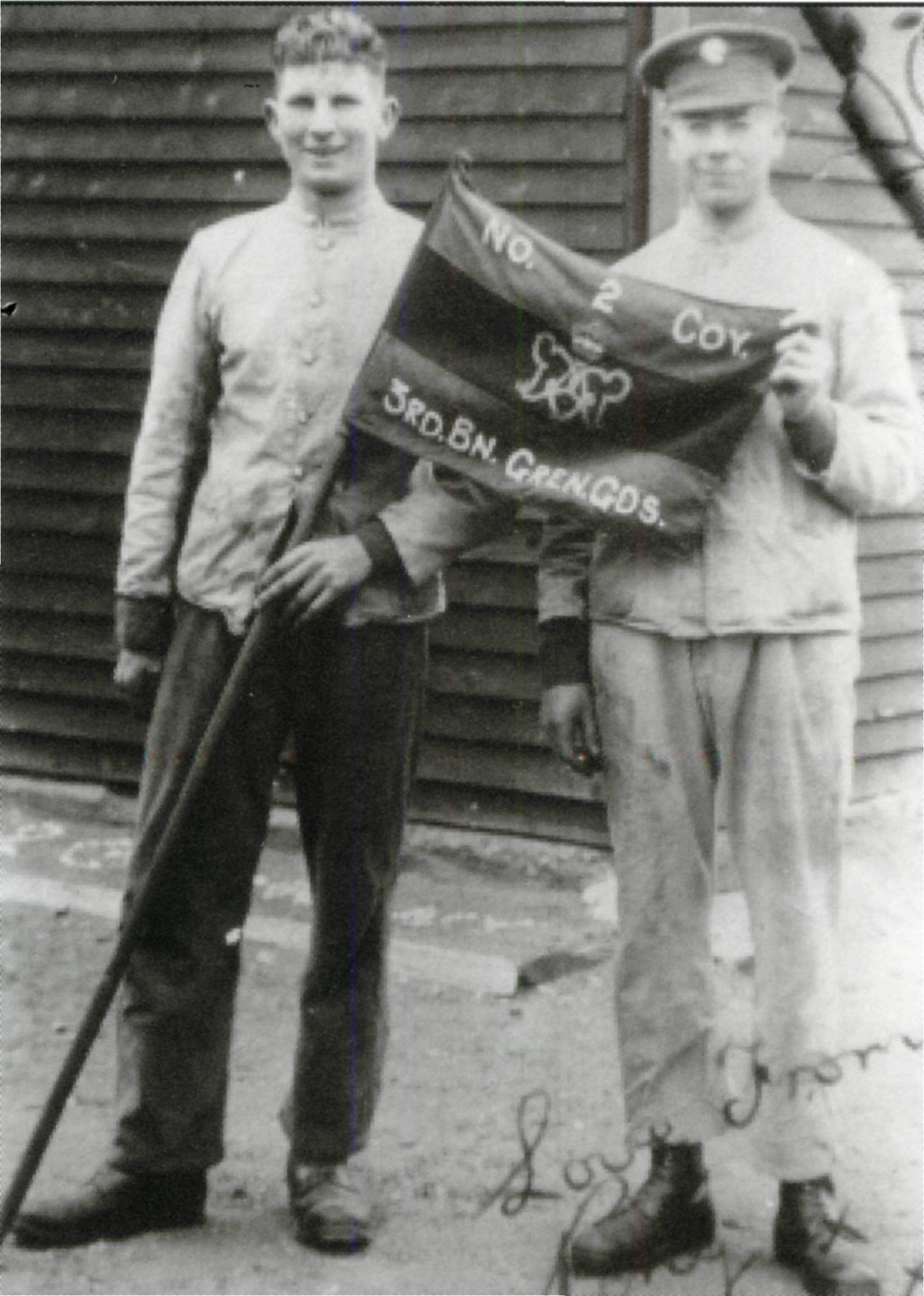
Hauptmann Ambrosius: ‘This attack caused panic amongst my soldiers of 5 and 6 Kompanies, many of which fled and jumped in the river to escape… After this attack we had no more machine-guns operable and little ammunition’.
Before Nicholls and Nash dashed forward, Ambrosius was seriously threatening the 1st Guards Brigade’s cohesion and position. Afterwards, the German commander had no option but to withdraw, the momentum of assault and initiative wrested from him. Nicholls, though, grievously wounded and unconscious, was left by Guardsman Nash in the cornfield, believing his friend to be dead.
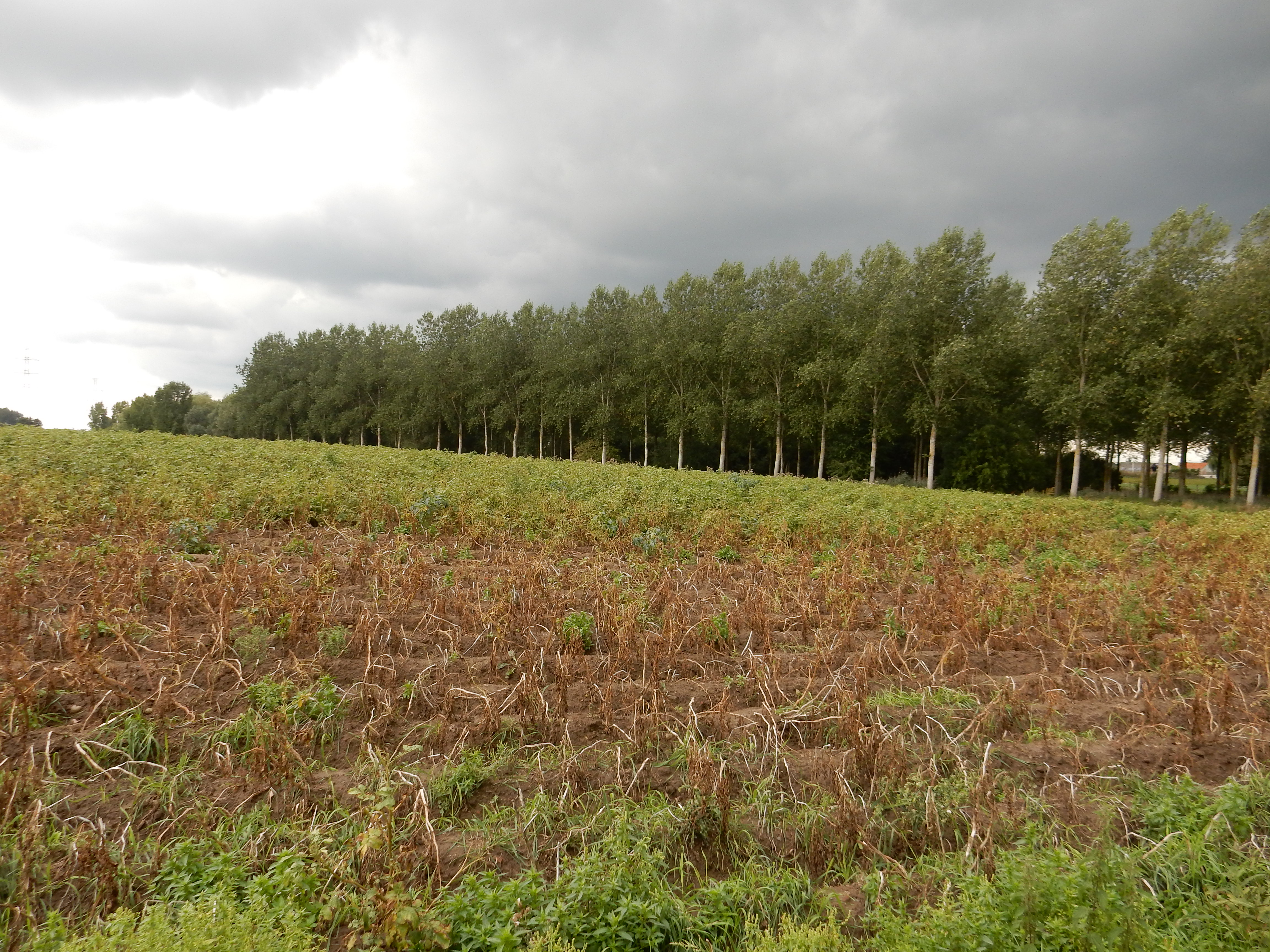
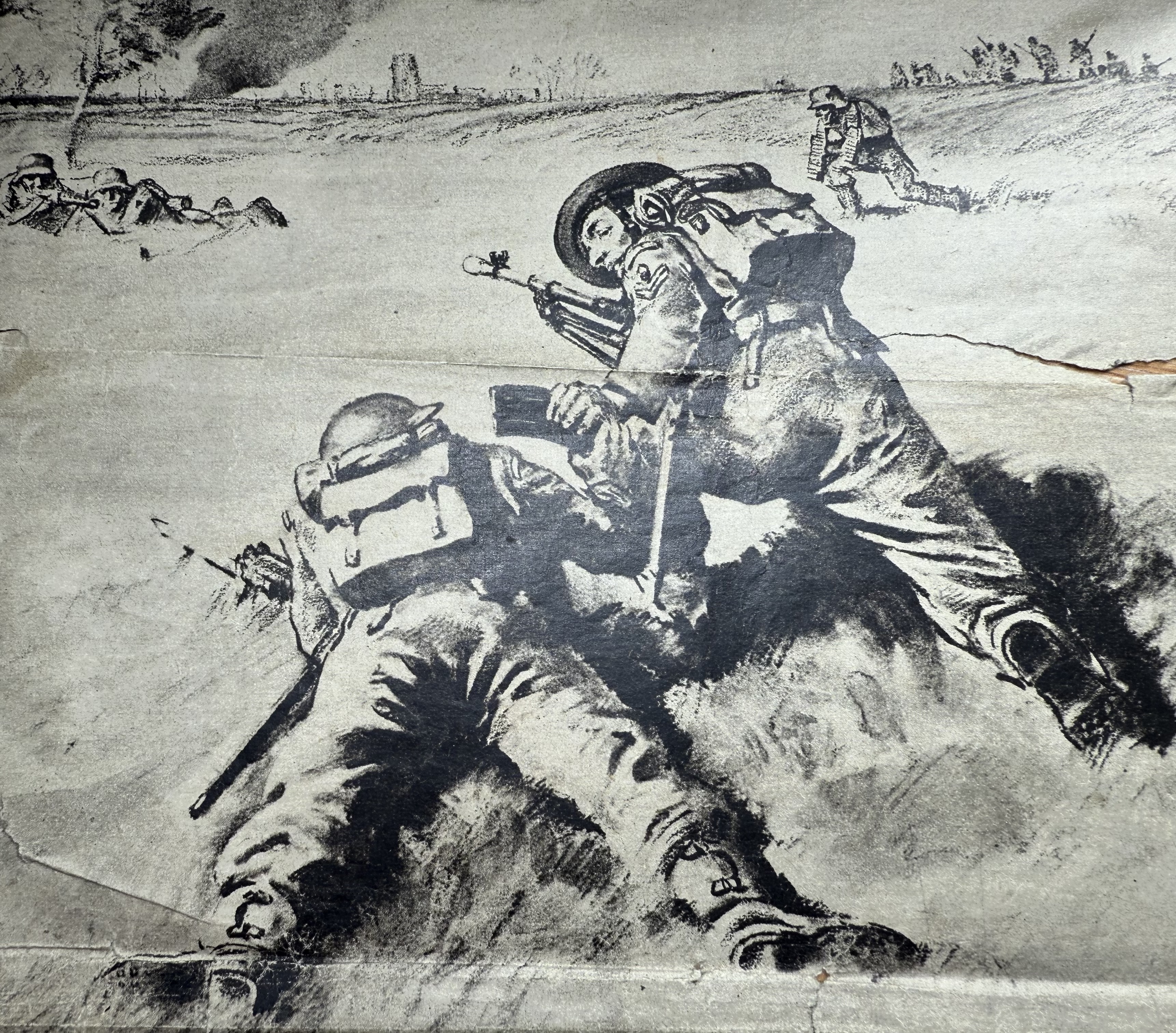
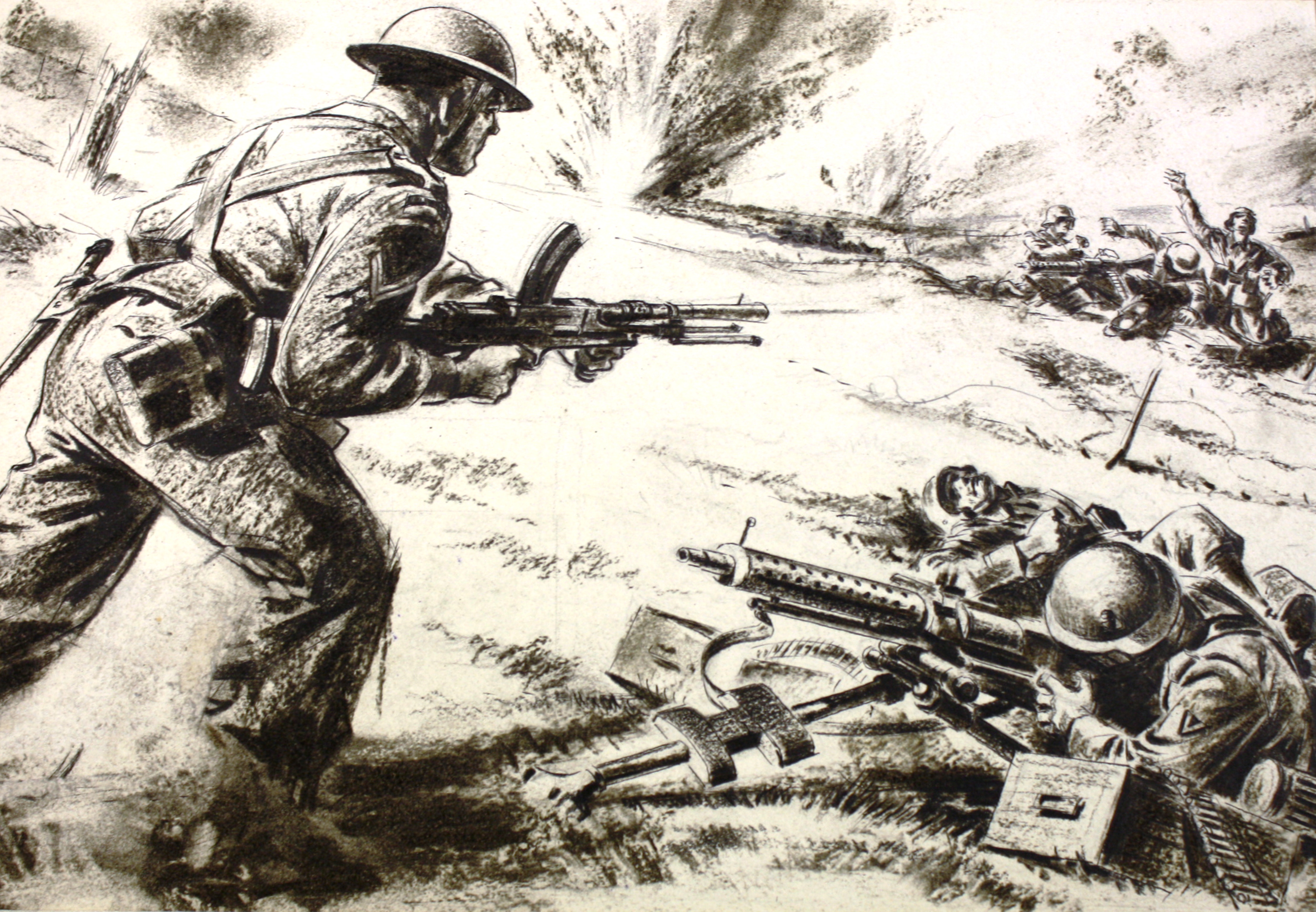
After the Germans withdrew back to the east bank, 1st Guards Brigade remained in positions along the main road and did not re-occupy the riverbank. Forty-seven Grenadiers had been killed, including five officers, amongst them the Duke of Northumberland. A further 180 Guardsmen were either missing or wounded. That night, both sides sent out reconnaissance patrols, the Germans finding Nicholls still alive and taking him into custody. Back on the east bank, it was Guardsman Smith who kept the boxer alive that night, and the following day carried him to a German field hospital. Both men were reported missing, their families only receiving confirmation that they were alive and captives several months later.
On 21 May 1940, Company Sergeant Major Gristock of the Royal Norfolks also received a VC for his bravery on the Escaut, near Tournai. Although evacuated to hospital in England, on 16 June 1940, CSM Gristock VC died of his wounds.
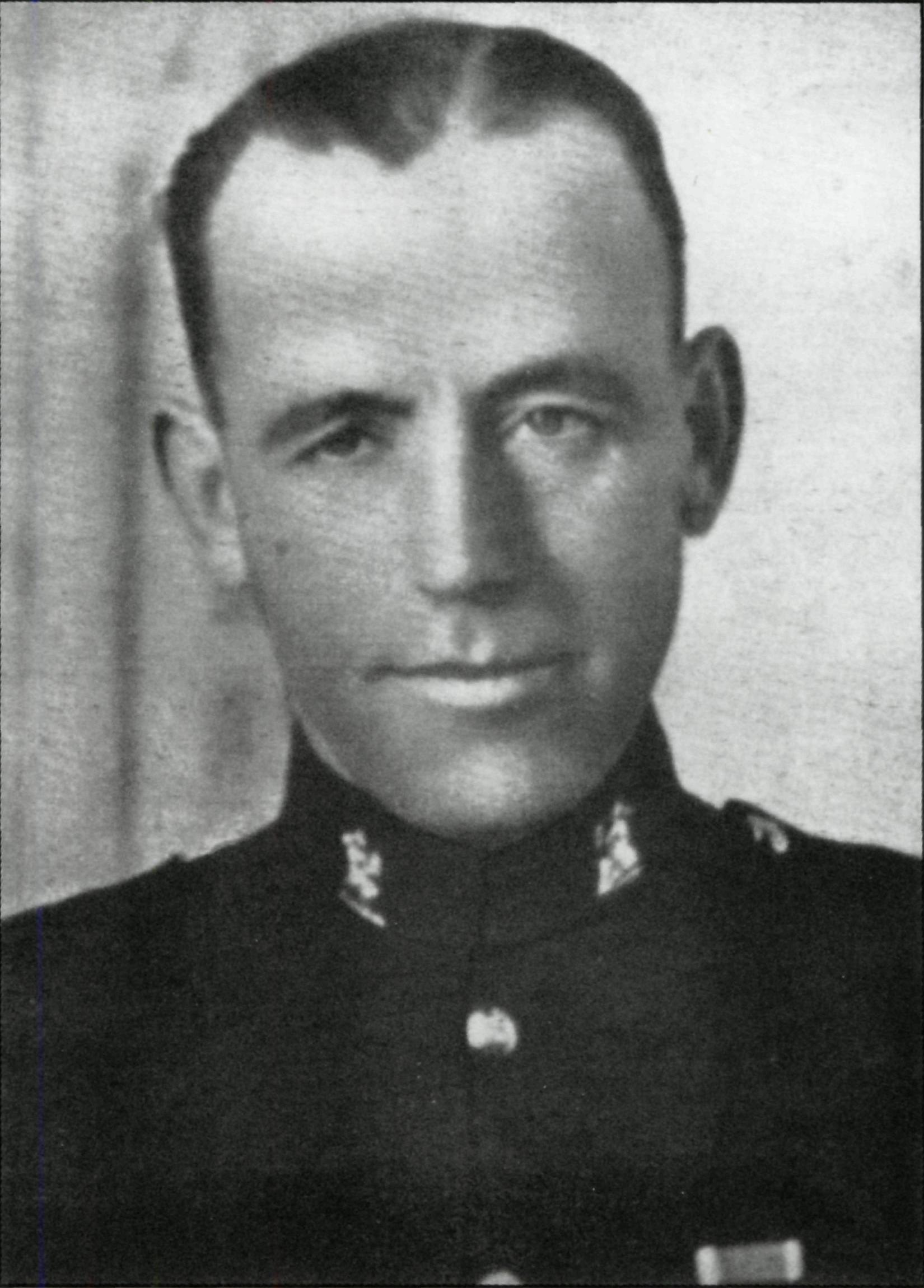
On 11 September 1975, aged sixty, Harry Nicholls VC died, the cause being ‘Poisoning by the barbiturate Deconol. Self-administered but insufficient evidence to show whether taken by accident or design’. The Coroner recorded an ‘Open Verdict’.
Today, however, we understand much more about the context of these two VC actions fought on that fateful day of 21 May 1940 – as I will explain.
That day also saw a tank battle fought at Arras, against Rommel, during which, in fact, the wily old ‘Desert Fox’ used his 88mm flak guns in an anti-tank role. This battle also bought time, and involving tanks, I imagine, appeared more glamorous and newsworthy. For those reasons, the artillery and infantry battle along the Escaut – an entirely successful defensive action – has been largely ignored, or at best glossed over, in most accounts. Indeed, it is barely mentioned in the official narrative. That not one but two Victoria Crosses were awarded to infantrymen for their courage on the Escaut, however, indicates the actual importance of the ‘Battle of the Escaut’ (or Scheldt).
This book tells the full story of this forgotten battle – packed with survivors’ recollections, collated over 40 years ago, all of whom are now deceased, meaning that those first-hand testimonies would otherwise have been lost. The Brigade of Guards are, of course, our elite infantrymen, discharging the dual role of field soldiers and ceremonial guardsmen. Whilst their drill and turnout are impeccable – and no-one does pomp and ceremony better than we British – the sad fact is, as time marches on, that time waits for no man.
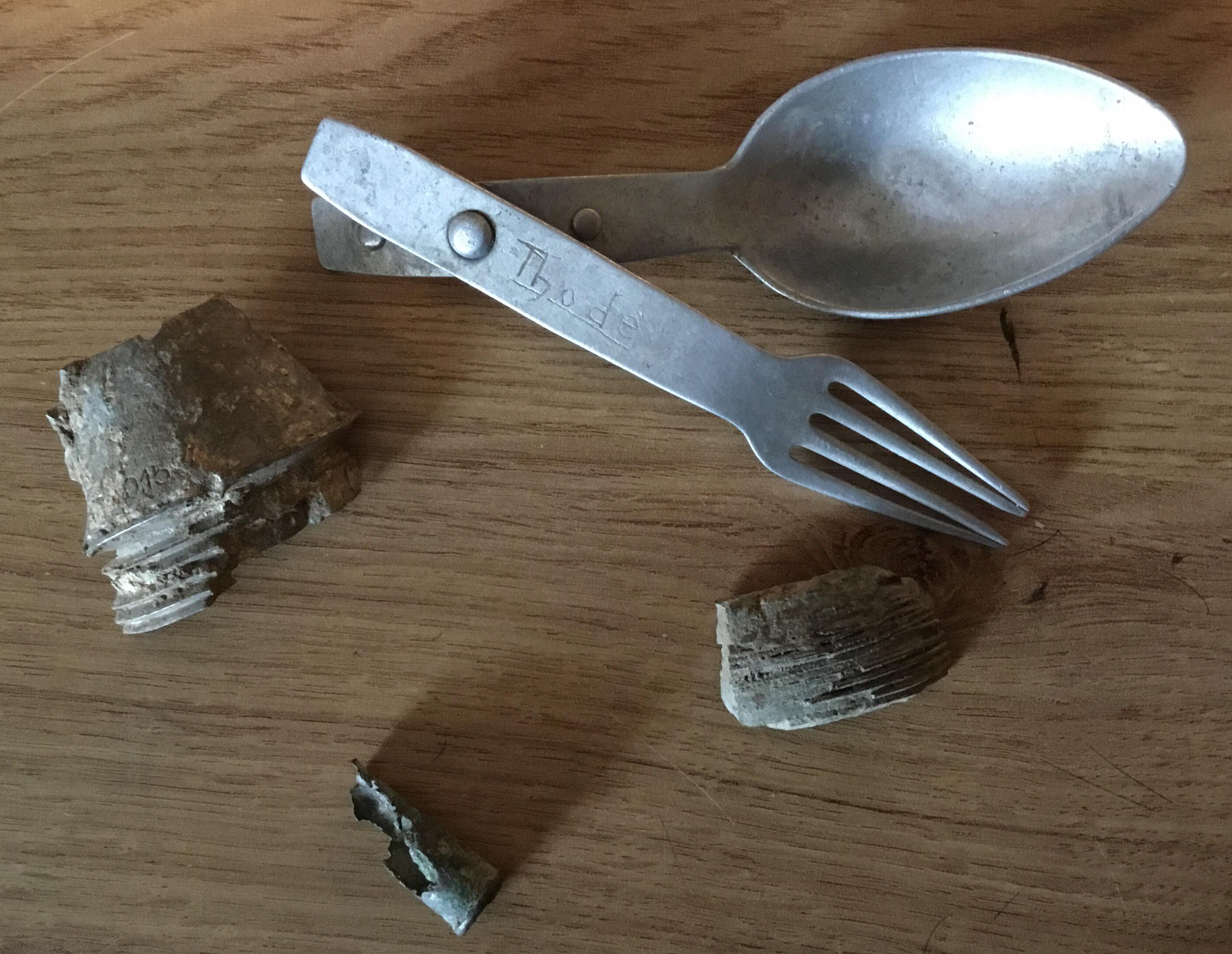
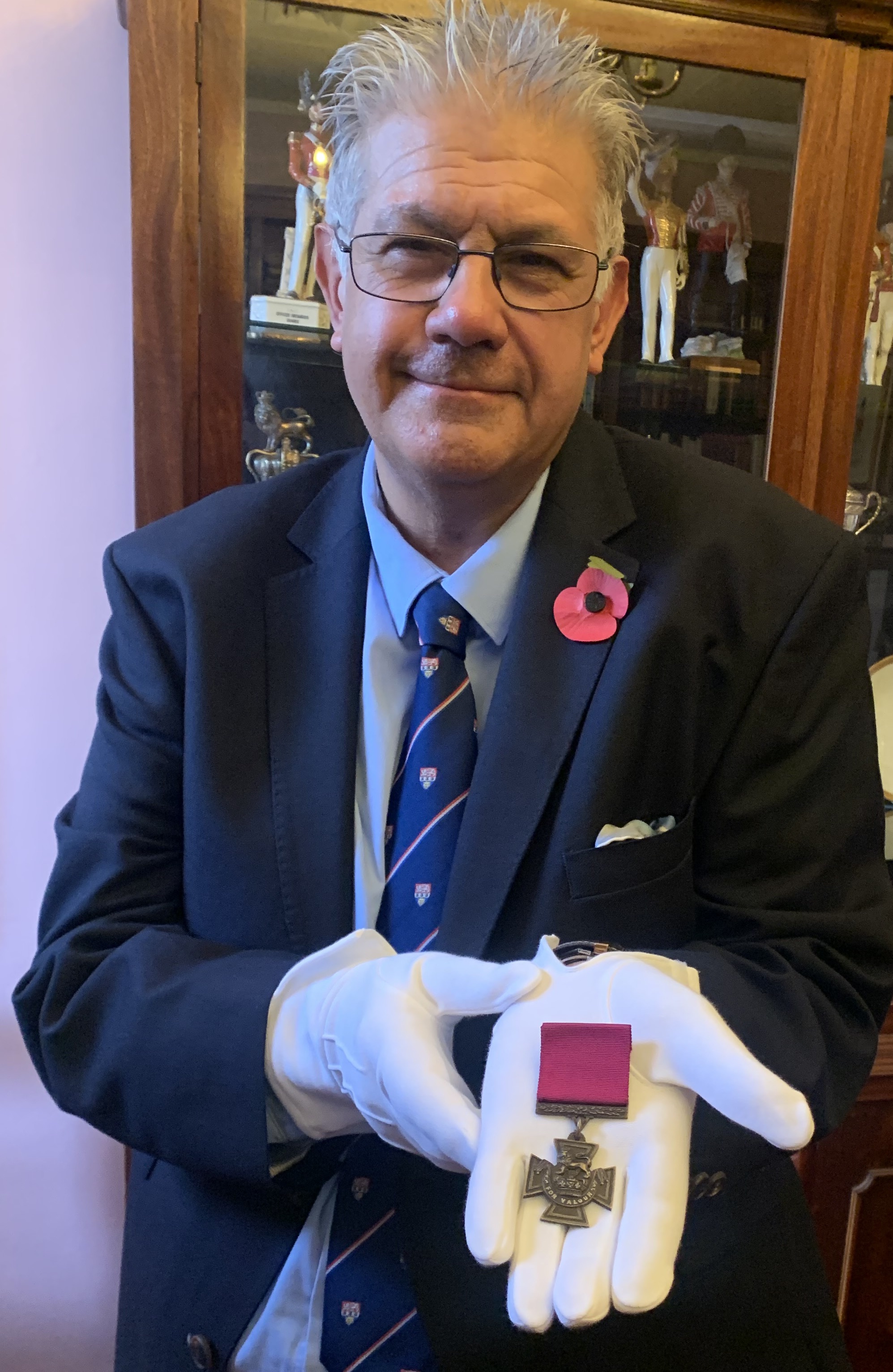
Dilip Sarkar MBE FRHistS FRAeS, © 2026
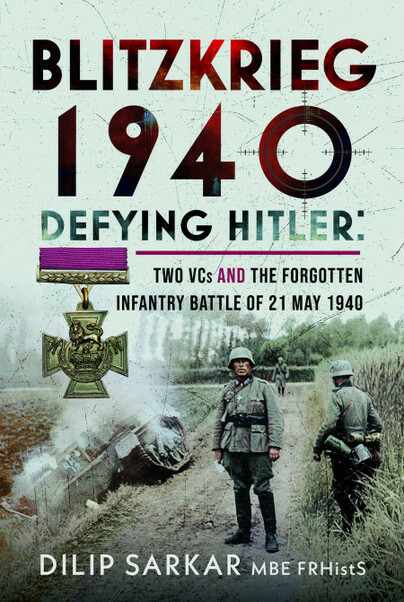
Order your copy here.
Unless otherwise indicated all photos Dilip Sarkar Archive.