An American Uprising in Second World War England
Author guest post from Kate Werran.
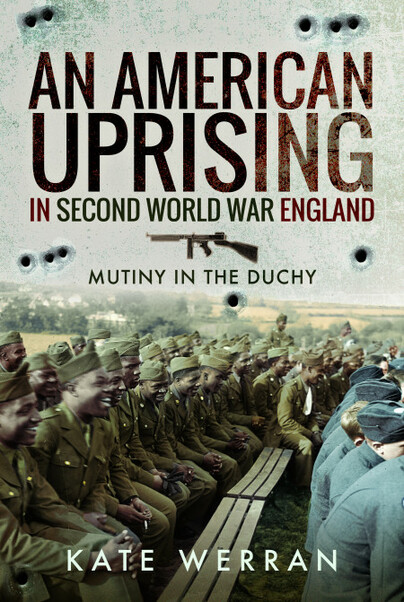
For as long as I can remember I have wanted to know why American troops staged a dramatic shoot-out in my Dad’s hometown of Launceston in Cornwall in 1943; a gun fight that left bullet holes dotted around the door of the town square’s hotel. From the moment I touched the gun-damaged brick work as a child, I was hooked. Why did these Allies confront each other when the rest stood together pointing weapons towards Hitler? And what happened to them afterwards? There were plenty of theories, most of which resulted in a series of executions, but no-one knew for sure. I started my research in 2005 with a lucky freedom of information request for the court martial transcript and completed writing it up in 2019. But when An American Uprising in Second World War England: Mutiny in the Duchy was due to be published in hardback in May 2020 it felt as if even seventy-seven years on, the truth would not out.
The augurs were not good from early March. I remember watching the evening news one day and learning about a deadly, rapidly spreading virus, that we all now know was Covid. I turned to my husband and asked him whether they might cancel the book launch I had planned in my local Waterstones in Bath. “No,” he said, “it won’t come to that.” But of course, it did. The next thing I knew, Ireland had shut its pubs and before long in Britain my four children and I — along with everybody else — were discovering the joys of home school. The single piece of solace was that the prolonged wet winter dissolved into a bright sunny springtime. I am not sure entirely how much schooling was done in those scary sunshiny days. But from that day I broke habits of a lifetime and stopped watching the news on tv and started only skimming newspaper headlines. Resolutions I have stuck to ever since.
Against the backdrop of a horrifying mushrooming world pandemic that was locking down countries by the day, worries about my first book release were indeed trivial. But as a newbie author I was nevertheless very sad that all the hard work I had begun fifteen years earlier would be wasted. Amazon had closed its doors to books, understandably given more room was needed for (other) essentials and local bookshops were obviously shut. Book reviewers and news content producers were all working from home and there was no way to contact anybody anyway, switchboards were shut down. Social media was virgin territory for me. And there was something else. A few days after my book was quietly released to deafening silence, George Floyd, an African American died under the knee of a white policeman in Minneapolis. Phone footage of his death sparked a movement that touched the world.
Black lives mattered and slowly interest began to spark in my account of a moment when that had also been the case: an African American unit’s armed stand against segregation in Cornwall in 1943. And an amazing thing happened. Lines linking a moment in wartime Britain and America to now started to emerge in a dramatic illustration of why history matters too. Because the relevance and significance of an African American unit arming itself, putting itself into formation and marching back into the town to face the white soldiers who wanted them banned from mixing with locals and restricted to camp took on a whole new meaning. Knowing that this case was headline news in Britain and the United States for the duration of the three-day court martial revealed not merely the extent of American racial tension in Second World War Britain, but keen British interest in it. Most US Army courts-martial took place behind closed doors, but this was one of the rare exceptions and it was front page news in most British newspapers.
However, the truly surprising thing was even more significant — that there was widespread rejection and condemnation of segregation on the British home front. And that was unexpected. Knowing how ordinary British people felt about segregation at a time when colonialism and imperialism were weaved into the national DNA was baffling. The feeling did not last long beyond the Second World War and there was plenty of British racism before, during and afterwards. But knowing how this interest flickered and flared at a precise pinpoint in time reaching Winston Churchill himself, tells us a little more about Britain and America that adds complexity to knowledge of ourselves.
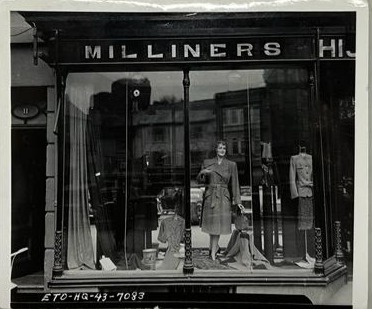
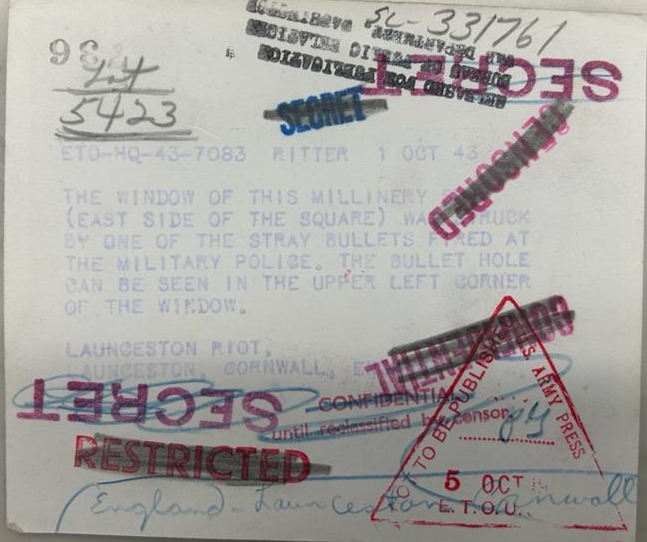
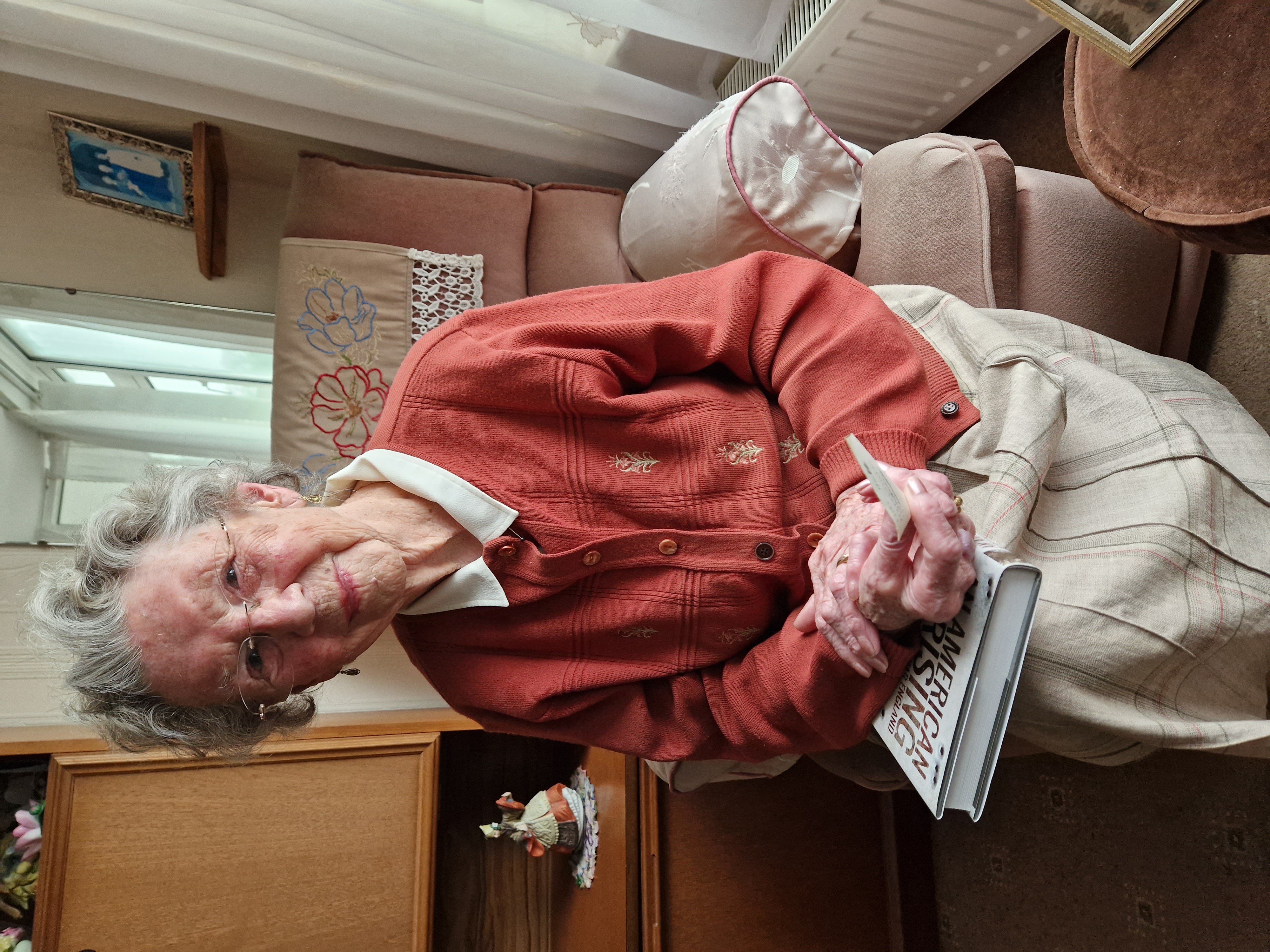
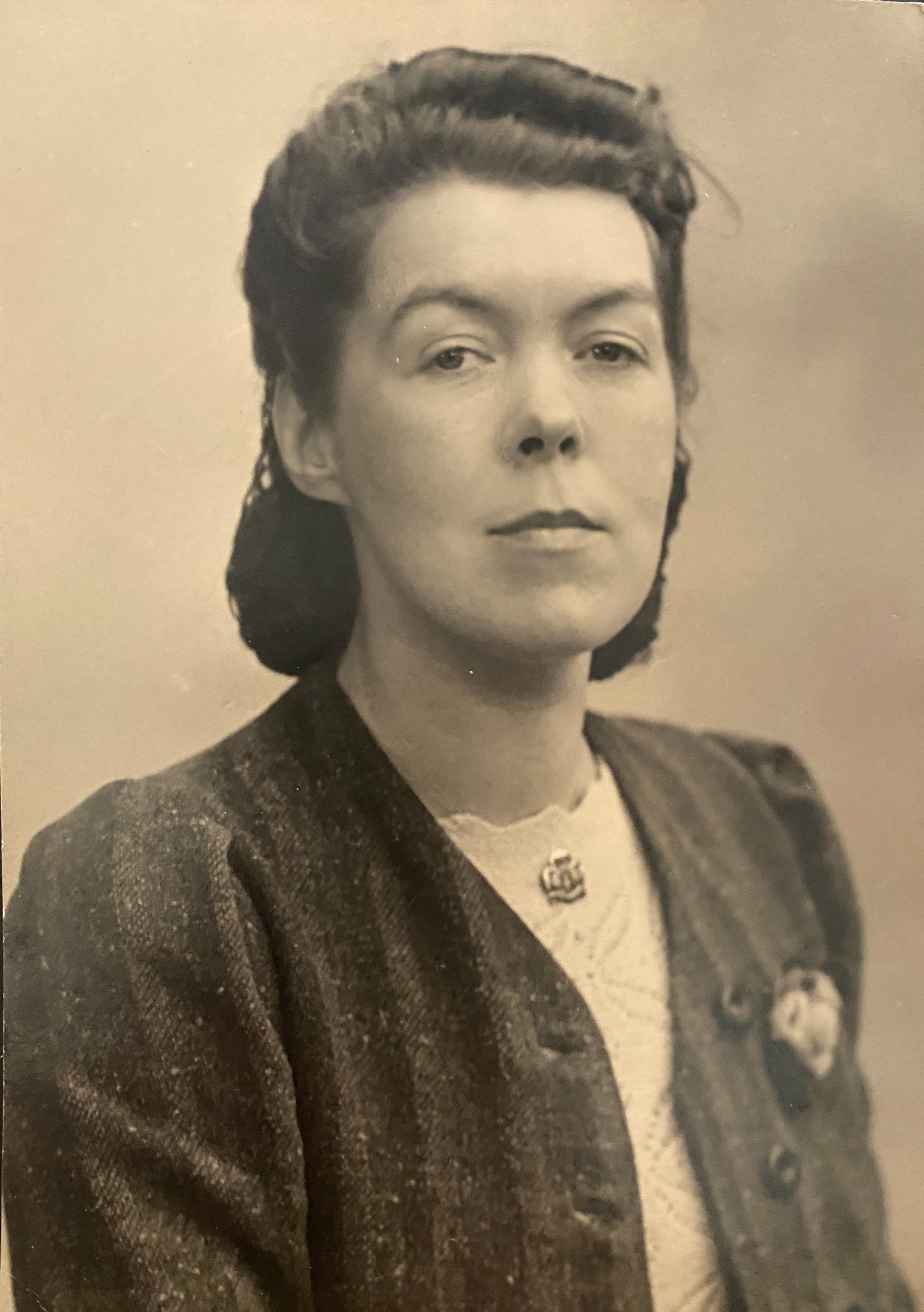
Now the truth is out, perhaps the most rewarding thing is that information about this Cornish mutiny keeps on coming. Six years on and I am still learning. I have been thrilled to meet and interview the centenarian who watched the shoot out from a shop window; Winn Robbins is the last surviving witness. I feel privileged to have heard a recording of another who saw the drama from behind the curtains of a top floor flat in Launceston town square. I have been sent pictures and memories of the formidable Joyce Packe, the secretary who was one of only six women to work for the U.S. Army. I have seen images taken by U.S. Army photographers of bullets left in Launceston town square – and seen how officials changed the description of events in the caption from a “race riot” to a “mutiny”; bearing witness to how racial tensions were deliberately covered up.
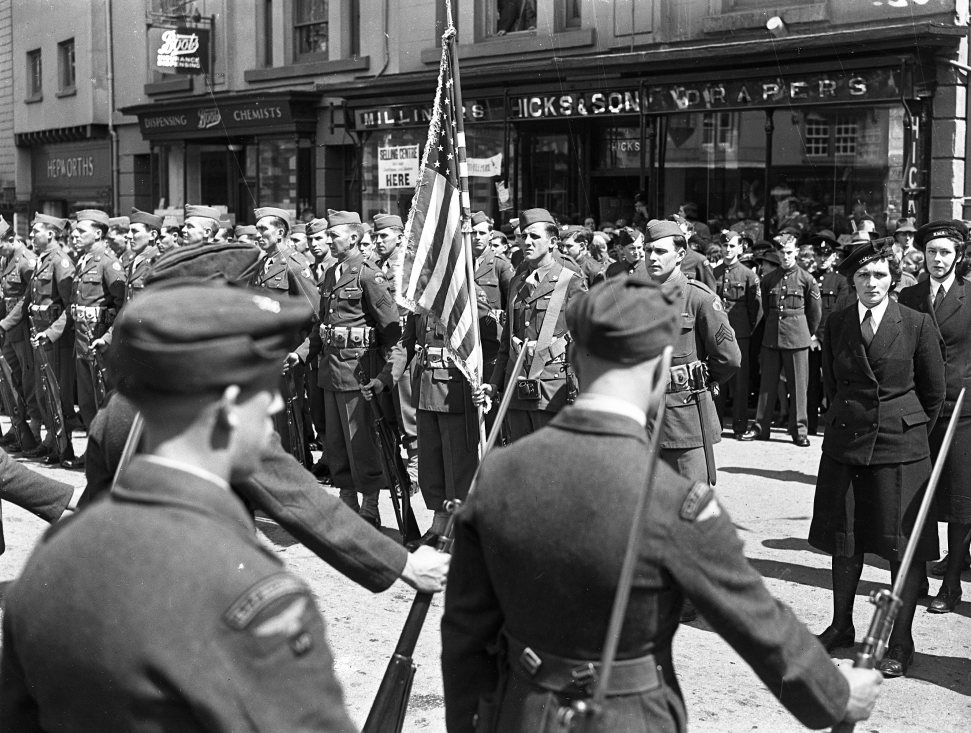
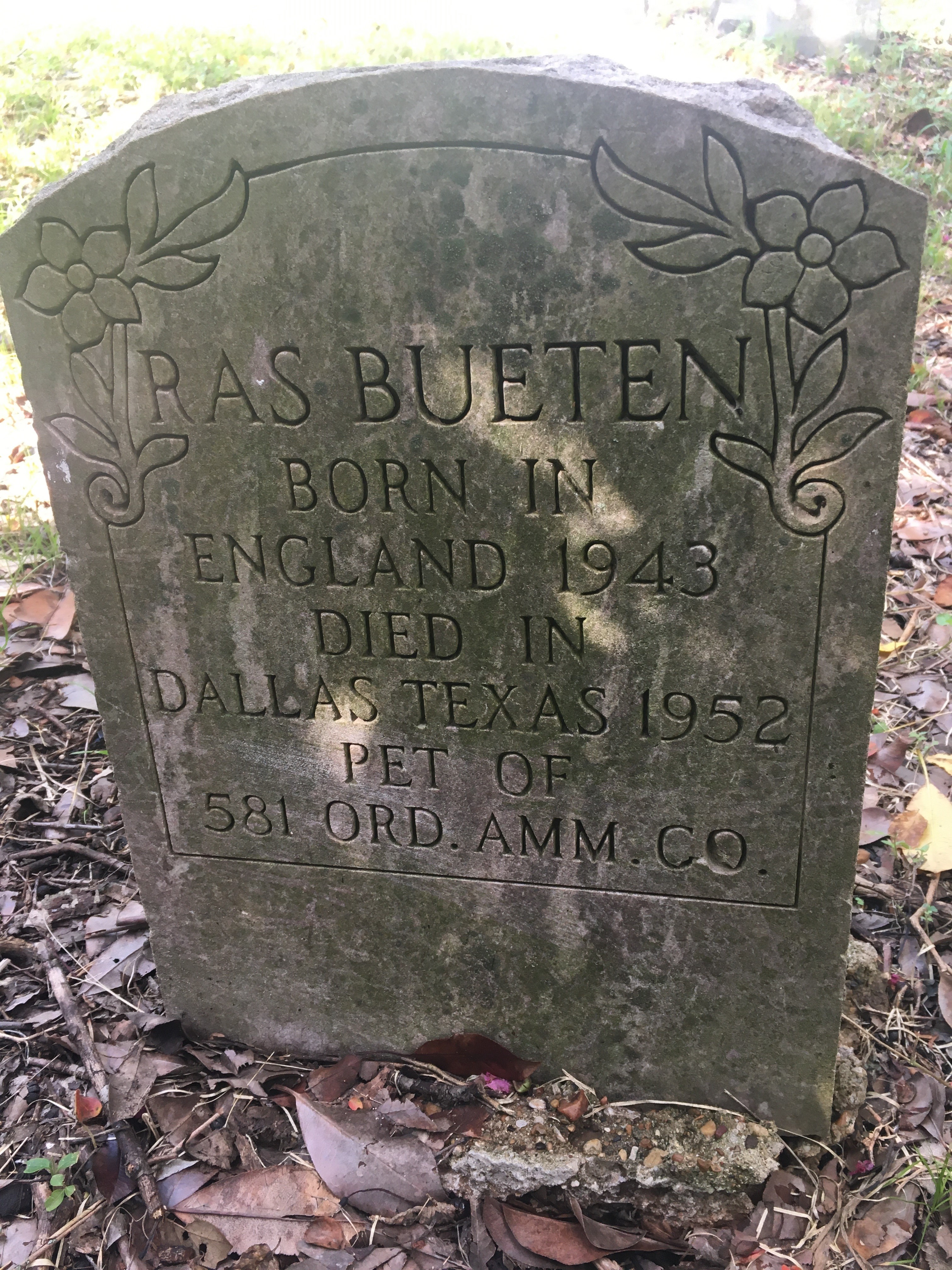
My knowledge has been further enhanced by wonderful members of the public who come to listen to me talk about my books and then share their own experiences. These public appearances have enriched my knowledge by bringing me into contact with former schoolboys who remember the skies black with planes overhead on D-Day, but prefer to dwell on the kindness of Indian soldiers’ who shared their sweets in wartime Cornwall. I have been fascinated to hear from Launceston residents who recall the sons of five African Americans in their post-war school community, showing the prevalence of war-time romances. There was a young Plymouth bus conductress who confronted a white American officer trying to order Black soldiers off their seats — and suggested that he should either desist or exit himself. There were battles pitched between Black and white soldiers using borrowed farming equipment that ended up in the Cornish sea. I have spoken to the descendant of an African American ‘lion tamer’ (who arrived in Portsmouth at the beginning of the 20th Century with Barnum’s Circus) and whose son ‘caused havoc’ in stirring U.S. wartime racial incidents. I have been sent the poignant picture of the gravesite of a Cornish dog adopted by 581st Ordnance Ammunition Company, that served in France and was buried ten years later in a Texan military cemetery. These fresh stories including new eye-witness accounts are in the paperback version of An American Uprising and I am proud that I know more about this than I did in 2020 — and that I can now share it with readers in 2026.
Order your copy here.