The Part-Time pilots who helped win the Battle of Britain
Author guest post from Martin Wade.
The story of the Battle of Britain, fought just over 85 years ago, is well known. But a new book sheds light on the less well known, but pivotal role played in securing that victory by part-time pilots who served in the squadrons of the Auxiliary Air Force (AAF).
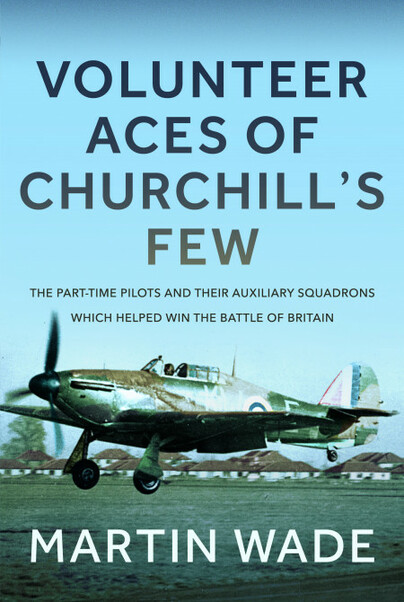
‘Volunteer Aces of Churchill’s Few – The Part-Time pilots and their Auxiliary Squadrons which helped win the Battle of Britain’ by Martin Wade tells how the AAF provided 14 of the 60 RAF fighter squadrons involved in the battle. Their pilots, who also came from the RAF Volunteer Reserve (RAFVR), trained in their spare time before the war and provided some of the highest scoring RAF aces in the battle, helping these Auxiliary squadrons achieve 30 per cent of the enemy ‘kills’.
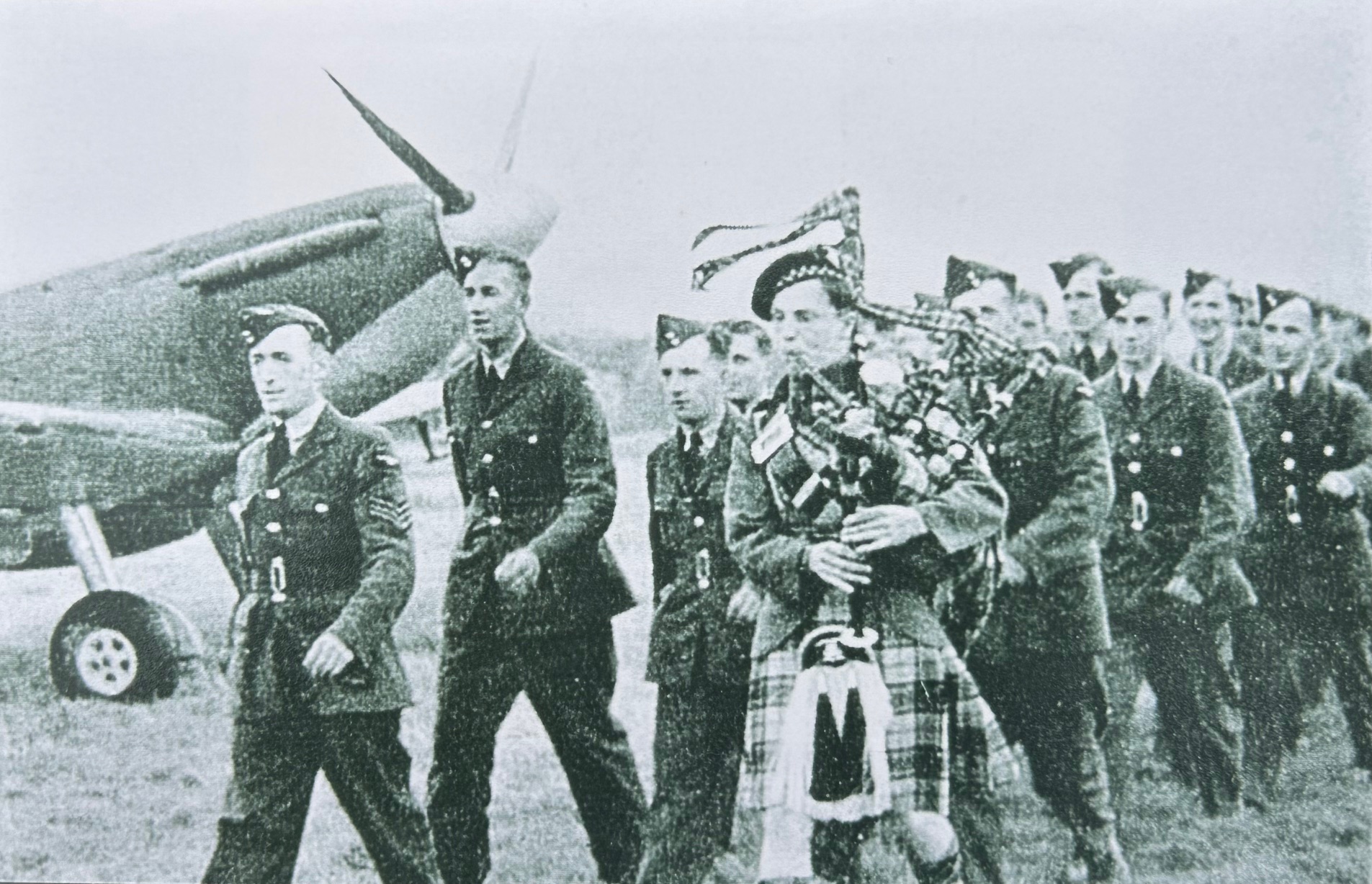
One of those squadrons was No. 609 (West Riding) Squadron. Like all AAF units, it was founded as an almost entirely part-time unit. Before the war it was based at Yeadon at what is now Leeds Bradford Airport. One of their pilots was David Crook and he joined the squadron in August 1938, learning to fly with them in his spare time while working in the family sporting equipment business.
An encounter in the Autumn of 1940 over the south coast typified those faced in the Battle of Britain. On 27 September, he was flying with a patrol in his Spitfire over Dorset. They spotted Me110s circling over Swanage at 25,000 feet, protecting a formation of bombers.
The Spitfires immediately turned towards the enemy fighters and started to climb above them. He saw an Me110 about half a mile ahead and went after him on full throttle. He recalled, ‘I think that these moments just before the clash are the most gloriously exciting moments of life. You sit there behind a great engine that seems as vibrant and alive as you are yourself, your thumb waits expectantly on the trigger, and your eyes watch the gun sights through which in a few seconds an enemy will be flying in a veritable hail of fire. The memory of such moments is burnt into my mind for ever’.
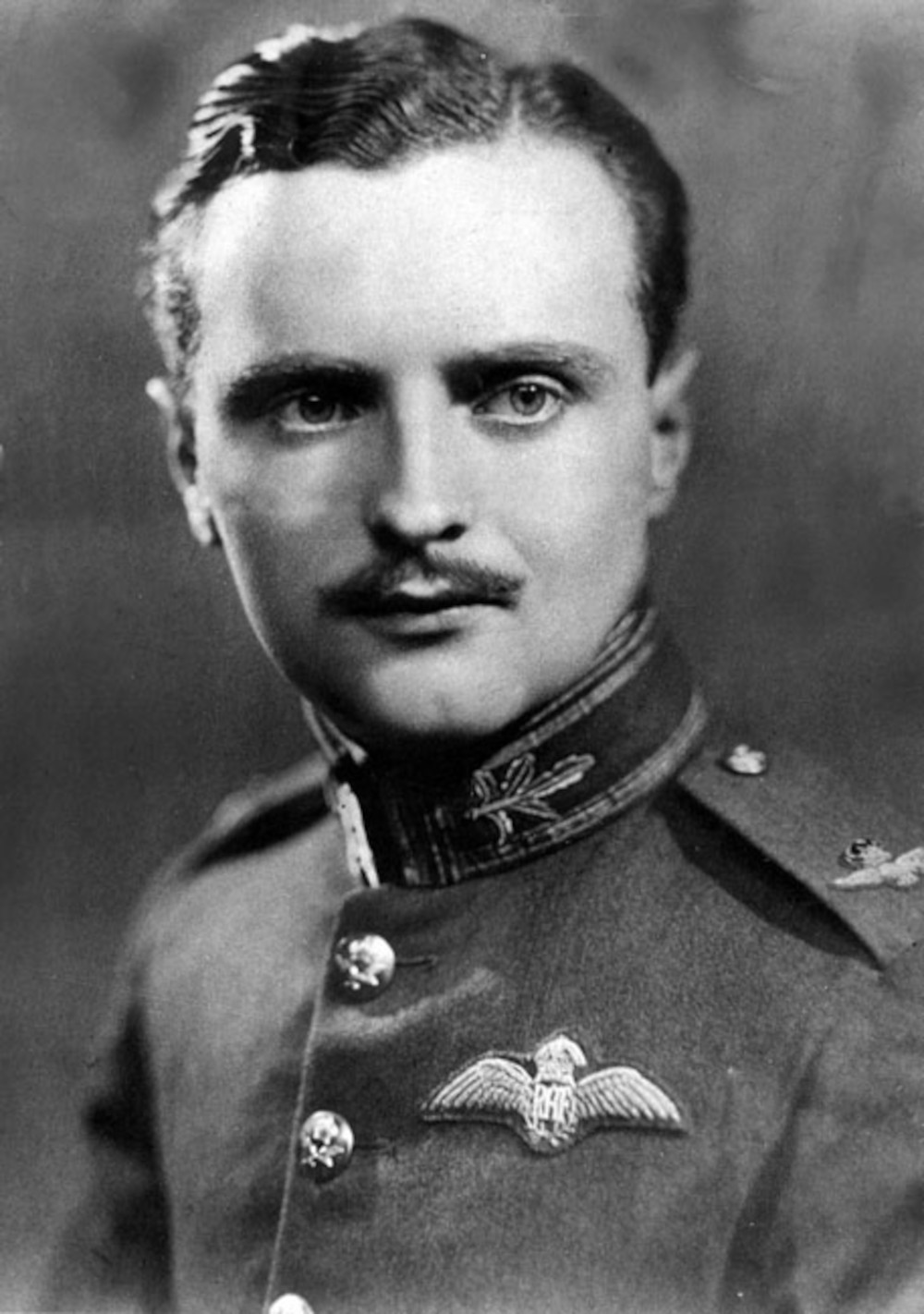
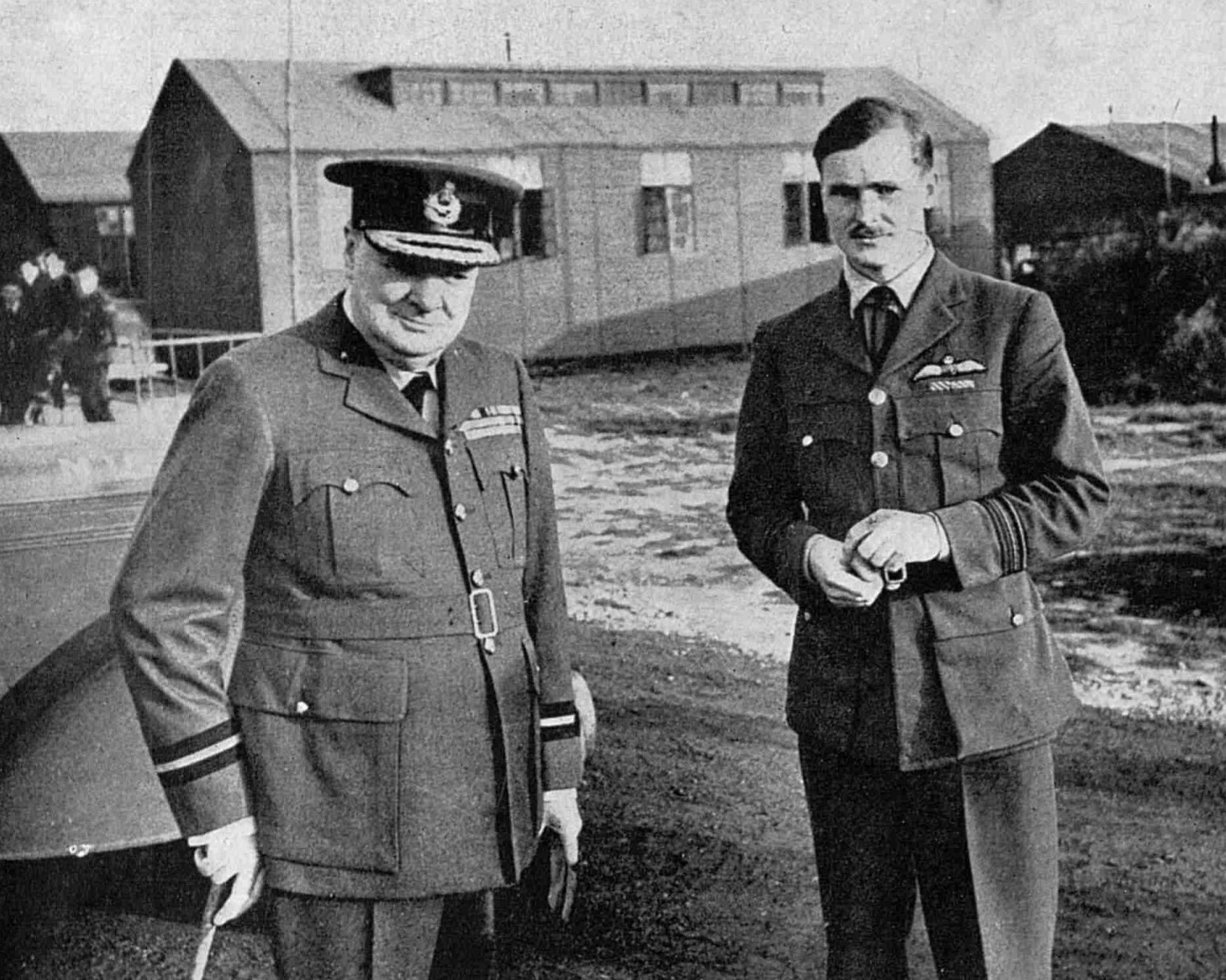
His shots hit home he recalled. ‘I must have killed the gunner because he never fired again’. Pressing the trigger to fire a final burst, he found his ammunition had gone. Just then he was joined by fellow 609 pilot John Bisdee who overtook him and finished off the Me110, which fell into the sea. They both were credited with a half share each in the Me110’s destruction.
His wing-mate, Bisdee, became a fighter pilot via a slightly different route – but still as a part-timer. He joined the RAFVR in July 1937 while working as a management trainee with Unilever. Called up in September 1939, he joined 609 Squadron on Boxing Day that year.
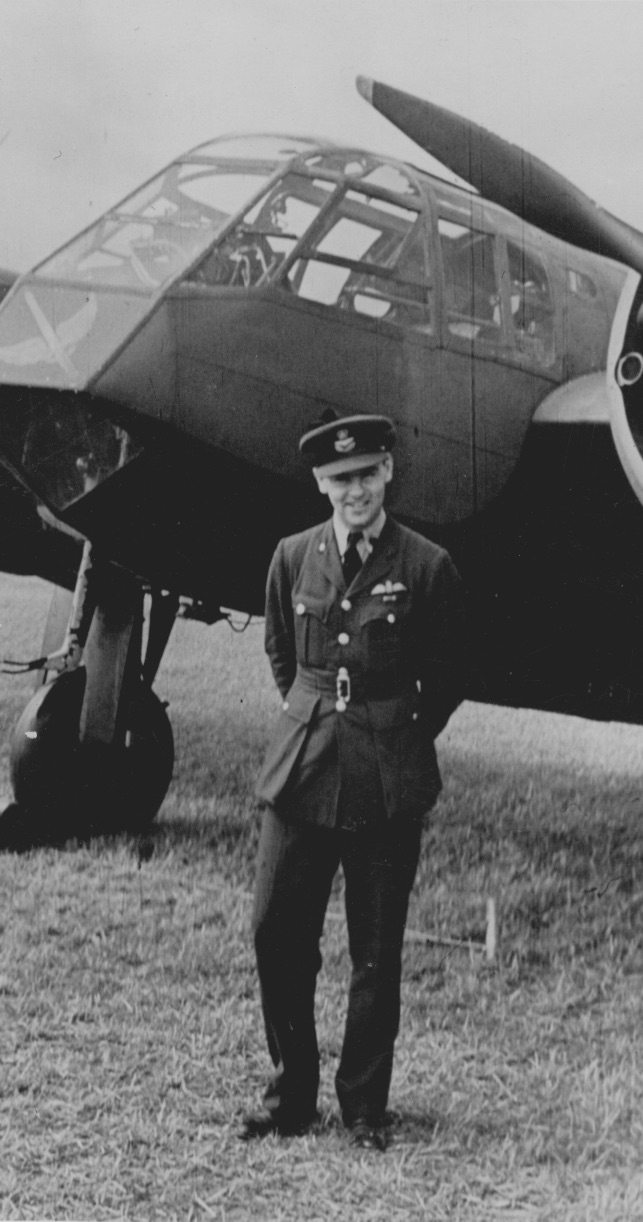
In that brief and violent encounter – typical of many which happened during those desperate months in the summer and autumn of 1940, Crook, Bisdee and thousands of other former part-timers, now serving full-time, would show similar skill and killer instinct. They were highly capable pilots, able to manoeuvre their powerful Spitfires and Hurricanes into a position where they could shoot German bombers and fighters out of the sky. The moments when this was possible were brief and extremely fleeting. It would take enormous experience and skill to master the art of the dogfighter, but former reservists like Crook and Bisdee showed again and again that summer that they were more than equal to the task.
Talking about that episode, Crook added, ‘All round you, in front and behind, there are your friends too, all eager and excited, all thundering down together into the attack’. Many of them forged their friendship as pre-war part-timers and Crook saw they had shown real commitment to give up their spare time to train to defend their country. ‘As we did our peace-time training at weekends and in the evenings during the week, this meant that we had to give up almost all our normal pursuits and spare time pleasures’. As training increased with growing tensions across Europe in 1939, so did the demands on their lives – with one foot in the miliary camp and the other in civilian life. ‘It seemed only just possible to find time to carry on one’s normal civilian job, and in addition, to do the flying and ground training in the squadron. Tennis, golf, rugger, going away for weekend – we had to cut these out almost entirely and concentrate instead on loops and rolls, formation flying and fighter tactics, armament and engines.’
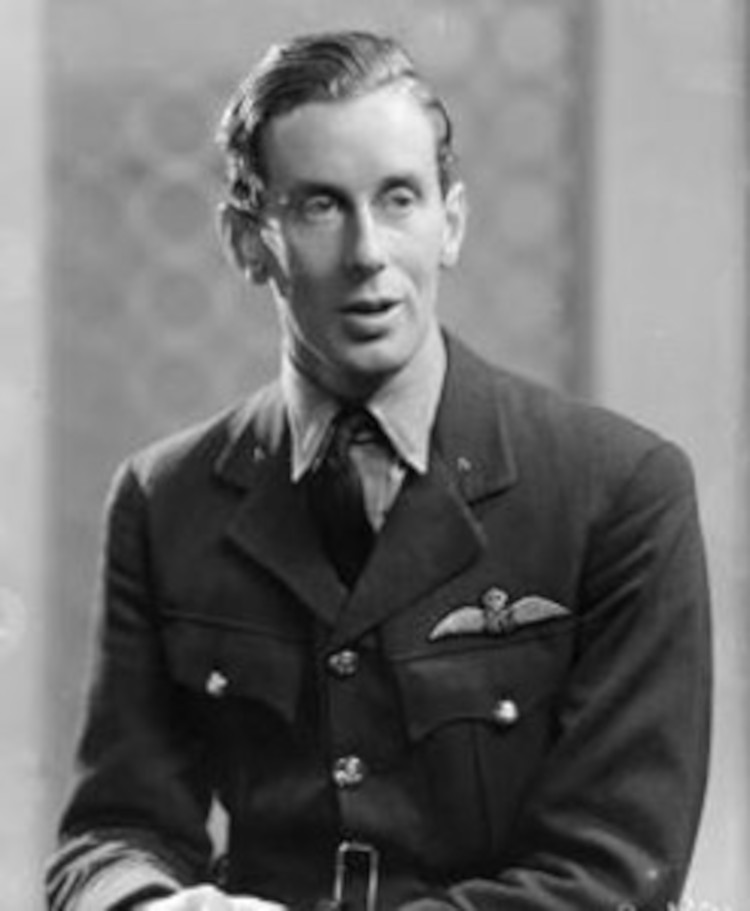
Among the Aces featuring in the book alongside David Crook, is Archie McKellar – who worked for the family building firm and honed his flying skills at weekends with No. 602 (City of Glasgow) Squadron. Nicknamed ‘Shrimp’ because of his short stature, his record towers over many others in the battle and later while flying with No. 605 (County of Warwick) Squadron, he became an ‘Ace in a Day’ after shooting down five Me 109s in 24 hours.
Drawing on primary sources – squadron diaries, combat reports, memoirs, logbooks letters and interviews, the book covers the formation of the AAF and RAFVR and the build-up to war. It then tells the story of the ‘Aces’ (those who shot down five or more enemy aircraft) in the Auxiliary squadrons who took part in the Battle of Britain.
It shines a light on the distinctive ethos and spirit of the Auxiliary squadrons, forged as part-timers before the war and bolstered by their regional identities.
The book captures the sense of adventure these young weekend flyers showed. This was typified by an early achievement of the Auxiliary squadrons – the staging of the first flight over Mount Everest in 1933 by OC No. 602 (City of Glasgow) Squadron.
It highlights too the differences between the two main routes for part-timers to serve in the Royal Air Force -the Auxiliary Air Force and the RAFVR. The AAF, formed in 1924, was seen by many as a bastion of elites and filled with former pupils of public schools and Oxbridge graduates. A prime example was No. 601 (County of London) Squadron. One of the first Auxiliary units to form in 1925, the so-called ‘Millionaire’s Squadron’ boasted members of the nobility in its ranks and developed a distinctive ethos which helped produce aces like Raymond Davis, John McGrath and William Clyde.
The RAFVR was formed in 1936 in an attempt to attract more recruits from middle-class backgrounds, like James ‘Ginger’ Lacey a trainee pharmacist from Yorkshire who joined the RAFVR in 1937 and learned to fly.
Like many reservist pilots, he amassed many hours’ flying experience by the time war broke out and he joined No. 501 (County of Gloucester) Squadron, AAF. He then became one of the highest scoring former part-time aces in the battle and among his many victories was shooting down a bomber attacking Buckingham Palace.
Nonetheless, many Auxiliaries like Crook and McKellar came from middle-class and professional backgrounds. But regardless of their origins, such were the endeavours of these pilots in the Battle of Britain that Air Vice Marshal Keith Park, then AOC 11 Group, summed up their vital contribution, stating that, ‘Without the Auxiliaries we would not have defeated the Luftwaffe in 1940’. Likewise, Commander-in-Chief, Fighter Command, Air Chief Marshal Sir Hugh Dowding was to say at the height of the battle ‘Thank God for the RAFVR!’
Although the Auxiliary squadrons gradually lost some of their part-time members who either were killed or were posted to other units – their distinctive ethos and spirit would be inculcated in their new, largely regular recruits which leavened the Auxiliary squadrons. Martin Wade said, ‘Heritage and pride in a unit’s identity are vital motivating factors and crucial in bonding new joiners to the common cause and cementing a fighting unit together. This turns them into a group which will quickly and instinctively work together and support each other in hard times and laugh together in the good’.
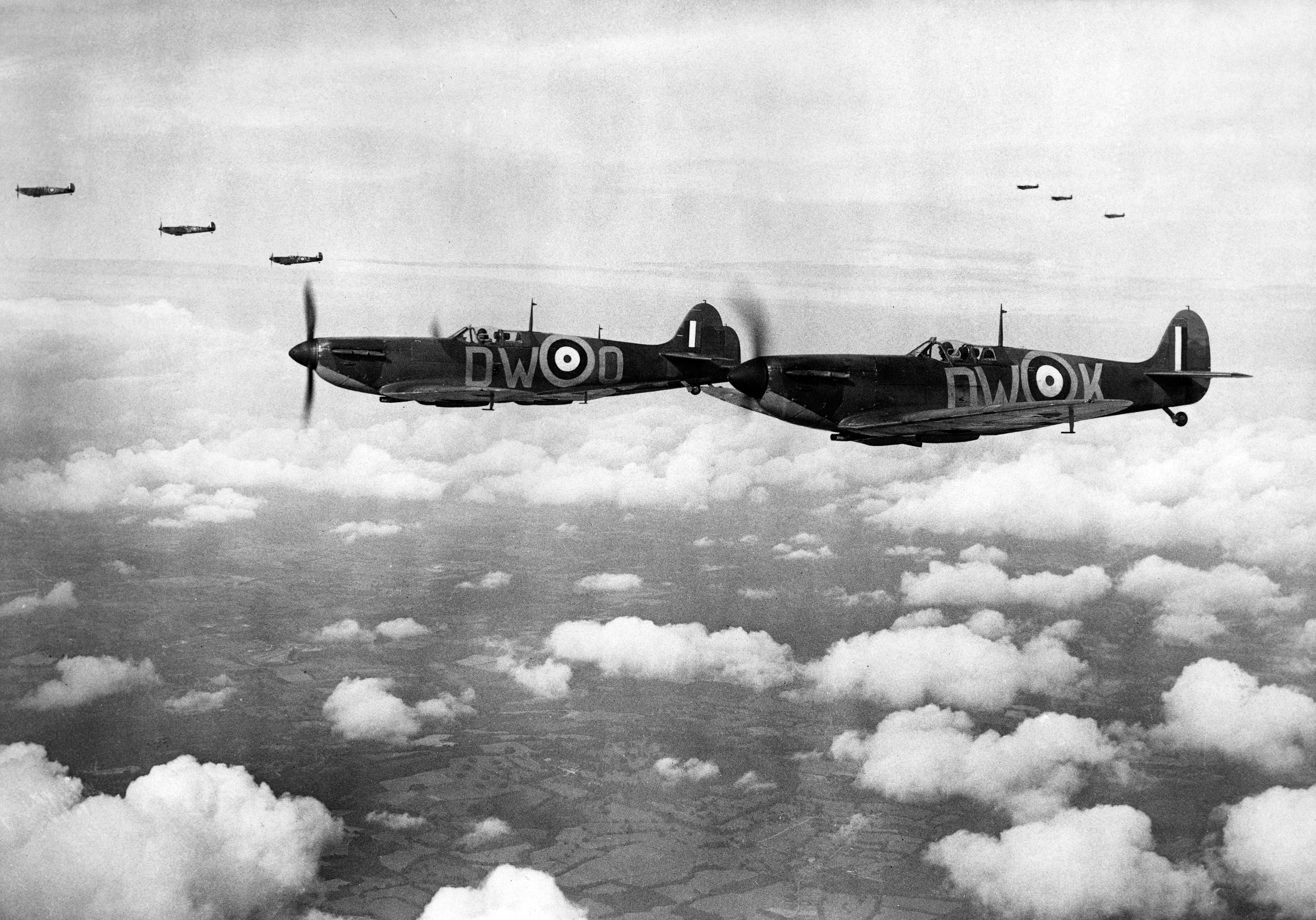
The huge contribution of those part-timers to the eventual victory was echoed many years later by the then Air Vice Marshal ‘Sandy’ Johnstone, who was CO of No 602 (City of Glasgow) Squadron during the battle. ‘It [the battle] established once and for all that members of the Auxiliary and Reserve forces were more than able to play their full part alongside the Regular squadrons. After all, more than a third of all aircrew taking part in the battle had been ‘part-time aviators’ before the outbreak of the war.
Describing the ‘Volunteer Aces of Churchill’s Few’, Group Captain (Retd) Richard Mighall, Chair of the Trustees of the Royal Auxiliary Air Force Foundation said, ‘This excellent book fills an important gap in our understanding and appreciation of the achievements of these remarkable part-time pilots. It reminds us of their commitment, skill and bravery. Inasmuch, it serves as a tribute not only to them but also to all reservists who have so effectively supported – and continue to support – their regular colleagues in both peace and war.’
Martin Wade added, ‘I’m pleased that I’ve been able to publish this account of the part-time aces of the Auxiliary Air Force squadrons in the Battle of Britain. As someone who is proud to serve in today’s RAuxAF, I believe that through all the many achievements of the former part-timers – those in the Battle of Britain stand out because of their importance in saving Britain in its moment of utmost peril – making this perhaps their ‘Finest Hour’. However, in giving up their spare time to serve their country and the RAF today, members of the RAuxAF remain, in another of Churchill’s enduring phrases ‘twice the citizen’.
Today, the Royal Auxiliary Air Force is the main reserve component for the regular RAF. It consists of paid volunteers who support RAF operations in the UK and around the world in their spare time. Many serve in squadrons which fought in the Battle of Britain and whose proud history is cherished by their men and women today.
Martin Wade is a journalist with over 20 years’ experience of writing for newspapers and magazines, often covering historical, particularly military, subjects. He now works in communications for the Welsh Government and serves in the Royal Auxiliary Air Force, working as a Media Operations Officer for No. 614 (County of Glamorgan) Squadron in Cardiff. He has been deployed across the UK and the world in support of RAF operations since joining the squadron in 2014 and is the unit’s historian. He is the author of the squadron’s official history, ‘On Dragons’ Wings’, published in 2024.
Order your copy here.