5 Surprising Things You Didn’t Know About the Pankhurst Women
Women’s History Month guest post from Siobhan Colgan.
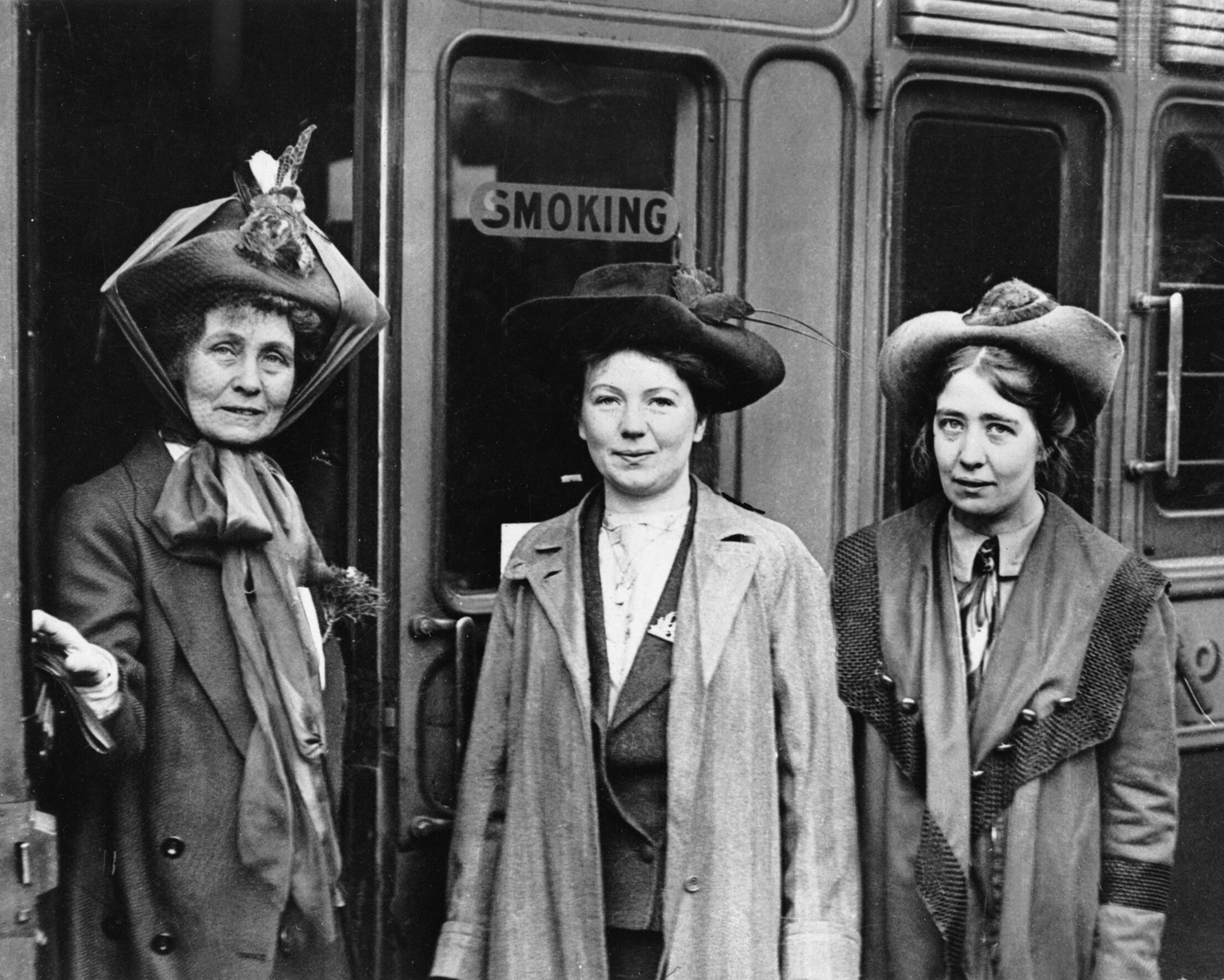
People hear the Pankhurst name and often think of violent protests and prison sentences. But beyond the headlines, the Pankhurst women were also ordinary individuals achieving something truly extraordinary. On the surface, they were fearless suffragettes, famed for their relentless fight to win votes for women. Yet behind the scenes, they were also a mother and her daughters, as flawed as any human beings.
Here, then, are five things you probably didn’t know about the women who helped change the course of history.
1. Emmeline Pankhurst Started the Suffragette Movement from her Kitchen Table
When Emmeline Pankhurst invited a small group of like-minded women to meet with her and Christabel at her home on 10 October 1903, the word “suffragette” had not yet entered the English language. Nor did Emmeline coin the term herself; it was later created by a male journalist attempting to belittle the radical activists she was now hoping to unite.
From the beginning, Emmeline believed the suffragist movement needed to change drastically if women were to win the vote. “Deeds, not words” were what was needed, she told the women who gathered around her kitchen table on that cold autumn evening, and they agreed.
From that meeting came the Women’s Social and Political Union (WSPU), an organisation open only to women and committed to direct action. It was militant in the sense that it challenged society’s expectations of what women could be and do, particularly in their fight for political representation, and through this, gave birth to the Suffragette movement.
2. There were three Pankhurst sisters
Most people are familiar with Emmeline and her daughters Christabel and Sylvia Pankhurst. However, the youngest, Adela Pankhurst, is rarely mentioned, least of all by Emmeline herself, who omitted her completely from her autobiography My Story.
Yet Adela was deeply involved in the movement in northern England and Scotland. She was imprisoned several times and became the first Pankhurst woman to go on hunger strike. But her radical socialist political views, inherited from her father, Richard Pankhurst, increasingly frustrated Emmeline and Christabel, leading them to label her as a “problem”.
Eventually, exhausted and feeling unappreciated, Adela left the WSPU and was promptly instructed by her mother and Christabel never again to speak publicly as a suffragette. Emmeline then sent her youngest daughter to Australia on a one-way ticket. She was only 29 years olf, but Adela never saw her family again, and her role in the British suffragette movement was largely erased.
3. Christabel Pankhurst trained as a lawyer—but could not practise
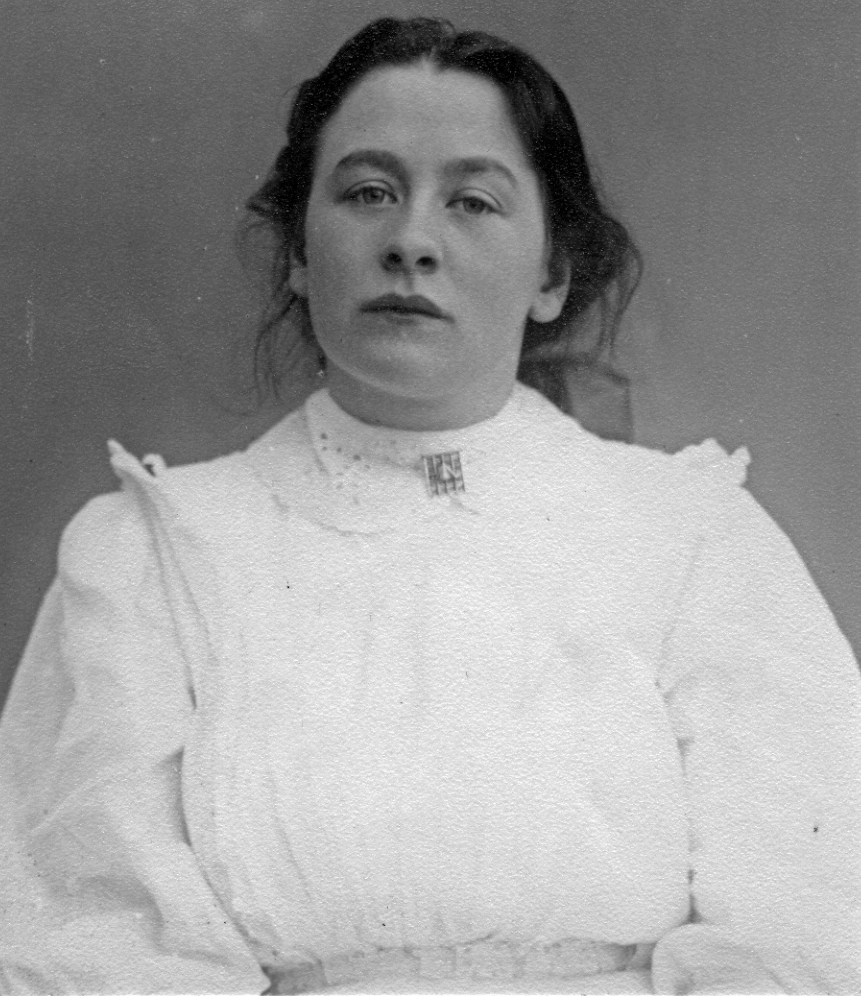
Christabel followed in the footsteps of her father, Richard Pankhurst, by studying law. Originally she had wanted to study at his alma mater, Lincoln’s Inn, but was refused entry because she was a woman. So, instead, she enrolled at the University of Manchester, where, despite being the only woman in her class, she was one of only two students who graduated with first-class honours.
Yet despite her achievements, women were not allowed to practise law in Britain, which left her qualifications effectively useless. That didn’t stop Christabel using them when, in 1908, after she and her mother were arrested, she represented them both in court. And so skilled was she on the courtroom floor that the press nicknamed her “Portia in the Dock”.
4. The Pankhurst sisters were deeply divided politically
Emmeline Pankhurst’s three daughters were as dedicated to women’s suffrage as she was, but over time their chosen routes to achieving this aim sharply diverged.
Christabel viewed inequality wholly in terms of gender, not class, and supported a centralised, militant strategy within the Women’s Social and Political Union. Her sisters, Sylvia Pankhurst and Adela Pankhurst, on the other hand, believed equality was a class issue and were deeply committed to the socialism and working-class activism of their childhood and youth.
Additionally, as the WSPU became more militant, Sylvia and Adela became more appalled. Adela publicly opposed the violent tactics, angering Emmeline and Christabel. All of these tensions finally led to Sylvia’s expulsion from the organisation, while Adela, already exhausted by years of activism, was ordered to withdraw from public life as a suffragette.
Sylvia, undeterred, went on to found the East London Federation of Suffragettes (ELFS) and remained committed to left-wing politics for the rest of her life. Adela initially continued her socialist activism after emigrating to Australia, later joining the Communist Party. She eventually became disillusioned with leftist ideals and adopted more right-wing views, and became alarmingly pro-fascist during WWII.
5. Sylvia Pankhurst Was the First to Celebrate Women’s Day in Britain
In Women’s History Month, it’s fitting to end this article with the often overlooked fact that Sylvia Pankhurst played a key role in bringing International Women’s Day to Britain.
After establishing the East London Federation of Suffragettes, she decided to launch a newspaper, The Women’s Dreadnought. The first issue came out on 8 March 1914, a date Sylvia chose specifically as it was linked both to a major 1908 strike by women textile workers in New York and subsequently proposed as an annual Women’s Day by the activist Clara Zetkin at the 1910 International Socialist Women’s Conference.
To mark the occasion of the newspaper’s launch, she organised demonstrations and speeches by women in London, thus making Britain one of the first places to observe what would become International Women’s Day.
Although the date was later adopted globally and formally recognised by the United Nations in 1977, it was Sylvia Pankhurst who first brought attention to its significance in Britain and Ireland.

Order your copy here.