Six things you probably didn’t know about Charlotte Brontë and Elizabeth Gaskell…
Women’s History Month guest post from Susan Dunne.
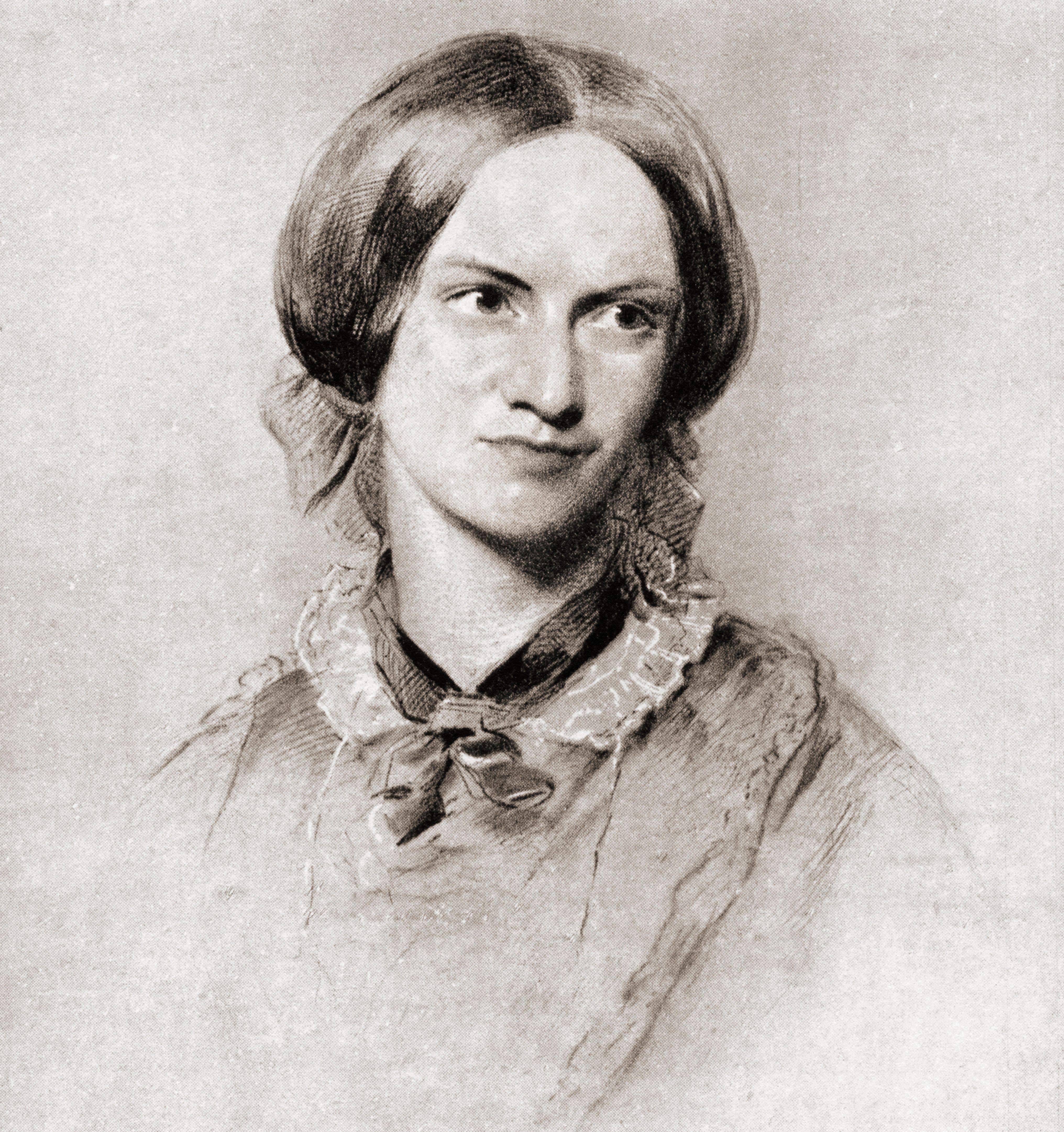
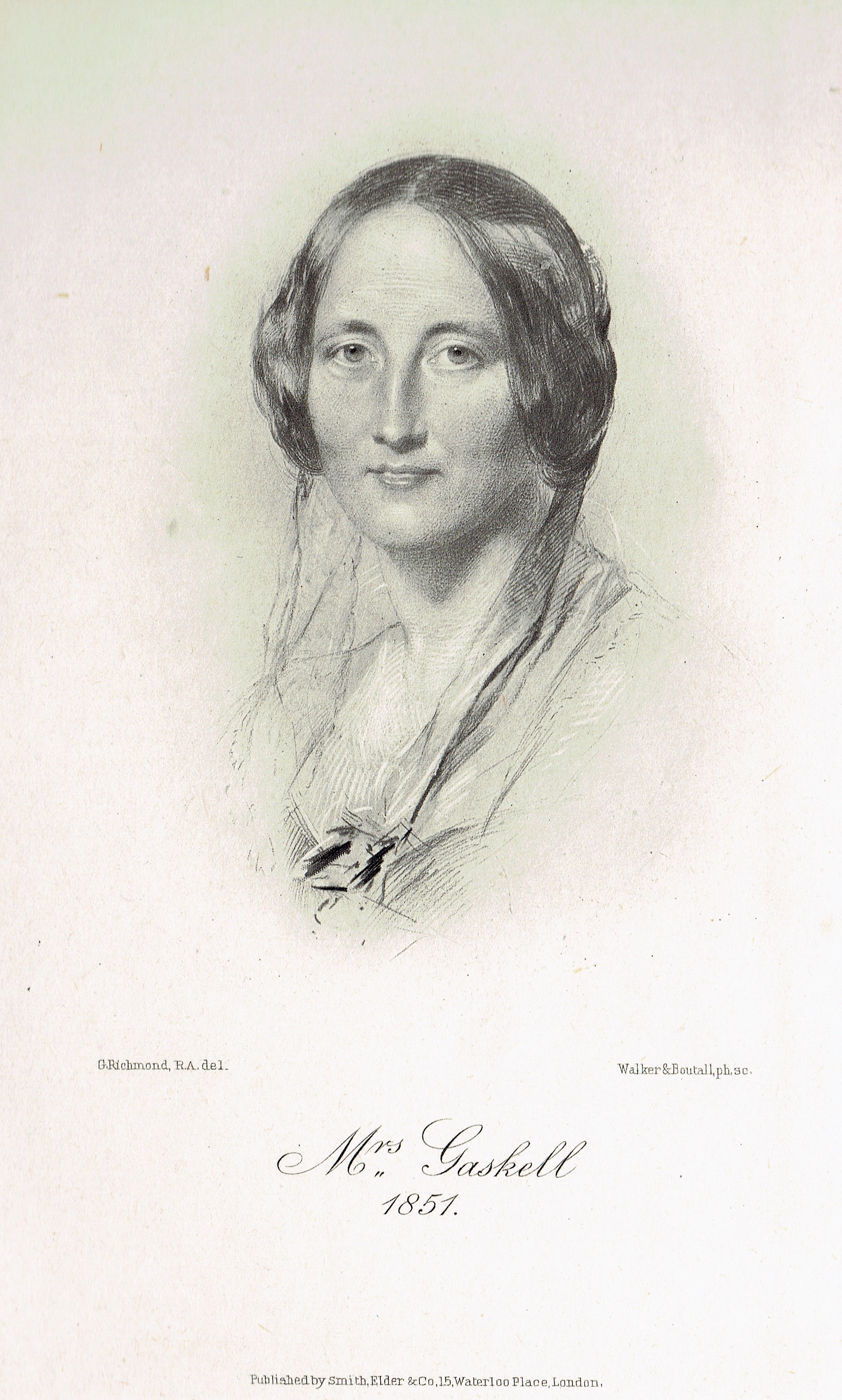
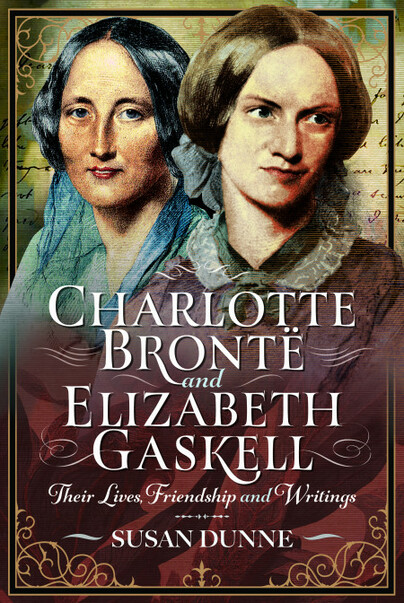
When Charlotte Brontë and Elizabeth Gaskell met in Windermere in 1850 they formed one of the most significant literary women’s friendships ever made. Whilst most people with an interest in the Brontës are aware of their meeting and that Gaskell went on to write the controversial “Life of Charlotte Brontë”, there was much more to the friendship. As contemporaries they shared opinions about national and international events, discussed the position of women in mid-Victorian England and confided their thoughts on everything from writing to child raising. Gaskell even tried to act as matchmaker for Charlotte and would have been willing to abort her unborn child if it would save her life. For a few more facts about Charlotte and Elizabeth that you might not know read on…
1 They wrote letters to each other before they met…
After the death of her sisters, Emily and Anne, Charlotte resumed writing to help cope with her grief. Her novel, Shirley, published in 1849, bore some resemblances to Elizabeth’s first novel, Mary Barton published in 1848. Having read it, Elizabeth wrote to Charlotte expressing her condolences for the loss of her sisters. Charlotte was deeply touched and honoured by this letter, telling her publisher “Her note brought the tears to my eyes: she is a good – she is a great woman – proud am I that I can touch a chord of sympathy in souls so noble.” In her isolation she was badly in need of friends and support and it was fortunate that Elizabeth entered her life at this point. Charlotte saw her as a potential ally against the hostility of male critics: “The knowledge is present support and, perhaps, may be future armour.”
2 Elizabeth was the first member of the public to find out the actual gender of Currer Bell…
To maintain her privacy and to prevent unfavourable judgements on female writers, Charlotte had published Jane Eyre under the androgynous surname Currer Bell. The identity and gender of the author was eagerly disputed by the reading public and literary establishment but Charlotte only made it known outside her family and publisher circles when she wrote to Elizabeth Gaskell. Elizabeth was cock-a-hoop at finding this out and wrote to a friend: “Currer Bell (aha! what will you give me for a secret?) She’s a she – that I will tell you.”
3 Elizabeth did not like Charlotte’s father and tried to circumvent his opposition to Charlotte’s marriage…
Much of Elizabeth’s information about Charlotte came from her friend Lady Janet Kay-Shuttleworth who in turn found much of her information from a former servant of the Brontës, Martha Wright. Martha, who had nursed Charlotte’s mother in her final illness, was dismissed by Patrick for unknown reasons. It seems that she bore a grudge and fabricated stories which made him sound like a neglectful father. Already pre-disposed to dislike Patrick from these stories, Elizabeth was not impressed when she met him on her visit to Haworth in 1853. She disliked the way he talked down to Charlotte and was aware that he had opposed her marriage to his curate Arthur Bell Nicholls. She left determined to try to bring the wedding about by improving Nicholls’s financial position but in the end it was Charlotte herself who brought off the match.
4 Elizabeth thought Charlotte was tainted with consumption…
After the death of her sisters from consumption many people assumed that Charlotte also had the disease and was therefore likely to die prematurely. Whilst Charlotte never said this herself – and her lungs were subsequently declared free of infection by a doctor – others around her including Elizabeth were anxious to get her away from her home in Haworth which was believed to be unhealthy. Elizabeth issued her with several invitations to stay with friends of hers in the south of England, believing Charlotte would benefit from a warmer southern climate. Charlotte, pathologically shy around strangers, never took up these invitations but she did visit Elizabeth in Manchester on several occasions, even though Manchester was deemed one of the most unhealthy places in the country at the time.
5 They shared a Publisher…
This did not come about until after Charlotte’s death and with the publication of The Life of Charlotte Brontë. Charlotte had a happy relationship with her publisher George Smith whose firm had published Jane Eyre in 1847. She stayed with Smith throughout her writing career but Elizabeth was less happy with her own publishers, including Charles Dickens. Charlotte had hoped that Elizabeth would write for Smith after hearing about her publishing woes on their first meeting in the Lake District but Elizabeth only approached Smith shortly after Charlotte died hoping to get hold of a copy of a picture of Charlotte as a memento of her friend. They began to correspond about Charlotte and Smith took on the publishing of the biography, subsequently publishing all Elizabeth’s works.
6 Charlotte is obliquely referred to in Cranford…
On a visit to the Gaskells in Manchester, Charlotte said that she could not drink even the smallest amount of green tea as it kept her awake all night. With mostly green tea in the house and no access to a shop, Elizabeth served her a mixture of green and black tea which Charlotte unwittingly drank. When asked next morning at the breakfast table whether she had slept well, to everyone’s amusement Charlotte said she had slept splendidly. In Cranford Elizabeth slyly remarks of the character Miss Matty Jenkyns “If she was made aware that she had been drinking tea at any time, she always thought it her duty to lie awake half through the night afterwards (I have known her take it in ignorance many a time without such effects).” Whether Charlotte recognised herself in the story is not known.
Order your copy here.