Battlescapes – The Impact of Terrain on War and Military Strategy
Author guest post from Professor Ian D. Rotherham.
Wetlands and military strategy
Wetlands often hold the key to military campaigns, before landscapes of resistance and places within which to retreat if faced by overwhelming odds of an invading force. We see this for example in the Florida Everglades where, in the 1800s, the Seminole Indians held out against a vastly superior force of the US Cavalry, and they did so for decades during the three Seminole Wars. With intimate knowledge of the terrain and the conditions, the native Americans were able to lure the cavalry into carefully chosen ‘killing zones’ and then simply slip away into the wet forest with troops unable to follow. Described as the USA’s ‘first Vietnam War’, this demonstrated the difficulty for a numerically and technologically superior force in combat with native peoples in an extensive wetland and on their home turf. The invaders rarely win at least in the short-term.
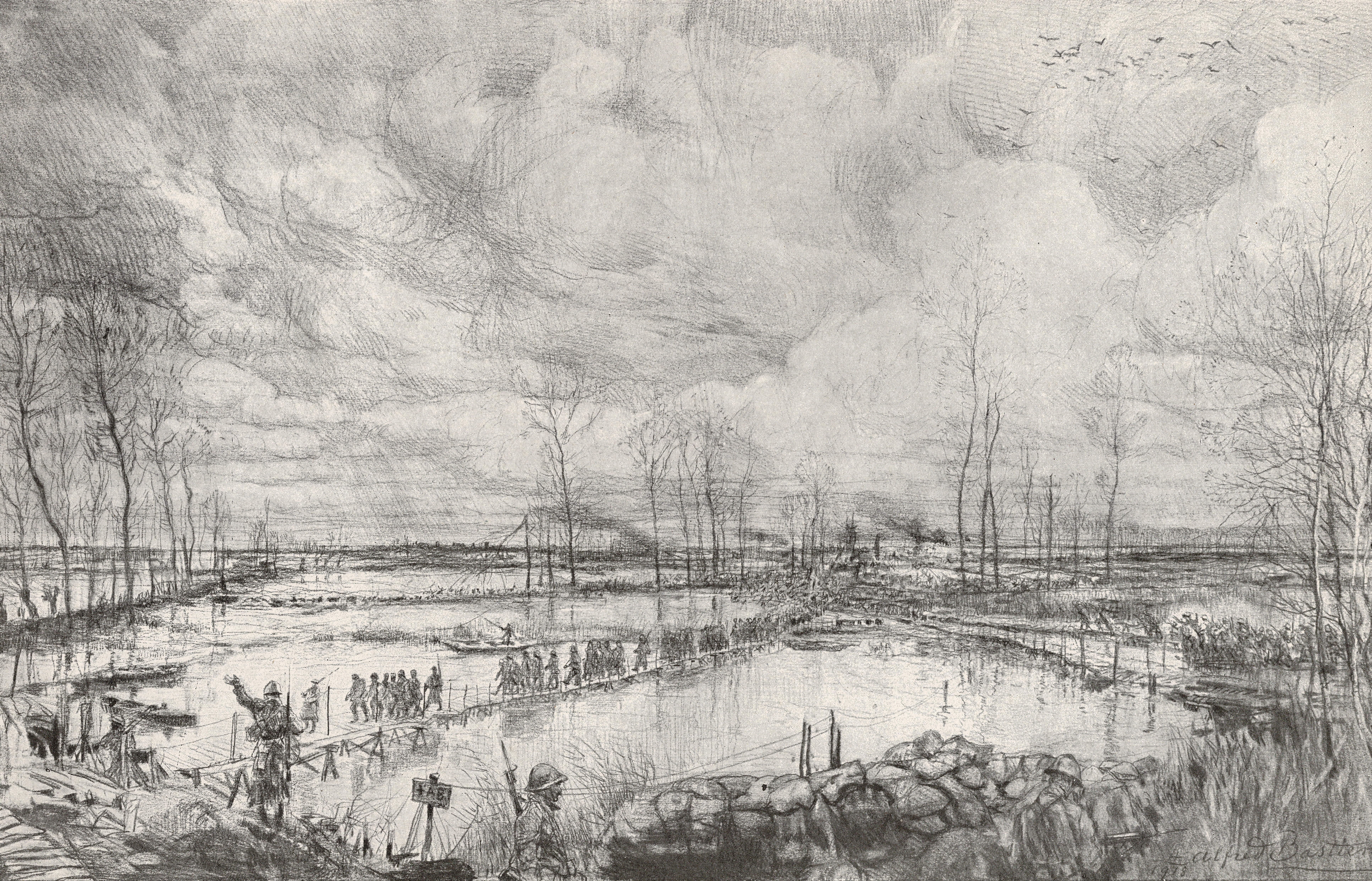
In North Africa and the Middle East, Sadam Hussein’s strategy to quell the independently-minded and warlike ‘Marsh Arabs’ was simply to remove the vast wetlands of Mesopotamia, he drained them. Indeed, a similar fate overtook the English Fenlands during the sixteenth and seventeenth centuries, in a blatant take-over of landscape and resources, and to quell independent thinking, religion, and communities. Indeed, this was the landscape in which the last great Saxon leader, Hereward the Wake, held out against the Norman overlords, on the Isle of Ely in the middle of what was then a vast inland sea. When the fens were finally overcome and drained, it is argued that this action gave rise to the English Civil War.
During the Napoleonic Wars, the French flooded On the 30th of July 1809, a British army of about 39,000 men landed at Walcheren in Holland to support the Austrians in their campaign against Napoleon and attack the French navy moored at Flushing. Napoleon order the drainage embankments to be breached, and the marshes flooded resulting in a huge increase in malarial mosquitoes. Ultimately the British expeditionary force left with catastrophic losses to disease and barely a shot fired. This was one of the first documented examples of the use of biological warfare.
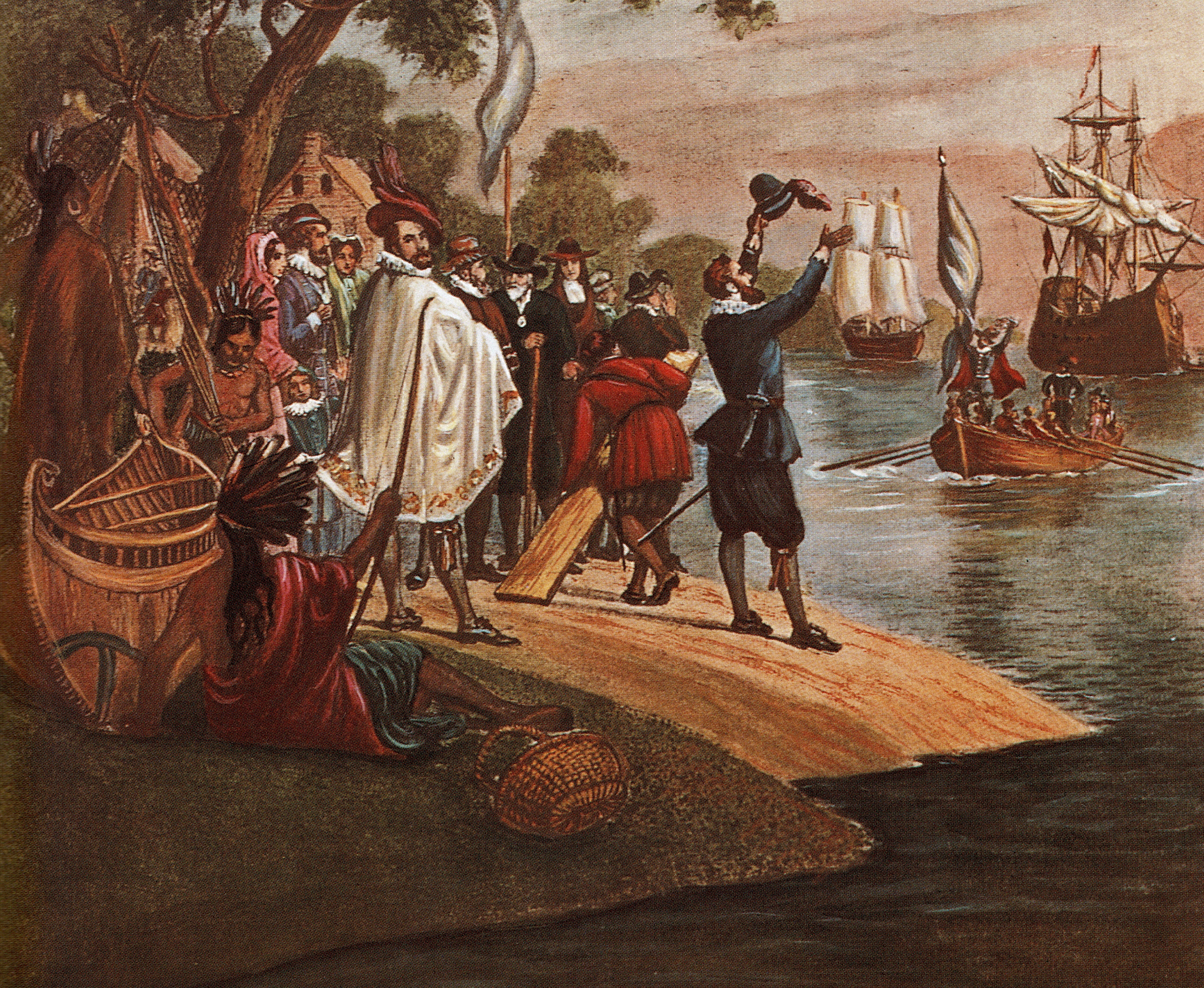
There are many other examples given of how water on the one hand can provide rapid transport for troops through otherwise impassable wetlands, but on the other hand provide sanctuary and ‘landscapes of resistance’. However, one major issue, and this is where the account ‘Battlescapes’ has a unique strength in combining landscape history with military studies, to understand ‘terrain’. Essentially, following centuries of what we describe as ‘land improvement’ for urban dwelling and for agriculture, we live in what is basically a desiccated countryside. To understand tactics and terrain in battles such as in 1066 AD, both Hastings and its English precursor, Stamford Bridge, you have to mentally ‘re-wet’ the landscape to understand how, why, and where conflicts and deployments took place.
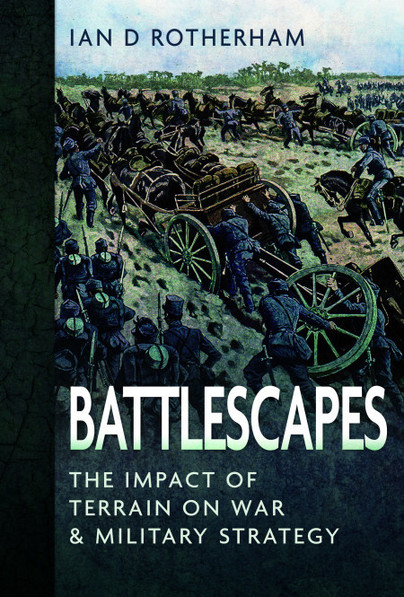
Order your copy here.
………………………………………………………………………
Ian D. Rotherham is Emeritus Professor at the Advanced Wellbeing Research Centre, Sheffield Hallam University, Sheffield. He is the author and editor of well over fifty books, both academic and popular, and has published over 500 refereed papers and more than a thousand popular articles. He works widely with popular and social media appearing on mainstream TV and Radio locally, nationally, and internationally. He can be contacted on [email protected], has a dedicated research website www.ukeconet.org, a blog https://ianswalkonthewildside.wordpress.com/, and both Twitter https://x.com/IanThewildside and Bluesky https://bsky.app/profile/ianthewildside.bsky.social