When Innocence Isn’t Enough: How Justice Can Still Fail the Innocent
Author guest post from Phil Drake.
We learn from an early age that the justice system is supposed to be fair, that it protects the innocent and punishes the guilty, that justice is blind, and the courtroom is the place where truth is revealed and balance is restored. However, for thousands of people around the world who have been found guilty of a crime they didn’t commit, the word “justice” leaves a bitter taste in the mouth.
A miscarriage of justice is more than just an error; for the victim, it is a profound betrayal and a reminder that justice is not an unbreakable force, but a human construct that is both fragile and fallible.
The Anatomy of a Wrongful Conviction
Wrongful convictions seldom occur because of one solitary mistake. All too often, they are the result of small, cumulative failures, some seemingly insignificant. Yet when several errors and incompetencies combine, it can lead to years of misery for an innocent person. A coerced confession, badly handled forensic evidence, a witness too frightened or eager to please or just a shoddy investigation carried out by a police force that once a suspect is arrested, they don’t consider anybody else to have committed the crime. When these fragments align, the truth gets lost, and once the wheels of justice are set in motion, it is hard to stop. Prosecutors focus on securing a conviction, ignoring the facts; investigators stop looking for other suspects, and the jury members, often overwhelmed by the emotional testimony and confident experts, see guilt where no guilt exists.
And so, an entirely innocent person is condemned to a life no longer measured in years, but legal appeals, court hearings and prison visits, each one a reminder that their future freedom rests on trying to convince the very system that failed them in the first place.
The Human Cost of Error
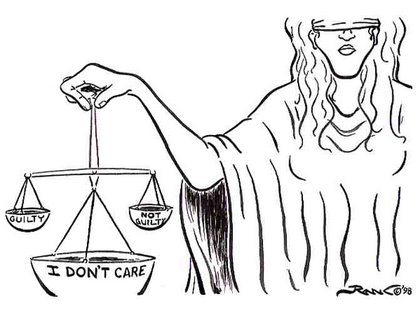
An innocent person who has been wrongly convicted experiences a living nightmare. Their world now shrunken to the size of a prison cell, hearing the door slam shut, knowing that they did nothing to deserve it. Their old friends drift away, their families fracture under the strain, and if they have children, they’ll grow up with the stigma that their parent is a criminal.
Yet, when exoneration finally comes, sometimes decades later, the damage can prove to be irreversible. Many who regain their freedom after years behind bars often struggle to adapt to their new life on the outside, emerging into a world that has moved on without them. So many things have changed, loved ones may have passed on, and their name remains tainted by the shadow of accusations.
Freedom, after such suffering, can feel almost cruel. As one man who was freed after twenty-five years put it, “They gave me my life back, but it’s not the same life they took away.”
The False Comfort of Modern Justice
With such technological advances in forensic science, it is easy to believe that CCTV footage, digital forensics and DNA testing have made miscarriages of justice a thing of the past; however, as good as technology is in the 21st century, it cannot eliminate human error.
Modern forensic practices have indeed helped to free many innocent people, but it has also been used to convict others based on unsound and misconstrued evidence. Crime scenes can become contaminated, DNA evidence can be mismanaged, expert witnesses can be mistaken, or worse, convinced by their own confirmation bias.
Then there are those cases where the scientific evidence was sound but ignored, withheld, misplaced or simply dismissed as inconvenient. It is these moments where technological advance means nothing, swamped by the same old failures of prejudice, haste and tunnel vision.
When Justice Turns Hostile
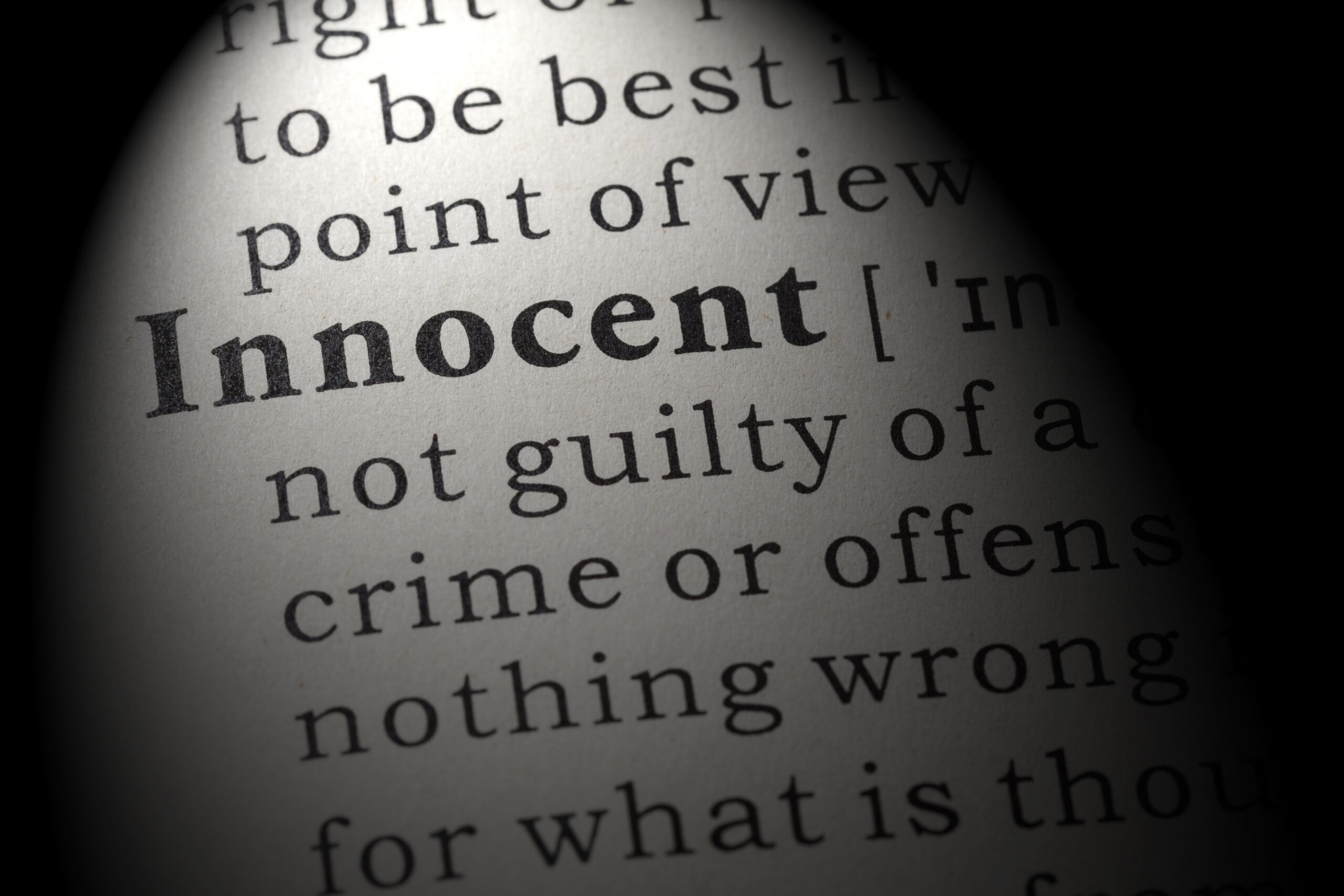
Perhaps the harshest part of an unjust conviction is the recognition that innocence itself is no longer enough. In the courtroom, the burden of proof was on the prosecution; now that all shifts silently onto the shoulders of the convicted. They now must traverse that long and difficult road to freedom by convincing those who put them there that they did not commit the crime.
They send letters and beg for new hearings. They pin their hopes on overburdened solicitors, investigative journalists, or innocence projects. Each vetoed appeal causes more pain, frustration and despair; each passing year becomes a reminder that justice is often more about procedure than fact.
Even when the justice system acknowledges its fault, all the innocent get is a few words of regret and the phrase, “lessons have been learned.” They will probably be awarded financial compensation for the years spent serving someone else’s sentence, but how can someone quantify time, dignity, or the trust that has been taken?
The Stories That Demand to Be Told
That’s why I wrote The World’s Worst Miscarriages of Justice.
During my research, I uncovered cases that were almost impossible to believe. People who were imprisoned for decades on the flimsiest evidence.
Each story serves as a warning. A reminder to us all that the system we rely on to deliver fairness is only as strong as the people within it. Judges, police, juries, and journalists are all capable of error. All can be swayed by pressure, politics, or prejudice.
Yet, among the darkness, there are also glimmers of light. Those indefatigable campaigners, investigative reporters, and families who refused to throw in the towel. Their mettle proves that even when the system fails, humanity persists.
Why It Still Matters
It would be easy to see these as tragic inconsistencies, nothing more than a rare misstep in a largely functional system. But that would be an oversight.
For every innocent person in prison, a guilty one walks free. For every life destroyed, another victim’s truth remains unresolved.
These are not exceptional stories from a distant past. They are part of an ongoing struggle to ensure that fairness is not just a paradigm, but a reality, and until the system recognises its shortcomings and values truth over pride, miscarriages of justice will continue to haunt our courts and our conscience.
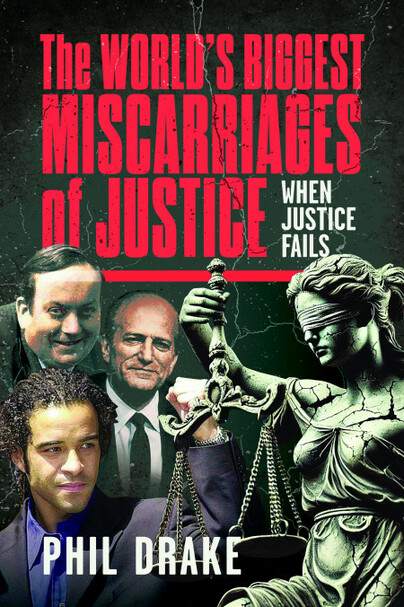
Order your copy here.