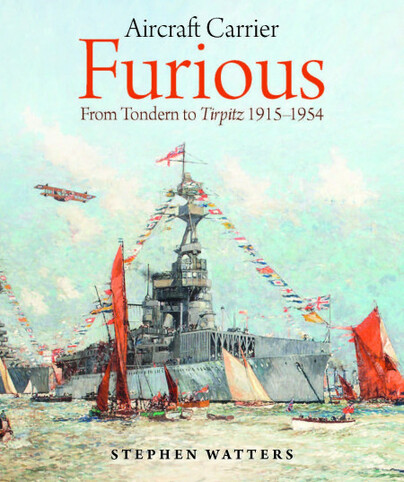
Aircraft Carrier Furious: From Tondern to Tirpitz
Author guest post from Stephen James Watters.
The Aircraft Carrier Furious stood at the forefront of Royal Naval aircraft carrier operations from 1917 to 1944, finally bowing out after taking part in the major air attacks on Tirpitz in 1944.
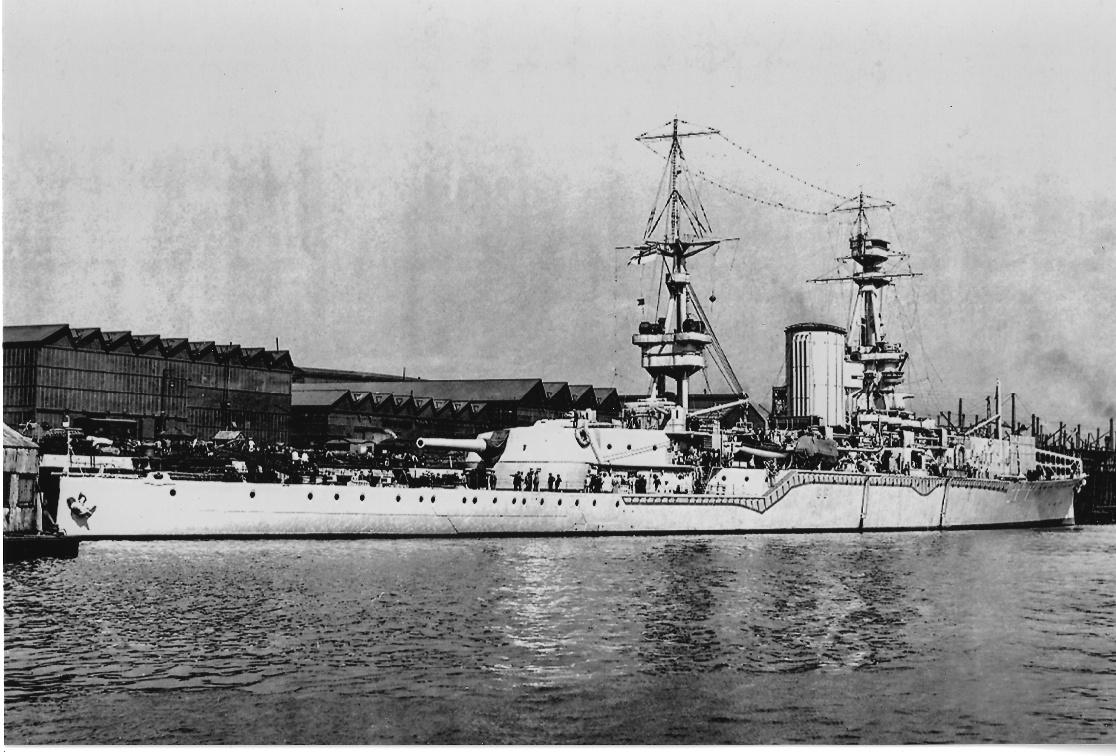
Her initial design was as a Very Large Light Cruiser mounting two monster 18-inch guns, described as such to bypass Treasury refusal to authorise anything larger than a Cruiser in 1915. As designed Furious weighed 22,405 tons, was 786ft long and capable of over 31 knots, none of which made her a Light Cruiser!
Even before the ink was dry on her plans there was a change, driven by the appearance of Zeppelins used to scout for the German High Seas Fleet, something had to be done. In the middle of 1916, following the Battle of Jutland, Admiral Beatty required a deterrent – a ship fast enough to stay with the fleet and to launch aircraft to stop the Zeppelins. Enter Furious ‘the hybrid’, flying off deck forward and an 18-inch gun aft.
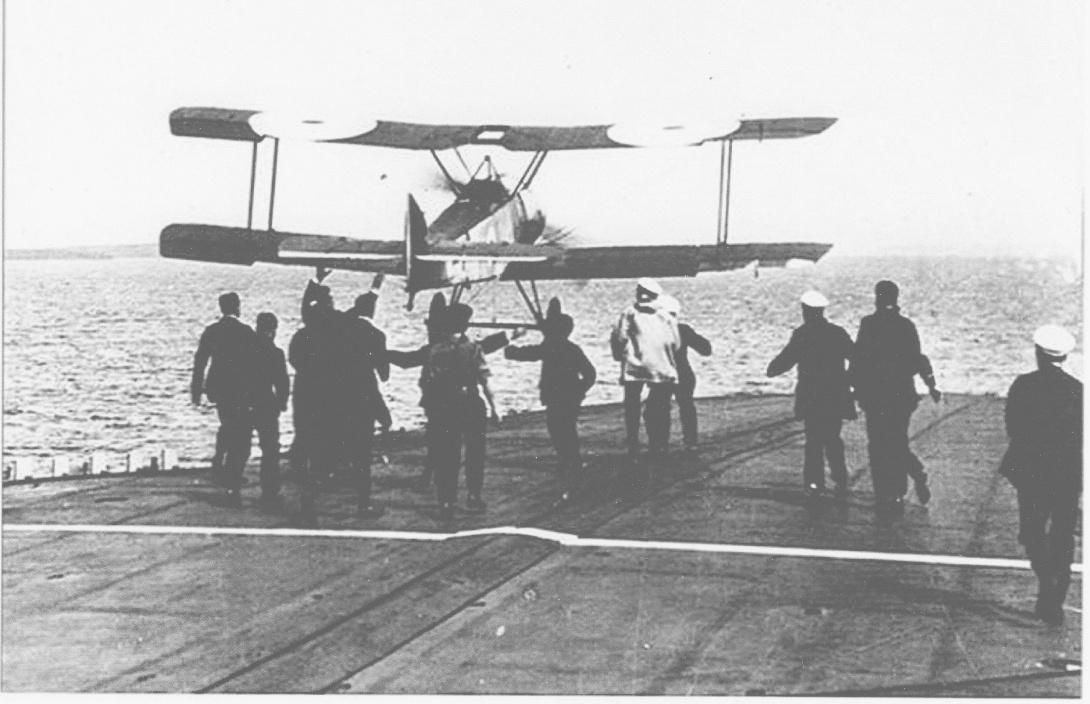
Squadron Commander Dunning, in August 1917, did the seemingly impossible and landed a Sopwith Pup on the flying off deck. This was a first, a few days later Dunning lost his life attempting to repeat his exploit.
So began a further reconstruction, away with the aft 18-inch gun and now a landing on deck in its place, however the funnel and citadel remained. Landing-on became a hazardous operation, of thirteen attempts, only three were totally successful, for the remaining whilst the pilots walked away; the planes were in various stages of damaged.
Tondern, July 1917, a carrier launched strike on the Zeppelin sheds at Tondern, one of the Zeppelin’s main bases. Seven Sopwith Camel 2F1s, each with two fifty lb bombs attacked – two Zeppelins destroyed, sheds wrecked – a first. Three pilots ditched on return; three pilots ditched near the Danish coast and the last washed up later, on the Danish coast.
A decision to redesign Furious was taken in 1920, between 1922 and 1925, Furious was rebuilt from the main deck up, emerging in 1925 as a flush deck carrier with two launching points: main deck and lower hanger.
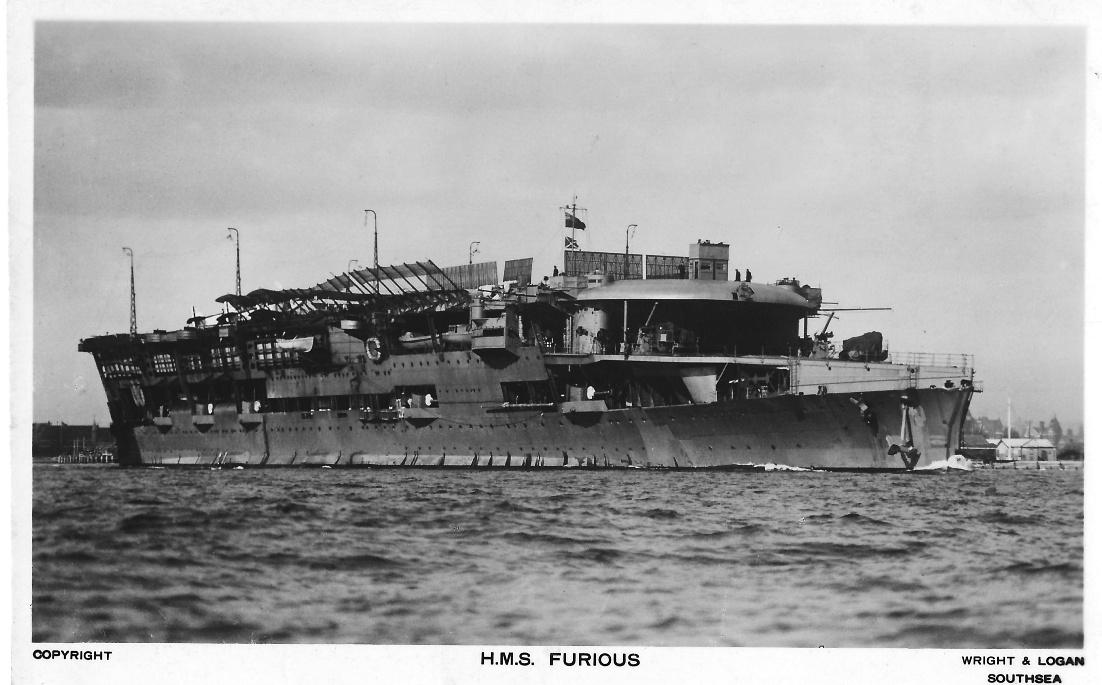
From 1925 to 1939 Furious was engaged in operations and exercises with the Home Fleet including:
- Night Deck Landings – May 1926.
- Several refits which steadily increased Furious’ defences – completed 1938-9.
- Fitting four arrester wires – 1933/4.
- The fitting of a small starboard island – 1938-9.
- The closing of the lower flying off deck option – 1938-9.
On the outbreak of war in September Furious was one of four Fleet Carriers available to the Royal Navy: Ark Royal, Courageous, Glorious and Furious. Additionally, there were Eagle, Hermes and Argus. Of this complement only Furious and Argus would survive the War.
Between 1939 and 1944 Furious was almost constantly in service, with some time allocated to refits to keep her ageing machinery in working order, including a visit to Philadelphia, USA late 1941, early 1942.
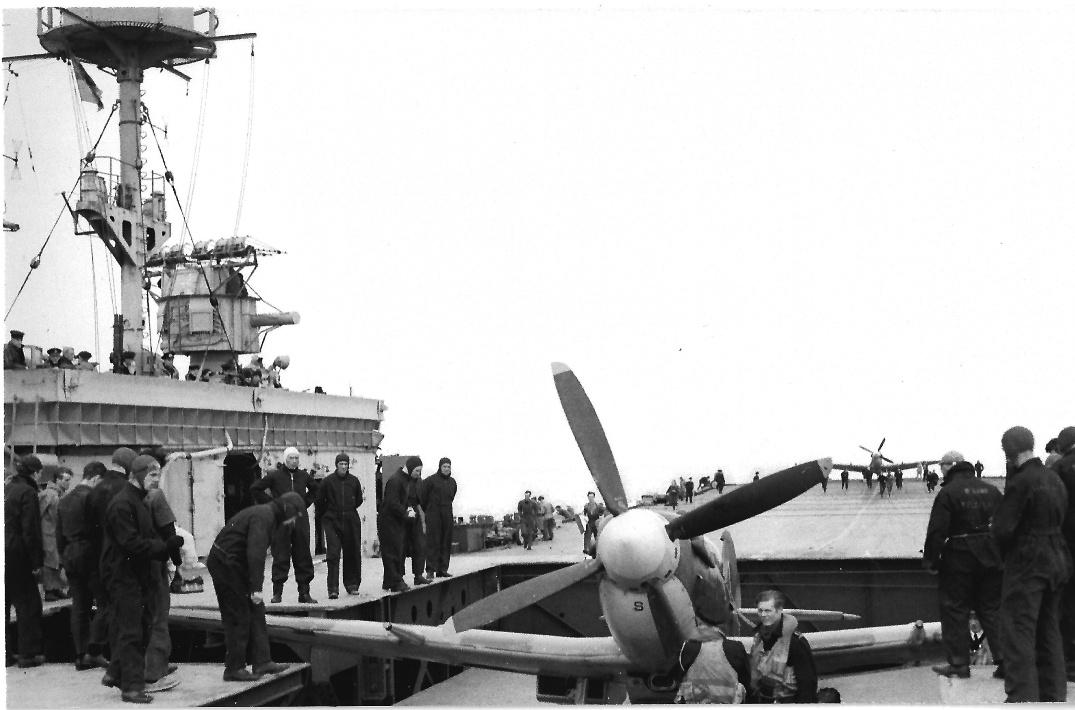
The introduction of the Seafire presented a problem for the FAA – the early ships of the armoured carrier design, could not strike the Seafire into their hangers, as the early Seafires did not have folding wings, due to small lift designs. Until the completion of Indomitable (1941), Implacable (1944), Indefatigable (1944), all Seafires had to be kept on the flight deck, except on Furious, who had cruciform lifts that could deal with the Seafire’s wingspan.
Furious’ war:
Norway – April to June 1940.
Takoradi – Aircraft supply operations – 1939-42.
Malta – aircraft resupply operations – 1940-2.
Operation Pedestal – August 1942.
Operation Torch – November 1942.
Operations off Norway – 1943.
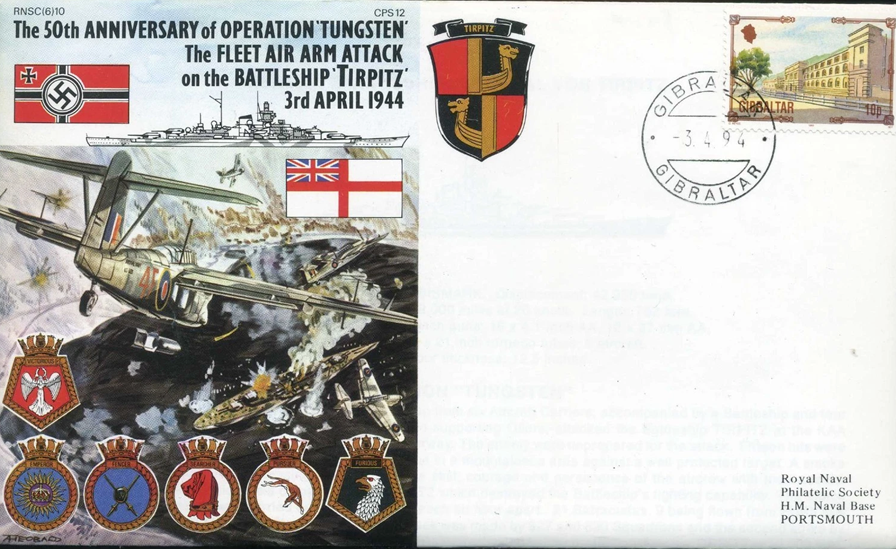
Operation Tungsten – April 1944 – the first major FAA strike against Tirpitz.
Operations off Norway – April to July 1944.
Operation Goodwood – August 1944 – further efforts to sink Tirpitz.
Retirement – September 1944.
Order your copy here.