Battlescapes – The Impact of Terrain on War and Military Strategy
Author guest post from Professor Ian D. Rotherham.
Warfare and extreme weather
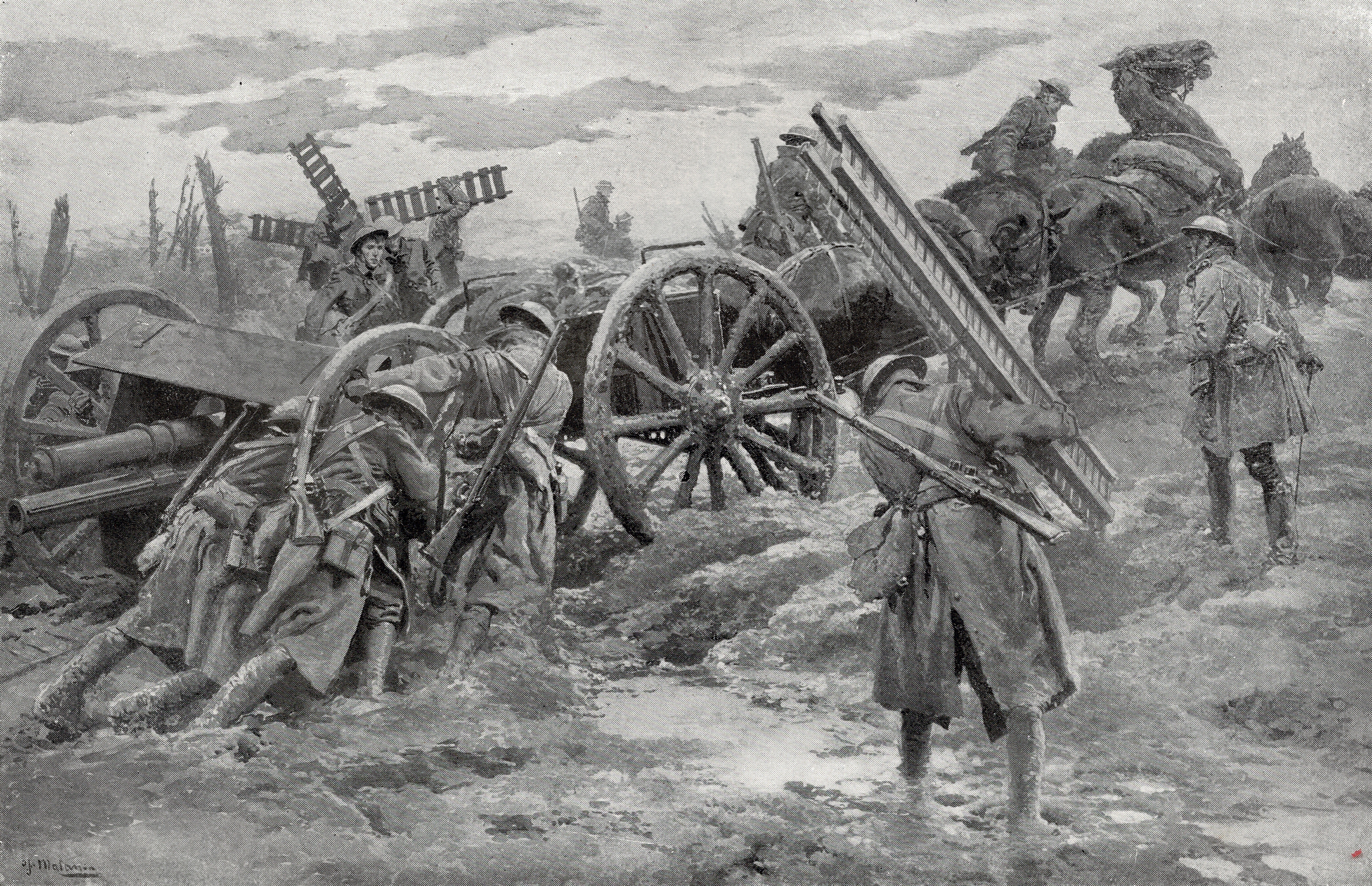
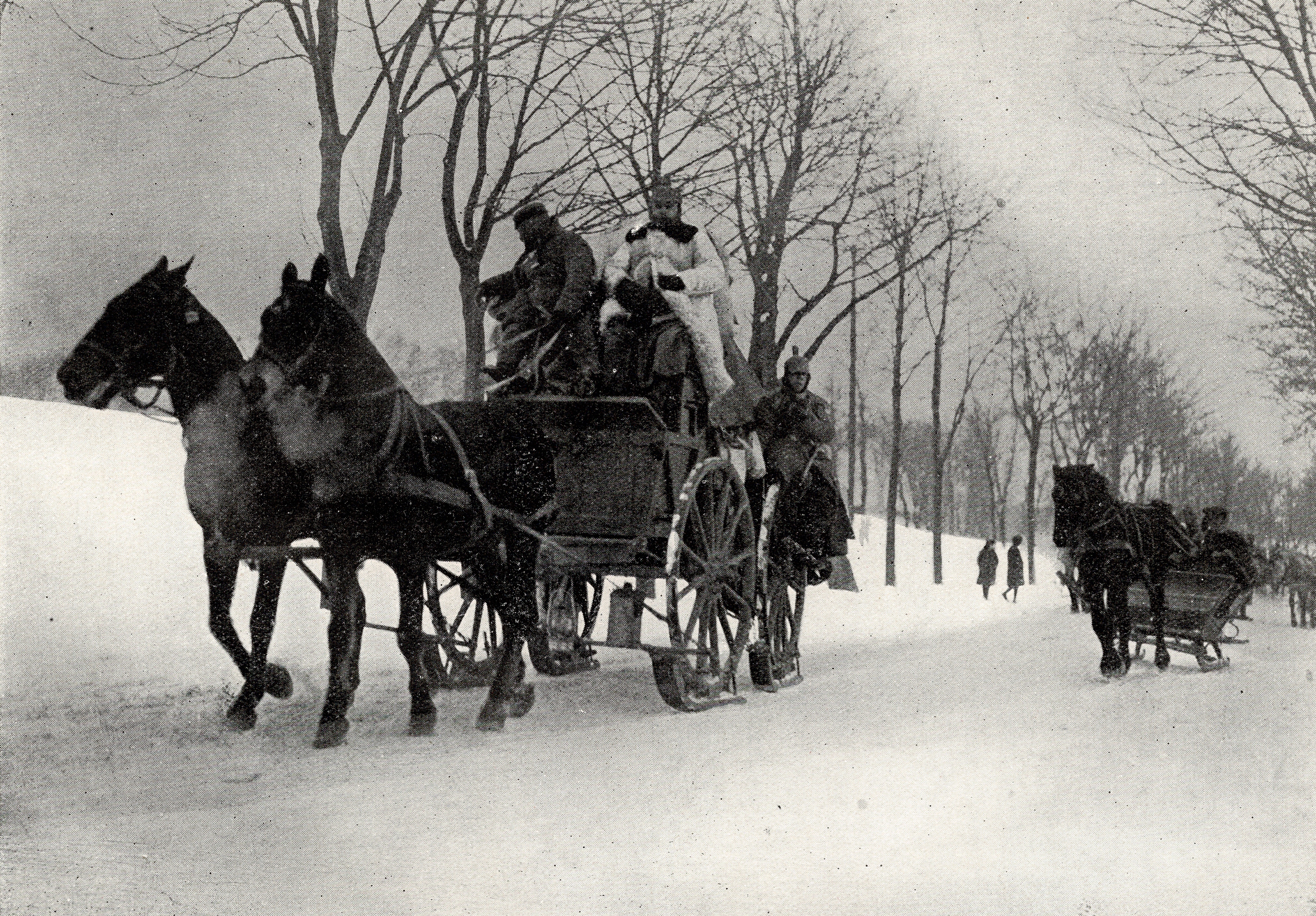
Conflicts take place year-round and in all corners of the globe with weather and extreme conditions part of the impact of landscape. So, from the mud-baths of the WW1 Western Front trenches to the Italian Alpine Front it was weather than made life unbearable for the soldiers and frequently cost their lives either directly or through associated diseases such as the awful ‘Trench-foot’ which was a rot caused by standing in cold, waterlogged conditions. Poorly equipped Italian troops recruited from the lowlands were ill-equipped to cope with the frozen Alps in the depths of winter, and many simply died at their posts frozen solid. In their disastrous invasions into greater Russia across the European plains, both Napoleon Bonaparte and later Adolf Hitler, came to grief as their armies sank into the winter quagmires of ‘Generals January and February’. With supply chains, troops and equipment bogged down in the mud as summertime dry ground became impassable, their armies stuttered, collapsed, and then retreated with catastrophic losses. Today a similar situation stalls the wintertime progress of Putin’s Russian armies in Ukraine.
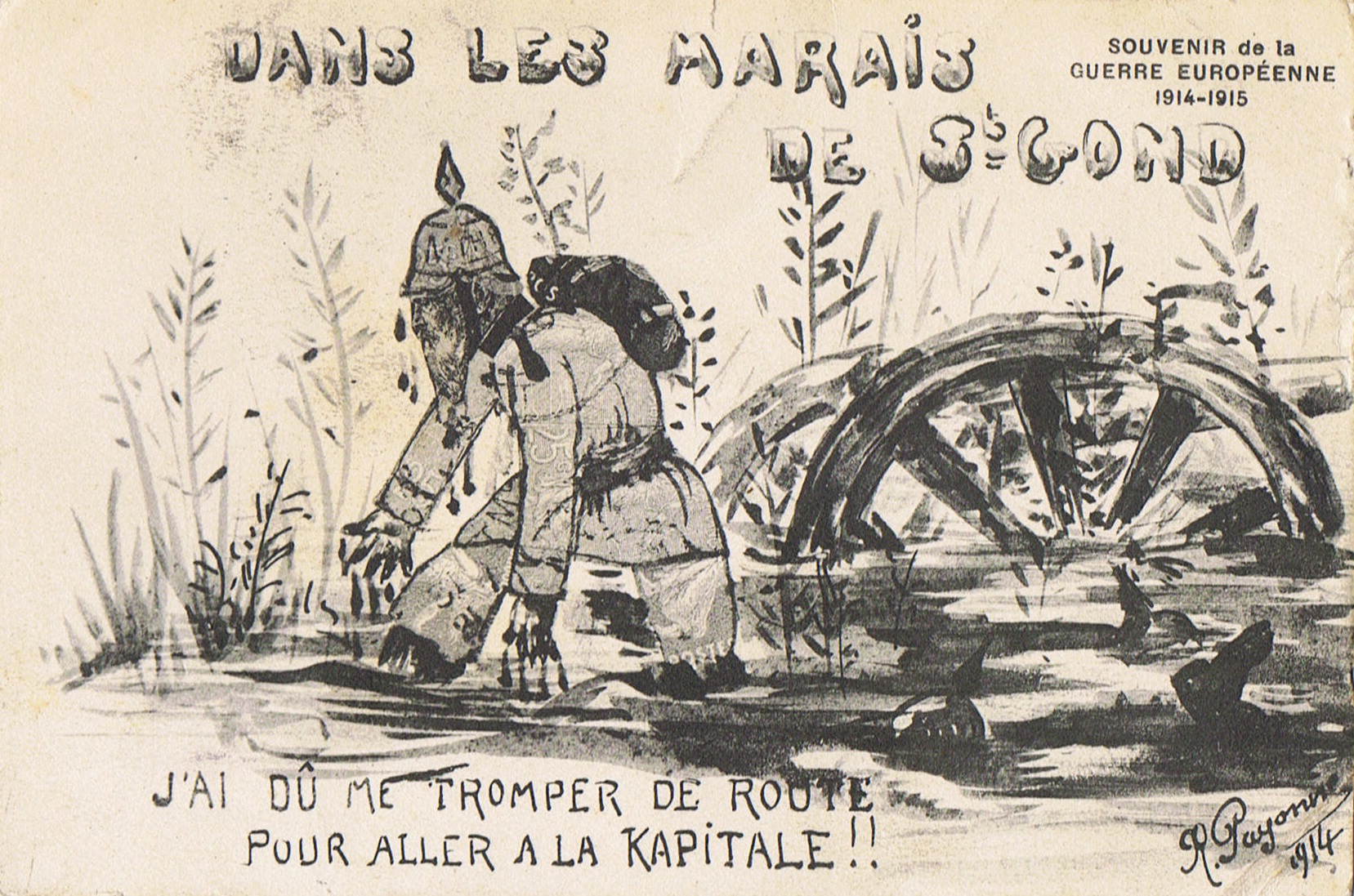
These patterns and impacts are played out across the world in conflicts from centuries past to the modern day. In medieval times of the so-called ‘Little Ice Age’ battles fought on frozen lakes in Northern Europe ended abruptly when the ice sheets cracked and broke and the troops, unable to swim and weighed down with weapons and armour, sank in to the deep, frozen waters.
Individual conflicts might turn on the prevailing weather conditions. So, for example, one of the bloodiest battles ever fought on English soil was Towton, near York, on March the 29th 1461, and established the Yorkist King, Edward IV as the undisputed monarch. This is regarded as the biggest and most violent battle that ever took place in England. It was estimated that tens of thousands of soldiers took part and around 28,000 may have died in the battle and the subsequent bloodbath. Terrain played its part in the conflict and the outcome but the key that turned the day was the ten-hour snow storm and the icy wind blowing into the faces of the Lancastrian soldiers and which caused their arrows to fall short of the Yorkist force. The York bowmen were able to pick up the wasted arrows and fire them back. Carried far by the same wind, the effects were devastating.
These are just a few examples, and the book presents many more situations where weather was the key that turned the day and influenced the outcome of battles and even of wars.
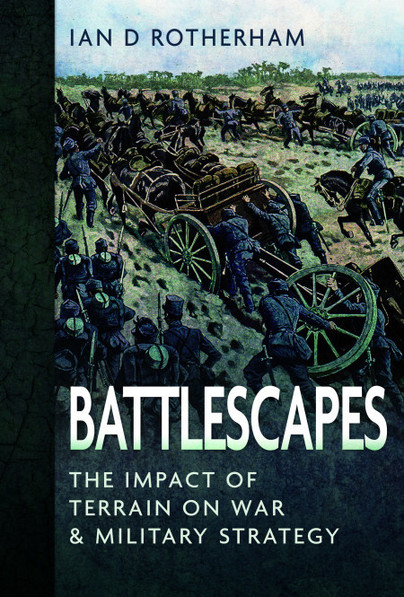
Order your copy here.
………………………………………………
Ian D. Rotherham is Emeritus Professor at the Advanced Wellbeing Research Centre, Sheffield Hallam University, Sheffield. He is the author and editor of well over fifty books, both academic and popular, and has published over 500 refereed papers and more than a thousand popular articles. He works widely with popular and social media appearing on mainstream TV and Radio locally, nationally, and internationally. He can be contacted on [email protected], has a dedicated research website www.ukeconet.org, a blog https://ianswalkonthewildside.wordpress.com/, and both Twitter https://x.com/IanThewildside and Bluesky https://bsky.app/profile/ianthewildside.bsky.social