Dogs: Working Origins and Traditional Tasks
Author guest post from Mike Loades.
Dogs are our best friends – they are also great history tutors. Locked up in every dog’s genetic code is a story of how it came to be the way it is: coat, form, temperament, behaviour. Dogs have been on this extraordinary journey with us for at least 10,000 years before recorded history and they too have tales to tell. Their tales and our tales.
Human society has a responsibility to the future of dogs; we determine their destiny. It is the least we can do to try and understand their history a little better.
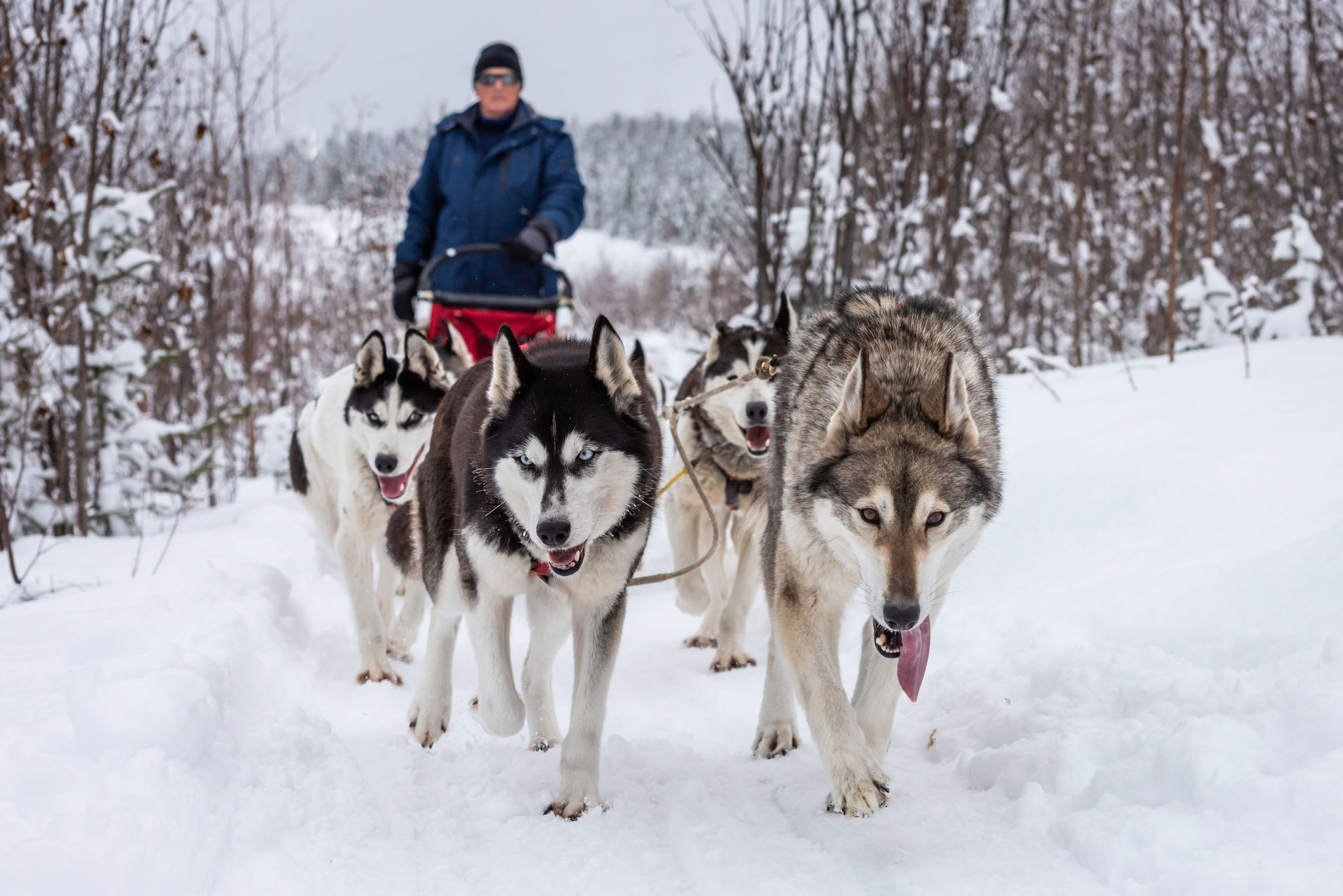
I wrote this book to discover more about their story and to have some meaningful hands-on encounters with dogs along the way. ‘Adventures with Dogs’ was an early title idea. I had hoped it might convey the excitement of my travels; from the valleys of Wales to the deserts of Jordan and to the snowlands of Alaska, in search of dogs doing their original jobs. I shared the saddle of my camel with a Saluki; I mushed Huskies; I drove a carriage with a Dalmatian running beside; I flew falcons with Spaniels; I worked Setters to the net; I herded with a Border Collie, and I drove cattle with a Corgi! Each encounter not only highlighted the enduring partnership between humans and dogs, it also framed that connection in its historical context.
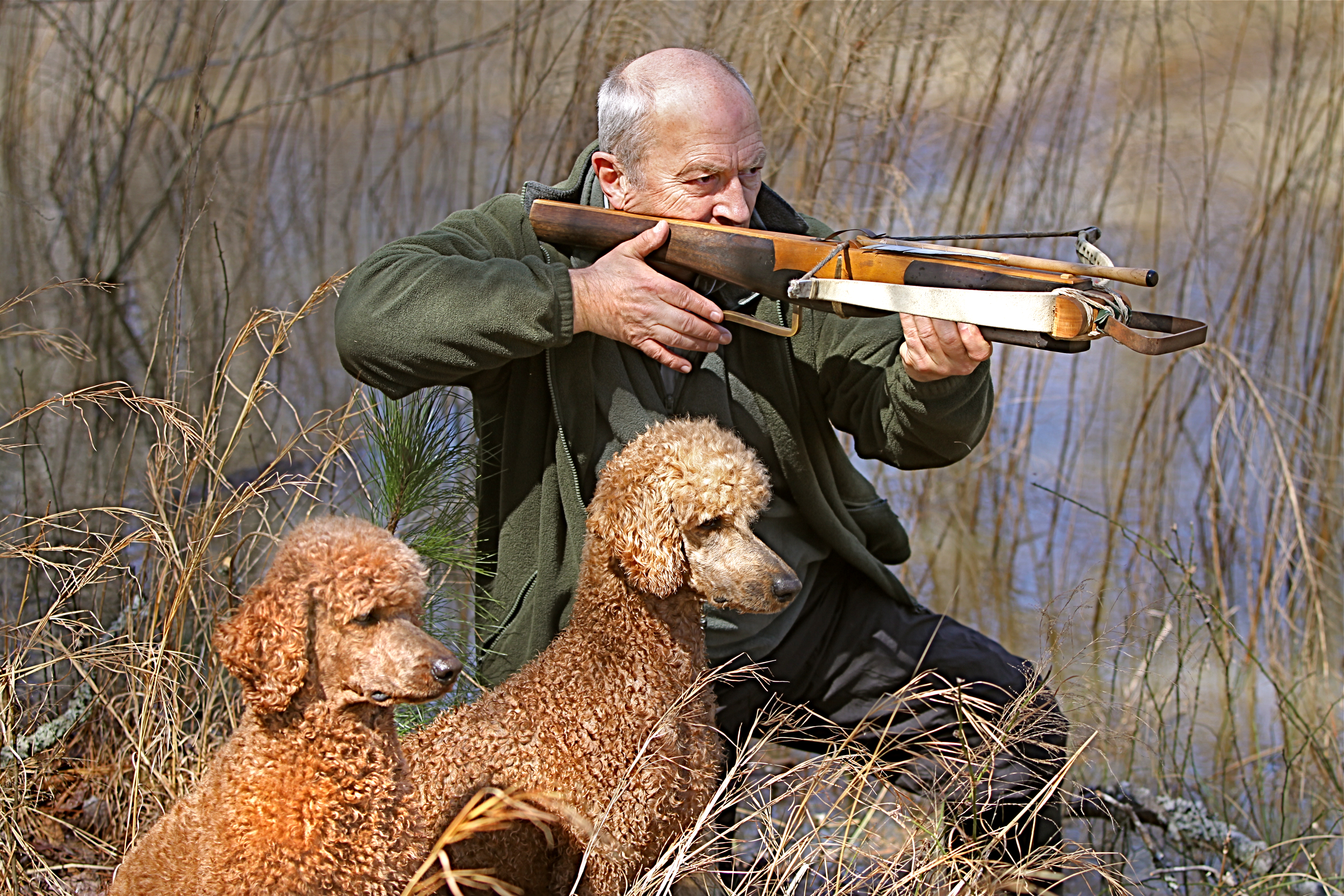
Another title I floated was ‘Poodles Hunt Ducks: Labradors Catch Fish’. This was intended to tease the surprises contained in the book. Yes – Poodles were used originally as duck hunting dogs (especially popular during the Tudor period) and Labradors did retrieve fish that jumped out of the fishermen’s nets (though mostly they retrieved broken tackle).
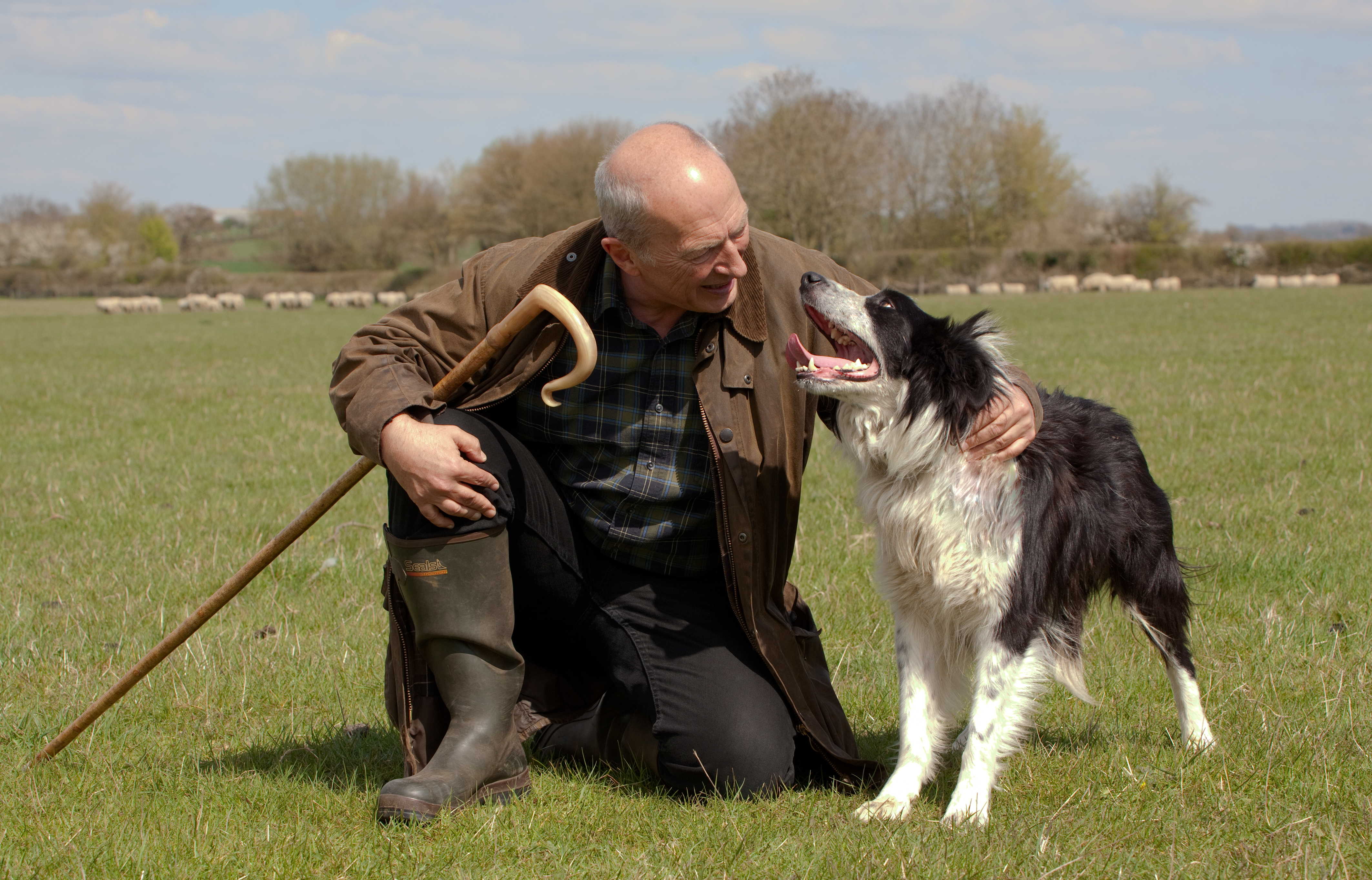
Wiser heads prevailed and the book is called simply ‘DOGS: Working Origins and Traditional Tasks’. The idea being to let the internet algorithms know exactly what it is about. Hopefully it does that, and I also hope that it finds those interested in tracking the fascinating story of how different dogs came to be the way they are.
I wrote the book for those who enjoy a narrative read and readers have been kind enough to repay that effort with an abundance of glowing comments on internet review sites, from Amazon to Good Reads. That is its own reward. However, the book is also driven by its striking array of unique photographs, taken mostly by my wife and by several friends. It may double as a coffee-table book but one of a manageable size that once you’ve picked it up, my hope is that it will hook you into reading.
Although I love to write books, I also make films. I think visually and the intention with these photographs (over 250) was to support the reader’s imagination with compelling images of dogs at work that, in many cases, have largely disappeared from our present world. I wanted the idea of a poodle swimming to retrieve a duck to feel normal, not just a quirky by-line in a book. It is normal, just as it is normal for a Corgi to drive cattle. It is in their genes and we owe it to them to understand that.
Hunting inevitably makes a strong appearance as the genesis for many dog types. It is woven into the fabric of our social history and, for many dogs, it is what makes them tick. However I was keen to avoid the distraction of present-day debates about various forms of hunting, that might throw us off the scent of simply telling the dog’s story. What mattered to me was understanding the context in which certain types of dog were developed and what characteristics fitted them for the task.

In all the canine adventures that I experienced, when it came to a hunting activity, it was always possible to either simulate or substitute, without any animals being harmed for the purpose of the book. In the instance of the image of the poodle retrieving a duck, the duck was produced from the freezer, not shot that day. When I visited the New Forest Hounds, I wanted to get a sense of the dynamics of a pack. This was far better accomplished by me taking them out on early morning exercise. Walking ahead of 56 hounds in the early morning mists of the New Forest is one of the most poetic moments of my life.
As I write today, it is exactly five years ago that I received my copy of the book through the post. It is always a very special moment for an author. However in this case, the moment was overshadowed by the peak of covid lockdown. Many in the publishing industry referred to such books as ‘covid orphans’. These were books that were not given the usual physical bookstore presence needed to gain traction and were subsequently overlooked once bookshops reopened and focused on newer titles. I hope that my orphan book may find yet those to adopt it.
One of my current dogs is adopted; a rescue. He is a mutt; the other is a pure bred. They are both adored equally. While my book is intended primarily as a joyful celebration of the diversity and wonder of different identifiable dog types, it is not a call for purity. Mixing up the gene pool has lots of benefits and all dogs deserve a loving and caring home. However it does carry a serious caution – we need to conserve our primary dog breeds or they will disappear. They are a fragile heritage.
Dogs appear differently, partly because of geography – double coats for those from the north, bigger for the mountains, squatter for the forests – and partly because of function. Form follows function, and it was as a result of selectively breeding dogs to be suited for particular jobs that our galaxy of breeds was developed. That is why we have the specialists – those with better scenting ability, those that are faster, those that are stronger, those who swim well, those that are fiercer; those that like to snuggle.
Selective breeding was practised long before the Kennel Clubs of the nineteenth century. Its rationale, however, was primarily function. During the past 150 years, written rules, measurements and other strictures have placed greater emphasis on appearance – in some cases to the detriment of the dog’s wellbeing. Despite some mistakes in the past, I do not demonize the Kennel Clubs.
Knowledgeable, responsible breeders, adhering to a well-thought-through breed standard are the only way we can preserve our much-loved breeds. Spaniels and Setters, Poodles and Pugs, Beagles and Boxers do not exist naturally in the wild. Without human stewardship, every dog breed you know would disappear in just a few dog generations. I believe their heritage is worth holding onto every bit as much as conserving wildlife in the forests and savannahs of the wild world. The situation is nuanced, but a knowledge of the history of how our dog types evolved is key to understanding what needs to be done.
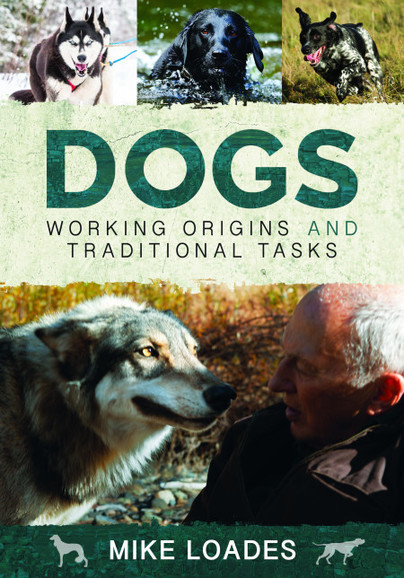
All dogs are descended from the grey wolf; I see the wolf in every dog I meet. The front cover of the book features a photograph of me talking to a wolf (well, a 98% wolfdog). I have no doubt that the most important ‘function’ of dogs is to be our companions and the chapter on ‘Companion Dogs’ is centred on the extraordinary experience I had spending time meeting some wolfdogs. It gave me a real sense of our primal connection. Of course, all dogs have the ability to be our best friends but there are a range of breeds that were developed specifically for the purpose. I found digging into the history of the Pekingese and the Chihuahua every bit as interesting as uncovering stories about Collies and Retrievers.
In researching and writing this book I found tales that surprised, fascinated and moved me. My hope is that you will too.
Order your copy here.