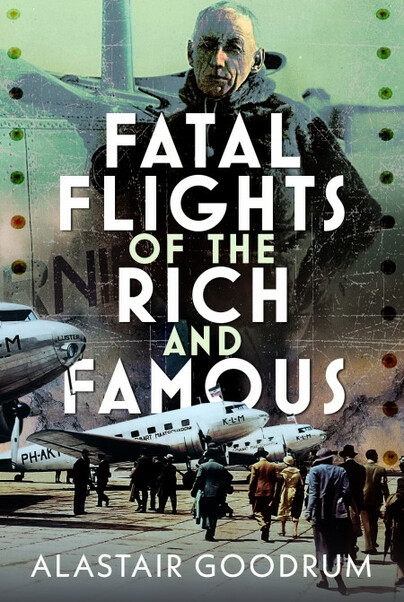
Fatal Flights of the Rich and Famous
Author guest post from Alastair Goodrum.
Aviation history is full of evocative stories about the evolution of aeroplanes, flying and the perils of air travel and there are many ways of looking at these. The theme of the twenty-three stories in FATAL FLIGHTS OF THE RICH AND FAMOUS is to recall some of those perils through the eyes of a selection of internationally-famous celebrity air travellers. What brings them all together here is that, as well as presenting these personalities, the stories showcase aeroplanes from the golden age of biplanes to biz-jets and airliners. They also illustrate the fallibility of people and technology, while giving a flavour of the social progress of air transport over the past 100 years. Sadly, the climax of these particular stories culminates in air crashes that took the lives of the celebrities involved. While the final selection of the stars might be open to debate, the breadth of celebrity representation in these stories is very wide, being drawn from the fields of aeronautics; cinema; exploration; fashion; music; politics and sport; as the following stories illustrate.
The vision of Lord Northcliffe, proprietor of the Daily Mail, in offering £10,000 (≈ £960,000 in 2024) to the first person to cross the Atlantic Ocean by air, made airman adventurers sit up and take notice. Among these was John Alcock, an Englishman who learned to fly in 1912, then became a racing pilot, test-pilot and aero-engineer. By 1914 he was regarded as one of the top ten pilots in the country. War service in the Royal Navy, as both a combat fighter pilot and strategic bomber pilot against Turkish, Austro-Hungarian, Bulgarian and German forces in the Aegean theatre, was curtailed when he was captured by the Turks. Knighted, along with Arthur Whitten Brown, in 1919 for their epic first non-stop trans-Atlantic flight, they brought hope to a world traumatised by the First World War. Shortly afterwards, Vickers Ltd invited Alcock to represent it at the first post-war International Aeronautical Exhibition in Paris. On 19 December 1919, in poor weather, Alcock decided to fly to Paris alone, confident that, having flown the open Atlantic Ocean in bad weather and fog, he could cope. In an un-typically rash ‘press-on’ fashion he flew into thick fog but, this time, found it contained tall, unyielding trees – with fatal consequences.
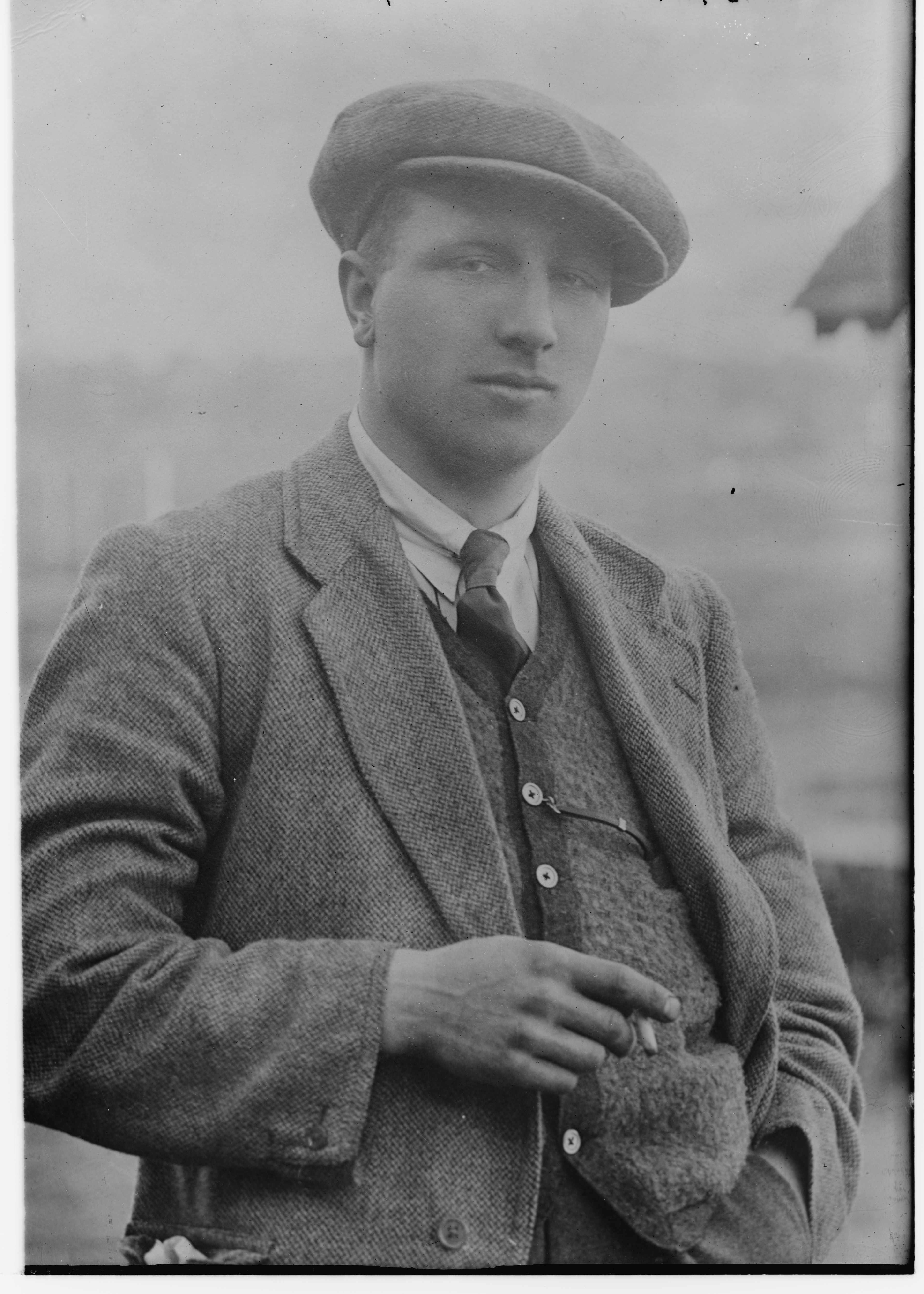
In such an august company of men like Ernest Shackleton, Robert Peary, Robert Scott and Fridtjof Nansen, the Norwegian Roald Amundsen was truly a giant among polar explorers of the early 20th century. First to reach the South Pole; first to navigate the fabled north-west passage and first to fly across the Arctic Ocean and North Pole, no-one matched the range of his achievements in both polar regions. Having turned to polar exploration by air, a departure by seaplane from Tromsø, Norway, of this larger-than-life adventurer was not for some new polar quest but – in an effort to prove himself still superior to all others – was to undertake a search and rescue mission for an Italian airship, missing with its crew in the polar wastes of the Barents Sea. Having had three passionate affairs with married women across the world, this confirmed bachelor agreed to marry the last of these and his bride-to-be awaited his return from the rescue mission. But she waited in vain because, on 22 June 1928, Amundsen, his crew and their aeroplane, were never seen again.
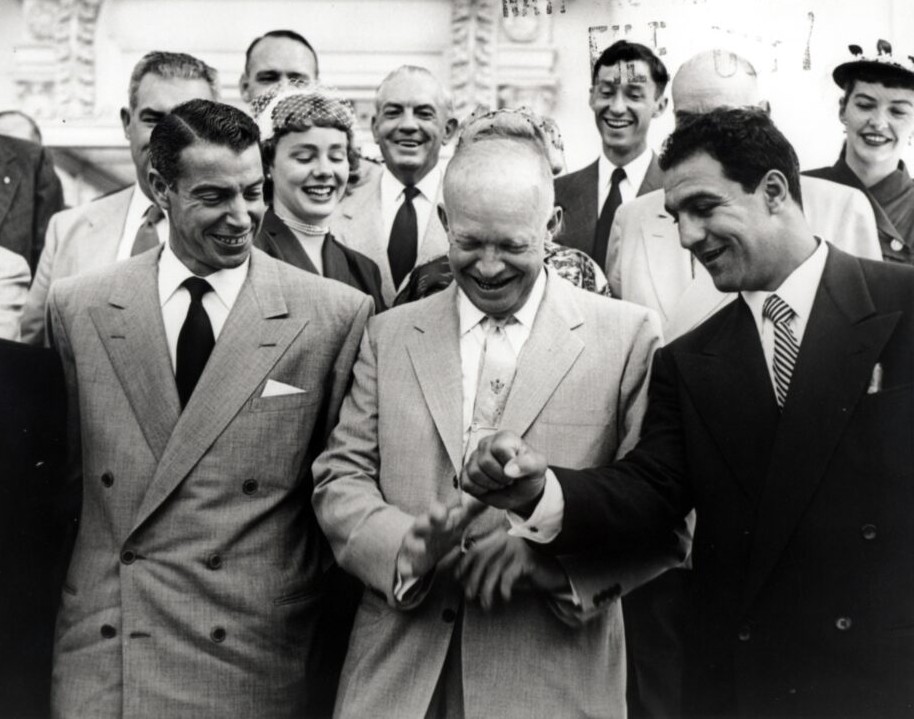
Born Rocco Francis Marchegiano, the man known as Rocky Marciano, became a world champion heavyweight boxer and to this day is the only fighter at that iconic weight to be undefeated during the whole of his professional career. As a youngster, he was on course to be a professional baseball player but a hand-injury put paid to all that. Another generally-suppressed fact is that, during his war service, he was jailed for three years for severely beating a man with his fists in a robbery. Turning to boxing for redemption, Rocky’s rampaging style and devastating knock-out punch brought him the world heavyweight championship and universal fame. Retiring, he became a TV presenter, movie actor and entrepreneur, rubbing shoulders with politicians, film stars and gangsters alike, but he was always THE guy to be seen with. Although the victim of long-term earnings fraud by a crooked manager, Rocky was never short of money. Determined to hang on to what he had left, he dealt habitually in hard cash – often carrying large sums of paper money about his person. He never lacked invitations to make fee-earning personal appearances – for cash – and off the back of his popularity was a frequent beneficiary of free airline tickets or flights in small aeroplanes. Rocky did that once too often though and on 31 August 1969, accepting a lift in a tiny Cessna 172 flown by an inexperienced pilot, to appear at a party in Chicago, he paid with his life.
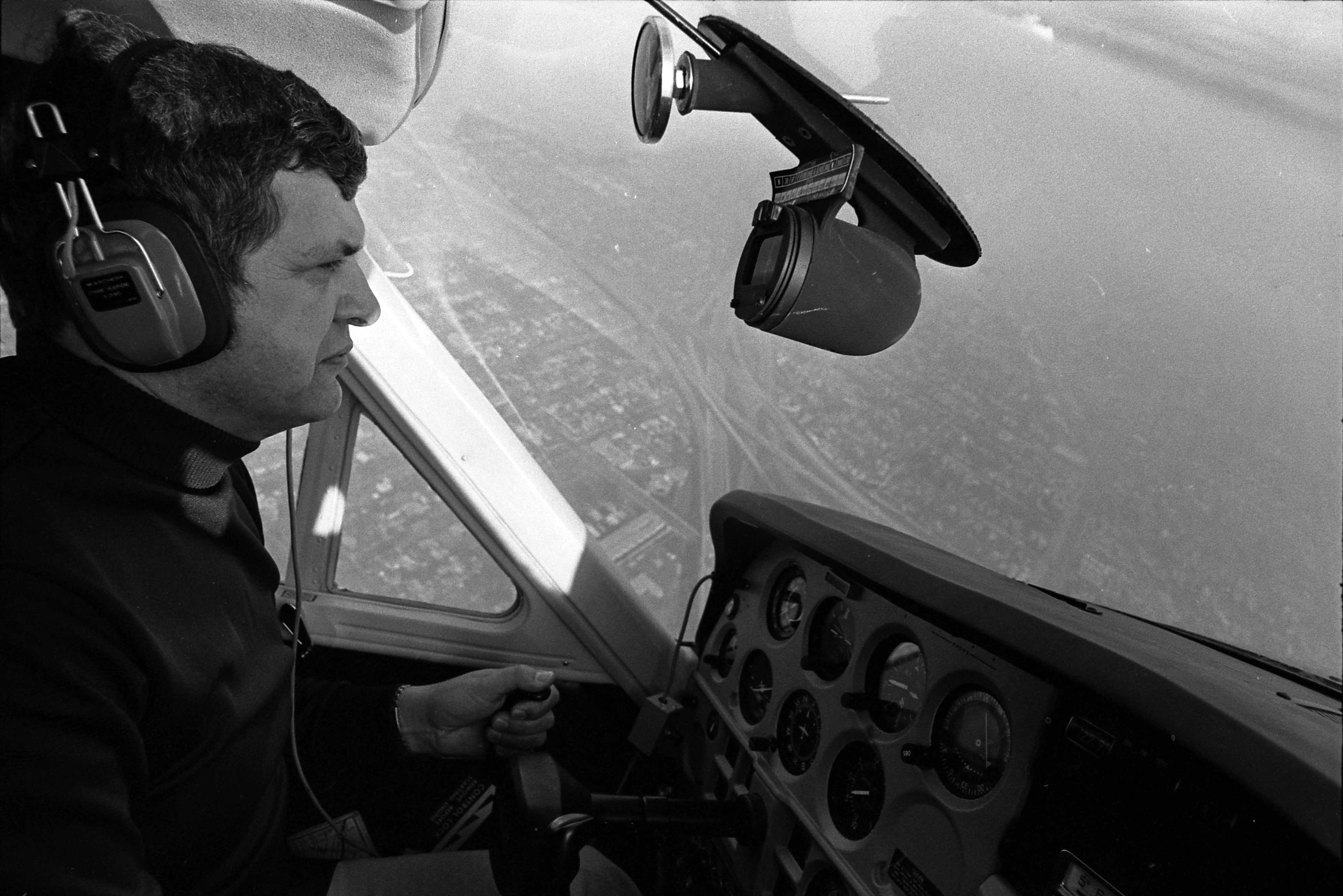
It was 08.15 on 10 February 1962; a cold and dismal morning in East Berlin. Several cars halted at the eastern end of the Glienicke Bridge. Dressed in a heavy overcoat and a Russian-style fur hat; clutching a small case and a rolled-up rug, an American, Francis Gary Powers, stepped out of one of the cars. A Soviet colonel escorting him from the Vladimirsky prison, got out, shook his hand and they walked towards the bridge. It was closed to traffic that morning so that an unusual ritual of spy-exchange could be enacted. In the distance, Powers saw people approaching from the other side. Both groups stopped ten yards from a white line marking the mid-point of the bridge. Then Powers and two men walked forward to the line and two men from the other group stepped forward to meet them. Francis Powers – known to the world as ‘the U-2 spy pilot’ – tasted freedom for the first time in nearly two years. At first vilified in the USA for not ‘going down with his aeroplane’ and then for ‘not swallowing his lethal pill,’ Powers’ conduct was eventually exonerated by the US Government but his days as a jet pilot were over. Instead of ‘spy-in-the-sky,’ he made a new career with radio station KGIL, first as an ‘eye-in-the-sky,’ flying traffic monitoring sorties, then covering hot news stories for TV stations, piloting ‘Telecopters’: helicopters equipped with newly-invented, motion-stabilised TV cameras. It was in one of these latter that on 1 August 1977, due to a maintenance error and a faulty petrol gauge, his helicopter ran out of fuel and crashed, killing him and his camera-operator.
These are just a few examples of the wide-ranging contents of this new book. Mysteries and myths have grown up around many of the twenty-three incidents and while some of these can be debunked, others will pose unanswered questions. Running through all these stories, however, are two strands: great lives lived to the full and great lives lost prematurely. All, though, will demonstrate that Fame and Fortune alone are no protection from Fate.