Five of the Faces of Anne Boleyn
Women’s History Month guest post from Helene Harrison.
1. Anne as Mistress
It is often said that Anne Boleyn’s story was one of rags to riches, but this isn’t the case. On her father’s side she was descended from the earls of Ormond, and on her mother’s side from the dukes of Norfolk. She may not have been on equal footing with Katherine of Aragon, whom she replaced on the throne, but she certainly was not from a poor family!
Anne Boleyn is often described as Henry VIII’s mistress, but there is actually no evidence of them sleeping together prior to November 1532. Anne was more like Henry VIII’s emotional mistress rather than in the physical sense. The pair were described as often being together and being merry in the years between 1528 when we can be sure they committed to each other, and 1533 when they married. Henry VIII was worried when Anne caught the dreaded sweating sickness in summer 1528, worried that she might die, and sent his own second physician to treat her, claiming that he would bear half her illness to make her well – an incredible offer from a king so terrified of illness that he fled his palace as soon as someone fell ill.
2. Anne as Queen and Mother
When Henry VIII and Anne Boleyn married in January 1533, though they may have had an earlier wedding ceremony a couple of months earlier in November 1532, there was an expectation on Anne to produce a son and heir. She produced a daughter, Elizabeth, in September 1533, named for both of her grandmothers, Elizabeth of York and Elizabeth Boleyn. She would go on to become someone considered one of England’s greatest ever monarchs – Elizabeth I. Elizabeth is often also thought to be Anne’s greatest legacy.
But prior to Elizabeth’s birth, Anne was crown queen in Westminster Abbey. There was something unusual about her coronation compared to other consorts both before and since – Anne was crowned with St Edward’s Crown. This is usually reserved for the reigning monarch alone. It was almost as if Henry VIII was crowning the child that Anne was carrying (she was around six months pregnant at her coronation) in expectation that it would be a son and heir.
3. Anne as Traitor
Anne Boleyn is probably best-known for being the first of Henry VIII’s wives to be executed – the other would be her cousin Katheryn Howard six years later. Anne was accused of adultery, incest, and treason. She was never accused of witchcraft, as many people like to assert. You can see this in the surviving indictment from her trial. The five men accused with her and executed were her brother, George Boleyn, Henry Norris, William Brereton, Francis Weston, and Mark Smeaton.
There were two other men who were arrested in May 1536 but were never tried and were eventually released – Richard Page and Thomas Wyatt. Page’s name may not mean anything to a lot of people, but Wyatt was once said to have been romantically linked to Anne, and some of his surviving poems allude to his feelings for her, as well as the tragic events of her downfall.
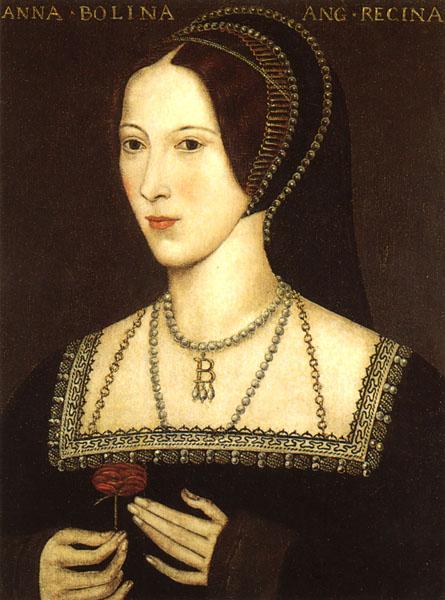
4. Anne as Reformer
Anne Boleyn’s religion has caused much controversy over the years and continues to do so today. She has been described as a Protestant but that would likely not have been a term that Anne would have recognised, since it didn’t come into widespread use for several years. Anne would likely have described herself as a reformer first and foremost.She appeared to want to reform the Catholic Church from within and it was the desperation of her king and herself to marry that led to the Break with Rome. Had Cardinal Wolsey managed to achieve the annulment for the marriage of Henry VIII to Katherine of Aragon, Henry wouldn’t have needed to break with Rome to marry Anne.
Anne was responsible, it seems, for introducing William Tyndale’s work to Henry VIII which said that the king was in charge of both temporal and spiritual life in his ow country, which may suggest that she was becoming more radical, and who knows how her religious beliefs may have developed had she lived longer!
5. Anne as Tragic Heroine
Queen Victoria seemed to develop quite the interest in Anne Boleyn, stemming from a visit before she became queen to Hever Castle, Anne’s childhood home, which she wrote about in her diary. It is under the Victorians that we see a resurgence of interest in Anne, which had faded by the end of the Stuart period and through the Georgians.
It was under the Victorians that major excavations at the Chapel of St Peter ad Vincula in the Tower of London took place. This is when the memorial stones to those buried there were placed which we still have today. However, it is unlikely that any of those stones actually sit above the remains of the people they say they do, since no one could seem to agree who was buried where, and the bones have been disturbed so many times since that it is suggested they may be scattered all over the chapel!
So Why Anne Boleyn?
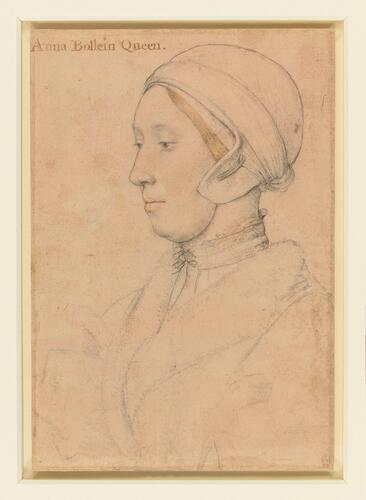
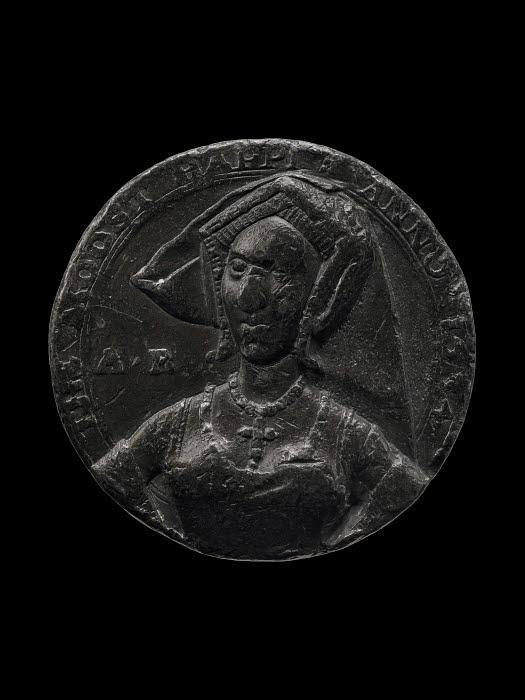
Everyone has their own reasons why Anne Boleyn fascinates them – her downfall was incredibly dramatic, we don’t know for sure what she looked like, and we don’t even know when she was born. But whatever your interest, she has a lot of facets to examine and I for one can’t imagine ever becoming bored with researching this fascinating woman and enigmatic queen!
You can check out my website or my Substack.
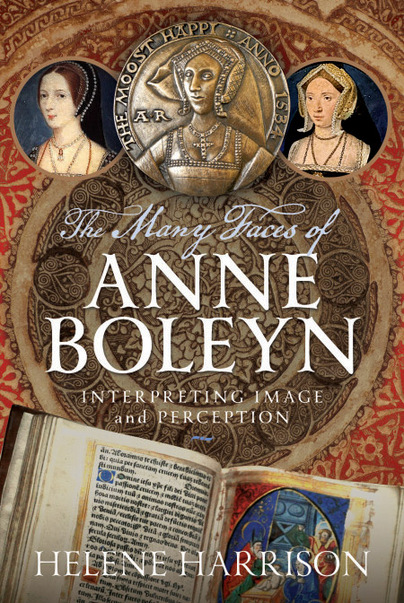
You can buy ‘The Many Faces of Anne Boleyn’ here.
Check out all of my books here.