Jack The Ripper? Edward Buckley: East End Thug and Gang Member
Author guest post from Jonathan Tye.
Many of you might be familiar with the story of the murder of Mary Ann or Polly Nichols in the early hours of Friday August 31st1888. Polly Nichols is most commonly considered the first murder of the notorious Jack the Ripper. Many books on the subject open with her murder in the shadowy backstreet of Bucks Row. Yet on the morning of her death, she was considered to be the third possible victim after Emma Elizabeth Smith at the beginning of April, and Martha Tabram on the August Bank Holiday. Furthermore, that infamous name for the killer had yet to be coined but it was the murder of Polly that suddenly gripped the public and press imagination as it has done ever since and returned Inspector Abberline of Scotland Yard to Whitechapel.
The traditional depiction in film and books is of Polly being an experienced, cockney street walker often immortalised in her final alleged words to the lodging house deputy who refused her a bed because she didn’t have the money required; ‘ I’ll soon get my doss money ’ she is said to have laughed and ‘ See what a jolly bonnet I’ve got now’ . Polly then mysteriously heads off into the silent, foggy Whitechapel Road and to her death. Yet there is perhaps, a different reality to those final hours, there is a different Polly, a different Whitechapel.
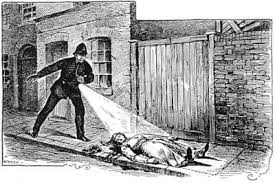
Far from being an experienced Whitechapel ‘prostitute’ Polly Nichols was a desperate unfortunate who had only been living if one could describe it as that, in the area since the beginning of August. As such she was ill equipped to face the dangers of Whitechapel in those early hours, Jack the Ripper regardless. Maybe, just maybe if she had have been more experienced her fate may have been different. Polly was last seen by Emily Holland on the corner of Osborne Street and the Whitechapel Road at 2:30 am that morning. Holland knew the time because of the striking of the clock; Polly was drunk but still determined to somehow earn her doss money despite Hollands protestations that she should return with her to a lodging house at 18 Thrawl Street. The corner of Osborne Street, it was here in this very street that another unfortunate Emma Elizabeth Smith just a few months before was brutally attacked and outraged by three men. Three men because unlike Polly, Emma survived long enough to describe her harrowing ordeal. Yet this geographic connection, and the sexual nature of the attack seems to have been disregarded by Abberline as was another murder, this time just weeks before. Just a road away from Osborn Street in George Yard to the west , Martha Tabram was found dead in George Yard with 39 stab wounds and posed just like the latter Whitechapel Murders to suggest sexual intimacy. However, on that occasion a woman came forward, with not one witness to corroborate her story to say that she had spent the last hours with Martha Tabram before leaving her at the corner of George yard with a soldier. The witness known to history as ‘Pearly Poll’ in her intervention in the investigation of Tabrams murder is perhaps one of the Keys to understanding the true nature of the Whitechapel murders . It is another reason why, Inspector Abberline in his assessment of Pollys murder dismissed a key connection.
A victim disregarded, another victim put down to a soldier but what was the reality of Whitechapel in 1888? What was the grim truth of the area Polly Nichols was heading to along the Whitechapel Road. It would appear that the witnesses that late August morning knew and understood. Polly Nichols murdered and mutilated body was first found by a carman named Charles Cross who was joined soon after by another carman named Robert Paul. Paul was weary of the street because there were ‘Such fearful gangs about’. The first policeman on the scene constable Neil , knew that the escape of any killer would not be difficult because the Whitechapel Road was far from empty and silent at that hour . A different reality. The location of Polly Nichols murder was in a place just opposite an area notorious for unfortunates and the bullies and gangs who preyed off the traffic on the Whitechapel Road – the area just outside the Hospital and opposite Whitechapel Station behind which Bucks Row ran. From here up to the corner of Sidney Street, men and women were harassed and robbed of their watches or more. Many of the unfortunates who walked these streets had once been able to accompany the men they picked up to the relative safety of the nearby brothels of Lady Lakes Grove and ‘Jacks Hole’ but now due to the benevolent actions of Frederick Charrington these places had been cleared and closed leaving the women at the mercy of not only the gangs and bullies but of the dangers of the yards and courts to which they were forced to take the men they picked up. It was in the yards and courts of the area that all the Whitechapel Murder victims were slain.
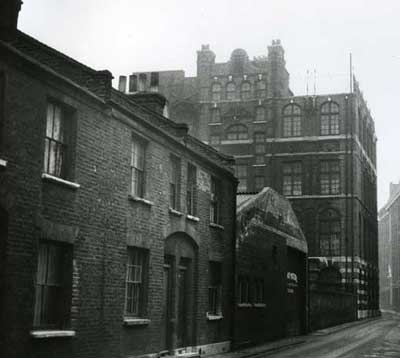
This is the true reality of the Whitechapel Murders of 1888, it is a story of desperate poverty and hunger and of the violence of the bullies, gangs and street women of the area. To learn about the real Whitechapel of 1888 read Jack The Ripper? Edward Buckley: East End Thug and Gang Member.
Jonathan Tye December 2025.
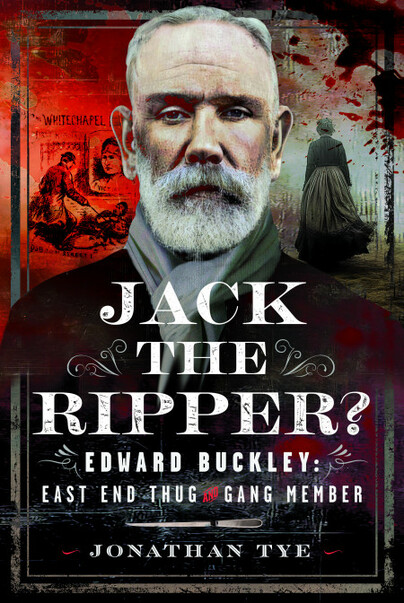
Order your copy here.