What Makes an Army Regiment “The Most Decorated”?
Author guest post from Matthew A. Holden.
The Gloucestershire Regiment is often described as the most decorated infantry regiment in the history of the British Army. It is an impressive claim but one that raises an immediate question: what does “most decorated” actually mean?
Battle Honours began as a means of recognising the achievements and legacy of military units in battles, wars, and campaigns. Awarded to formations of battalion strength or larger, they represent not simply victory, but endurance, sacrifice, and identity.
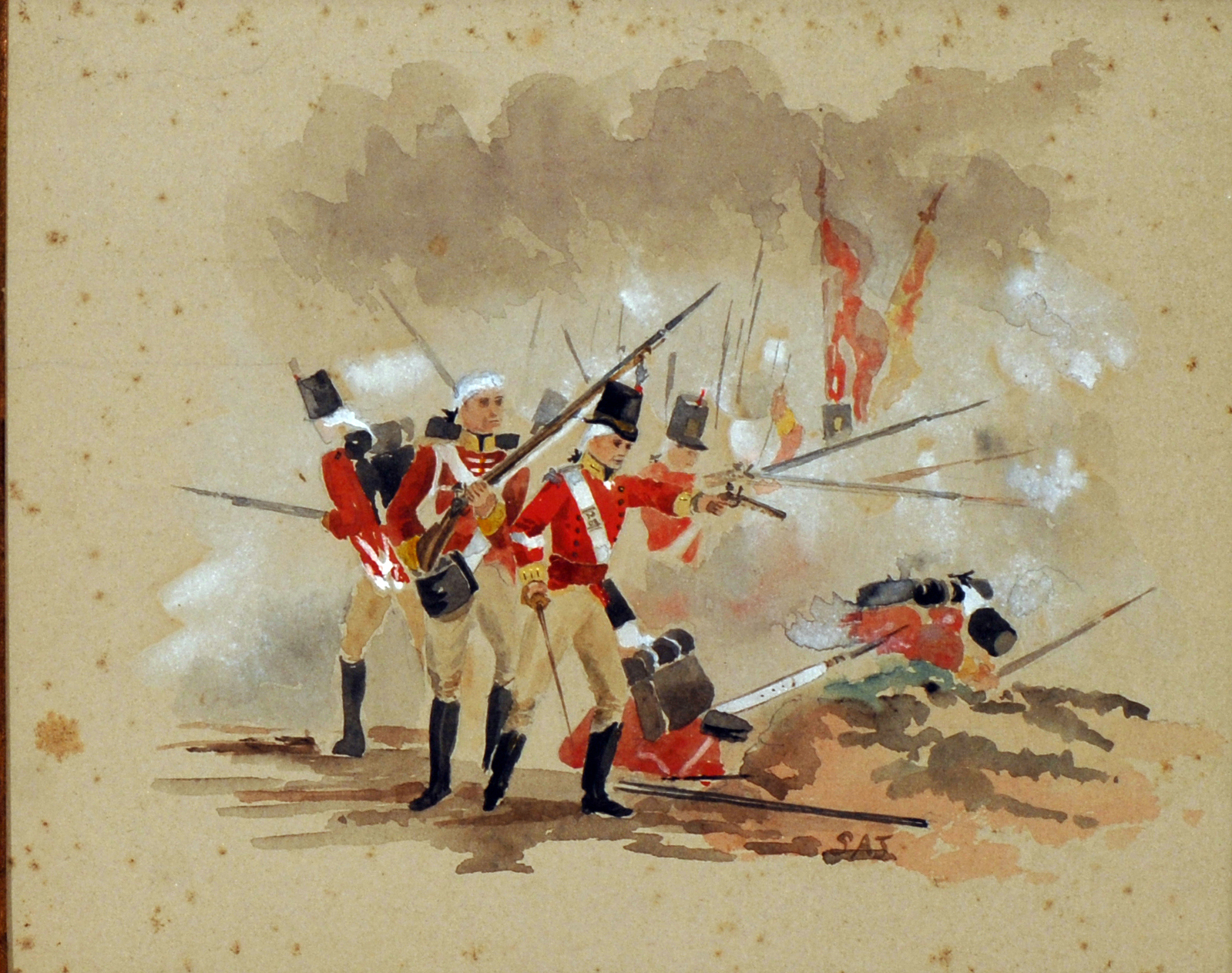
Although the concept dates back to the late seventeenth century, the modern system of recognition emerged in the aftermath of the Siege of Gibraltar in 1779. From that point onwards, infantry regiments were entitled to display the names of their honours, set within scrolls, upon their King’s or Queen’s Colours.
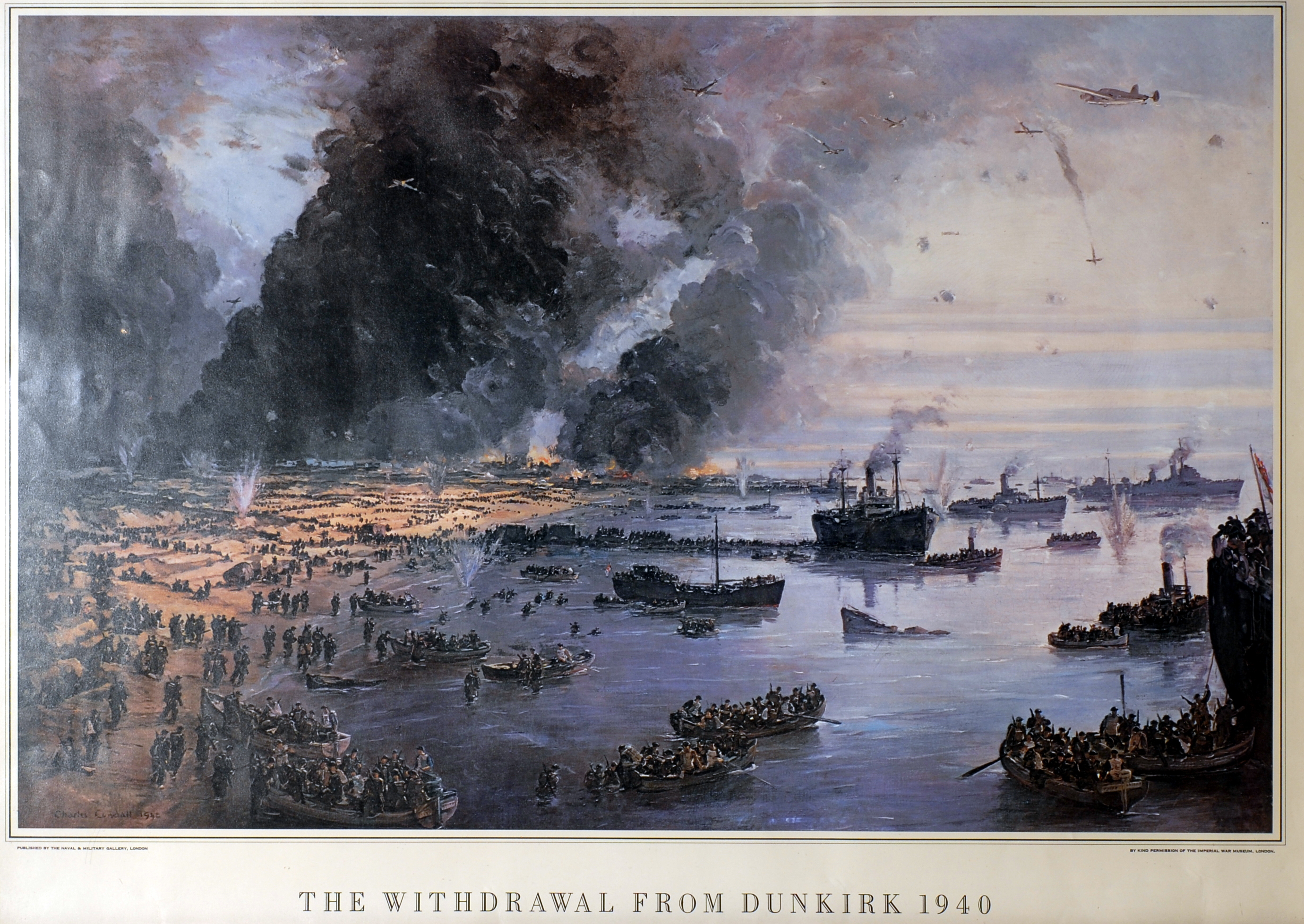
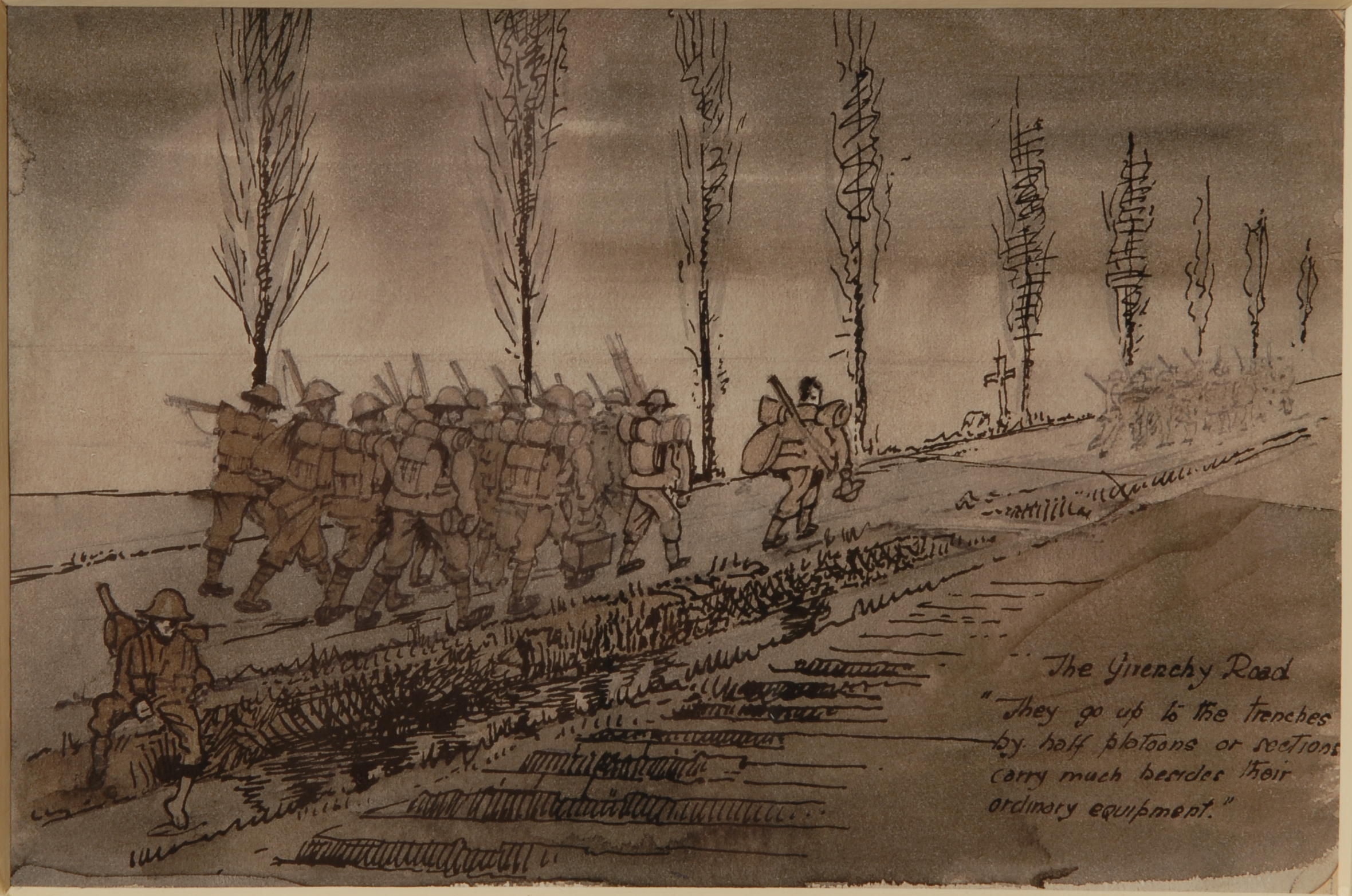
For over a century, every honour awarded could be carried. By the end of the Boer War, the Gloucestershire Regiment bore thirty-four such distinctions. Yet the industrial scale of the First World War fundamentally altered this system. With entire armies engaged across multiple theatres, the number of qualifying actions expanded dramatically. The Gloucestershire Regiment alone participated in over eighty recognised battles and campaigns during that conflict.
Quite simply, there was no longer space to display them all.
The solution, highly controversial at the time, was to impose limits. After the First World War, regiments were permitted to display only a select number of honours on their Colours, typically no more than ten. This restriction was repeated after the Second World War, and again following the Korean War, where even fewer honours could be displayed despite additional actions being recognised.
This creates an important distinction: the number of honours awarded and the number displayed are not the same. The Colours, therefore, represent only a curated version of a regiment’s full history.
Who, then, is “the most decorated”?
It is a deceptively simple question.
Some of the British Army’s largest corps, most notably the Royal Artillery and the Royal Engineers, might appear to have an even greater claim. Both share the unique battle honour Ubique (“Everywhere”), a recognition of their constant presence across campaigns rather than participation in specific named engagements.
However, these corps do not carry Colours in the same way as infantry regiments, nor do they display long lists of individual battle honours. Their distinction is of a different kind, no less significant, but not directly comparable.
Similarly, modern formations such as The Rifles now possess an extensive roll of honours inherited through the amalgamation of many historic regiments. In such cases, the total reflects organisational lineage rather than the continuous service record of a single regiment over time.
To understand what “most decorated” truly means, we must therefore look more closely at how those honours were earned.
The Gloucestershire Regiment’s distinction
Across its three-hundred-year history, the Gloucestershire Regiment was awarded a total of 141 battle honours, of which sixty-one were selected for display on its Colours.
What makes this remarkable is not simply the number, but the manner in which they were accumulated. While the regiment itself was formed through the amalgamation of the 28th (North Gloucestershire) and 61st (South Gloucestershire) Regiments of Foot, its distinction does not rest on inherited totals or symbolic honours, but on the sustained accumulation of battle honours across generations of service, in campaigns that span the globe.
From Ramillies and Quebec in the eighteenth century, through the Napoleonic Wars, the Crimea, and the South African War, to the vast industrial conflicts of the twentieth century and the bitter fighting along the Imjin River in Korea, the regiment’s record reflects both continuity and adaptability.
Yet battle honours, impressive as they are, can also obscure as much as they reveal.
Beyond the scrolls: the problem of scale
A list of honours, however long, risks reducing complex campaigns into a series of names. “Ypres 1917”, for example, encompasses multiple distinct battles fought over several months. Likewise, “Somme” represents not a single action, but a prolonged and evolving campaign.
A single honour such as “Somme” might encompass multiple engagements across many months, each involving different battalions of the same regiment under entirely different conditions. One battalion might be engaged in the opening battles of July 1916, another in the attritional fighting of August, and yet another in the closing stages of November. The shared title masks fundamentally different experiences.
Even within a single regiment, different battalions might be engaged simultaneously in entirely separate theatres. One could be fighting on the Western Front, while another operates in the Middle East or the Balkans. The honour, however, appears as a single line.
The human story behind the honours
Ultimately, battle honours are not simply institutional markers. They represent the cumulative experiences of individuals.
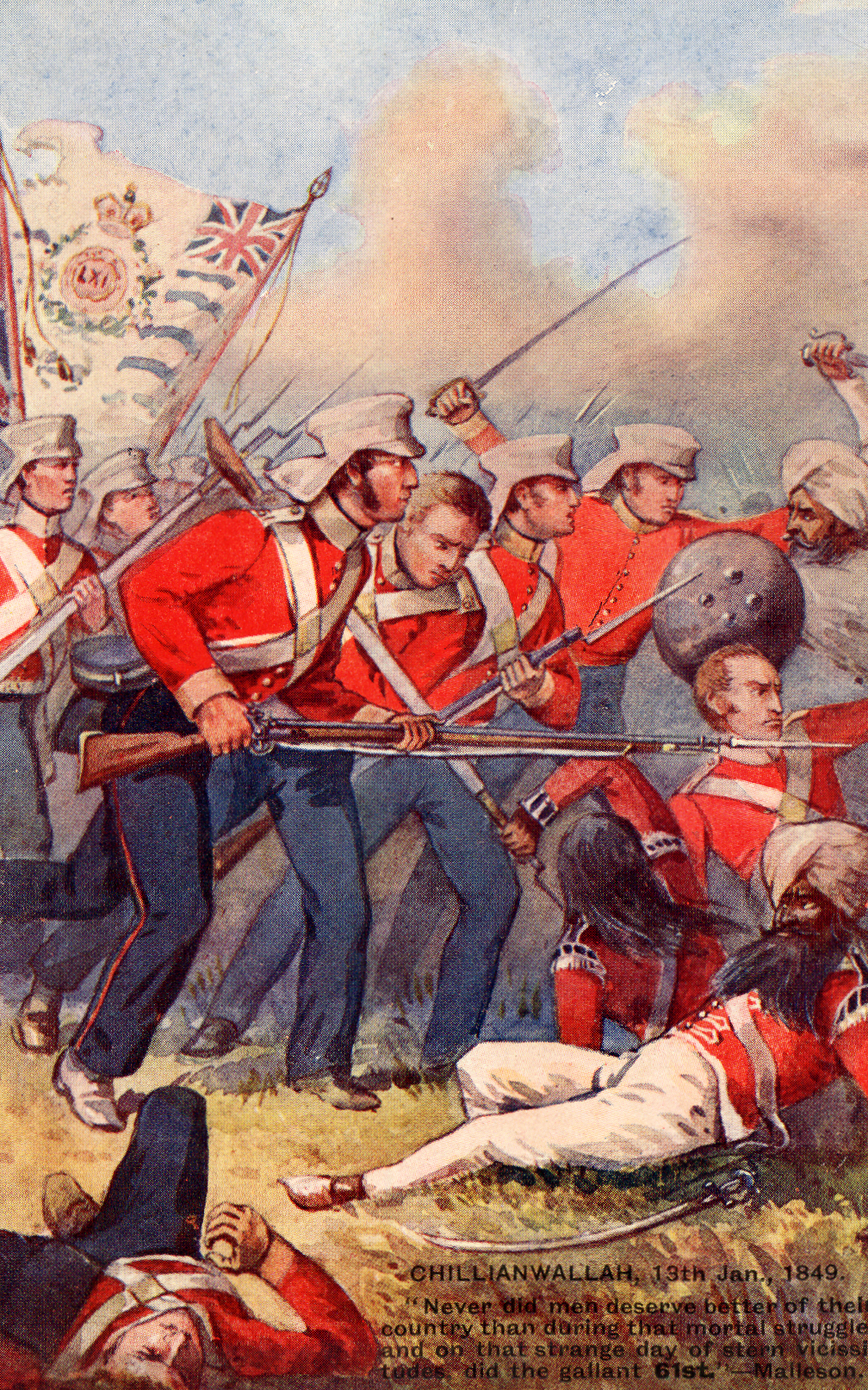
The storming of positions at Toulouse, acts of endurance in the Crimea, the chaos of the Western Front, and the desperate defensive stand along the Imjin River, these are not abstract achievements, but events shaped by the actions of soldiers whose stories are often only partially preserved.
It is this human dimension that gives meaning to the honours themselves. Without it, they risk becoming little more than an impressive list.
Conclusion
To describe a regiment as “the most decorated” is therefore to say more than it has accumulated the greatest number of battle honours. It is to recognise a sustained record of service across centuries, environments, and forms of warfare. One that reflects both institutional continuity and individual experience.
The Gloucestershire Regiment’s distinction lies not only in the scale of its honours but in the depth of history behind them.
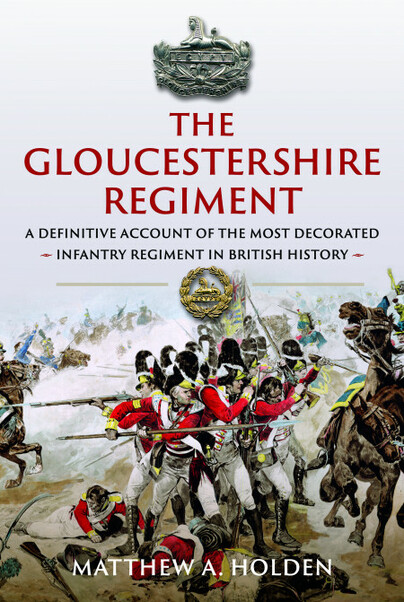
These honours, and the stories that underpin them, form the foundation of The Gloucestershire Regiment: A Definitive Account of the Most Decorated Infantry Regiment in British History. It is a study that seeks to explore not just where the regiment fought, but what those engagements meant for the men who served within it.
Order your copy here.