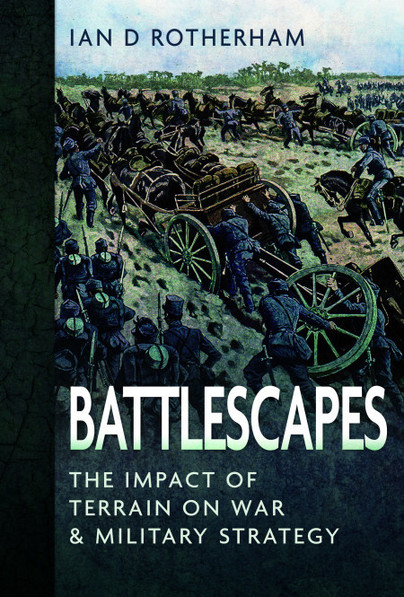
Battlescapes – The Impact of Terrain on War and Military Strategy
Author guest post from Professor Ian D. Rotherham.
Landscapes of offence and of resistance
Many conflicts from individual battles to campaigns and wars, have been won or lost because of landscape. Countryside may prove a vehicle for assault or a place of refuge and resistance, and detailed, local knowledge of terrain can prove critical to the outcome. In particular, the personal perception, knowledge, and understanding of a military leader from a guerrilla fighter to the general leading a column into battle, can be vital to success or else a cause of failure. These are matters considered in detail in the book ‘Battlescapes’ in which landscapes and terrain are considered in terms of their impacts and influences on strategy, on deployment of resources, and on the outcomes of conflicts. Indeed, history is littered with examples of how carefully-planned military campaigns such as say the Roman legions advancing into Scotland to do battle with Pictish tribes, but they failed abysmally. The reason for failure in this case was that the Roman strategy honed over long campaigns, and which had developed the most advanced fighting machine of its time, simply could not be deployed effectively. In a fontal battle the Picts were annihilated but as it turned out, this was merely a way of testing Roman strength and intentions. The Picts, like the Seminole Indians in the 1800s or the Vietcong in the 1900s, simply melted away into the vast forests and mountains. Usually, the Romans would defeat the enemy in battle, occupy, takeover, and fortify the towns or settlements, and then ‘Romanise’ the region captured. However, the Picts had no major, permanent settlements and simply moved throughout their terrain and could wage guerilla war on the Romans with impunity. They never offered frontal battle again as their ploy had told them all they needed.
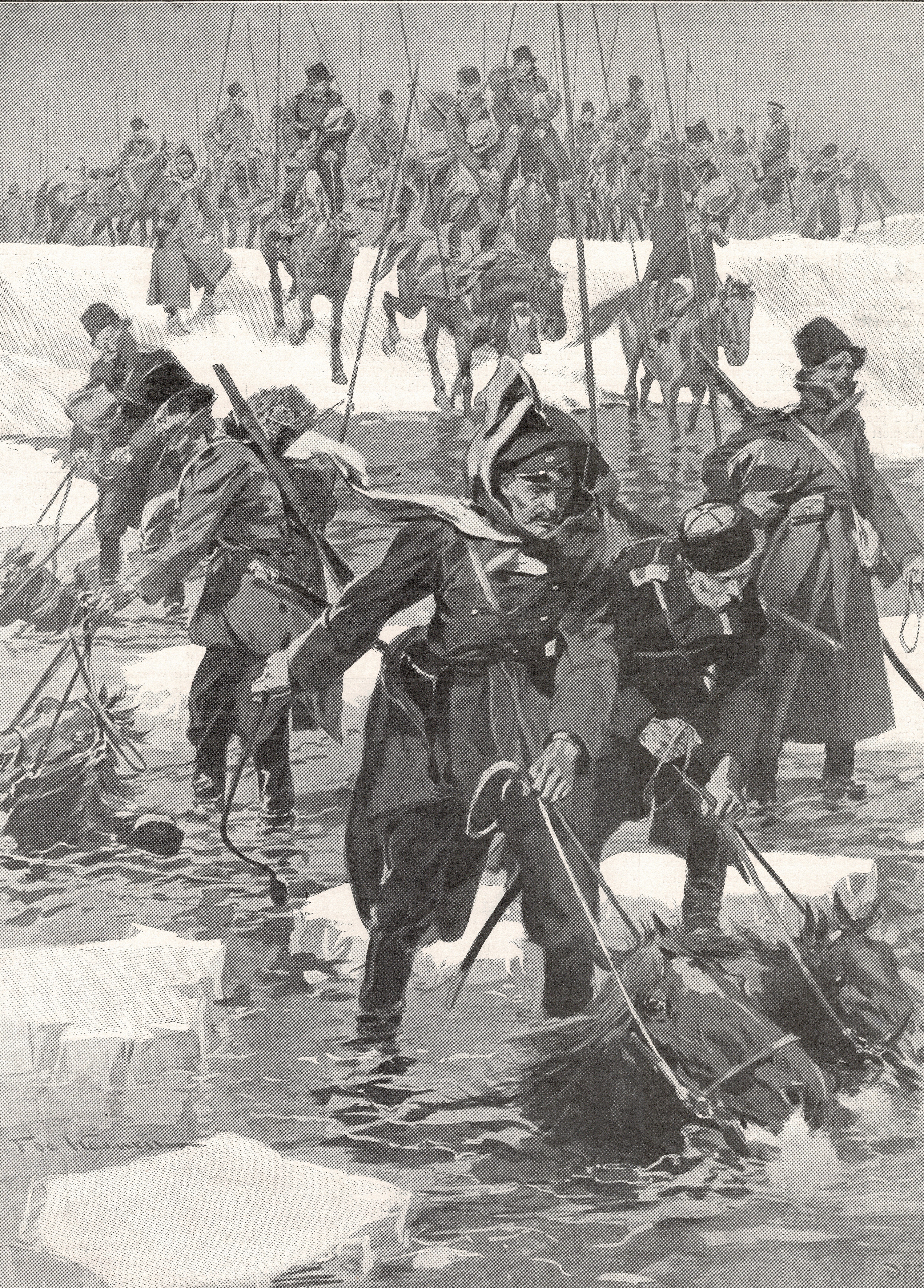
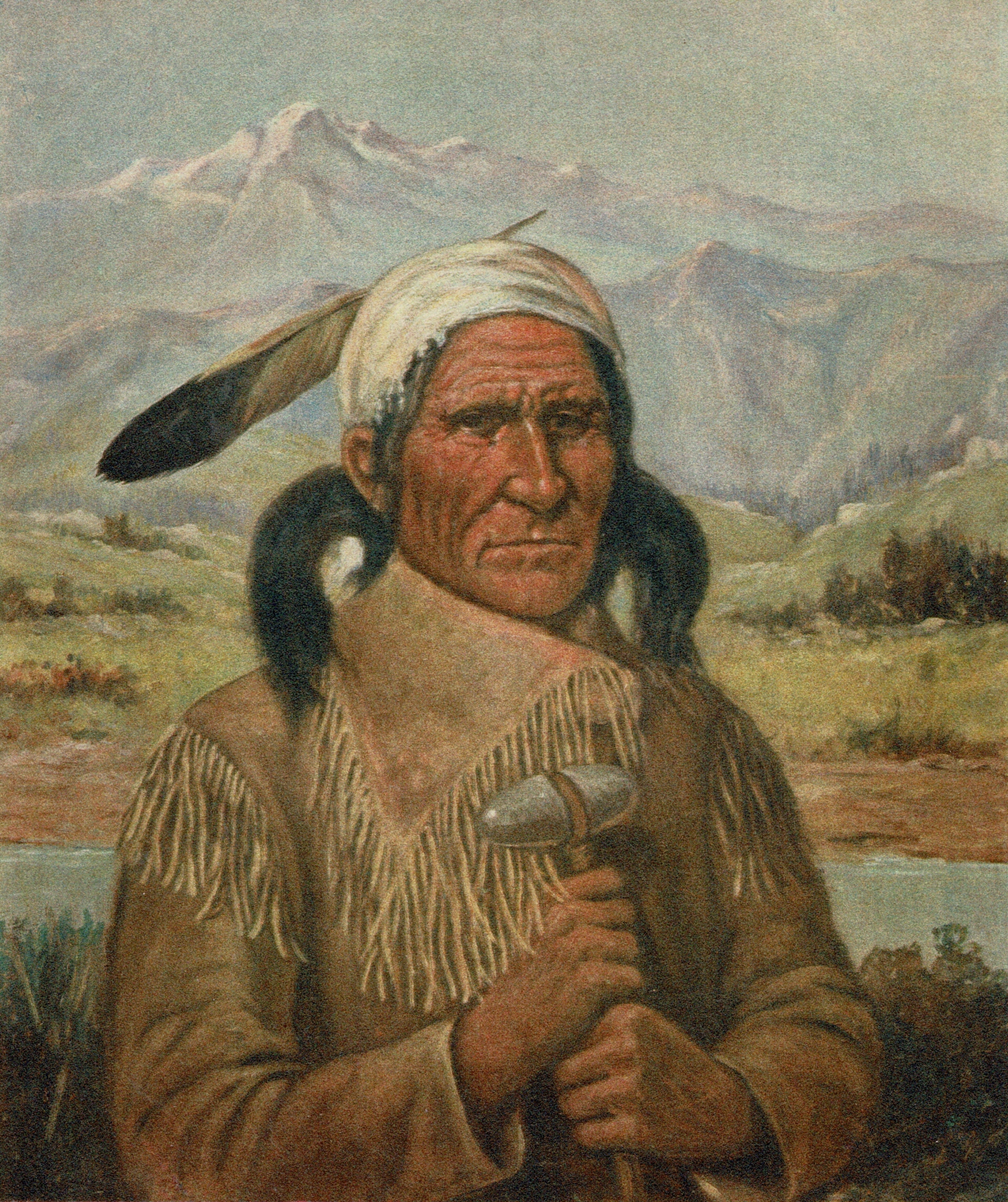
As described in the ‘Battlescapes’ book, landscapes of resistance include vast forested regions, extensive and expansive wetlands, fens, and bogs, deserts and plains, and of course significant hill-country and mountains. It is very clear from a simple review of history, that indigenous communities under threat from outside forces can wage war and resistance against superior oppressors for decades if not for centuries. Regional histories such as of conflicts with Parthians and the Afghans in their high, arid mountains and remote valleys, give plenty of evidence of this. In North America, the resistance of the mountain-dwelling native Americans such as Geronimo can be contrasted with fates of the once far more numerous but more accessible Plains Indians. How countryside, landscape, and terrain provide sanctuary in times of war, is a theme explored throughout the book.
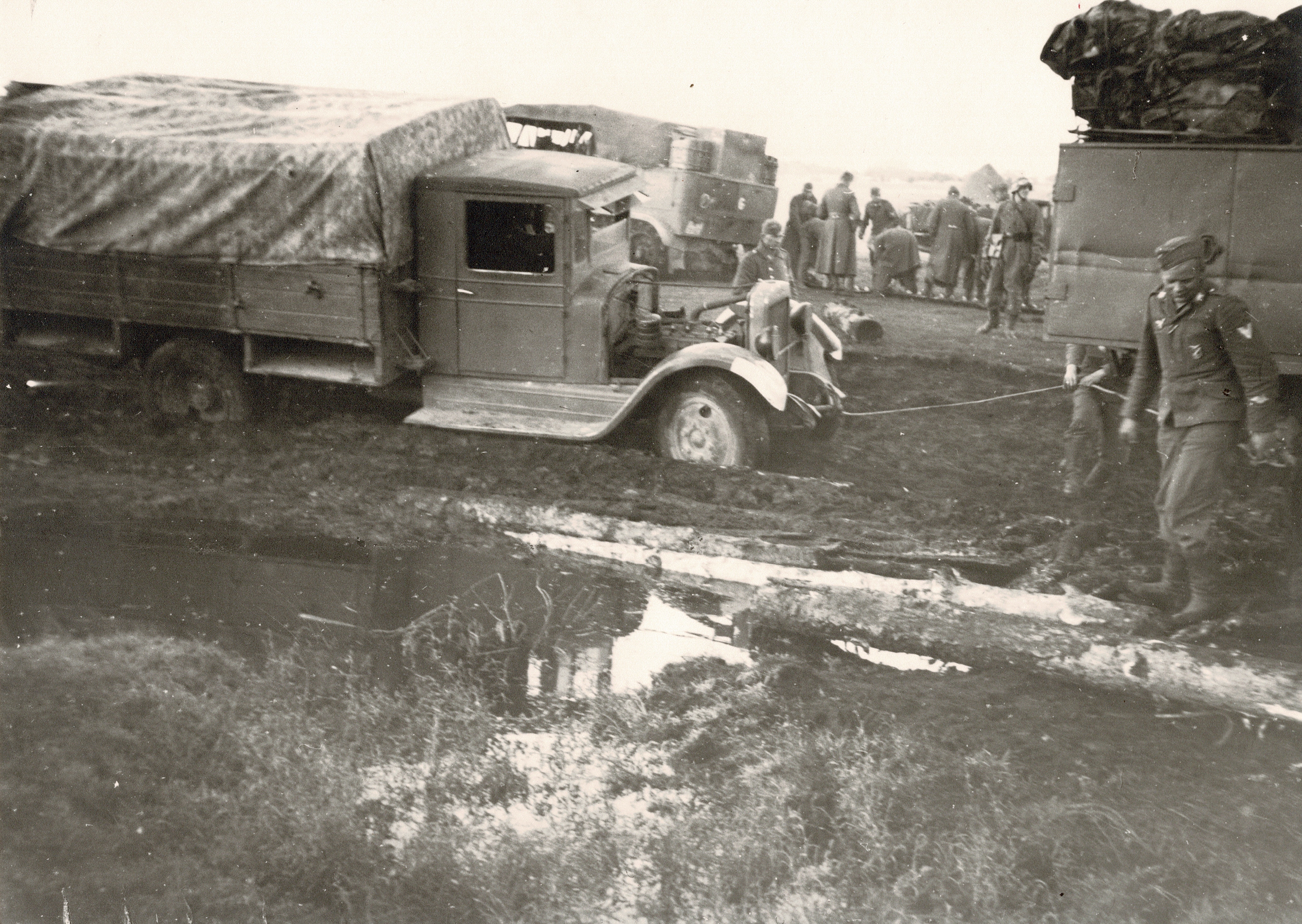
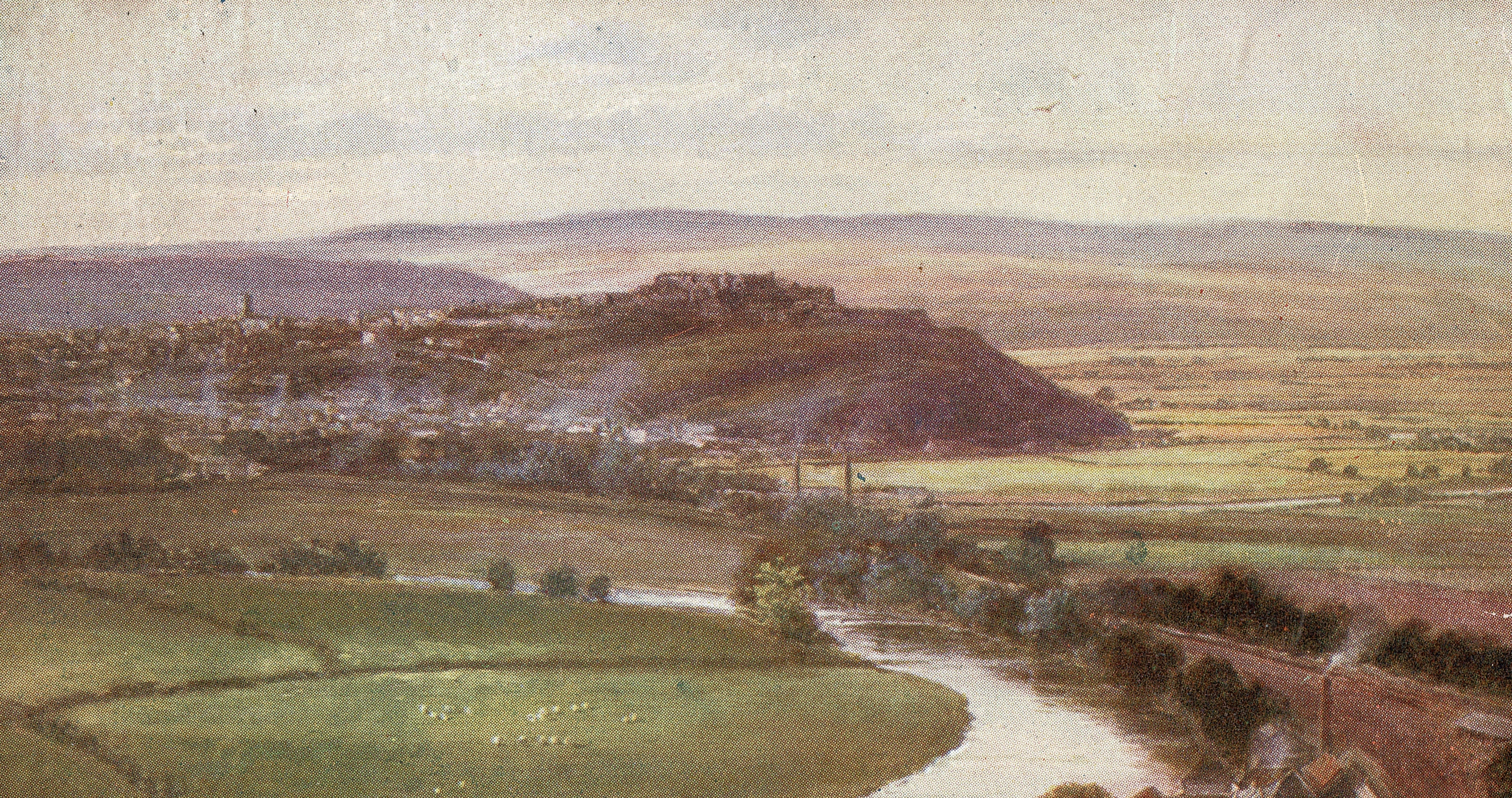
Order your copy here.
Ian D. Rotherham is Emeritus Professor at the Advanced Wellbeing Research Centre, Sheffield Hallam University, Sheffield. He is the author and editor of well over fifty books, both academic and popular, and has published over 500 refereed papers and more than a thousand popular articles. He works widely with popular and social media appearing on mainstream TV and Radio locally, nationally, and internationally. He can be contacted on [email protected], has a dedicated research website www.ukeconet.org, a blog https://ianswalkonthewildside.wordpress.com/, and both Twitter https://x.com/IanThewildside and Bluesky https://bsky.app/profile/ianthewildside.bsky.social