Five Burgundian Women Who Were Queens or Near Queen
Women’s History Month guest post from Susan Abernethy.
The four Valois Dukes of Burgundy carved out an empire for themselves encompassing the Low Countries, parts of the Holy Roman Empire and northern France, ruling over these principalities, the size of England and Wales, from 1393 to 1477. An integral part of their strategy would be the marriages of their daughters, nieces, and granddaughters into various dynasties that surrounded their territories. Inevitably, this strategy would culminate in several of these women becoming queens or near-queens.
Margaret of Nevers, Dauphine of France, Duchess of Guyenne and Countess of Richmond
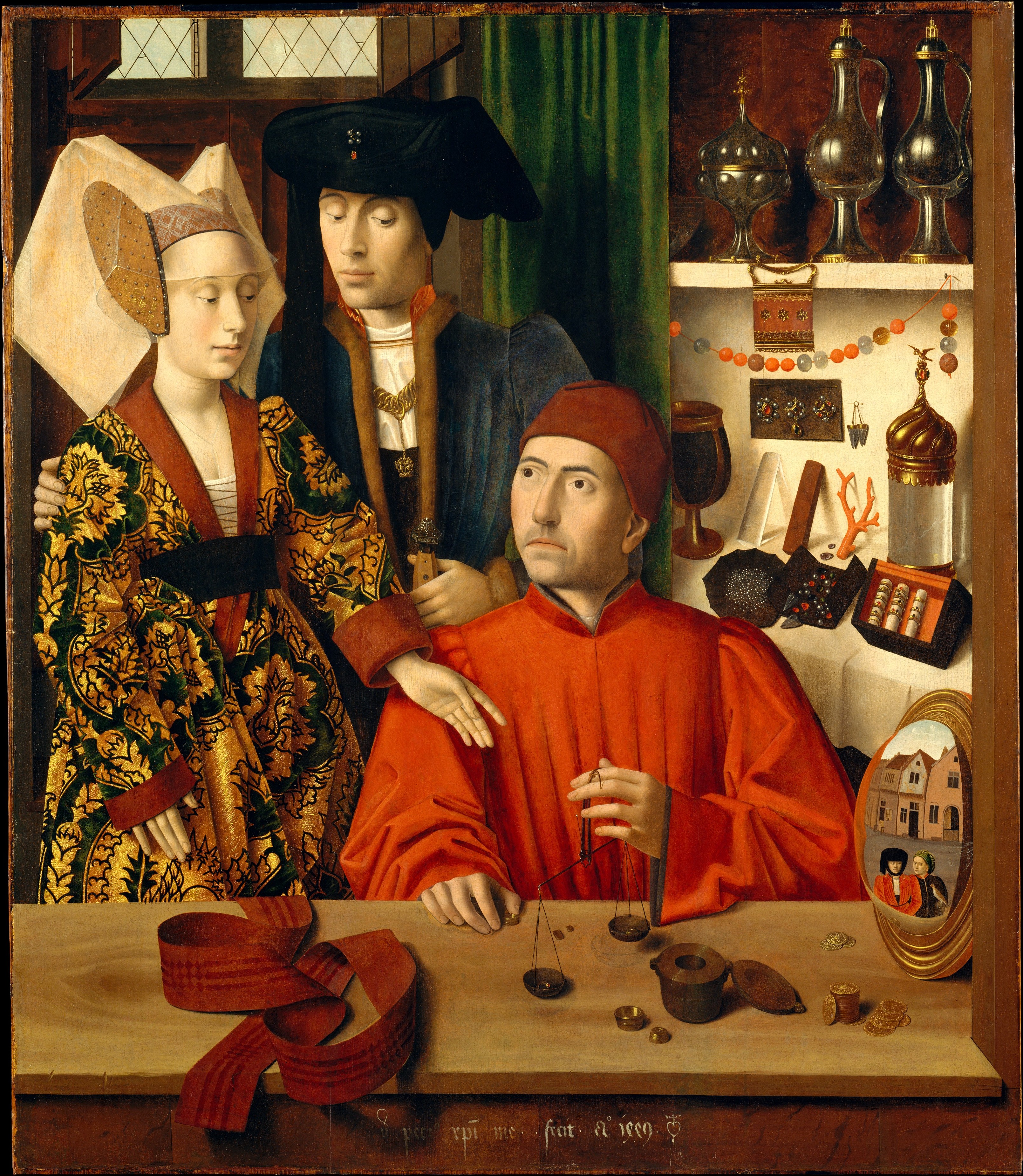
Philip the Bold, the first Valois Duke of Burgundy, harbored a grand ambition to marry one of his daughters or granddaughters into the Valois royal house of France. Philip’s son, John the Fearless, had six daughters. The chroniclers were not very complimentary about the appearance of Margaret and her sisters. Whether this was for political reasons or the girls did not meet the standards of beauty for the time is not clear.
John’s eldest daughter, Margaret, was engaged to the Dauphin of France when she was three years old, but he soon died. Her grandfather then arranged for her to marry the new Dauphin, Louis. They celebrated the wedding in August 1404, and Margaret went to live at the French court until she became of age to consummate the marriage. Civil war raged in France between the cousins of the House of Burgundy and the House of Orleans, who were known as the Armagnacs. This strife would have an enormous impact on the life of Margaret.
Once Margaret’s father became Duke of Burgundy, the conflict intensified, putting her relationship with her husband at risk. Following the murder of the Duke of Orleans in 1407, and a revolt in Paris in 1413, Louis banished Margaret from court, dashing her hopes of becoming queen. She returned to her family in Burgundy and was married off for political reasons to the Count of Richemont, brother of the Duke of Brittany. Although the marriage was childless, she lived a happy life with the Count.
Mary of Guelders–Queen of Scots
A great-niece of Philip the Good, Duke of Burgundy, Mary grew up at the Burgundian court under the guidance of Isabel of Portugal, Duchess of Burgundy, along with other relatives. One of Isabel’s duties would be to find marriages for these women. Although she had never met Joan Beaufort, Queen of Scots (as the wife of James I), the two women almost certainly were in contact through intermediaries. Shortly after Joan died in 1445, discussions arose about a marriage of Joan’s son, James II, with Mary of Guelders.
In 1447, Mary’s father called together his leading subjects to discuss the potential marriage of his daughter and James II. By 1448, James wrote to Charles VII of France, renewing the “Auld Alliance” and asking for advice on a possible bride. Charles suggested James look to the Burgundian court, most likely knowing in advance Mary was the choice.
A contract was finalized in April 1449. Mary departed for Scotland and was married and crowned queen on July 3. She fulfilled the most important duty of giving birth to several sons, and James showered her with gifts and property. In the summer of 1460, James II died when a cannon split apart while firing during the siege of a castle. Mary quickly moved to establish her son, James III, as king, and she received physical custody of the new monarch. She would act as his regent until her death at thirty in December 1463.
Charlotte of Savoy–Queen of France
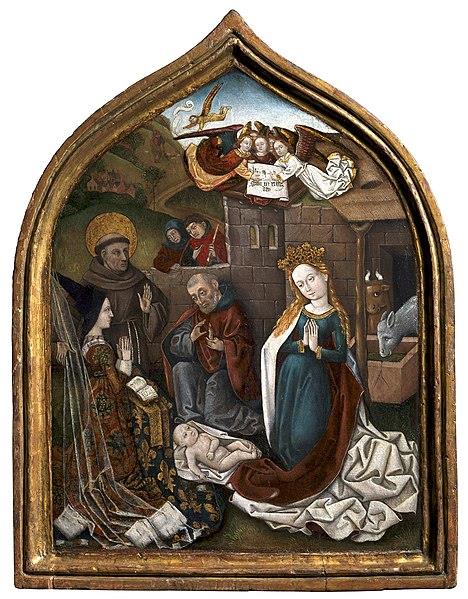
Philip the Bold’s daughter Mary was married to Amadeus, the 8th Duke of Savoy. Her eldest son Louis married Anne of Lusignan, and they had many children. Their daughter Charlotte would come to the attention of the Dauphin of France, Louis, son of King Charles VII (the future King Louis XI). Louis engaged in a feud with his father and went into exile, where he met Charlotte. Louis was twenty-eight and Charlotte was nine.
There was a hasty marriage, as Louis’ father did not approve of the union. Louis waited until Charlotte came of age, and they began to have a family. The surviving children included the future King Charles VIII of France, their eldest daughter Anne de Beaujeu, and a younger daughter Jeanne, who was born with several disabilities. Once Louis became king, he never allowed Charlotte to play any role at his court, in effect keeping her hidden in the castle of Amboise. Charlotte never complained and remained loyal to her husband. She died just a few months after his passing.
Jeanne de Valois–Queen of France
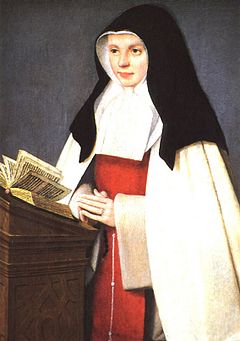
Jeanne de Valois, as mentioned, was born with several disabilities, and her father kept her hidden away from court. She lived with a loyal family who raised her and educated her, giving an in-depth grounding in the Catholic faith. She grew to be very pious. Despite her limitations, her father King Louis XI harbored an ambition to marry her to the next in line to the throne, Louis, Duke of Orleans, the future King Louis XII.
King Louis bullied the duke into marrying Jeanne. This did not make for a happy situation. From the beginning, the Duke of Orléans did everything in his power to have the marriage annulled. When the duke became King Louis XII, he sued the pope for an annulment. He swore the marriage was never consummated, while Jeanne insisted it had been. We will never know the truth, but Louis got his annulment and married Anne of Brittany. Jeanne was paid off with money and lands. She built a convent and ended up dying of illness brought on by the austerities she engaged in. The Catholic Church eventually made her a saint.
Anne de Beaujeu, Duchess of Bourbon and Regent of France
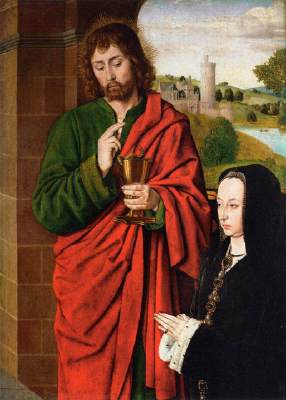
Anne, the daughter of King Louis XI and his queen, Charlotte of Savoy, was married to Pierre de Beaujeu of the Bourbon family. She grew up in her father’s court, learning everything she could about governing France. When her father died, he never gave her the actual title of regent, but she and her husband shared bodily custody of her minor brother, King Charles VIII. The couple would rule France together for the next eight years. Her accomplishments were many and included laying the groundwork for France to annex the Duchy of Brittany.
For more information on these women and many others related to the Valois Dukes of Burgundy, check out The Formidable Women Who Shaped Medieval Europe: Power and Patronage at the Burgundian Court.
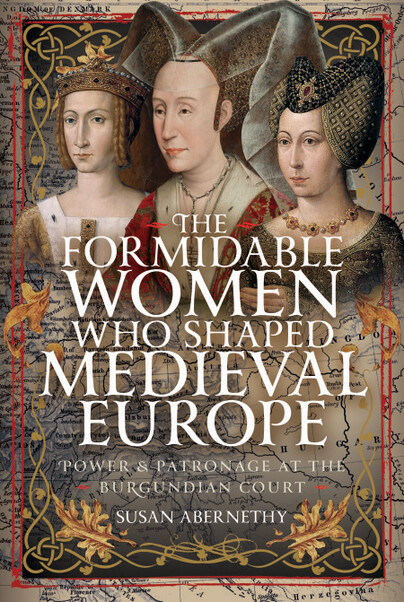
Order your copy here.