London, city of crime and ghosts
Author guest post from Mike Hutton.
For centuries London has acted as a magnet for those from around the world trying to seek their fortune. A few do succeed beyond their wildest dreams, but for most just surviving amongst this swirling tide of humanity is enough. They arrive overcome by the noise and strangeness of it all, but within a decade they have assumed many of the characteristics attributed to Londoners. They walk with a confidence and a swagger, and they can become opinionated and bolshy, showing scant regard for authority. There was an edge to London and a scarcely repressed feeling of danger and violence, whilst offering a never ending menu of temptations. There had never been a shortage of those prepared to explore ‘the dark side of the street’ and London offered a fabulous cast of thugs, footpads, murderers, fraudsters, conmen and sexual deviants. The greedy, cunning, violent and sadistic ones all fit snugly into our cast who perform on the world’s largest stage.
As early as in the reign of King Henry II in the 12th century a template was set. Devout pilgrims heading south to Canterbury were tempted by brothels lining the marshy stretch of the Thames known as Bankside. It did not take long for the Church to recognise the potential revenue, and those ladies that frequented the squalid stews became known as ‘Winchester Geese’ under the control of the Bishop of Winchester. The ferrymen were also making money transporting clients over from the more affluent side of the river.
Today it would probably require a misty November morning in the early hours to imagine the London of the past, but by half closing the eyes you may well find ghosts from the past there to welcome you. Walking down the busy crowded shopping area of Oxford Street today, it is hard to believe that this was once the main route from Newgate to an appointment with the hangman at Tyburn, but the site is now hidden by the traffic jams around Marble Arch. The condemned prisoner sat on the coffin which would soon become his final resting place. The horse drawn cart would have been accompanied by a number of constables who would allow the procession to be halted at every pub and ale house. The journey to Tyburn could take several hours to be received by a baying crowd of thousands eagerly awaiting the executioner. This was London Theatre in its full glory. Top of the bill would have featured an erring aristocrat, and hopefully he would make a defiant speech asserting his innocence. Those showing fear were hooted with derision. The atmosphere was akin to a modern day football match.
Below the scaffold pickpockets went to work tempting providence, as if they were caught they too would soon be keeping an appointment with the hangman. Hawkers shouted out their wares selling food and pints of wine. Special stands were built giving the best view of proceedings. Houses with balconies were where the well-to-do entertained their friends, adding their voices to the din. Frequently the prisoner was so drunk that he needed lifting for the noose to be correctly applied. The hangman’s job was a grisly one and on one occasion the executioner was also drunk and fixed the noose round the neck of the clergyman attending the condemned man, to the howls of delight from the crowd. Next came the ‘Tyburn Jig’ as the horse pulling the cart would be whipped forwards, leaving the prisoner dangling before friends and relatives rushed forward to pull on his legs in the hope of shortening his suffering. The executioner’s perks came from selling the clothes of the deceased, and even the rope used was cut up and sold in short lengths, giving rise to the expression ‘money for old rope’ which is still used today.
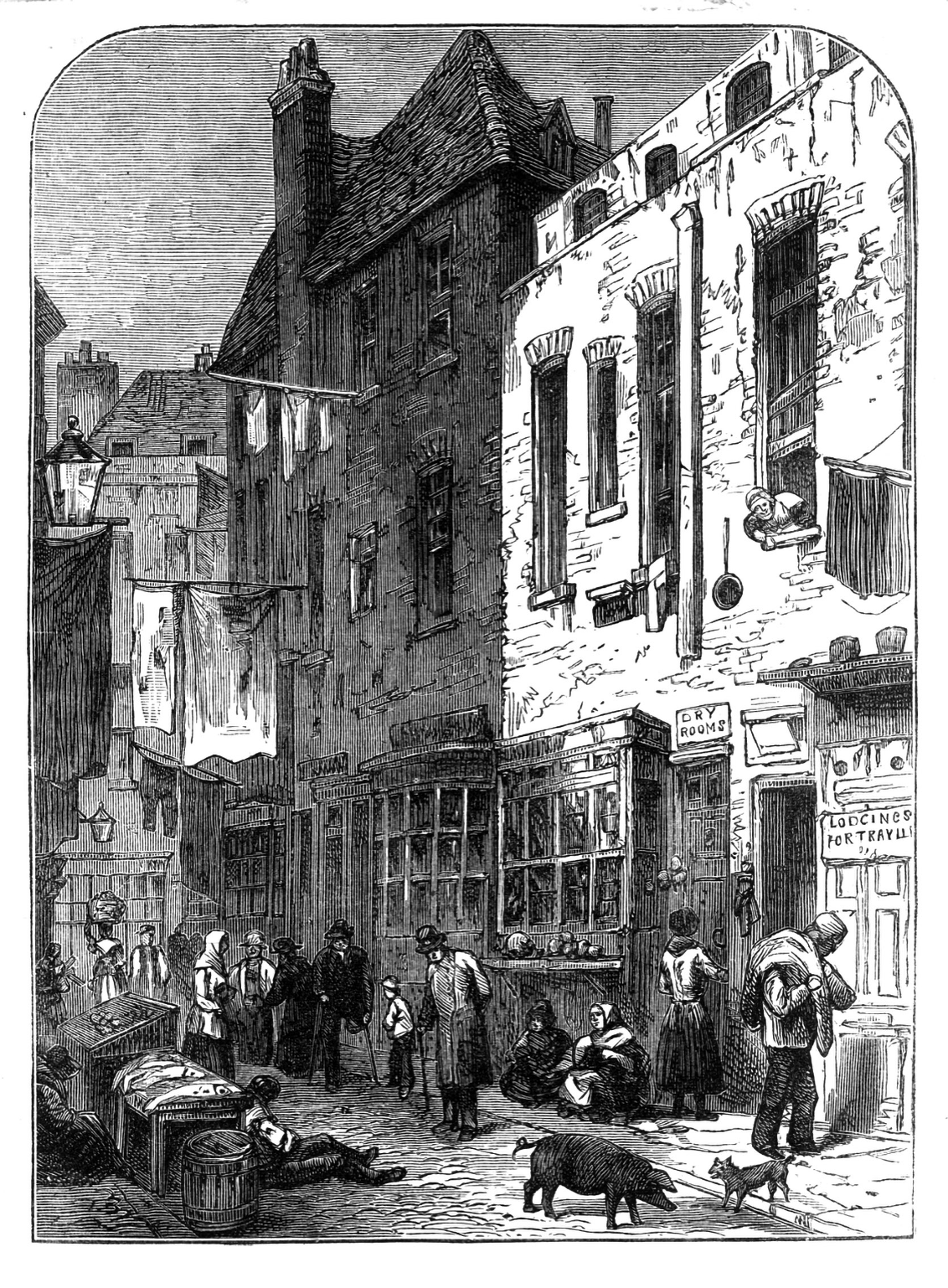
The slums and rookeries provided a perfect breeding ground for crime. The alleys and courtyards around Covent Garden and Drury Lane offered every sexual distraction for the unwary. Young girls lined the streets outside theatres and the Royal Opera House. Those stupid enough to be tempted were often confronted by a thug pretending to be the outraged father of the girl, and whilst she slipped way the punter was to be relieved not only of his money, but possibly also his fine clothes.
Londoners have always been drawn to the horrors of murder, which provided a distraction from a hard and often brutal life. High profile cases like the Whitechapel murders carried out by Jack the Ripper obviously created an ongoing sensation, and there was never a shortage of competing gruesome events increasingly reported in the popular press accompanied by detailed line drawings. Added interest was supplied by a growing sisterhood of lady killers, and there were many examples of dreadful and sadistic murders committed by women who were widely reviled by the public. Public sympathy became increasingly extended on entering the 20th century. This was particularly true of Edith Thompson, despite real public disquiet with thousands signing a petition demanding clemency, which was rejected by the Home Secretary. This attractive yet guileless young woman was executed on February 9th 1922 along with her young lover, Frederick Bywater who had killed her husband. The hanging was extremely harrowing and accelerated the move for the abolition of capital punishment. Famously, Ruth Ellis was the last woman to be executed and amazingly it was 1964 before the hangman was made redundant.
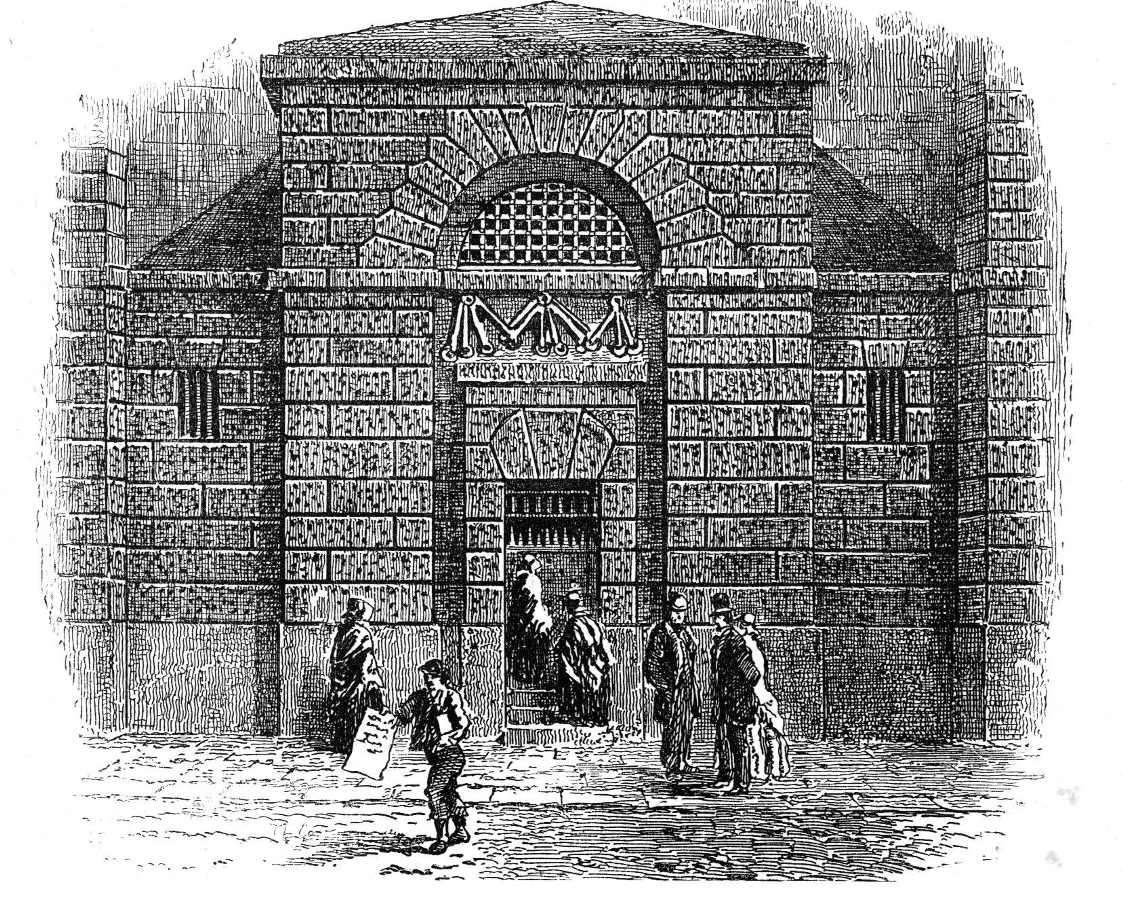
Those detained in the squalor of London’s prisons including Newgate and the Clink might have welcomed a speedy ending as their suffering was so great. Before being incarcerated they may well have had the ignominy of being held in the stocks or pillory where they were subjected to rotten fruit, dead animals and dung being thrown at them. Some were actually killed as rocks and stones were hurled at those who had caused particular offence. London continued to stagger from one dreadful crime to another. What the public really thrived on was a juicy scandal, particularly if it involved a politician or someone of grand social standing. Step forward John Profumo and Margaret, Duchess of Argyll. Profumo was a cabinet minister who was involved with a young call girl called Christine Keeler. It was a case involving a Russian spy and the death of a society osteopath. Famously, Profumo lied to Parliament and as a penance devoted the rest of his life to charity work. Whilst Profumo rocked the Government, the Duchess shocked and rocked the nation with her sexual activities, being exposed daily in the press including who was the headless man captured in a Polaroid shoot attending to her Ladyship.
Meanwhile the Krays had arrived in town. Whilst building up a business around extortion and a range of dodgy clubs they rather fancied themselves as an Anglicised Mafia. They had neither the organisation nor intelligence to reign for long and eventually they and their gang festered away in jail, although for a time their power had appeared unassailable. South of the river were rivals with a gang run by the Richardson brothers, who also created a reign of fear prompted by their sadistic leanings. Before them it was the Sabini brothers who had used outright violence to gain control of the racetracks surrounding London, but like politicians the majority of most violent criminals’ activities end in failure. Even the Messina brothers, the vice kings of the war years and the 1950s had to retreat in ultimate failure.
From the gin crazed citizens of the 18th century to the blackmailers of homosexuals before gay sex became legal, there continues to be no shortage of new crooks coming on stream as modern technology offers a whole new raft of opportunities. The ghosts of yesteryear are still lurking for those willing to search them out. Every street and every corner has a story to tell, with others waiting to be written.

Order your copy here.