


Google Books previews are unavailable because you have chosen to turn off third party cookies for enhanced content. Visit our cookies page to review your cookie settings.
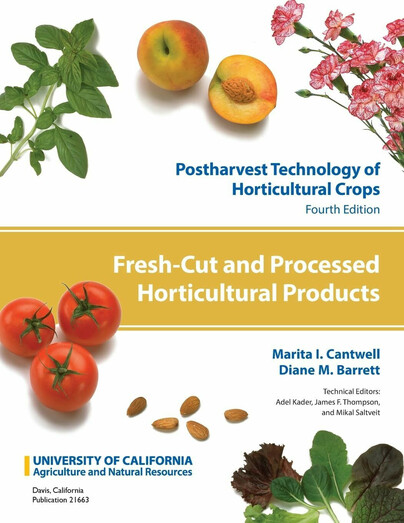
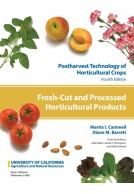
Fresh-Cut and Processed Horticultural Products (Paperback)
Postharvest Technology of Horticultural Crops, Fourth Edition
Imprint: University of California Agriculture and Natural Resources
Series: Postharvest Technology of Horticultural Crops
Pages: 56
ISBN: 9781627110662
Published: 1st January 2023
 Script Academic & Professional
Series: Postharvest Technology of Horticultural Crops
Pages: 56
ISBN: 9781627110662
Published: 1st January 2023
Usually available in 6-8 weeks.
You'll be £19.95 closer to your next £10.00 credit when you purchase Fresh-Cut and Processed Horticultural Products. What's this?
+£4.99 UK Delivery or free UK delivery if order is over £40
(click here for international delivery rates)
Order within the next 5 hours, 31 minutes to get your order processed the next working day!
Need a currency converter? Check XE.com for live rates
(click here for international delivery rates)
Order within the next 5 hours, 31 minutes to get your order processed the next working day!
Need a currency converter? Check XE.com for live rates
Fresh-cut products are estimated to account for about 18 to 20 percent of the value of fresh fruit and vegetables marketed through retail and food service channels. From salad mixes to “baby” carrots, broccoli and cauliflower florets to slaw mixes, these products continue to grow in popularity with consumers.
For the consumer, fresh-cut fruit and vegetables offer several potential benefits. They can reduce meal preparation time, provide more uniform quality, and increase access to healthy produce. For the processor, successful fresh-cut products can actually be more cost-effective because of reduced waste for the end user. Concerns about fresh-cut products include their variable shelf life, the need for temperature control, microbial food safety, and inconsistent overall product quality, including flavor and nutrition. While most food-processing techniques stabilize products and lengthen their storage and shelf life, fresh-cut processing increases the perishability of fruit and vegetables.
This volume addresses the physiology of fresh-cut fruits and vegetables, treatments for maintaining quality, optimal storage temperatures, and modified atmospheres. The chapter on processed products covers the principles of horticultural crop preservation, the importance of raw material quality, and common unit operations and technologies used for processing horticultural crops. The advantages and disadvantages of various technologies are addressed, followed by general information on packaging and quality control.
Other titles in the series...
Other titles in University of California Agriculture and Natural Resources...


Pen and Sword Books
About Us | Contact Us | Delivery Information | Privacy Policy | Cookies | Affiliates | Terms and Conditions | Backlist | Mailing List | Reward Scheme | Review Request
© Pen and Sword Books Limited 2026. Registered in England No. 2527258.
Registered Office: 47 Church Street, Barnsley, S70 2AS.